

The success of Ray-Ban smart glasses is giving wings to Meta's projects. The range, known internally under the code name "Supernova," could thus expand in three different ways, Bloomberg believes. The first is to adapt this technology — composed of a photo sensor, speakers and a good dose of AI — to new eyewear designs. One version, called "Supernova 2," would be based on Oakley's Sphaera glasses, with a launch scheduled for this year.
The multiplication of glasses
The Oakley brand is owned, like Ray-Ban, by Essilor Luxottica, with whom Meta has signed a long-term partnership. And of course, these smart glasses would be aimed at the most athletic, particularly cyclists. But the biggest new product expected in 2025 is a high-end model, codenamed "Hypernova", which would integrate a small screen on the right glass.
There is no question of using augmented reality with this screen, but it would display notifications and information from applications; we could even see a preview of photos taken with the glasses. All this will increase the bill: we are talking about a price of around $1,000, while standard Ray-Ban glasses are sold from $300.
Finally, the third way to plough the furrow of connected glasses is to put the package on the Orion project. Presented last September, the latter represents what "socially acceptable" augmented reality could look like in the future. But if this product does indeed look like (big) glasses, you also have to wear a control bracelet and, above all, carry around a box loaded with the bulk of the calculations.
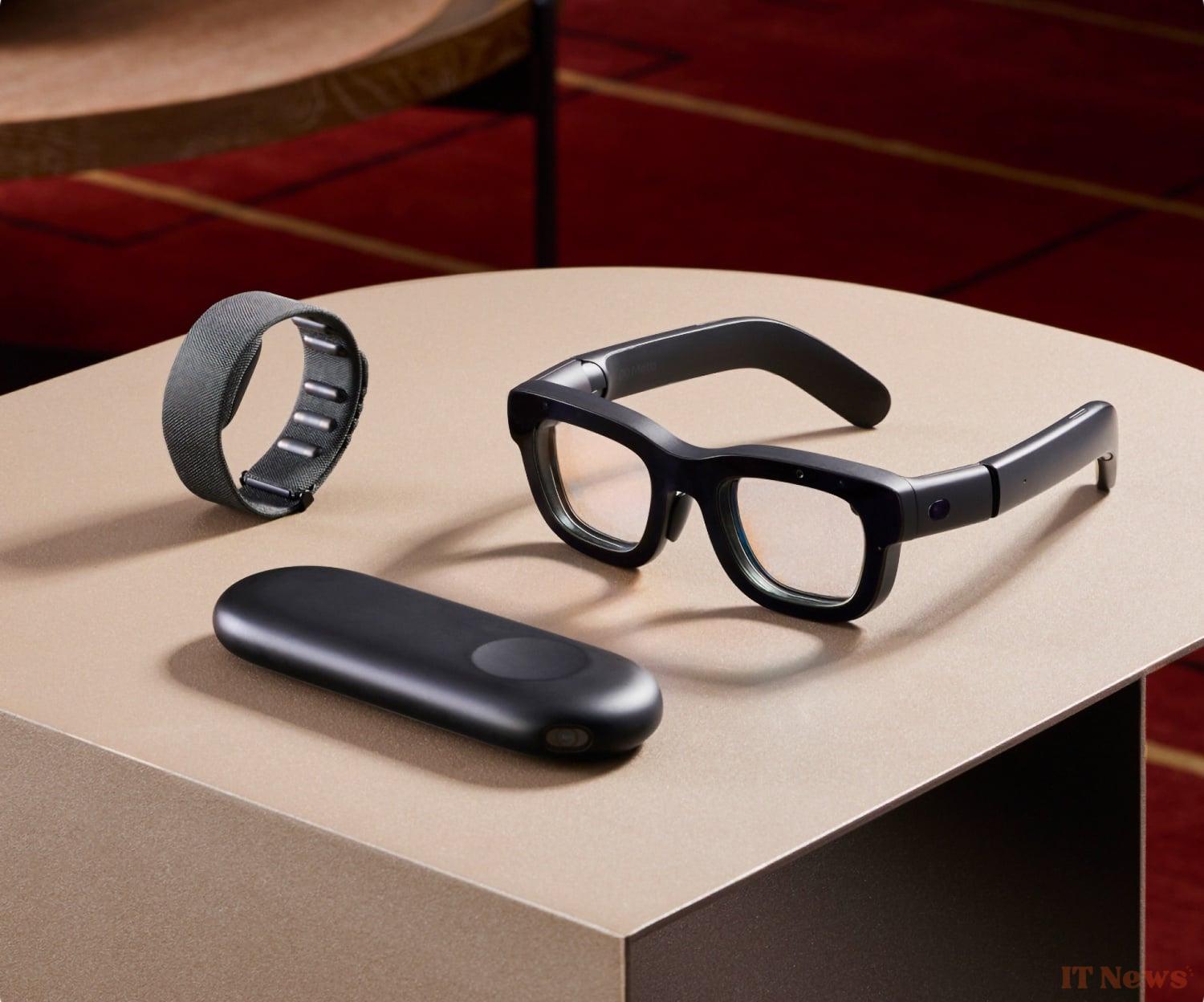
It is impossible to sell such a device to the general public in its current state, especially at the crazy price estimated by Meta ($10,000). However, the company is reportedly planning to offer it to developers in 2026, in order to tread on Snap's toes, which has taken a head start with its AR Spectacles.
Meta is reportedly preparing the sequel, codenamed "Artemis", which could this time be sold to the most ardent supporters of AR as early as 2027. The prototypes are already said to be lighter than Orion, with more advanced features. These glasses, like the model with a screen, could be controlled with a bracelet similar to that of Orion.
There is therefore excitement within Meta Reality Labs, which is also reportedly working again on a connected watch (after having abandoned and then relaunched this project several times), as well as on wireless headphones equipped with a camera to help the AI better “understand” the user’s environment.
Source: Bloomberg


0 Comments