
Last week, Bloomberg reporter Mark Gurman came forward to announce the cancellation of Apple’s AR glasses project. The initiative received negative feedback from several senior executives at the company.
In his new Sunday newsletter, the reporter provides additional information on the issue of Apple’s AR glasses. In fact, the Cupertino giant has not buried the idea of designing augmented reality glasses. The group has only given up on the possibility of launching glasses that connect to a Mac.
No AR glasses for the Mac
According to Mak Gurman, the aborted product “would have looked like regular glasses, but would include integrated displays and would require a connection to a Mac.” The glasses were intended as an accessory for the computer. Initially, Apple had considered connecting the glasses to the iPhone. In this case, the accessory would have worked in synergy with the smartphone, in a similar way to the Apple Watch. The computing power would have been provided by the iPhone, and its chip power. Unfortunately, the iPhone would not have been enough to power the AR features of the glasses.
Apparently, John Ternus, the new head of the Vision Products Group (VPG) division that is to oversee the development of Apple's mixed reality products, does not want to take the risk of another flop, after the mixed success of the Vision Pro. Moreover, production of the latter has already ceased, in the face of falling demand.
Apple stays the course
However, Apple continues to work on a pair of 100% autonomous augmented reality glasses, which do not need to be connected to an iPhone or a Mac to work. Indeed, "Apple's long-term goal of developing autonomous AR glasses remains unchanged." The company will continue to "improve core technologies, such as displays and chips, to make such a device more viable.".
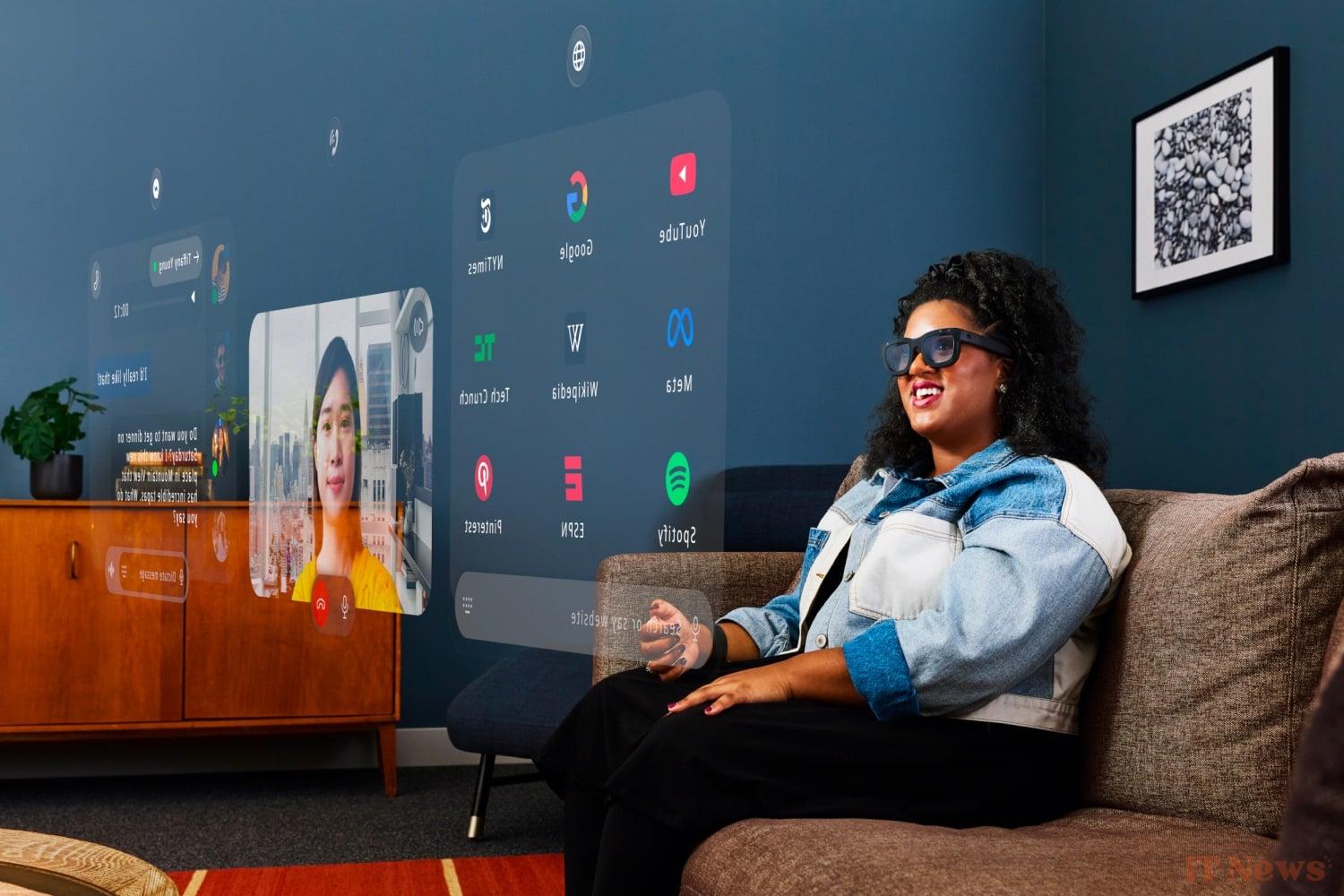
Unlike the Oryon glasses designed by Meta, Apple's future glasses will not need a case, to slip into your pocket, to provide computing power. Apple also does not intend to entrust autonomy to a case, as is the case with the Vision Pro. It will still be a few years before the project frees itself from the bowels of Apple Park. Unsurprisingly, this device should run on VisionOS, the operating system tailored for spatial computing.
While waiting for its project to come to fruition, Apple should turn to the Vision Pro to occupy the market for devices dedicated to mixed reality. The Californian giant is also working on a more affordable version of the headset, for an estimated release in 2027.
Source: Bloomberg


0 Comments