
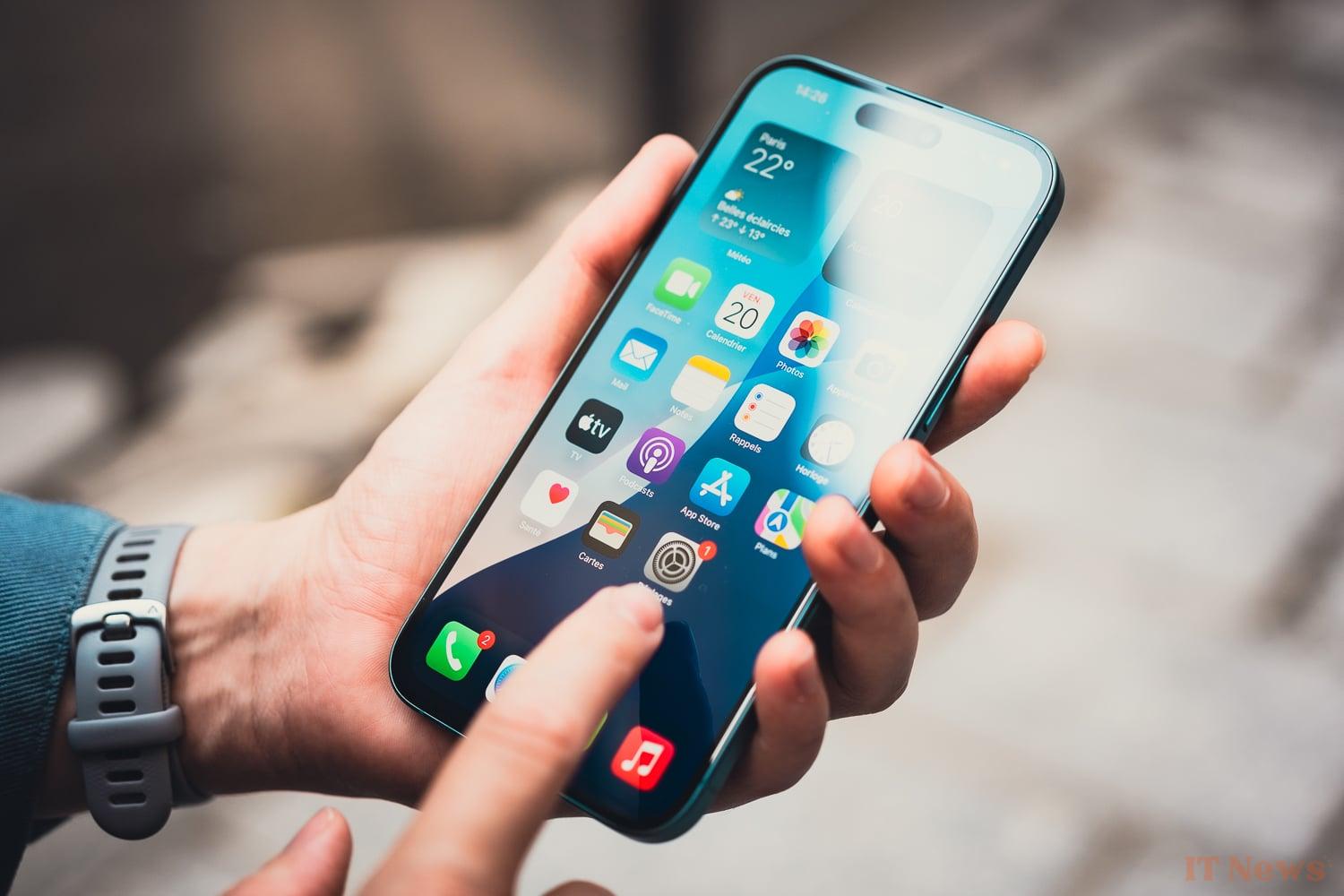
iPhone shipments could decline by 8 to 10% in 2025 compared to initial forecasts, argues Ming-Chi Kuo. The TF International analyst, who has his connections to the Apple production chain, now estimates that the manufacturer should deliver (i.e. sell, given the company's very tight inventory management) between 220 and 225 million units this year, far from the 240 million units of the market consensus, he writes. In 2024, Apple had delivered 220 million iPhones.
Sales as thin as the iPhone 17 Air
The growth in shipments could therefore be very moderate, or even zero from one year to the next. Kuo predicts a 6% decline in the first half, despite the expected launch of the iPhone SE 4 (iPhone 16E?) in the spring, probably in March or April. As for the ultra-thin iPhone 17 Air, we should not expect it to set sales on fire.
The analyst, who announces a thickness of 5.5 mm at the thinnest point of the smartphone (even thinner than what the rumors indicated so far!), believes that this model will not find success in China. The reason: the absence of a SIM card port, which takes up too much space. For reasons of population surveillance, the country is very particular about this function, which also explains why Apple sells iPhones there designed to work with two SIM cards.
The iPhone 17 Air, which in the range would take the place of the iPhone Plus, would certainly sell more than these models, but without making any sparks either: the "less efficient" components (the device would be satisfied with a single photo sensor) and a high price would be the cause, believes Ming-Chi Kuo. The price should be the equivalent of an iPhone 16 Plus, which starts at €969.
Unfortunately for Apple, the new AI functions would not do much to arouse the curiosity of consumers and make them open their wallets. Kuo points to a recent survey that found users found little value in Apple Intelligence and Galaxy AI.
There’s no evidence that Apple Intelligence will accelerate iPhone sales growth or service revenue, the analyst says, especially since the company doesn’t “sell” its AI (no subscriptions, for example).
Source: Ming-Chi Kuo


0 Comments