

The Society of Professional Aerospace Engineering Employees (SPEEA), Boeing's main union, announced this week that it is investigating whether the planemaker is seeking to take advantage of a workforce reduction to shift its workforce elsewhere to non-union workers. An approach that would follow a 7-week standoff, during which more than 35,000 Boeing employees went on strike since September 13, 2024.
Following allegations from its members, affected by waves of layoffs since last November, the SPEEA union began its analysis work in December, when it took the opportunity to contact the company's management to find out more, warned the union's director of strategic development, Rich Plunkett, on Wednesday, January 22.
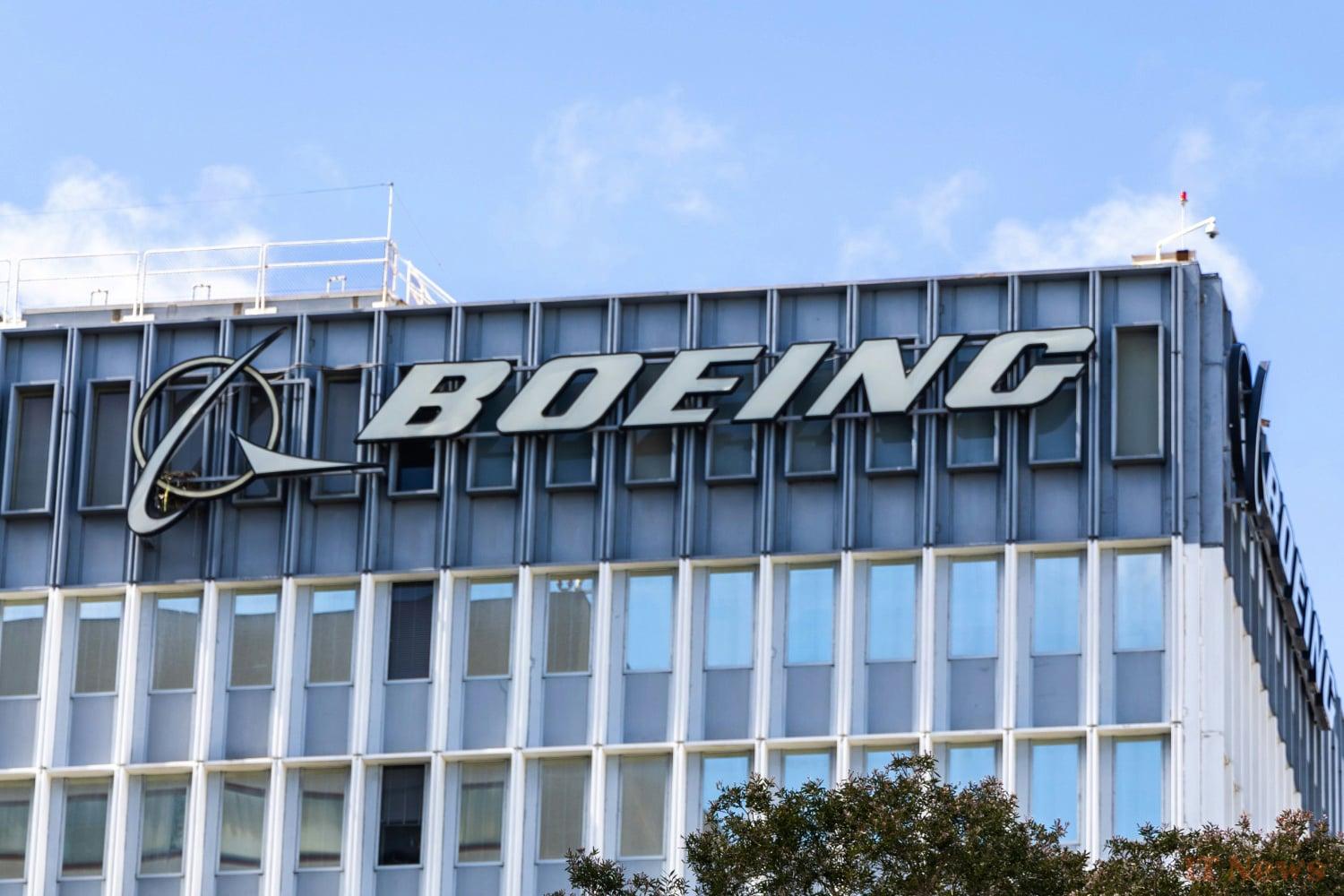
Fear of Boeing's 17,000 SPEEA union members
SPEEA represents more than 17,000 Boeing workers in the Seattle area, in Washington State in the United States. The nerve center of the company's aircraft production, the region saw its management leave in 2001, to distance itself from the difficulties of production and move closer to the financial world of New York. Since 2022, the aircraft manufacturer's headquarters has been even further away as it has moved closer to Washington by setting up in Arlington, to be closer to political decision-makers.
While management has packed its bags, production has not yet. Boeing’s main union fears that things are changing now, and that the job cuts will allow Boeing to shift again to non-union workers, who are less likely to cause a seven-week strike, as they did last year.
Boeing has suffered losses of $8 billion in the first nine months of 2024. Only 340 aircraft have been delivered, compared to 528 in 2023 and a whopping 806 aircraft in a record year in 2018. Airbus, for its part, has delivered twice as many aircraft, with 766 units registered. Even more delicate: Boeing had to pause the development of its future long-haul aircraft, the 777X, which did not resume its certification tests until the beginning of 2025.
Source: Reuters


0 Comments