
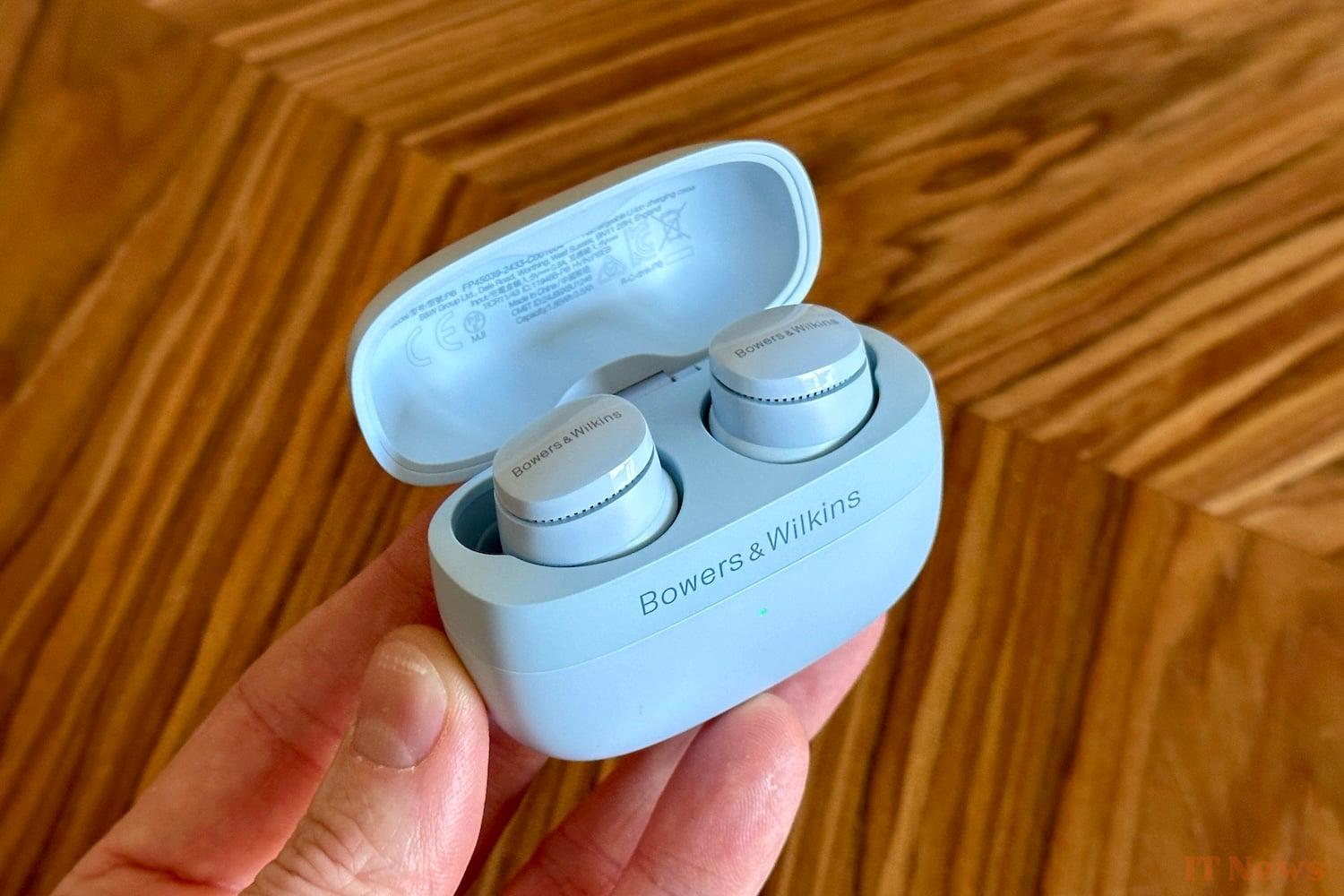
This is one of the beautiful high-end brands on the market. Since the 1960s, the British company Bowers & Wilkins is trying to perpetuate a certain idea of audio. But it is not necessarily easy to adapt to new uses and products released by multinationals with substantial budgets. With this new generation of true wireless in-ear headphones with active noise reduction, the manufacturer is nevertheless trying to erase the defects of the previous one. Here is our complete review on the Bowers & Wilkins Pi6 after a good week of testing.
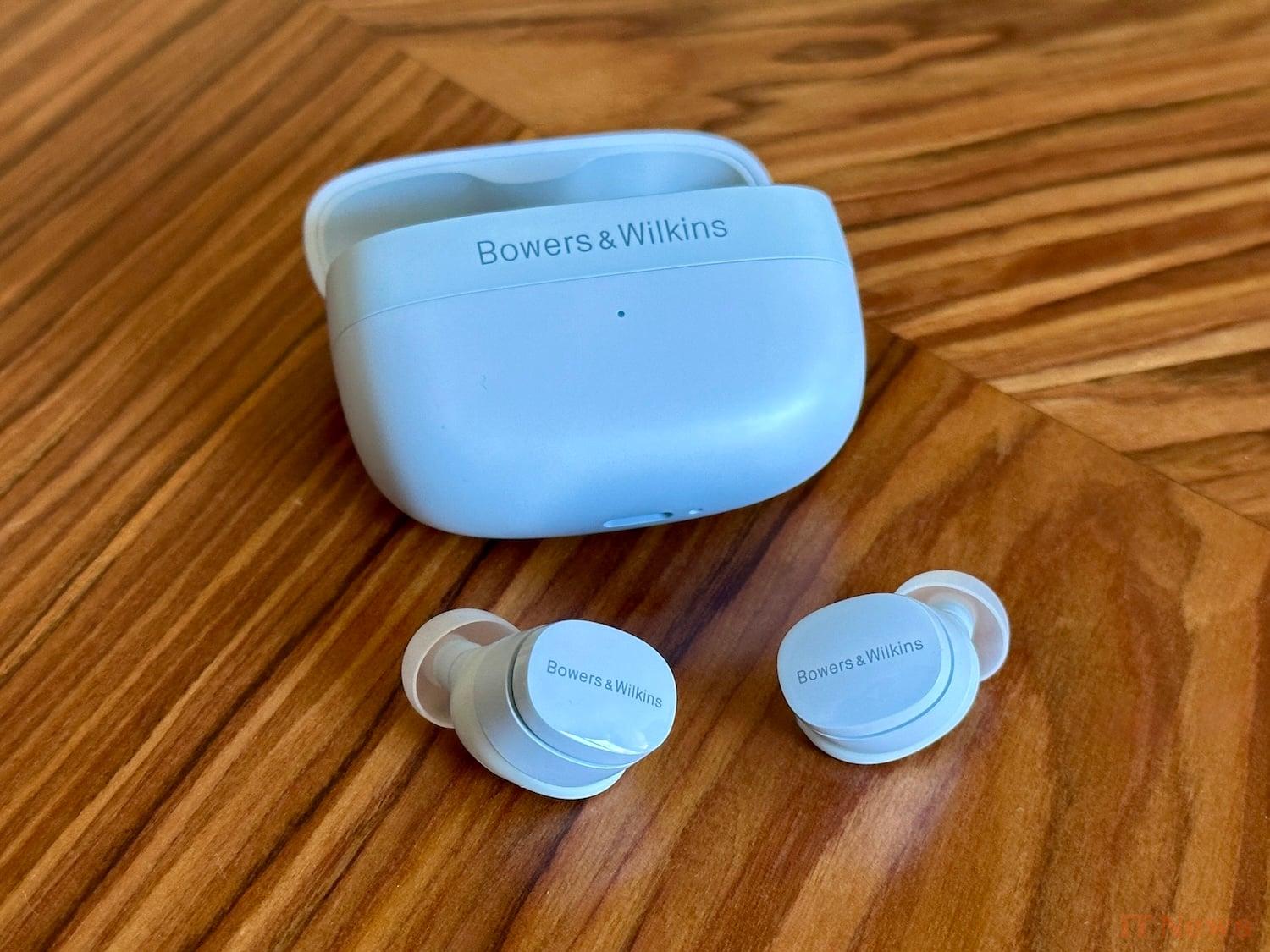
Situated just below the very high-end Pi8 (400 euros), these Pi6 (250 euros) take on some of its characteristics, starting with the design and part of the conception. The placement of the three microphones per earpiece has been modified, while the touch sensors on their surface are larger and more sensitive. The proximity sensor is also announced as being more efficient.

Heavy but comfortable earbuds
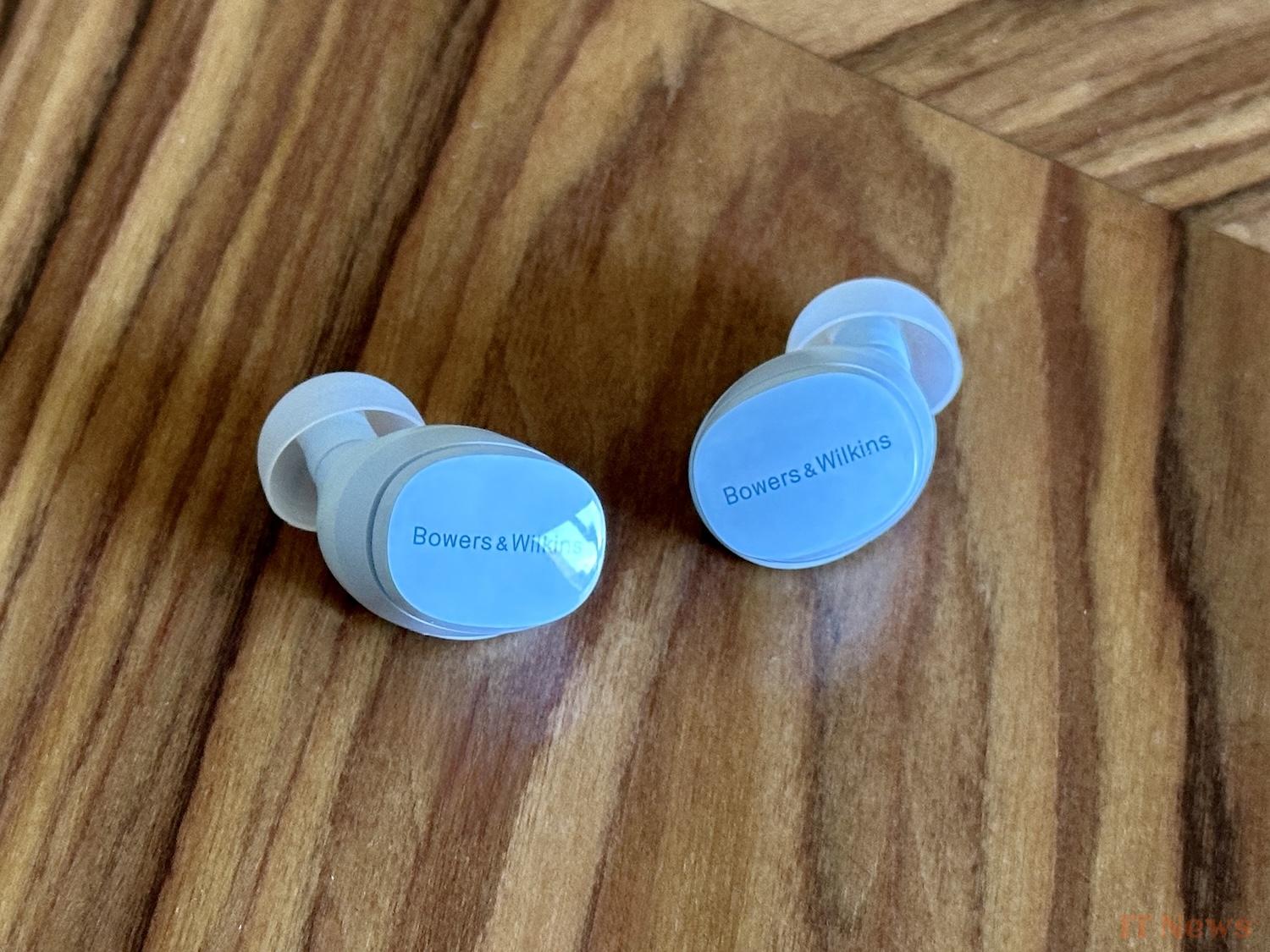
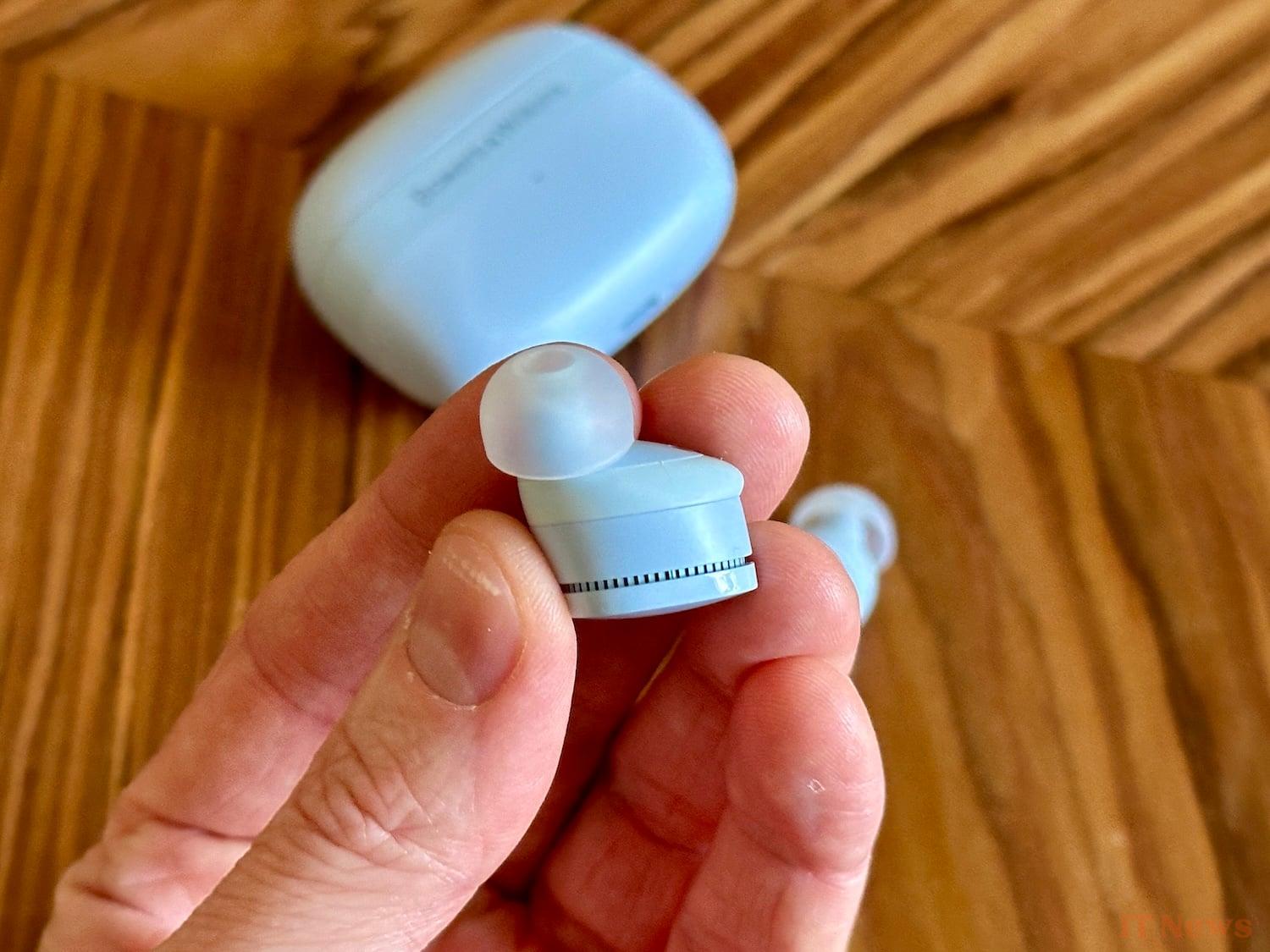
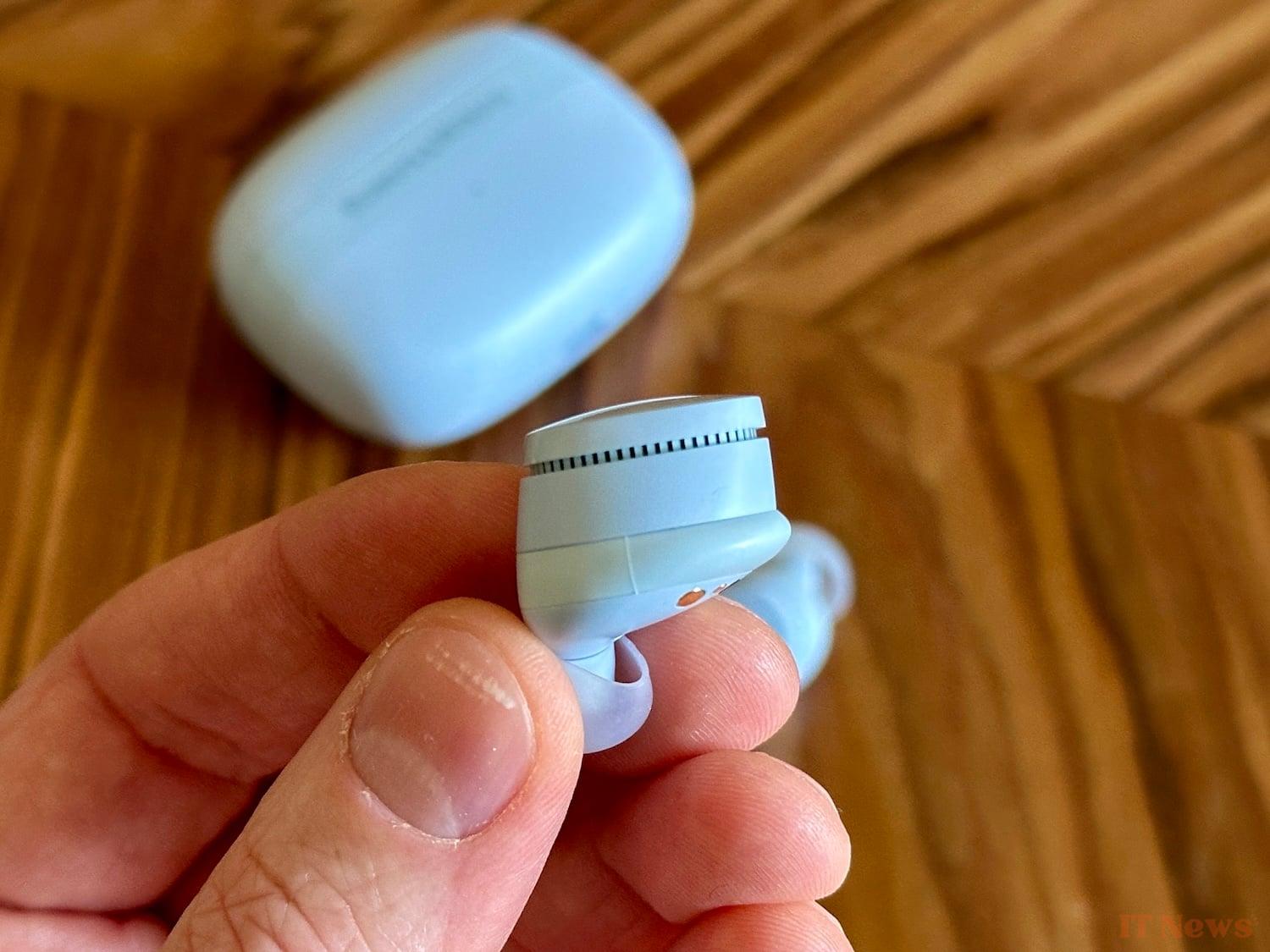
The earbuds are larger than the previous Pi7s, but the design, which is better adapted to body types, clearly improves their fit and comfort. Thanks to the four sizes of eartips provided, they fit perfectly in the ear canal and do not move, even during our traditional running exercise — despite their certain weight of 7 grams each. They are also IP54 certified to resist dust and water splashes inherent to this type of outdoor activity.

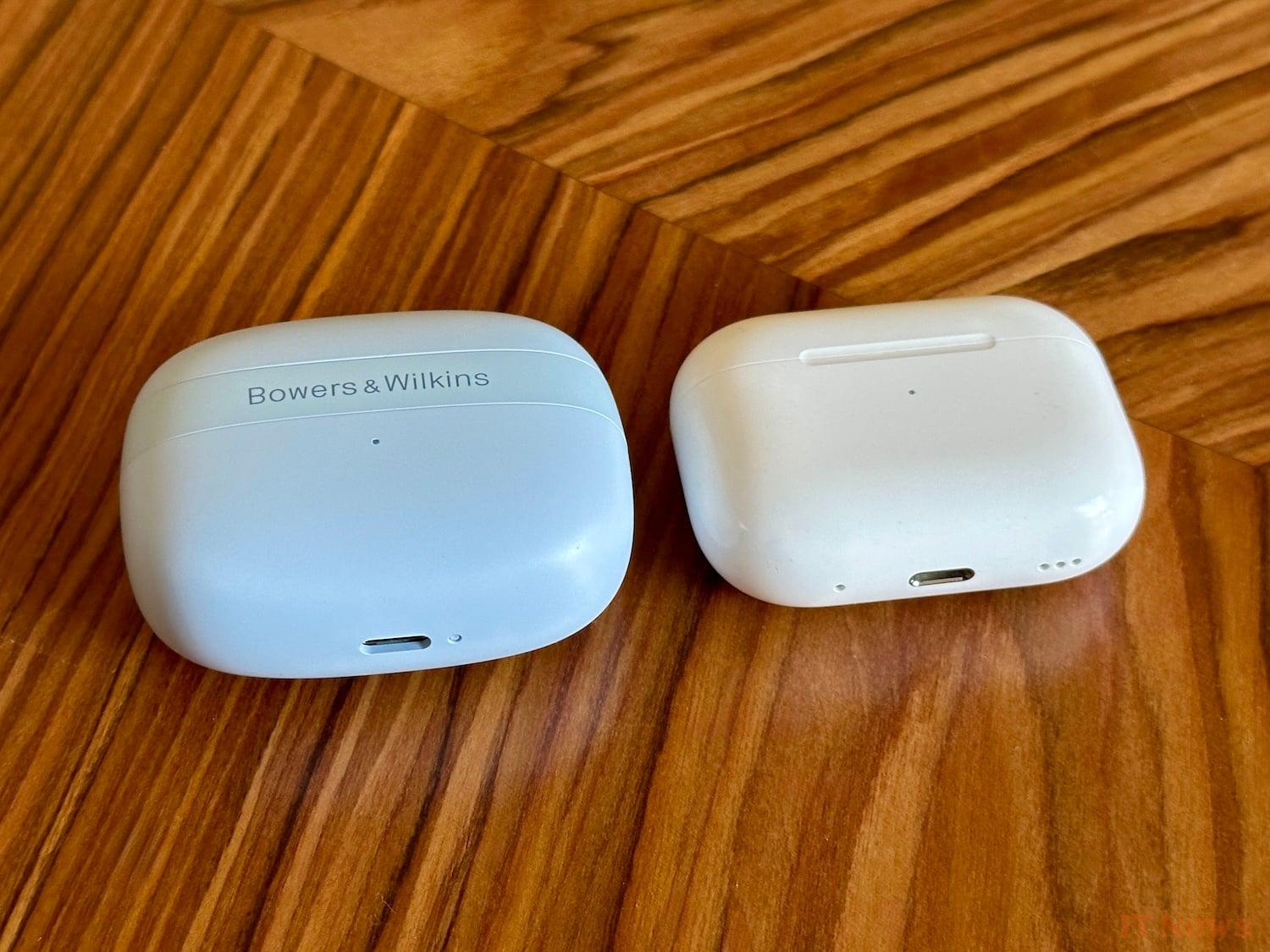
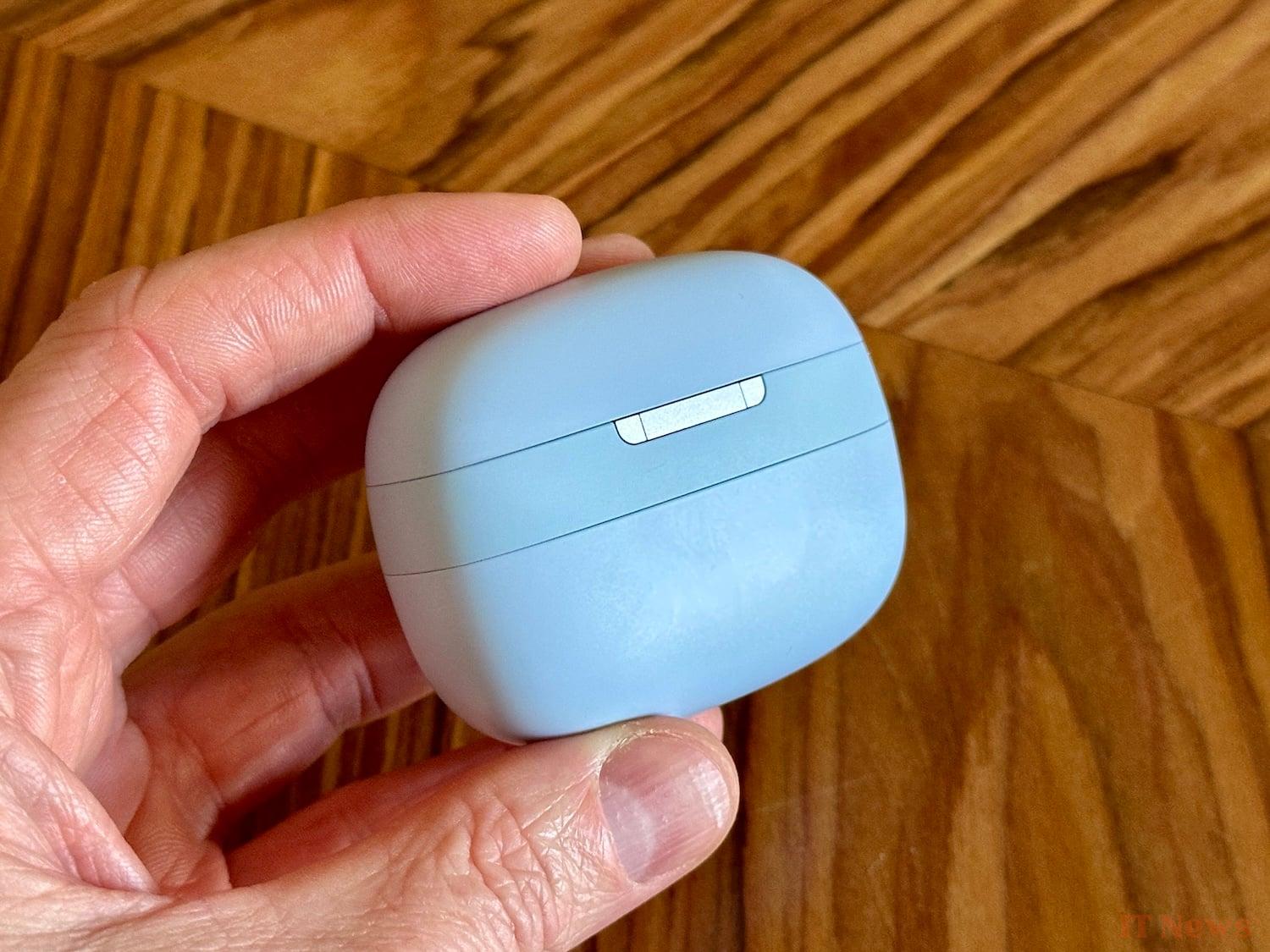
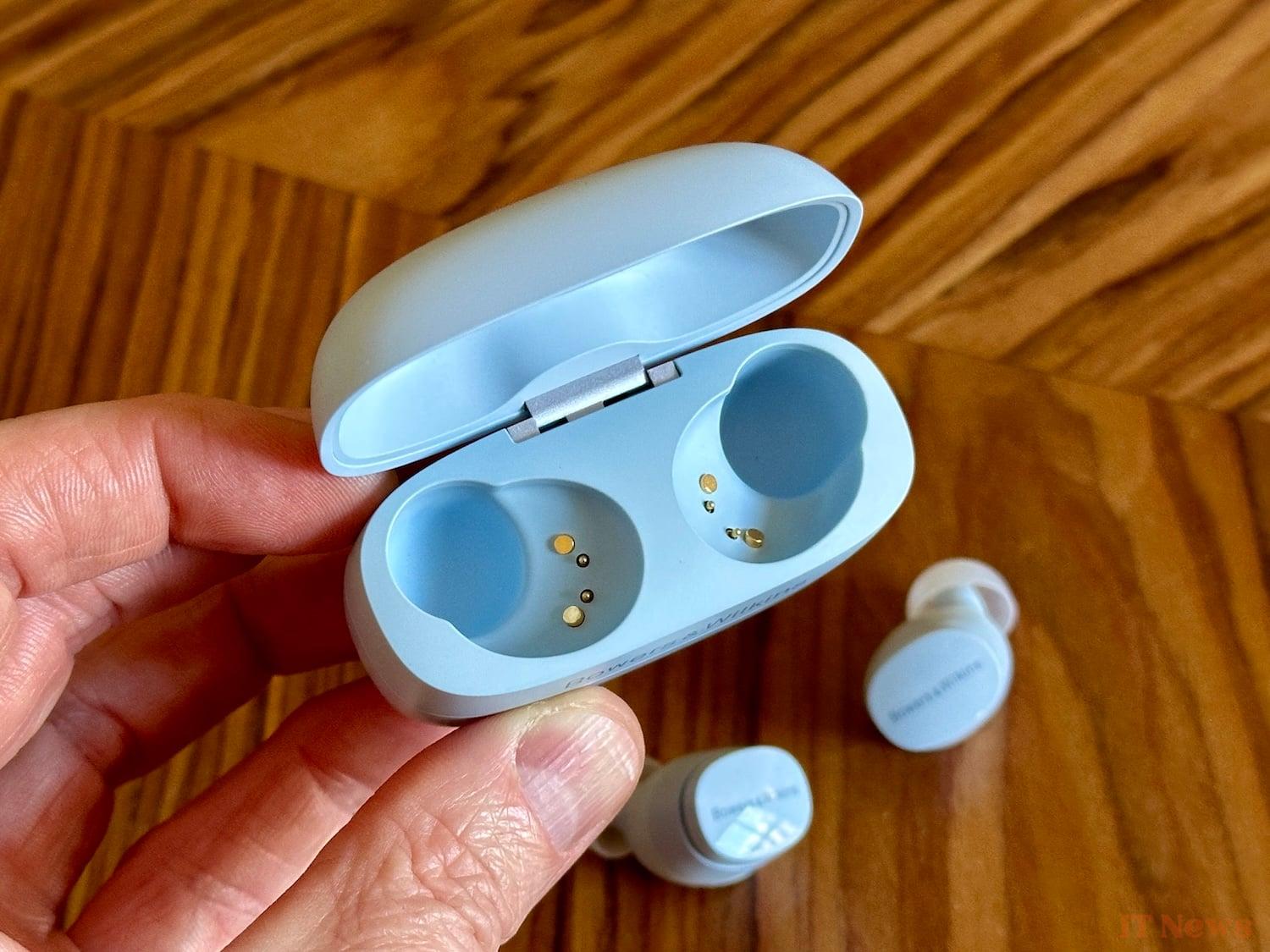
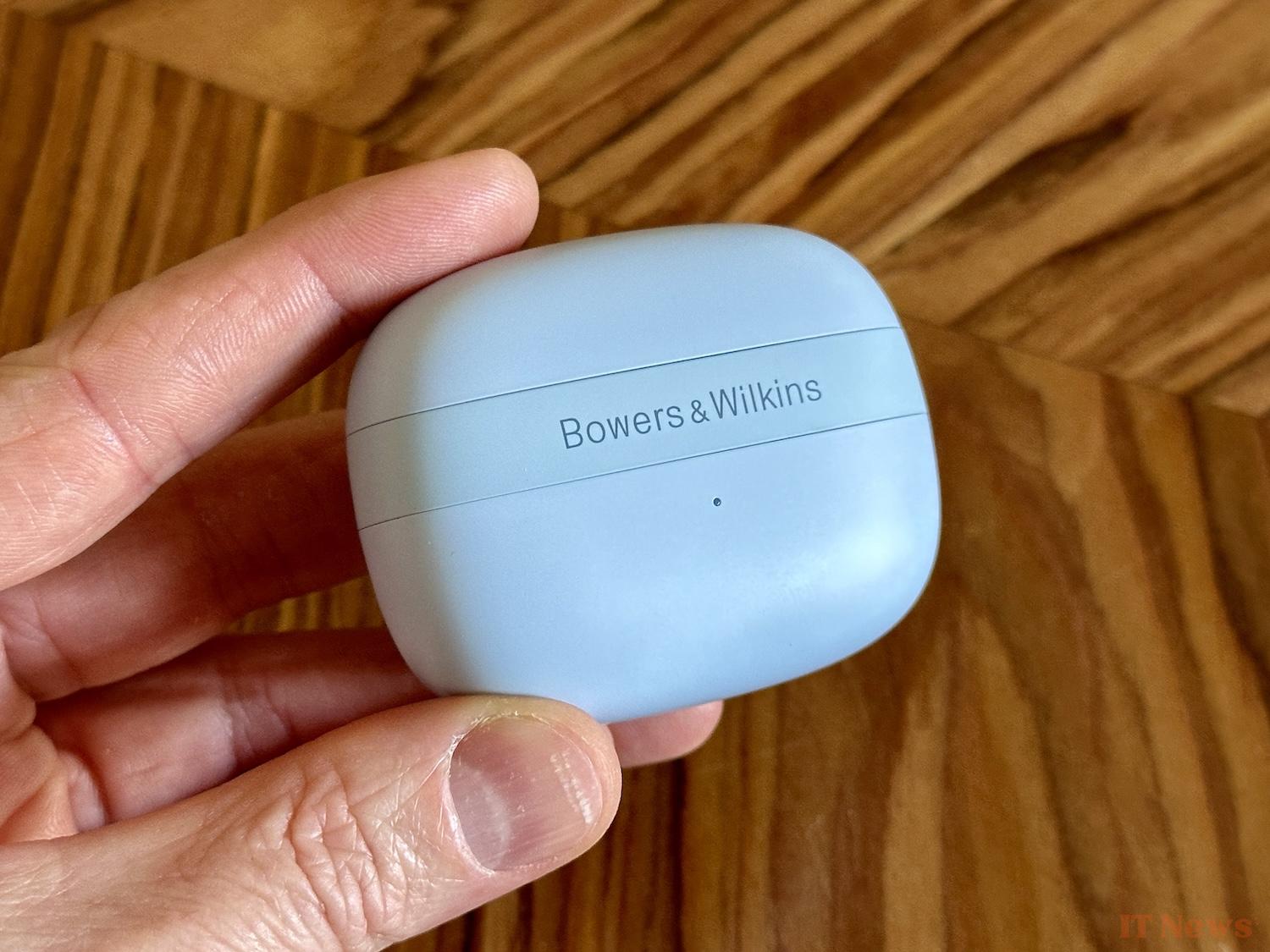
The case takes a shape almost similar to that of the AirPods Pro, but with a certain plumpness (65 × 29 × 52 mm for 46 g) which does not make it as discreet in a pocket. If the plastic reigns supreme here (apart from the hinge), it is of quality and dense, alternating between matte and glossy.
The assembly is perfect and justifies the price of the device which clearly exudes quality of manufacture. Our test copy "glacier blue", is available in four other colors: cloud gray, storm gray and forest green.
Our opinion on the Bowers & Wilkins app
Pairing is smooth, especially if you have an Android device (compatible with Google Fast Pair). The touch controls are classic: one tap on any earbud to play/pause, two for the next track, three for the previous track, a long press on the left to switch between ANC and transparency and a long press on the right to activate the phone's voice assistant. Only these two long presses can be customized within the Bowers & Wilkins Music app. Wilkins to adjust the volume. 
The application is not a model of its kind, as the possibilities it offers are slim: choice of noise reduction mode, management of devices connected in multipoint, activation of the port sensor and simply treble and bass equalizer. And that's it. This last point is all the more frustrating since the Pi8 offers a much finer five-band equalization setting. A software limitation that is very unfortunate for a manufacturer that we are waiting for with bated breath on audio capabilities. 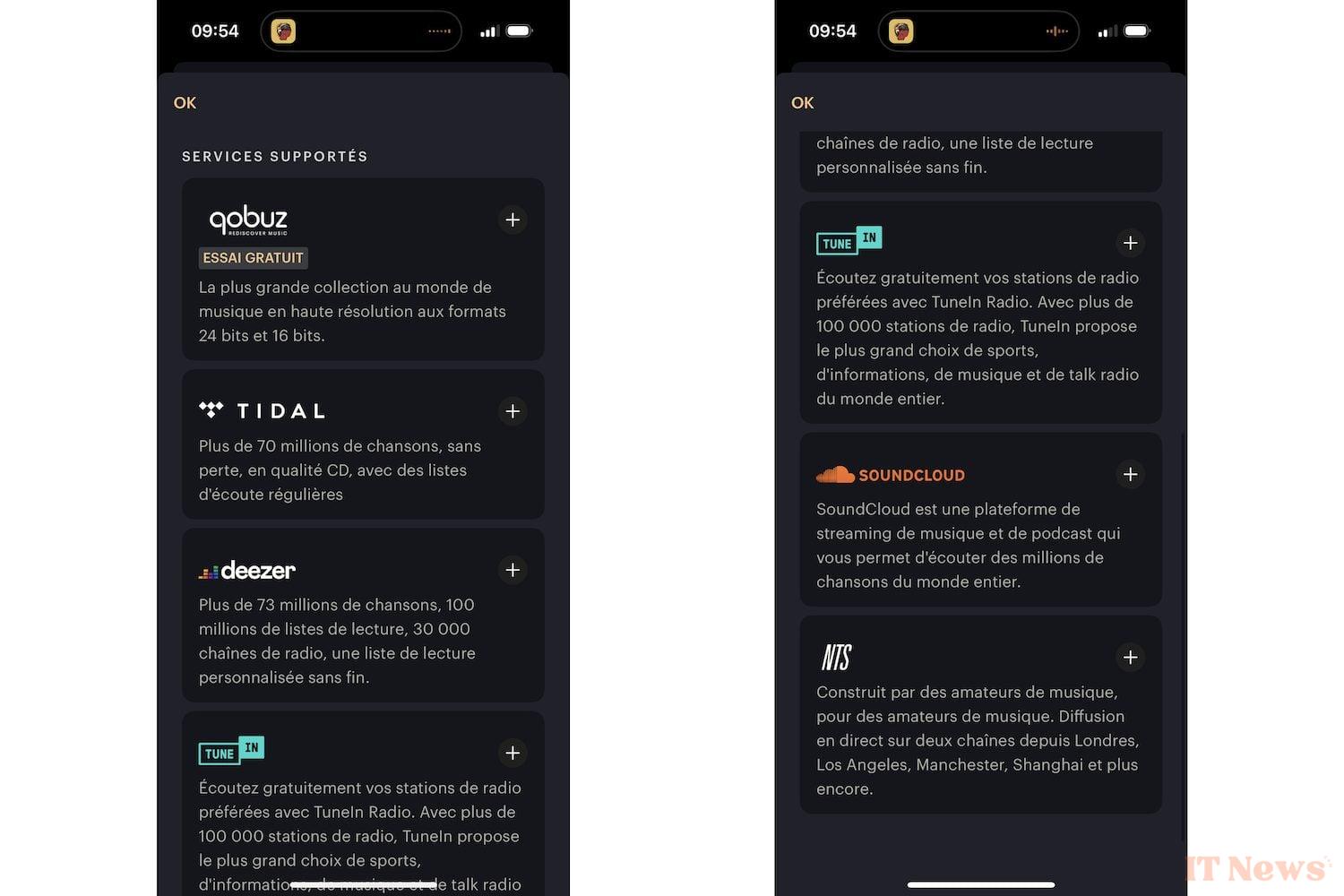
The application also allows you to connect directly to a streaming service to be able to navigate its catalog directly. The functionality is not the most useful compared to using the dedicated application of each service. Especially since their number is limited to six: Qobuz, Tidal, Deezer, TuneIn, SoundCloud and NTS. It is therefore not on their software capabilities that the Pi6s stand out. 
Autonomy test: good performance
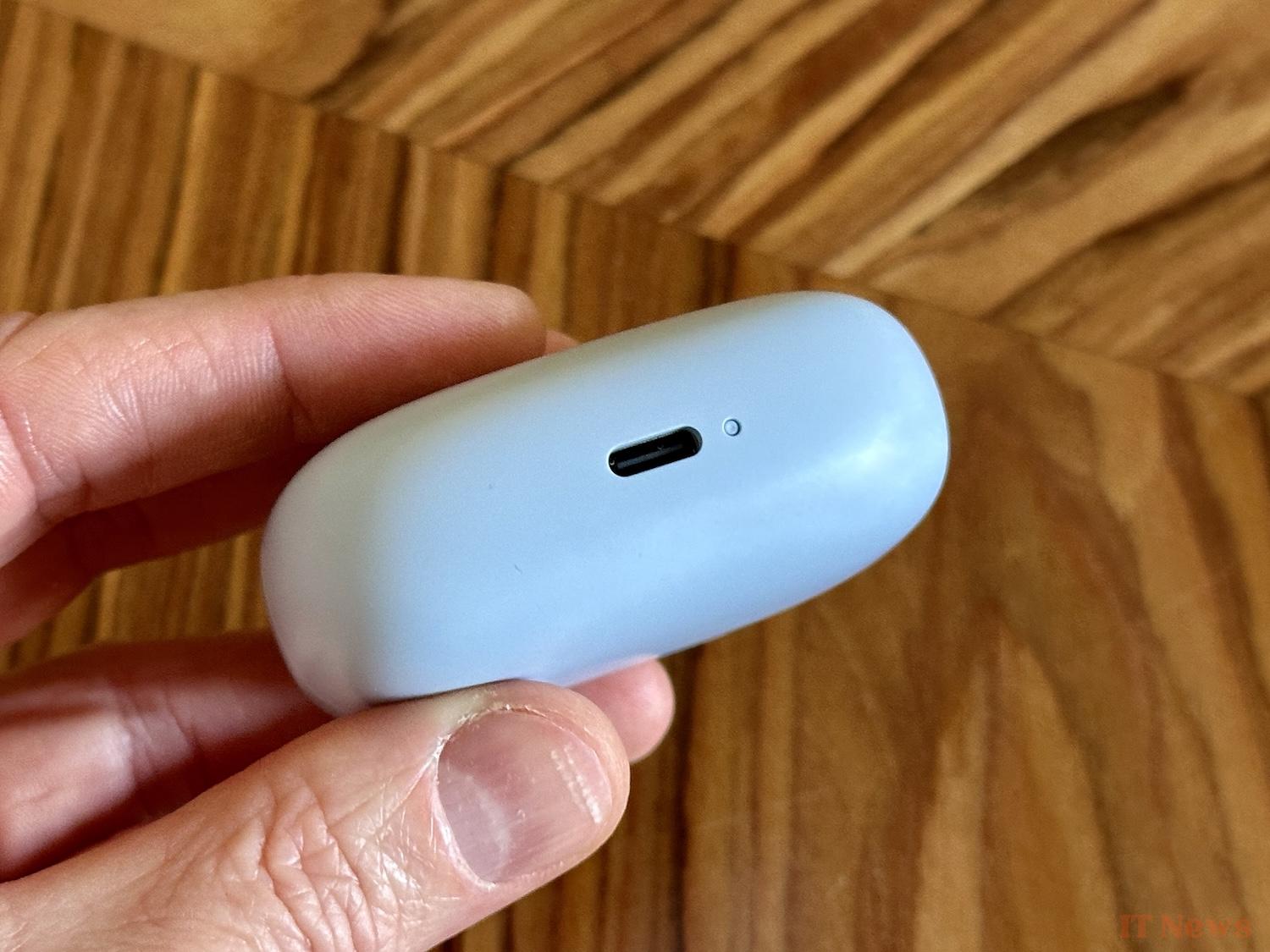
The autonomy already pleads a little more in their favor, with a performance announced by Bowers & Wilkins of 8 hours with noise reduction activated. In our test in real conditions, we exceeded 7 hours, without however ever reaching the manufacturer's promise. Despite everything, this places the Pi6s among the best on the market. A quick charge function allows you to recover two hours of playback in 15 minutes of charging in the case. The latter can recharge the headphones three times. On the other hand, you only need to use its USB-C port (60 cm USB-C to USB-C cable provided) to charge it, as it does not have any induction system.
This good point regarding autonomy cannot mask the more than average performances in hands-free use. In a quiet environment, the voice already seems very distant, it remains however perfectly audible and intelligible for our correspondent. As soon as you move to a noisier place, however, it’s chaos, with the appearance of artifacts such that words become difficult to grasp.
The quality and placement of the microphones may have something to do with it. The active noise reduction functionality is not among the best on the market, supported by the Qualcomm chip (compatible with Bluetooth 5.4). If in the low frequencies, the isolation is efficient, it becomes less and less so as we go up in frequencies. Voices can thus be heard, as can sudden noises. In the treble, the passive isolation compensates for the weakness of the ANC, but not completely. In terms of transparency, the rendering is unfortunately not natural, victim of a sort of tunnel effect which notably prevents us from knowing from which direction the sources come.
A nicely mastered audio part
But fortunately, Bowers & Wilkins makes up for it on the essential, namely audio quality. Equipped with 12 mm biocellulose speakers (to reduce distortion and improve high-frequency details), the Pi6 clearly stands out in this field, equaling its direct competitors Apple AirPods Pro or Sony WF-1000X. The signal is not processed by the Qualcomm chip, but transferred to the manufacturer's own system to benefit from its expertise.
The bass is deep, full and never lazy. Enough to give a nice foundation to the voices without ever taking precedence over them: they are warm and benefit from midranges that are also very well managed. The highs bring a welcome sense of detail and resist distortion very well, even at high volume. This is even more noticeable when using a device compatible with the aptX Adaptive codec as a source (in addition to the classic SBC and AAC). Finally, the separation of the instruments is very well rendered, as is their spatialization thanks to a wide and deep soundstage. In addition, the dynamics of the whole lends itself to very versatile use, navigating between songs with electronic production as well as classical music.


0 Comments