
Samsung plans to launch a solid-state battery in 2026. Through its subsidiary Samsung Electro-Mechanics, which is responsible for creating new components, the South Korean firm expects to launch the very first small-format accumulator, with an entirely solid chemistry, to equip portable devices and in particular smartwatches.
The first time the subject was raised was last year, when we learned that Samsung had launched a project called "dream battery", in reference to this new component with a technology where the liquid electrolyte traditionally used in a lithium-ion battery is replaced by a solid electrolyte, such as a polymer, ceramic or glass.
The result would be a much denser battery than current technology (lithium-ion), which means that the increase in autonomy could be colossal, without having to increase the volume of space to integrate the component. Samsung Electro-Mechanics, through its CEO Chang Duk-hyun, has indicated that it will begin mass production of the technology next year.
Apple or Samsung? Who will benefit from the solid-state battery first?
The big question remains: who will benefit first? And by who, we mean which customer. Will it be Samsung, its parent company, or Apple? As a supplier, Samsung Electro-Mechanics could sign very large contracts with such a solid-state battery for portable devices.
At CES 2025 in Las Vegas, Chang Duk-hyun said: “We have achieved industry-leading energy density and capacity characteristics” for Samsung’s next-generation portable batteries. To date, the subsidiary is reportedly conducting extensive internal testing and is in "discussions with customers."
Enough to no longer spare Apple, even if the use of the plural implies that others could also covet the product. In GPS sports watches, battery life is a major criterion, and Garmin is now competing with new brands like Coros.
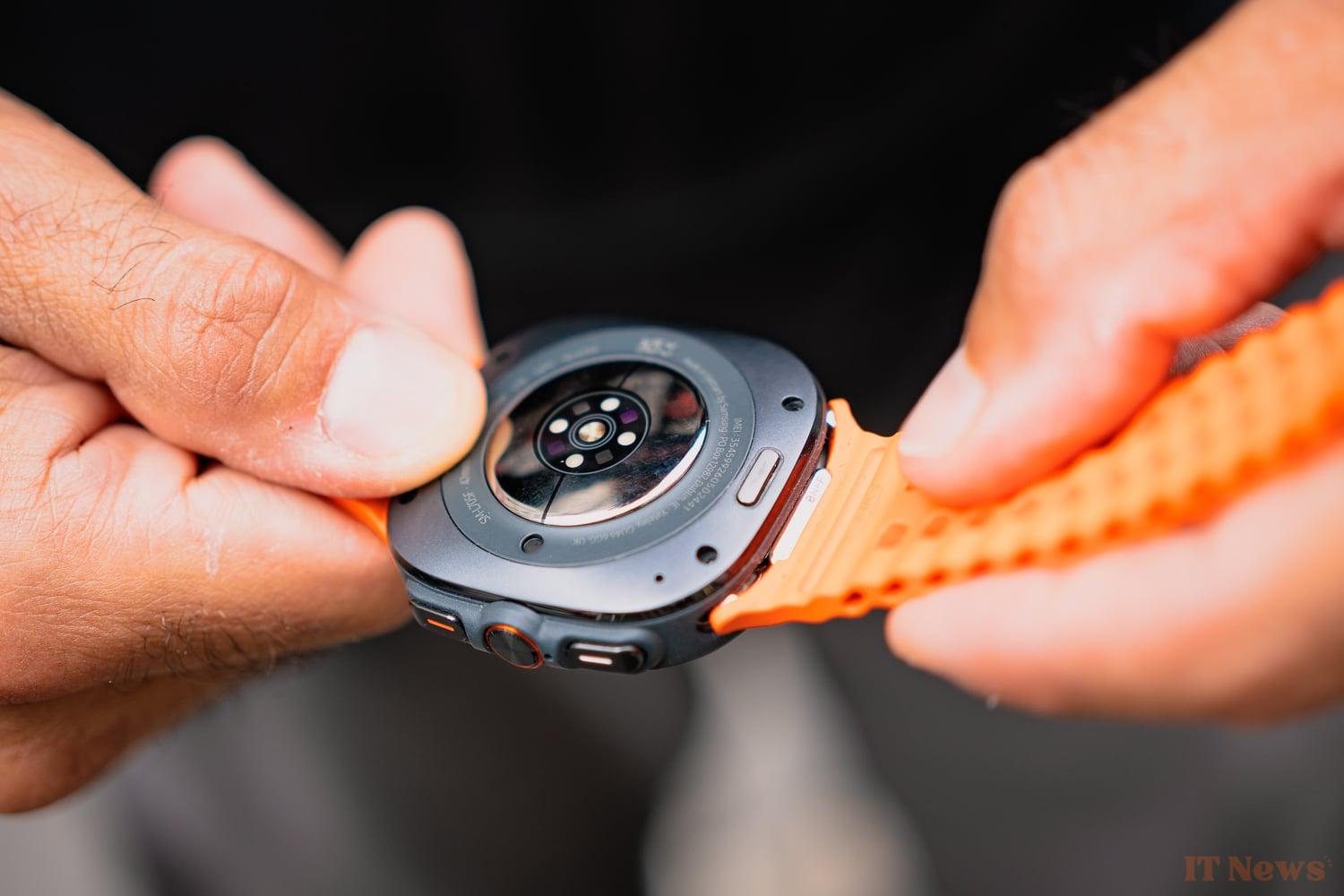
At Samsung, the watch range is now topped by a model that rivals the Apple Watch Ultra. It's called the Galaxy Watch Ultra, and like other watches, it struggles to offer a well-defined AMOLED screen that can stay on permanently without greatly reducing battery life. Note that solid batteries will also have the advantage of better resisting extreme temperatures, as well as offering increased safety, while the classic liquid electrolyte is generally flammable.
Source: Korea Herald


0 Comments