
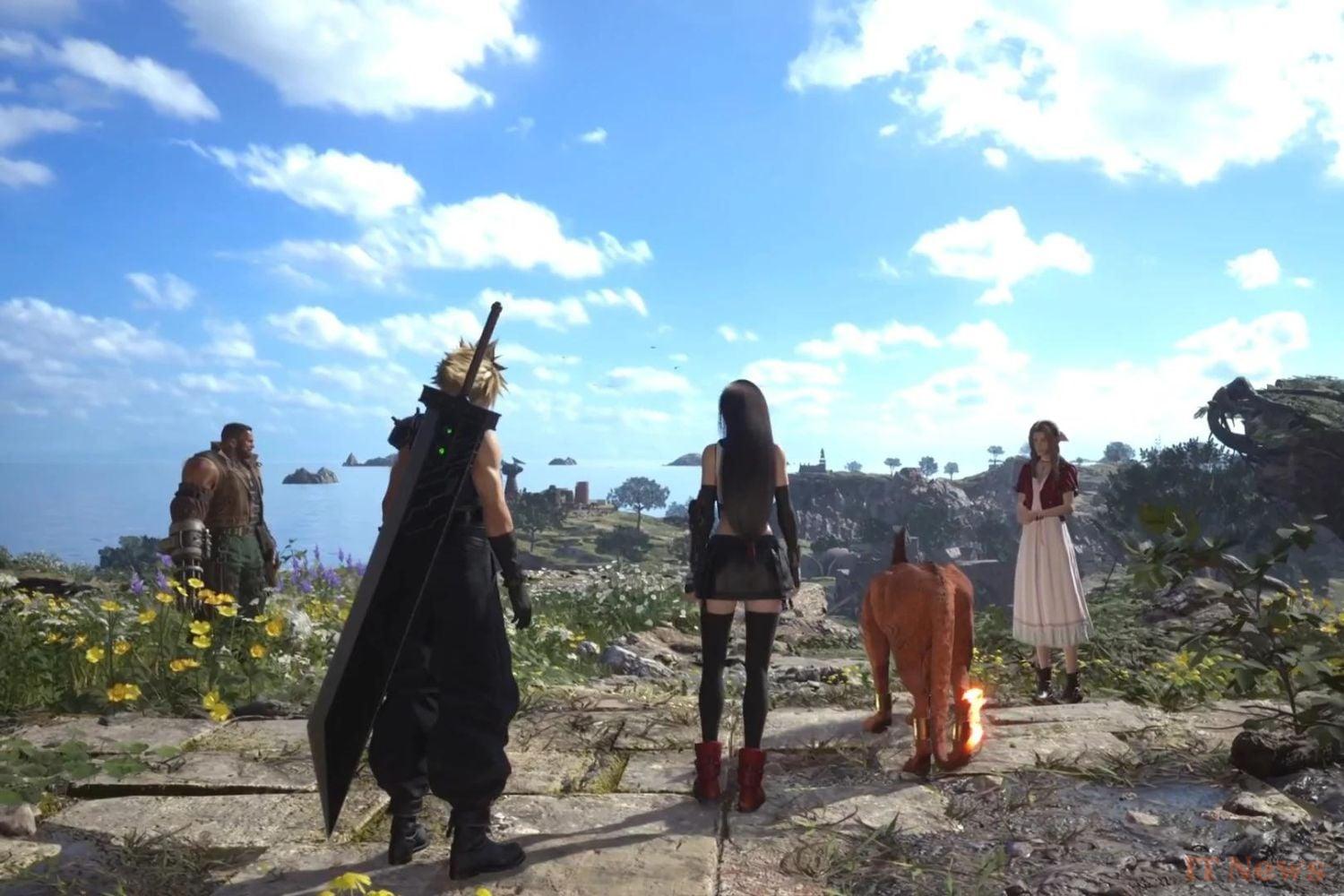
For a few years now, Square Enix has been tackling one of the most complex developments in its history: the revival of its most popular RPG. Final Fantasy VII enjoys a very special status among the many installments of the franchise. Debuting in 1997 on PlayStation, the title has been exported to a multitude of formats and spin-offs over the years. Games on portable consoles, mobile games and even a feature-length film in computer graphics: the adventure of Cloud and the Avalanche group is not limited to a simple epic. The Japanese studio regularly finds new ideas to expand this universe that players always enjoy discovering.
In 2015, Square Enix announced the development of an ambitious remake. By cutting the adventure into three distinct and massive parts on modern platforms, the developers finally gave themselves the ability to deliver the vision they have always had for this universe. Five years later, players rediscovered the beginnings of Final Fantasy VII in a Remake episode loaded with new features. After this high-flying introduction in the city of Midgar, the protagonists' journey now continues to the four corners of the planet in a sequel entitled Rebirth. Choosing the name “rebirth” for this second part is actually not insignificant.
A new beginning
With Final Fantasy VII Rebirth, Square Enix marks a new beginning in every sense of the word. While taking up the excellent foundations of the previous part, this second opus reinvents itself in multiple ways, both in terms of gameplay and lore. From the first sequences of the introduction, fans of the franchise will understand that Rebirth is a real rewrite aimed at expanding the universe and answering the many questions left unanswered by previous titles and spin-offs. Some side events become essential to the storyline of this new version, and this is when the release of the remaster of Crisis Core in 2022 makes perfect sense. A knowledge of Zack Fair's past therefore becomes particularly preferable to enjoy the subtleties of the story.

This choice to take a spin-off for granted is a risky bet that could destabilize newcomers. But just like the Remake opus, Rebirth pays particular attention to the presentation of sequences out of context. In order to avoid a real dependence on the lore, the references are presented in a way that satisfies fans and arouses the curiosity of beginners. Square Enix's efforts in this endeavor even give the possibility of starting with this second part without touching the previous one, with the help of a summary of the story offered in the main menu and numerous flashbacks during the adventure. This return to square one is also expressed in the way of approaching the title.
Despite its status as a direct sequel, this second part starts from scratch to get players into the swing of things. After four years of absence, it is appropriate to take even the most experienced by the hand. FFVII Rebirth is in the continuity of its predecessor but offers a fundamentally different adventure due to the new scale of the main quest. The more open dimension of the journey requires many adjustments and other new features to adapt this vast section of the original game. After having resumed the good gameplay habits established by Remake, players will enjoy discovering new mechanics that deepen the role-playing dimension of the title. The crafting and progression systems that we talked about in our preview have proven to be effective throughout the adventure. These elements make exploring the planet all the more satisfying as each corner discovered promises to lead to ever more power and lore.
Discovering the planet
After being confined to Midgar for over 30 hours of gameplay, players can finally breathe fresh air (and guaranteed to be free of Mako energy) in the vast expanses of Final Fantasy VII Rebirth. Setting up an open adventure after a linear first opus with a controlled story rhythm was going to be dangerous to say the least. But against all odds, Square Enix has managed to find the perfect balance between freedom and linearity. Far from the open and redundant world of Final Fantasy XV or the open areas buried by secondary activities of Final Fantasy XVI, the second part of FFVII offers a very balanced exploration experience.
Here, the world opens up as the chapters progress. Players can then take the time to discover the regions one by one and explore every nook and cranny if they feel like it. Each open area has several cities and a multitude of side activities. The reasonable size of the environments provides a broad sense of adventure, without drowning the player in meaningless areas or on the contrary loaded with boring missions. In addition to the main quest advancing the storyline, players will be able to enjoy two types of side missions in the different regions. As in the Remake opus, side quests will offer an additional dive into the lore by meeting other characters in need. For this episode Rebirth, the side quests are all the more important as they allow you to deepen your affinity with the characters in the group, a new statistic improving performance in combat and unlocking additional dialogues.
Added to this are Chadley's exploration reports. The android boy passionate about materia makes his big return and proves to be even more useful. This time, the combat research reports give way to missions to be carried out in the four corners of the regions. A tower system to activate - a great classic of modern open worlds that is enough to give players chills - is revisited here. These will not reveal the map, but will unlock new and varied activities to carry out. If these sequences of hunting, discovering specific places or tracking down treasures are all very classic, they all come with a particular interest, in addition to offering points to spend in Chadley's materia shop. If you're the type to dodge side content, we'll still recommend that you take an interest in hunting down proto-relics, which offer gameplay and an additional story that are worth the detour. The same goes for the Queen's Blood card mini-game, which also hides its own story. This clever mix of a linear story and freer content makes Final Fantasy VII Rebirth a new pillar of the franchise.
A defining episode
This second part once and for all affirms the tone of the remake trilogy: it's about a true rebirth. Although we find the main narrative framework of the original title in broad outline, Rebirth shines with its desire to rewrite and expand the universe. The developers had promised it and it's done, the scenario takes its liberties and is full of surprises to discover throughout the adventure. The journey of Cloud, Aerith, Tifa, Barret and the whole gang shines with a new brilliance and is even more compelling today. This modern reinterpretation of the great classic deepens the emotional impact of the story. With this episode, players will find themselves developing even stronger bonds with the protagonists. The power of a modern console finally allows for lively interactions between the heroes and a multitude of memorable scenes, amplifying the stakes of this quest.
Final Fantasy VII Rebirth manages to emulate a real sense of adventure, as if we were roaming the planet alongside the group. This feeling is made possible by many touches, such as the constant presence of the characters in exploration and combat, including those outside the squad of three, as well as the many multiple-choice conversations on which the player has a real impact. Our involvement in the smallest aspects of the title reaches a level rarely seen for an RPG, so much so that we will not forget this adventure anytime soon. However, Final Fantasy VII is not the only one to offer itself a renewal: it is indeed the entire franchise that could find itself changed by this opus.
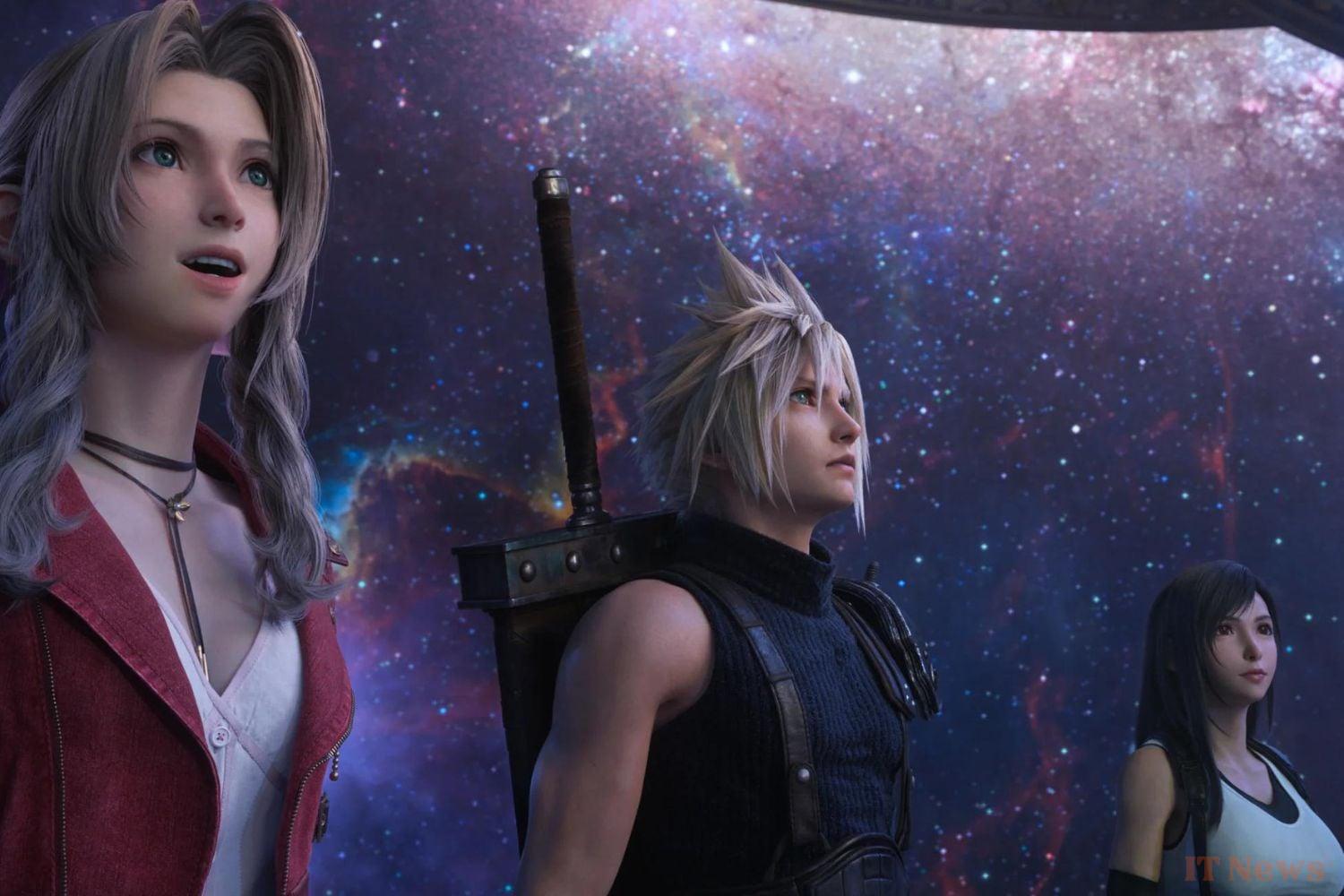
Rebirth offers the ideal model for an almost perfect modern Final Fantasy. By separating the adventure in three parts with their own specificities, Square Enix offers a complete experience with multiple facets. The studio has already tried this formula in the past but has just found the most effective recipe. After an introductory episode allowing us to (re)dive into the story gently, the second part immerses us in an exciting and emotionally charged world to better prepare for a grandiose climax. Once again, the wait for the next part promises to be tedious. But it is also this publication format that helps to strengthen the impact of the title. In addition to offering three times more space to develop the universe and its characters, each part stands out as a striking video game journey, forming an all the more memorable whole.
With FFVII Rebirth, Square is on the right track, but will have to make a few more adjustments to offer the ultimate JRPG in its final part. The madness of grandeur of this episode unfortunately involves some technical flaws that are sometimes difficult to pass. The expansion of the world is not proportional to the jump in power between PS4 and PS5, so some environments lose clarity and the facial animations of the characters are sometimes less realistic than before. And let's not forget the return of the famous lighting problems of the first opus! If we miss the flawless by a hair's breadth, the perfection of the rest of the experience would almost make us forget these few graphic blunders.


0 Comments