
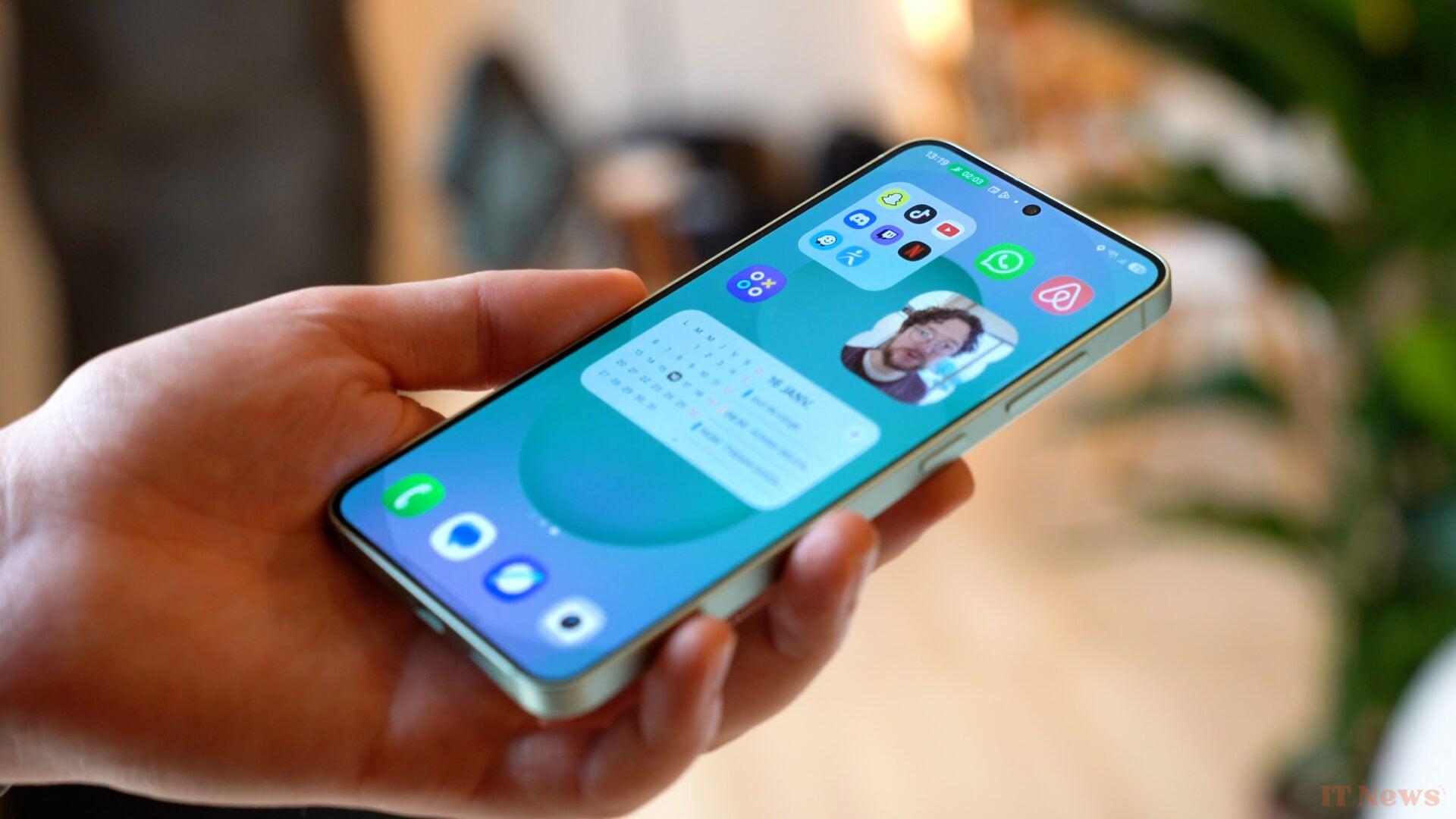
Our article on getting started with the latest Galaxy S25 is 378 words long. The one on One UI 7, the new interface for Samsung smartphones, is 980 words long, almost three times as long. This simple comparison speaks volumes.
Of course, we would have liked to devote more words to the latest smartphones, but we have to face the facts: the new hardware features are very thin this year and the bulk of the new features are less in the hardware than in the software.
Which brings us to this observation: new smartphones are almost no longer sold for their own new features, but as supports for software features. If tomorrow you go to the store to buy the Galaxy S25, it will not be for its new telephoto lens (it doesn't have one), nor for its increased charging speed (which isn't), but rather with a view to taking advantage of the Korean's latest features. But why did we get to this point? Let's recap.
The Galaxy S25s are uninspired and One UI 7 takes up all the space
For the Galaxy S25 Ultra, the brand's flagship, we have a few notable additions. A new photo module, the ultra-wide-angle, which benefits from a 50 Mpx sensor, a new protective glass, a rounded design, and that's about it. The Galaxy S25 and S25 Plus go even further, displaying a technical sheet almost identical to last year. Of course, all three phones benefit from the annual chip renewal, moving to a Snapdragon 8 Elite. All three also lose a bit of thickness for added comfort. But as it stands, on the hardware, nothing really justifies these new versions.
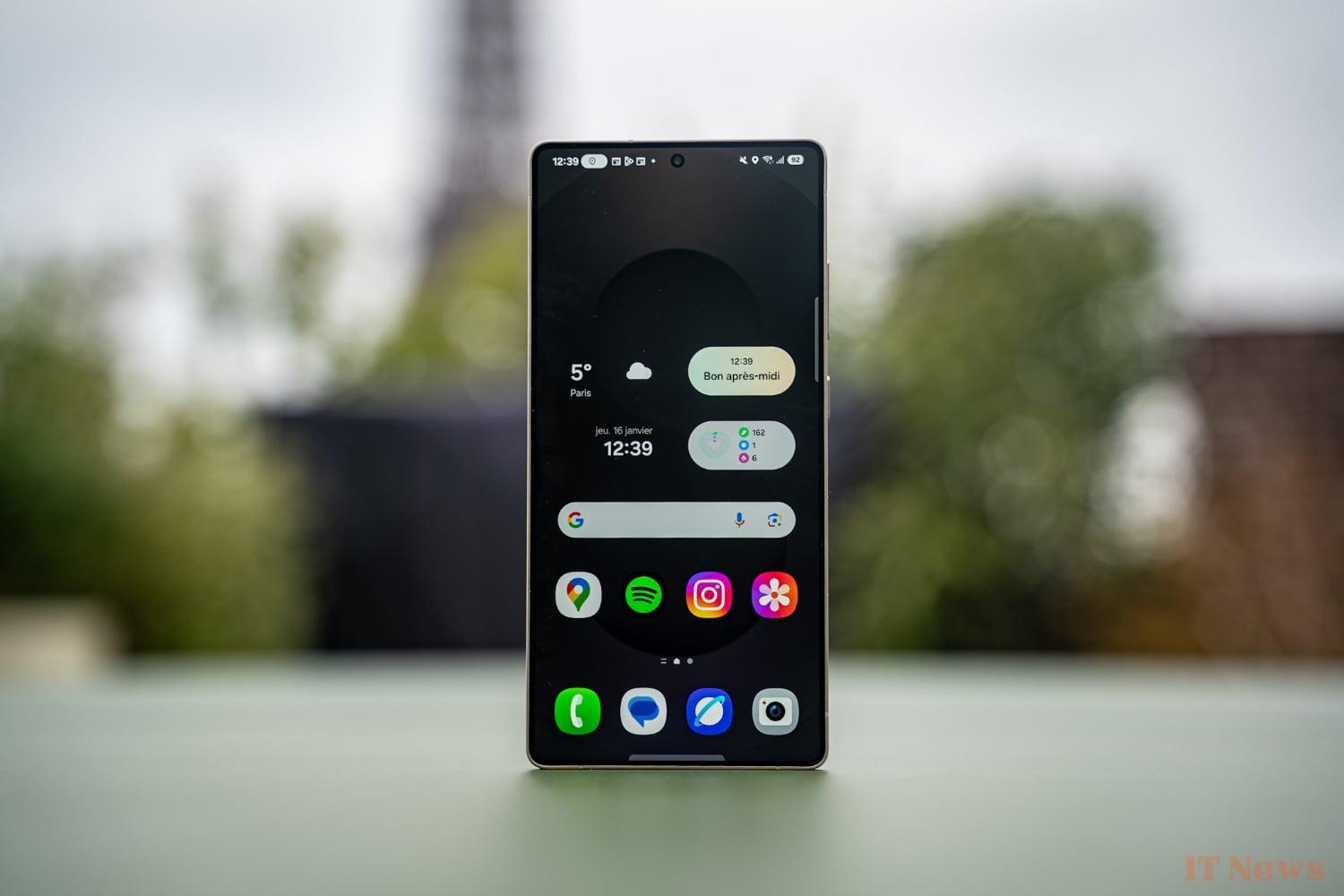
Conversely, the manufacturer's interface, One UI 7, benefits from a complete makeover, a host of new features more or less focused on AI (Now Bar, Now Brief, Gemini now managing several applications, etc.). The interface has even changed its schedule to gain a few more months of development. Usually released between August and October, in the wake of the deployment of Google's new version of Android, One UI 7 will wait until early February to be available this time.
Apple Intelligence and Galaxy AI, two solutions, one observation
A delay in getting started, which is not without recalling a certain iOS 18, which deployed its major features over the course of the iOS 18.1, 18.2 and 18.3 updates. Among these features that arrived a little late, we have in particular the famous Apple Intelligence (planned for April in Europe), named after this set of functions boosted by AI, reserved for the most recent iPhones equipped with a sufficiently powerful specialized chip (NPU).
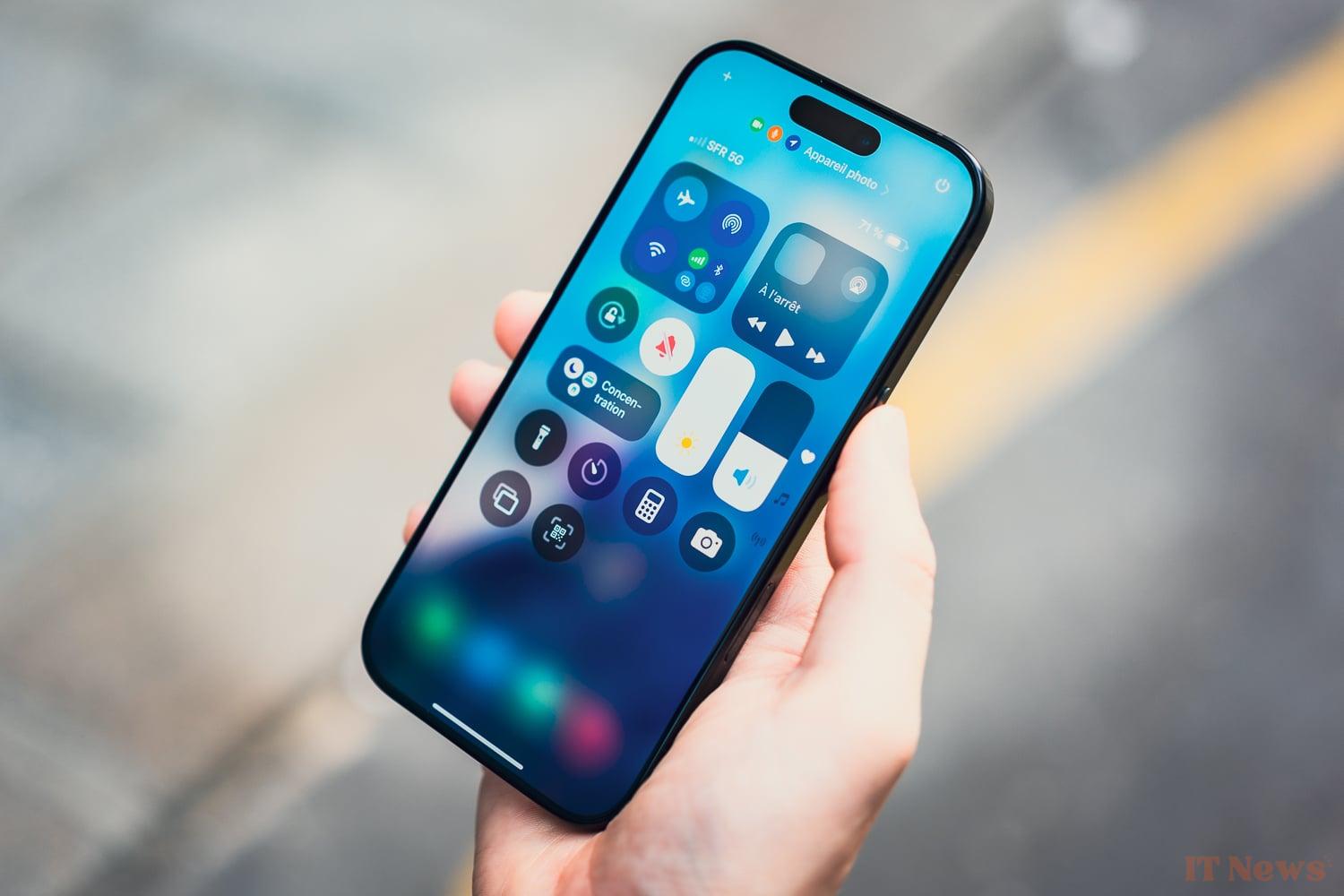
As a result of this delay, at the time of launch, we saw Apple sell its iPhone 16, also singled out for a lack of hardware innovations apart from a vague camera button, on the basis of a promise. A strong promise entirely based on future software innovations. Here again, hardware has faded in favor of software.
If we focus here on Apple and Samsung, the two spearheads of the telephone industry, we could make the same observation on almost all the smartphone brands on the market. The Honor Magic 7 Pro has been singled out for a strong resemblance to the Magic 6 Pro, the OnePlus 13 is very close to the OnePlus 12, the Xiaomi 14T Pro suffers from the same comparison. And let's not even talk about the latest iPad mini 7 to open the subject to tablets, which doesn't even make the effort to equip itself with a new screen.
A technological glass ceiling
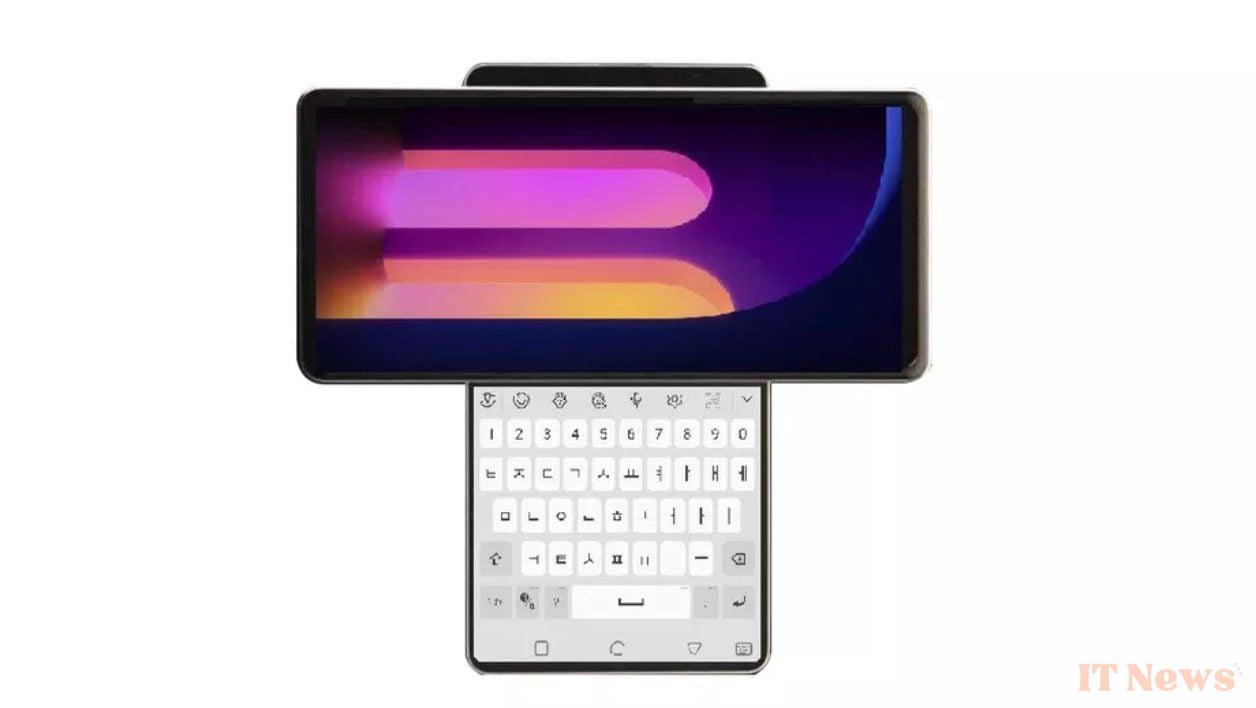
The time when brands like LG could afford to go crazy with smartphones with two screens is long gone. Even folding smartphones have finally fallen into line with two well-established formats, the book format and the clamshell format.
All manufacturers give the impression of having reached a technological glass ceiling, which probably forces them to bet everything on generative AI, which still has that little veneer of novelty going for it.
This glass ceiling can be explained by two very simple facts: the market has calmed down and concentrated considerably. There are only a few major players left: Samsung, the OPlus group, Honor, Apple, Xiaomi, Motorola, and for the rest of the world, let's mention Huawei, Vivo and Transsion. At the same time, the speed at which chips are progressing has also slowed down considerably. The market is struggling to move from 5 nm (introduced in 2020) to 3 nm, the first chips of which on smartphones appeared in 2024.
Taking advantage of the longer update duration
Another aspect to take into account is that manufacturers now all offer longer update durations, ranging from 4 to 7 years. A European regulation will also require them to guarantee at least five years of updates. There is no doubt, therefore, that the question of software is taking an increasingly important place. According to the manufacturers we talk to all year, this cavalcade towards an ever-longer update duration has a real cost. So, we might as well capitalize on it.
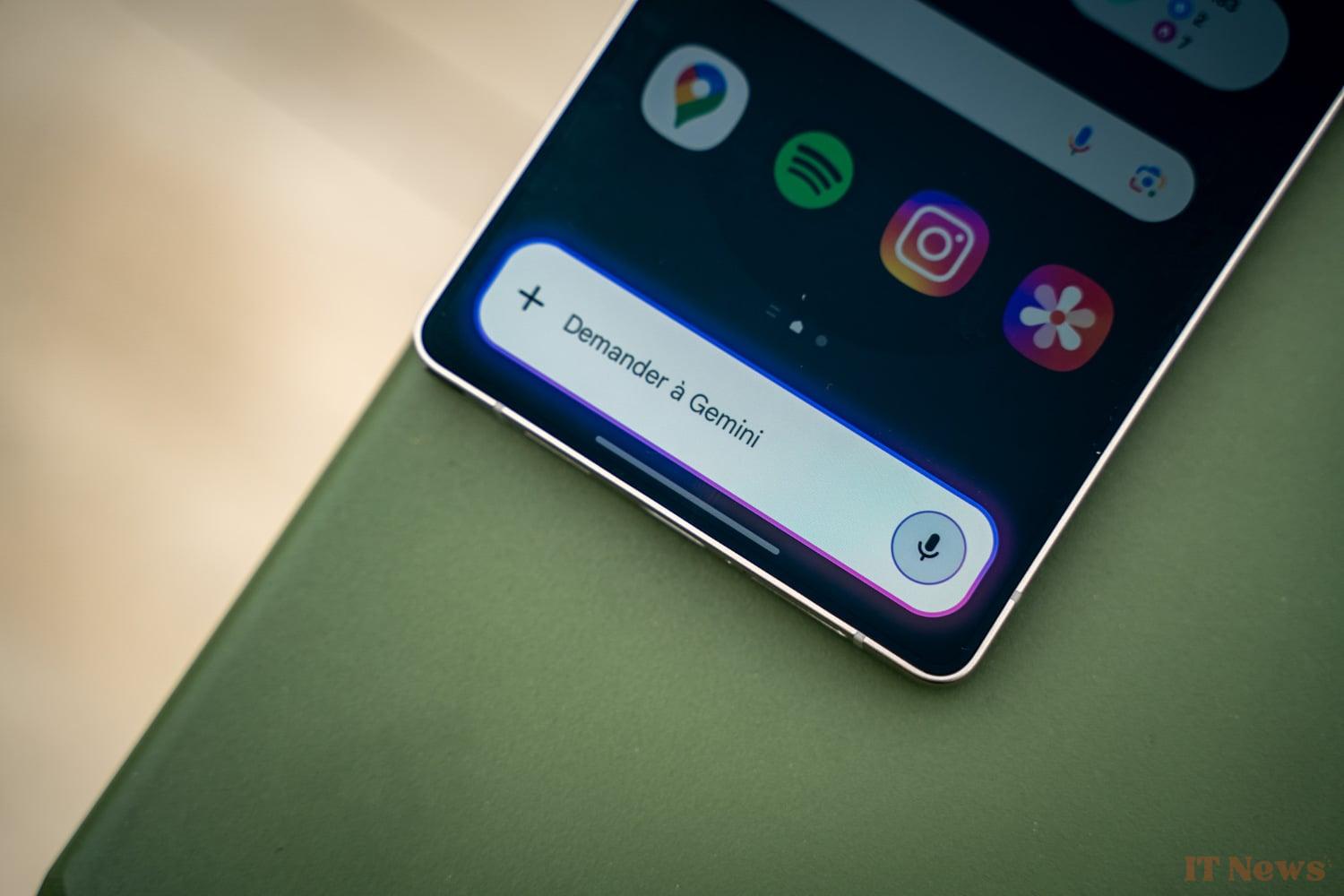
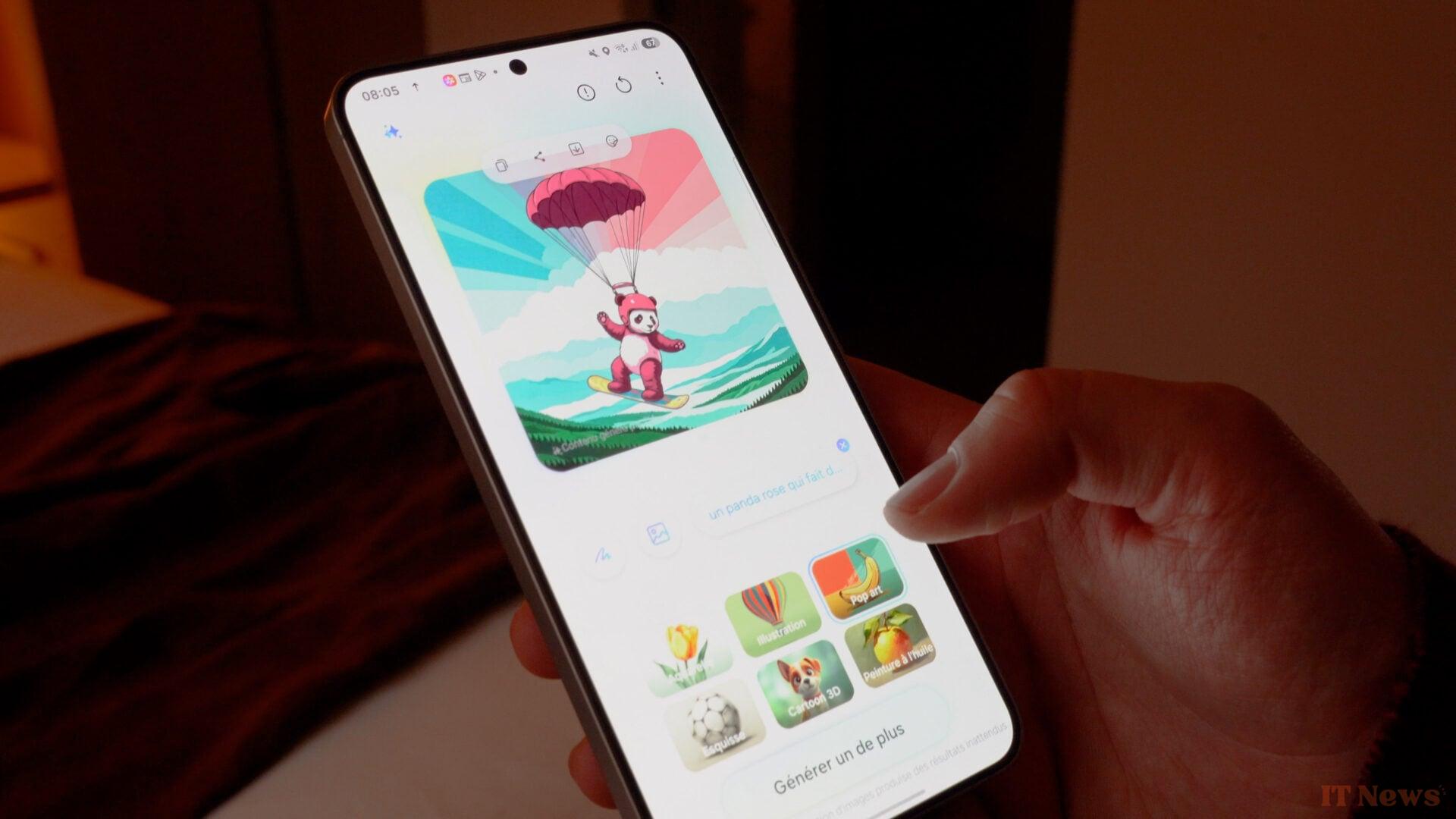
Last year, Samsung had already found a way to hide the lack of new hardware features in its Galaxy S24, by giving its new features a name, Galaxy AI. But since the trick only works once, the manufacturer is now required to simply improve what already exists.
AI cannot remain free
While Galaxy AI is free for now, this could well change by 2026. Samsung has reconfirmed its official statement on the subject: Galaxy AI is free until December 31, 2025. It is of course not out of the question that the Korean company will consider extending this period, but in the long term, the question of paid features will eventually arise. Because AI, whether on-device or in the cloud, is far from free for manufacturers. Here too, we will have to end up capitalizing.
The other unknown, beyond the cost, is that of exclusive features. Apple or Google are often singled out on this subject. The two giants have repeatedly released new functions (such as the iPhone's action mode for example, or Google's Video Boost), which do not a priori require extravagant power to operate. However, these functions are still exclusive to the latest models.
The lack of transparency does not help
The Galaxy S25 falls into the same pattern. Samsung has not communicated a clear timetable for the deployment of the new features of One UI 7 and is playing on an ambiguity. Will all the features make the trip to the older models?
If the only argument that justifies buying a new model is the lack of information maintained by the manufacturer on the availability of new software, we will eventually have to ask ourselves the question of the relevance of the annual renewal. Because at the start of 2025, Samsung's new smartphones have never looked so much like a simple subscription for 4 to 7 years, of which the hardware would be only a simple support. A very beautiful support, well finished, which takes beautiful photos, etc. But perfectly boring and similar to that of last year.


0 Comments