
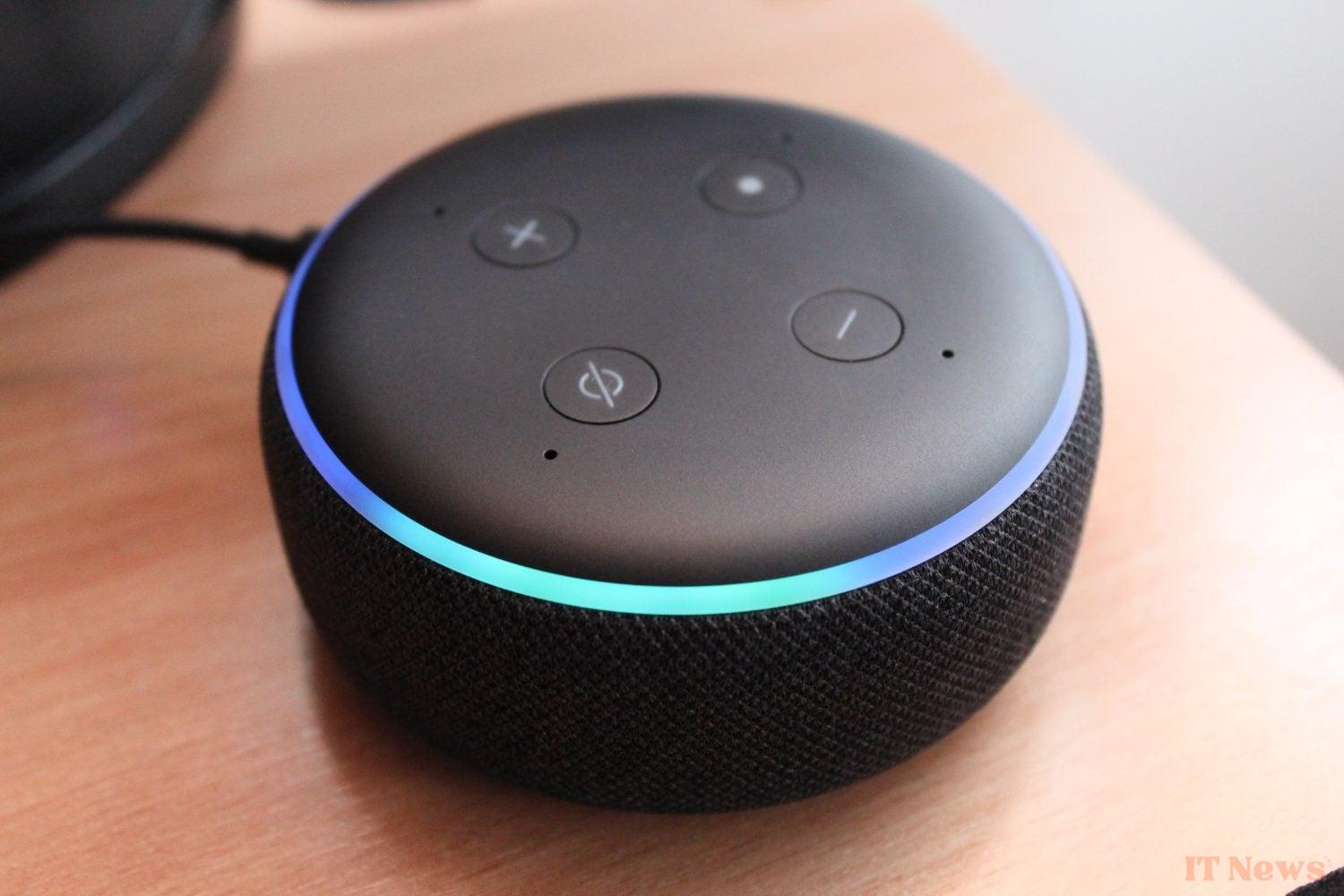
Alexa 2.0, or “Alexa Remarkable,” is still not available. This new version of the assistant, which Amazon has been working on for years, was supposed to be launched last October, but it has been postponed until this year. Will it really be possible? Judging from statements to the Financial Times by Rohit Prasad, who oversees the team responsible for generative artificial intelligence (AGI) at Amazon, everything suggests that there is still a lot of work to do.
Alexa is struggling
This new assistant must first of all provide answers quickly, which is not an easy task: Alexa will in fact draw data and information from a multitude of third-party services. “Sometimes we underestimate the number of services integrated into Alexa, and it is a huge number,” Rohit Prasad reminds us. “These applications receive billions of requests per week, so when you’re trying to ensure reliable and fast actions… you have to be able to do it in a very cost-effective way.”
One of the problems that has been rumoured in recent months is precisely that Alexa 2.0 was sometimes too slow to give answers. But that’s not all: these answers also have to be reliable, which is not easy with generative AI.
Amazon is therefore looking to reduce as much as possible the hallucinations that sometimes cause Alexa to give incorrect or outright fabricated answers. An anonymous former executive of the AGI team explains to the FT that “at the scale at which Amazon operates, [these hallucinations could] happen a lot of times a day.”
It’s also important that the new Alexa be able to do the same things that the old Alexa did! Turning on smart bulbs, creating timers, setting appointments for the day... Combining Alexa's old algorithms, based on predefined rules, with new generative AI models like Amazon's Nova or Anthropic's Claude, is a real headache.
The AGI team is also paying a technical debt from Alexa's historical technical infrastructure: the code is rigid and difficult to update. Internal organizational problems don't help either. Finally, the question of the economic model still arises. Alexa doesn't bring in a penny for Amazon, which imagined that users would do their shopping with Alexa.
There is the subscription solution - we're talking about $5 to $10 per month - but customers still have to be convinced to subscribe to such a plan. With Alexa responding slowly and off the mark, it’s still not a given.
Source: Financial Times


0 Comments