
Update 01/30:
The Samsung Galaxy S25 Ultra has been in our hands for several days. Here is our full review of the smartphone.
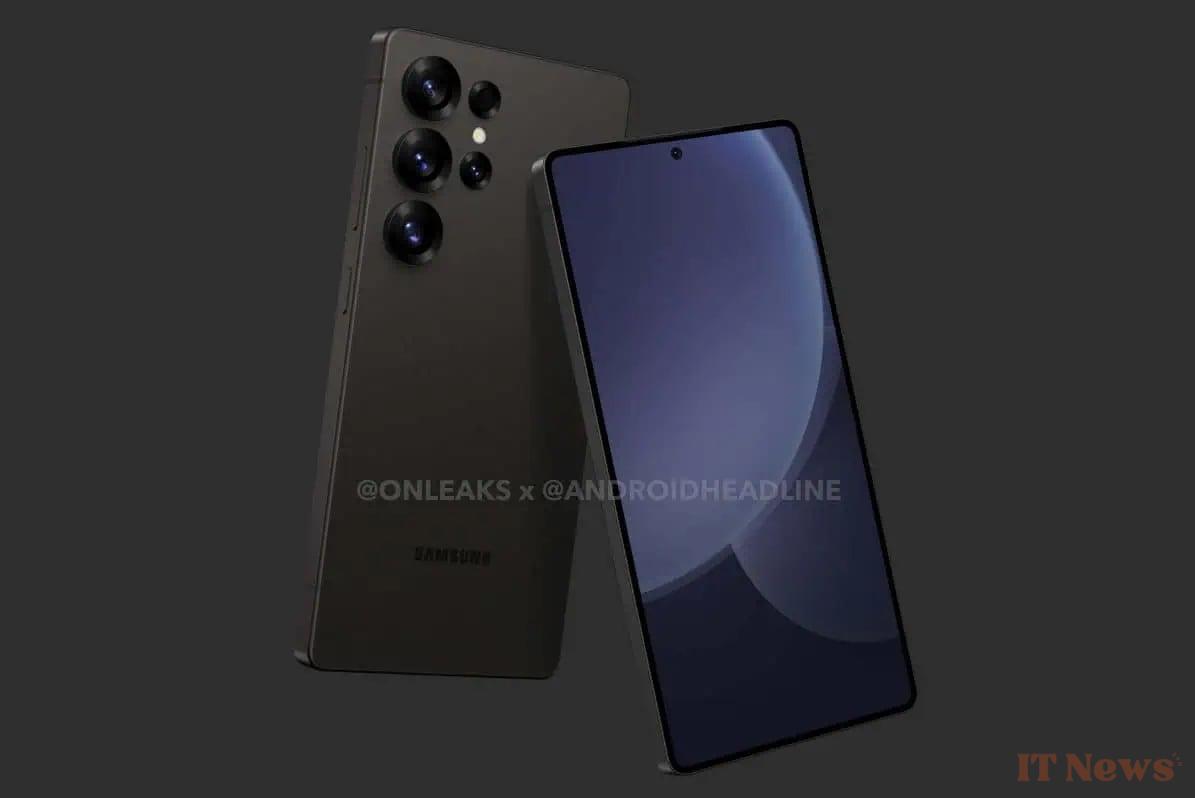
As the Galaxy S25 Ultra prepares to emerge from the woodwork, during Samsung's first Galaxy Unpacked of 2025 this Wednesday, January 22, information already details an important element of the future Galaxy S26 Ultra, scheduled for early 2026.
This comes from the leaker Digital Chat Station, operating on Weibo, and whose reliability is no longer in doubt. He claims that Samsung is "evaluating a solution based on a periscope telephoto lens with a 200-megapixel sensor and a 1/1.5-inch type".
What does this mean in concrete terms?
In plain language, these technical terms mean that Samsung would like to go all out on its telephoto lens in future models, probably starting with the Galaxy S26 Ultra. Currently, its Galaxy S24 Ultra has a telephoto lens with a 50-megapixel sensor and a size of 1/2.52-inch type. Rumor has it that the Galaxy S25 Ultra will follow this technical sheet, without much change.
A greater zoom factor
However, if Digital Chat Station is correct, the telephoto lens of the S26 Ultra would therefore be a major development. The two points mentioned could increase its capabilities tenfold. To begin with, the number of megapixels, multiplied by four, would have the main advantage of allowing a so-called "lossless" digital zoom much further than the current X10.
The current telephoto lens (and probably that of the S25 Ultra) has a focal length of 111 mm, which gives it a zoom factor equivalent to X5. By zooming up to X10, thus multiplying this factor by two, we obtain a 12-megapixel photo, called lossless. Tomorrow, with a 200-megapixel sensor, we can imagine, at a minimum, a zoom up to x20 without loss.
More light captured
As for the size of the sensor, the famous 1/1.5 inch, again, this could prove useful in many ways. As a reminder, the smaller the number to the right of the slash, the closer the sensor is to 1 inch, therefore the larger it is. Now a larger sensor means more light captured. This not only gives brighter shots in low light, but also an increased capture speed, less unwanted blur too, since it takes less time for the camera to capture a given amount of light.
In addition, a larger sensor size allows for larger subpixels as well. This is useful when you multiply them. For example, by going from 50 megapixels to 200 megapixels, the subpixels will be four times smaller, which can lead to poorer performance in low light. By increasing the size of the sensor, Samsung would probably want to protect itself from this inconvenience.
The integration of ALoP?
Recently, the Korean firm had communicated on a new telephoto integration technology, called ALoP. The idea is to place all the lenses vertically, rather than lengthwise, which gives the technology its name "All Lenses on Prism".
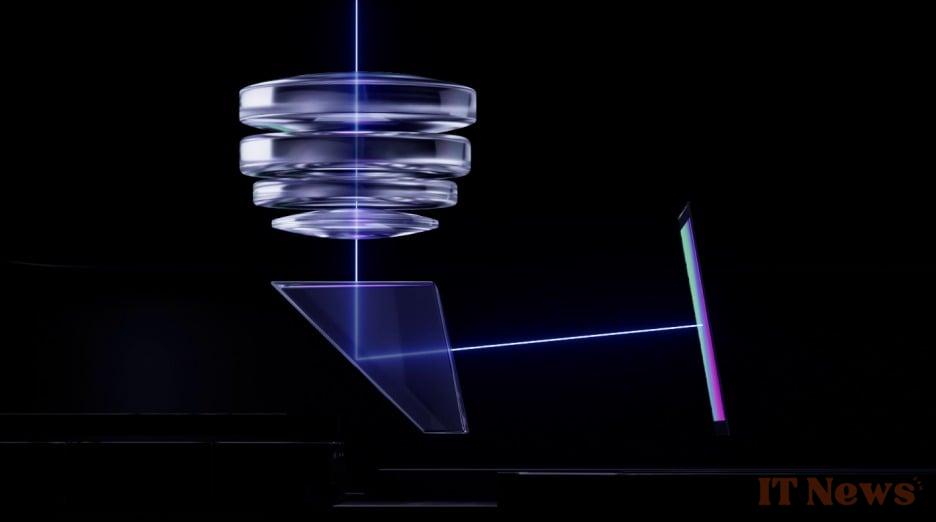
According to the Korean company's engineers, this allows them to obtain a wider aperture, but also to reduce the size of the module. So we can imagine that this space saved would allow the integration of a larger sensor? This remains to be proven, but it is an interesting lead.
Should we wait for the Samsung Galaxy S26 Ultra?
Should we wait for the Galaxy S26 Ultra and pass on it this year? It all depends on your situation. If your current smartphone can wait another year, we will always write that the best thing to do is to wait.
Whether the rumor about a future technology is true or not, you have nothing to lose by waiting, especially given the huge discount on some devices. The Galaxy S24 Ultra, for example, released at a price of 1469 euros, costs 909 euros today on Amazon.


0 Comments