
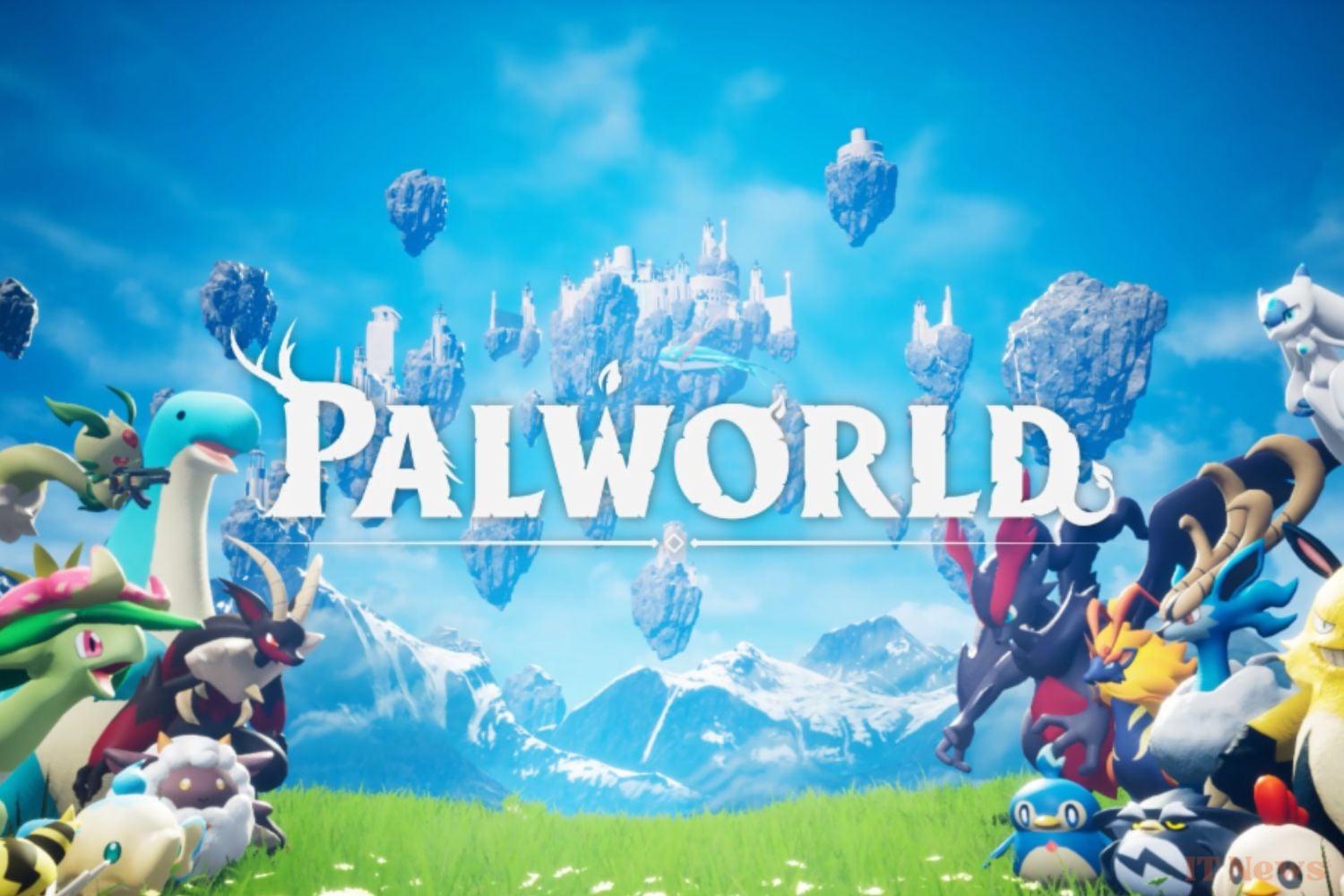
Since Friday, January 19, Gamefreak's little pocket monsters have been dethroned by new critters straight from Japan. Three years after an initial announcement trailer that did not fail to get people talking, Palworld is finally coming to PC and Xbox and is enjoying a success worthy of its hype. In just a few days, the title from the Japanese studio Pocketpair has sold more than 6 million copies. This real feat - especially for an early access title, let's remember - is also accompanied by the third biggest spike in players in the history of Steam.
Inevitably, these astonishing statistics have not gone unnoticed by gamers and industry players. How can we justify such enthusiasm for the draft of a title that is freely and heavily inspired by the success of other licenses? The Pocketpair studio marks a turning point that could well affect the video game industry for years to come. Between a condensed version of fun and accusations of plagiarism, here is what we should remember about the launch and the future of Palworld.
A direct response to players' expectations
If Pocketpair's sandbox game sold so well over the course of a weekend, it is simply because it is really fun. It is difficult for Palworld to do otherwise by drawing its gameplay from its most popular competitors. A solid Pokémon-style base, embellished with a Ark: Survival Evolved-style skeleton and an artistic direction that is reminiscent of Breath of the Wild and Genshin Impact. These are the ingredients of the recipe boosted by Palworld's good ideas. If the individuality of the title is widely questioned, the community of players agrees that this is a beautiful nugget in the making. Far from being perfect, the gaming experience remains largely mastered for a first version in early access. With the right support from its studio, Palworld is on its way to establishing itself as a must-have.
While the Pokémon recipe is struggling to renew itself or offer technical performances worthy of the name, Palworld is making players' dreams come true. This open-world adventure offers vast options for interacting with creatures, reinforcing the hunting and collection aspect of the usual "monster-catchers" in the process. The types of Pals allow you to use the elements to your advantage in the survival phases. Feeding a fire, watering crops or even crafting objects becomes child's play with the help of monsters. This "mega-game" is a chimera that the studio fully assumes. Via their official Discord server, the developers reveal that they have forged the smallest aspects of the title with the expectations of the players in mind. The decision to provide Pals with guns and other firearms was intended to convince American players, for fear that “the game wouldn’t be successful otherwise” because “Americans like to shoot anything that moves.”
However, the big mess that is Palworld is far from unanimous among players and developers. For some, the dazzling success of this compendium of existing concepts jeopardizes the creative future of the video game industry.
Millions of sales for a game developed by AI?
As the rise of AI continues to affect the various entertainment industries, the launch of Palworld quickly became a source of debate. It took only a few hours for the first Tweets and other press articles revealing the similarities between Pals’ designs and Pokémon to appear. To claim that the creatures “imagined” by Pocketpair are entirely original would be dishonest. Some of the similarities are striking, to say the least. After many generations of Pokémon, Digimon, Yokai and other monsters from similar games, inspiration becomes almost inevitable. But that hasn’t stopped titles like Tem Tem and Cassette Beasts from moving far enough away from these big licenses.
With Palworld, the line between inspiration and plagiarism is rather complex. Mixing the gameplay and design of many titles undeniably generates a unique experience, but can it be considered unique to the Pocketpair studio? After the development and abandonment of Craftopia, a strange clone of Breath of the Wild, the Japanese studio is far from enjoying a good reputation. Following numerous comments from the company's CEO regarding AI and NFT, Palworld's detractors have come to question the use of artificial intelligence in the development of the title. For now, the studio denies having used this tool and the title's journey seems to confirm this theory. The mass use of AI is still a very recent concept, while the first trailer for Palworld dates back almost three years now. Most of the development took place before the technology became mainstream, and many Pals had already been revealed.
Even without AI, however, the free and assumed inspiration of competing concepts does not bode well for the future of the industry. The title’s success and player support could motivate other studios to abandon all creative processes in favor of creating merged versions of the most popular titles. In the absence of more regulation, the mass consumption of such productions could lead to a metamorphosis of the video game industry, where games would be reduced to trends, exhausted as quickly as on TikTok. And if the rise of service games has proven one thing, it’s that this change can happen faster than players expect.


0 Comments