
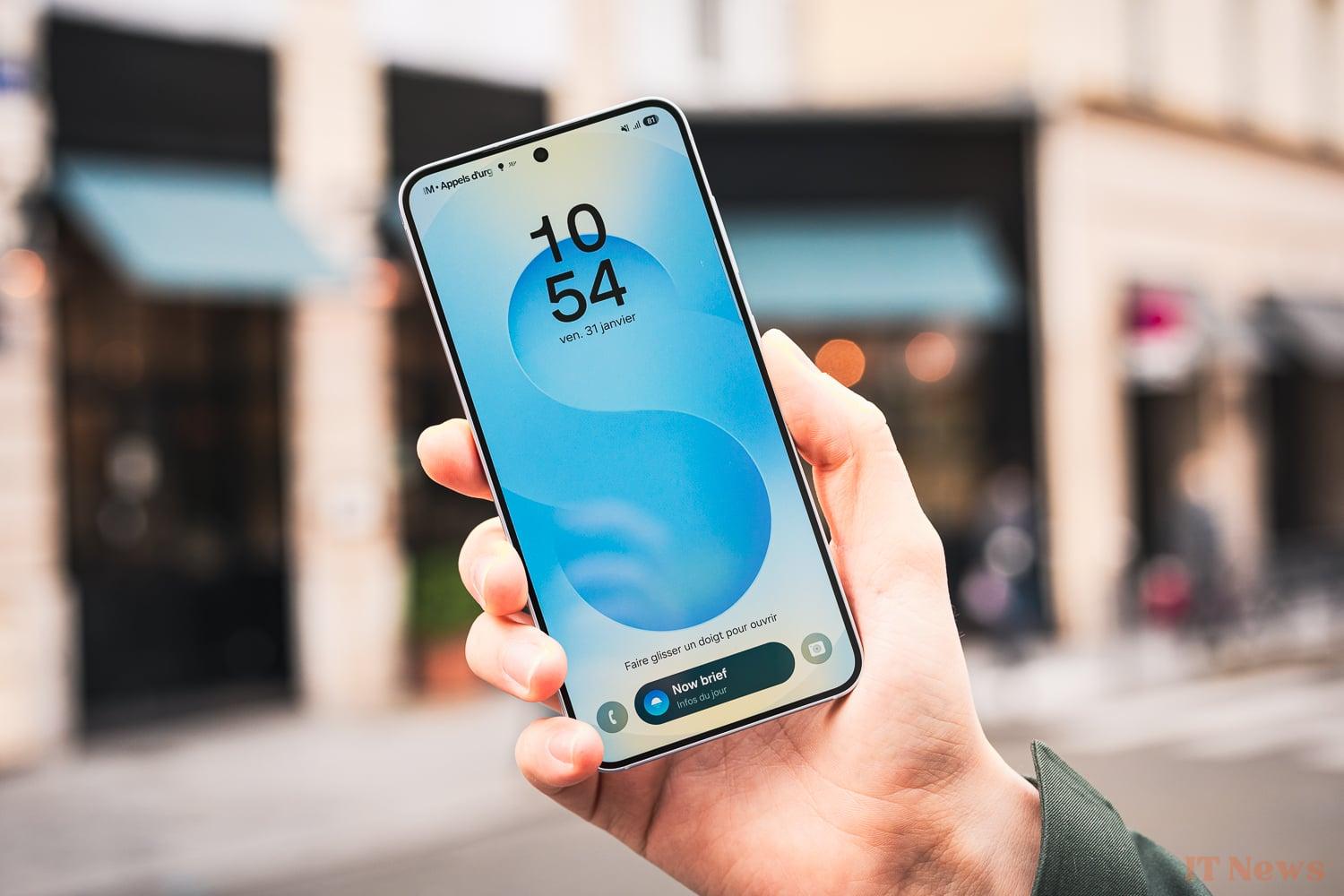
2025 is here, and with it, as every year, the new generation of high-end smartphones from Samsung, composed of the trio Samsung Galaxy S25 Ultra, Samsung Galaxy S25+ and Samsung Galaxy S25. It is the latter, the smallest and most affordable of the family, that this test focuses on.
Criticism has already been made regarding the few hardware developments made to the 2025 versions compared to the models in the Galaxy S24 range. The fact remains that such devices still deserve a complete overview of their hardware and, especially this year, their software. It would also be unfair to forget the presence of Qualcomm's Snapdragon 8 Elite SoC at the heart of this solution, which seems primarily designed to refine a Samsung Galaxy S24 that was already running very well.
Price and availability of the Samsung Galaxy S25
The Samsung Galaxy S25 is available from €899 to €1079 depending on the storage space chosen (128, 256 or 512 GB), in Absolute Black, Gray, Light Blue, Midnight Blue, Water Green, Coral and Rose Gold. It therefore positions itself in particular against the Pixel 9, the OnePlus 13R or the iPhone 16.
Interface: One UI 7 régale
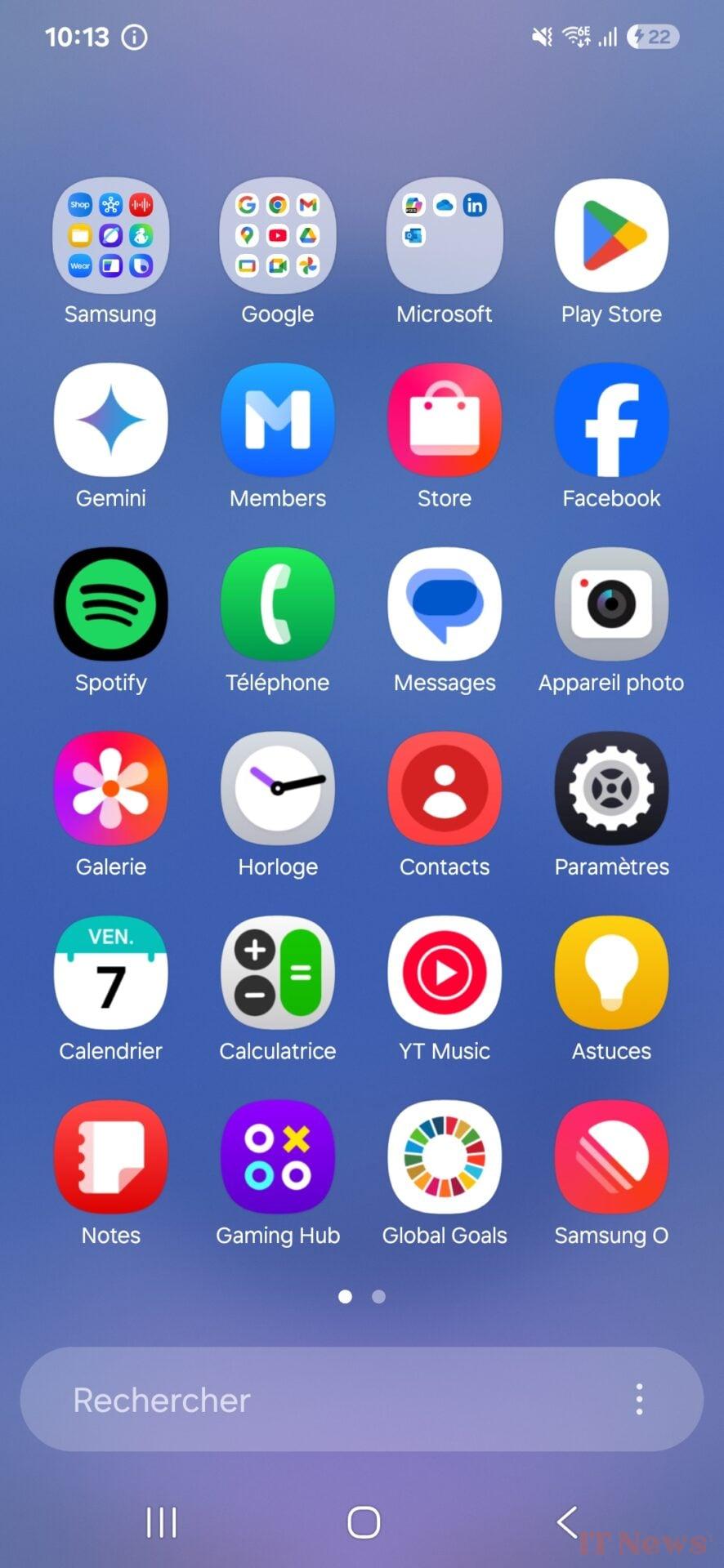
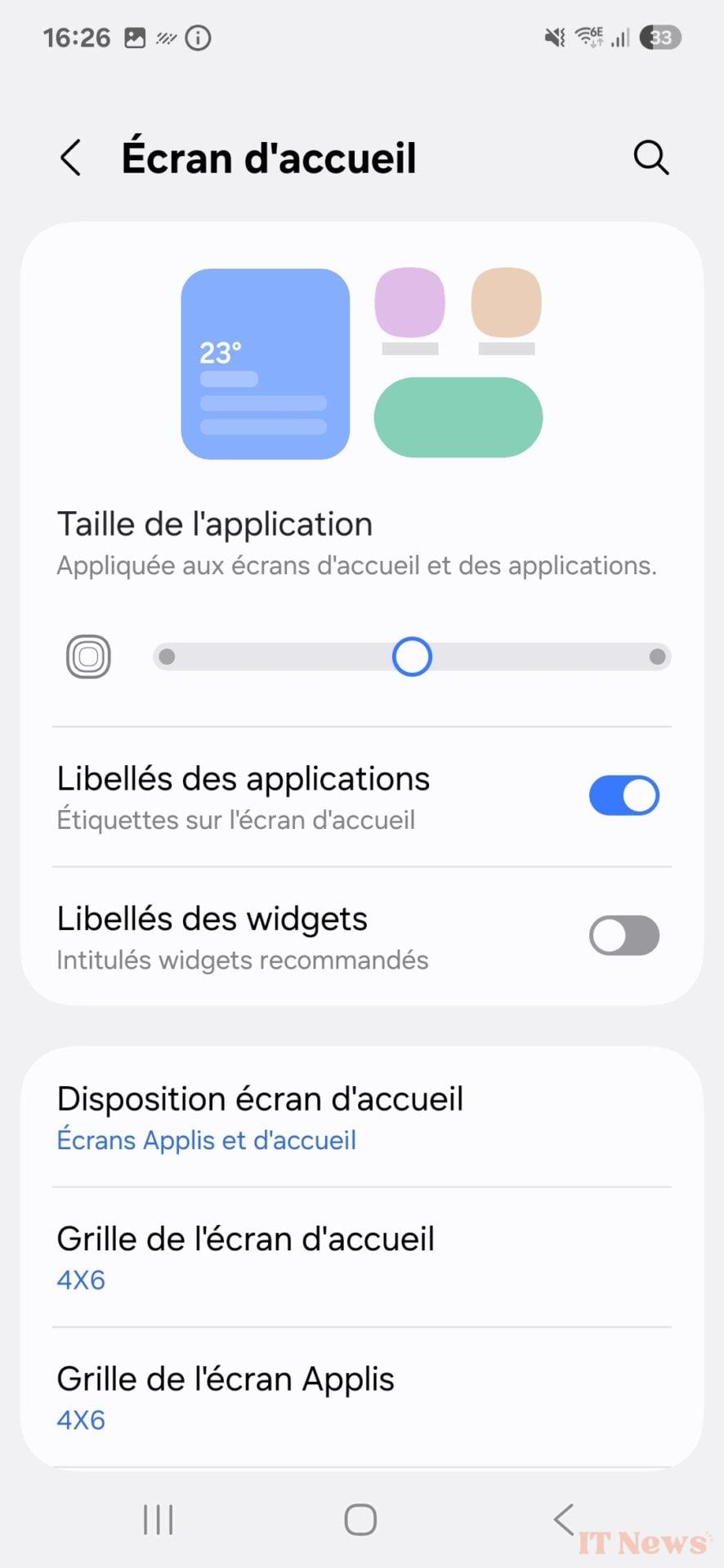
Let's start once is not customary by taking a look at the software aspect of this Samsung Galaxy S25. Or at least in part, because the least we can say is that Samsung has not gone there with the back of the dead hand with OneUI 7 (based on Android 15). In its new version, the manufacturer's overlay manages to brilliantly combine generosity, fluidity and clarity. As for basic functions, such as the vertical application drawer or the control center, everything is in its place and can be adjusted as desired.
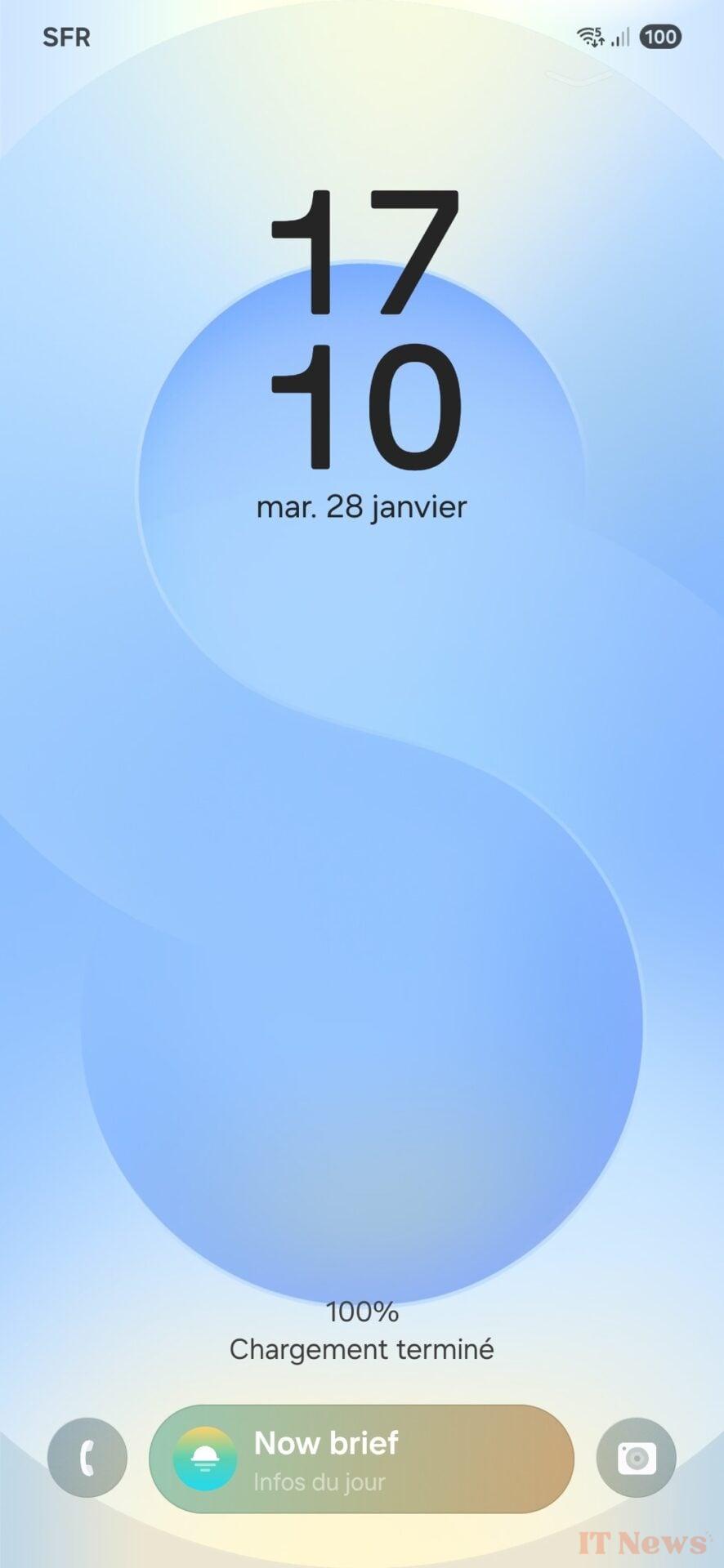
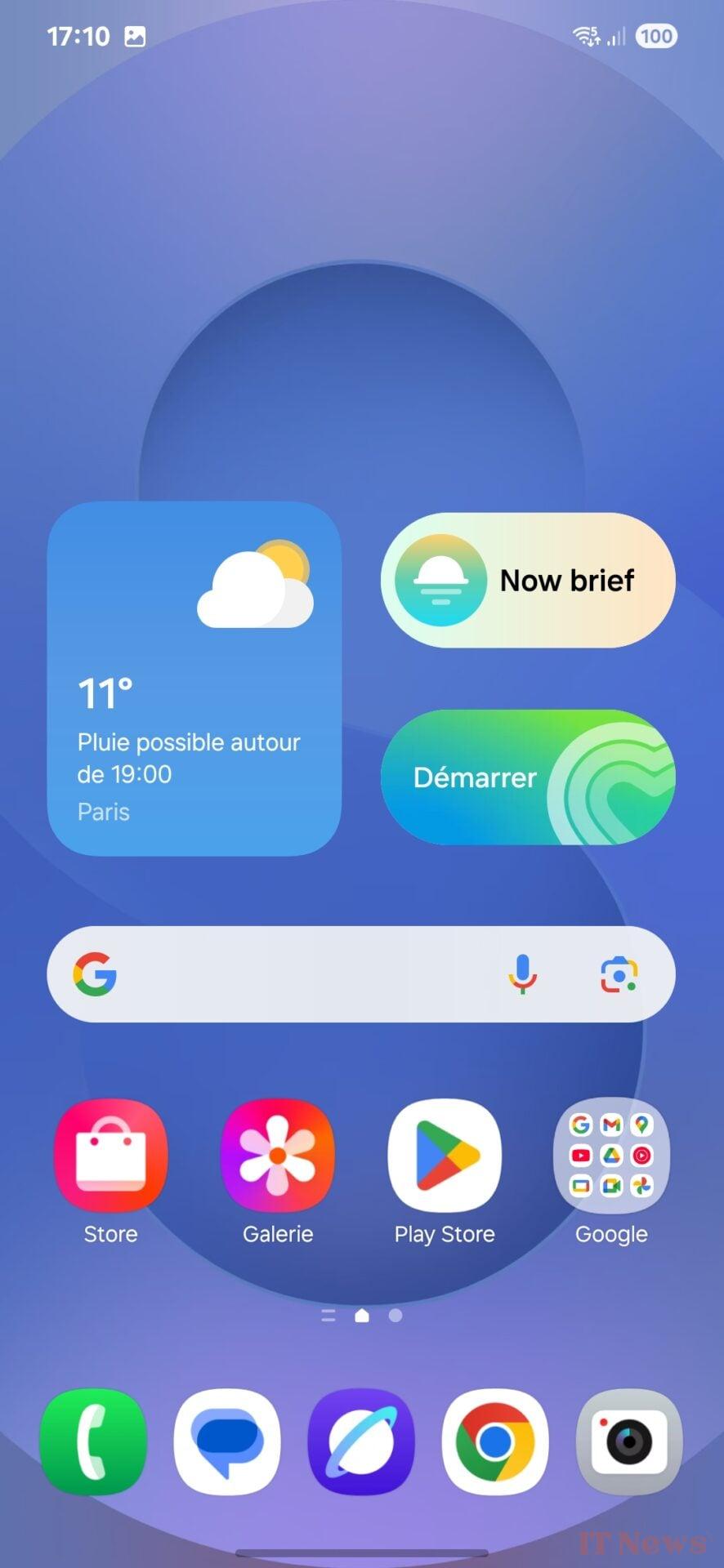
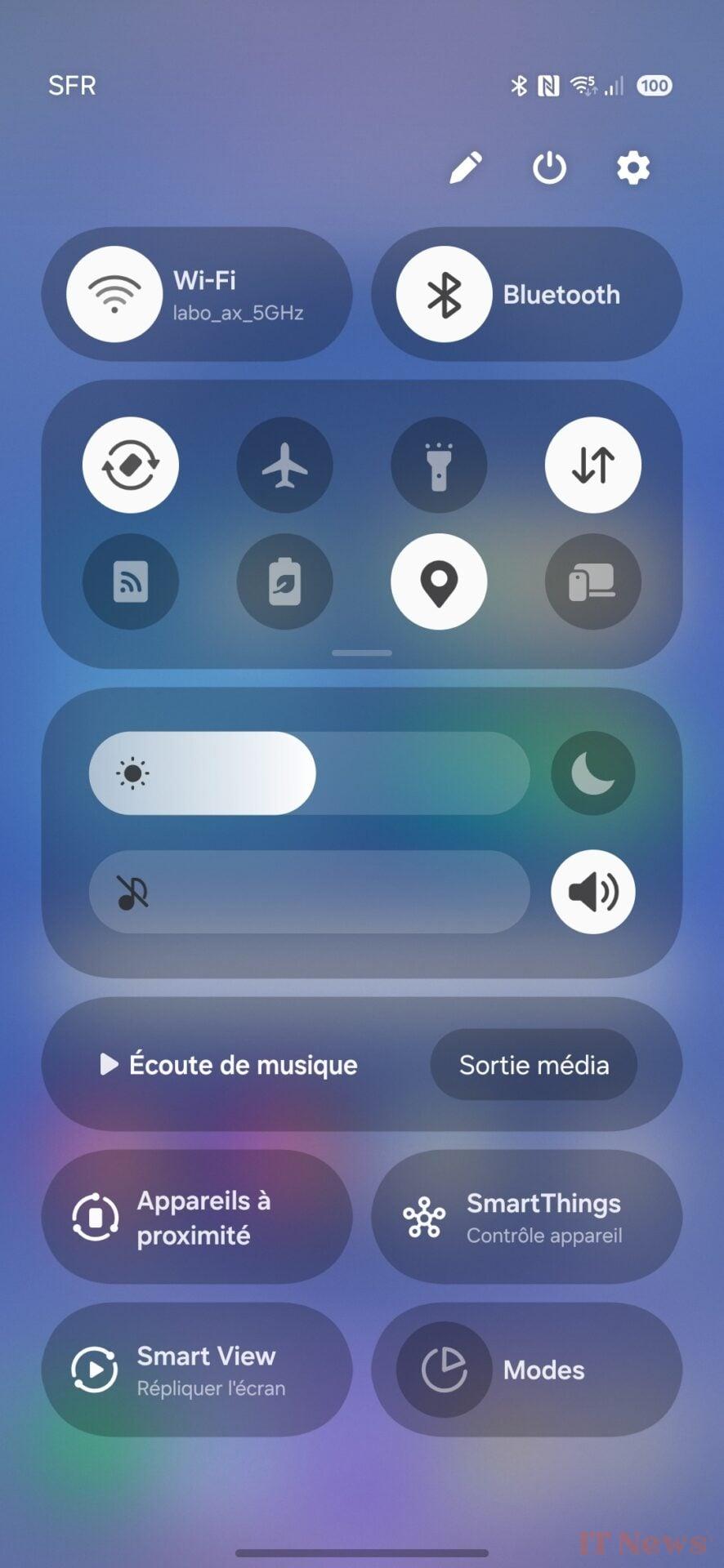
From the lock screen, we will notice the very practical Now Bar which displays useful information at the bottom (weather, direction, music, etc.) without having to unlock your smartphone. Now Brief is intended to be an assistant whose summaries, alerts and suggestions evolve throughout the day. In terms of routines, we will also appreciate the tool allowing you to automatically switch between different parameter profiles depending on where and when the user is.
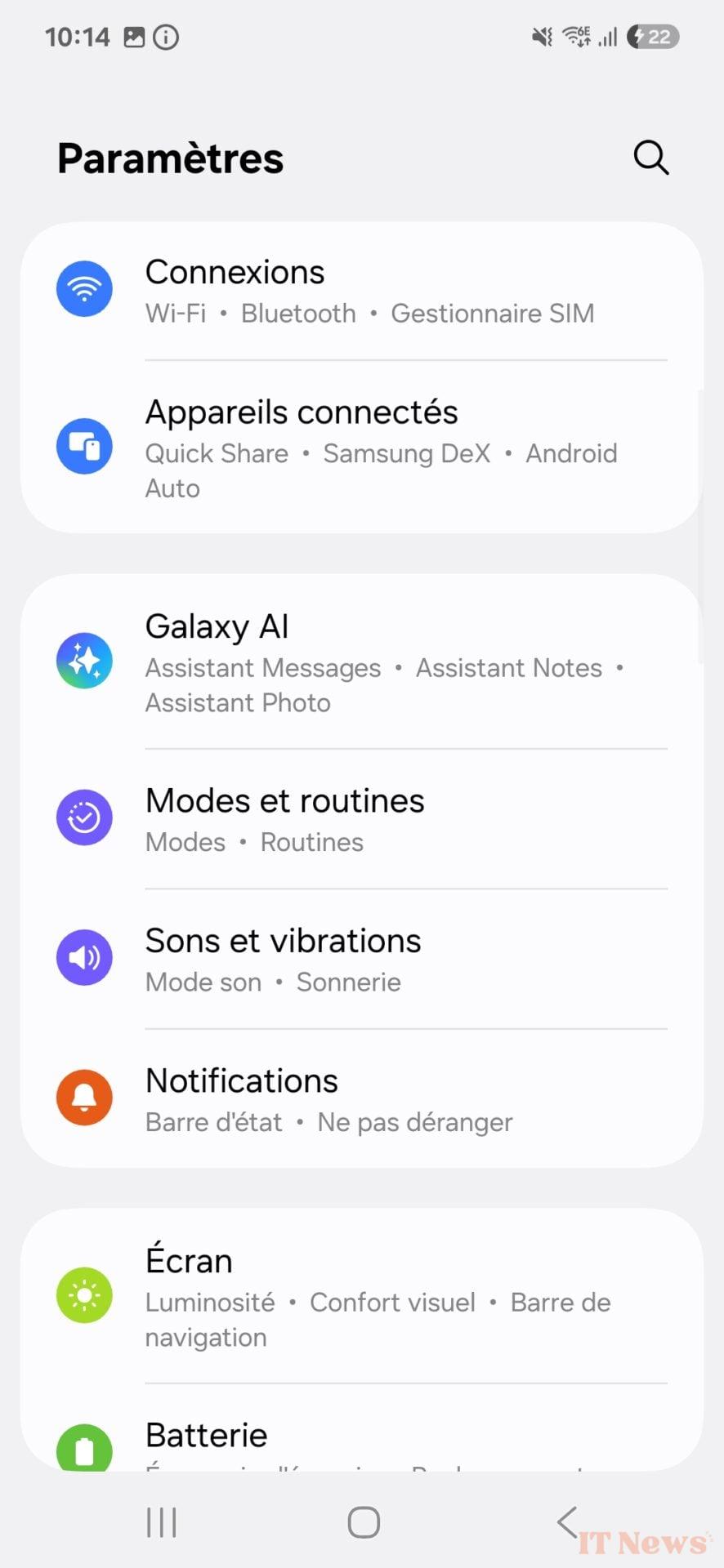
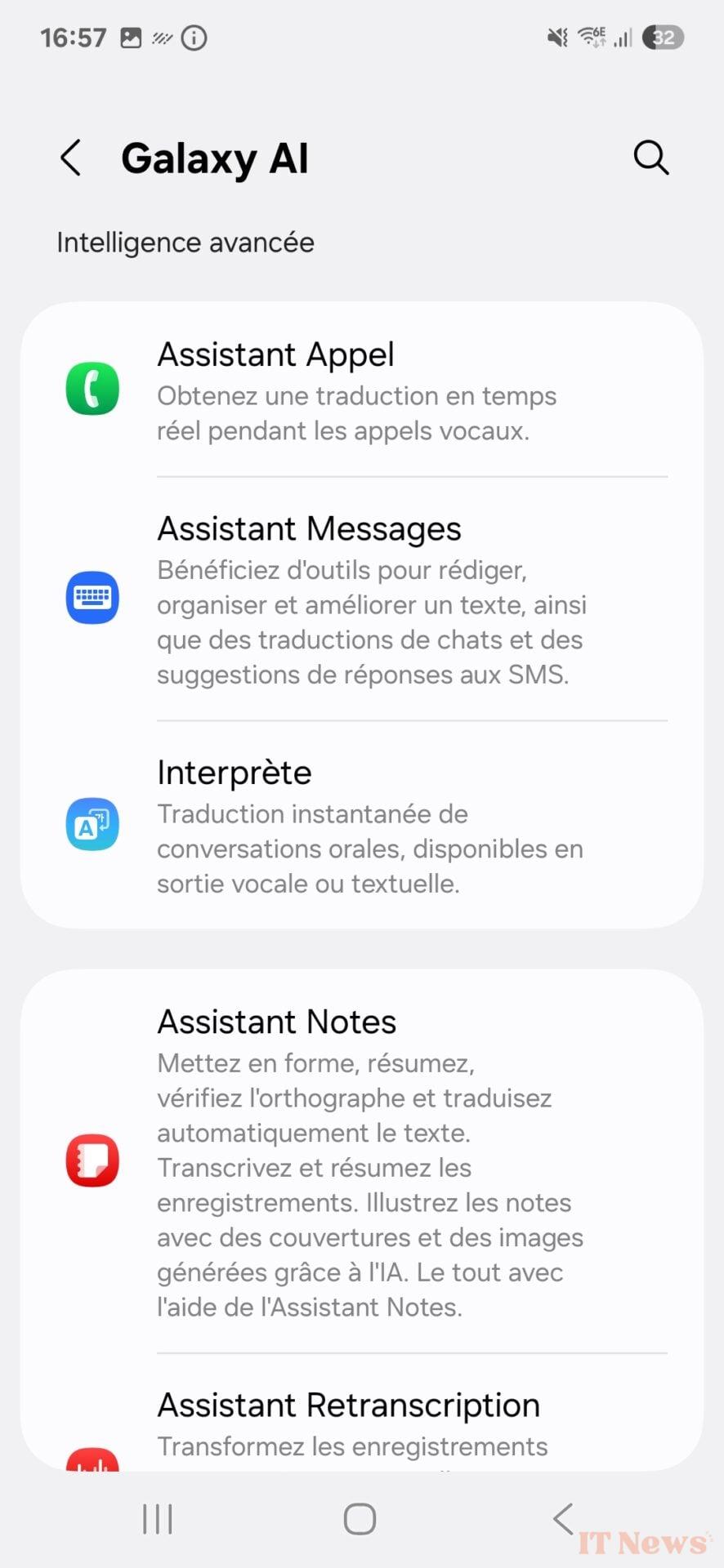
In addition to the now classic Surround to Search, the Samsung Galaxy S25 is unsurprisingly packed with AI. The Gemini and Bixby voice assistants are there, while Galaxy AI allows you to translate voice calls in real time, assist with notes and messages (writing, translation, suggestions, etc.), reduce unwanted noise in videos, or perform advanced editing or photo and image creation. A health assistant is also there to analyze and give advice based on your vitals.
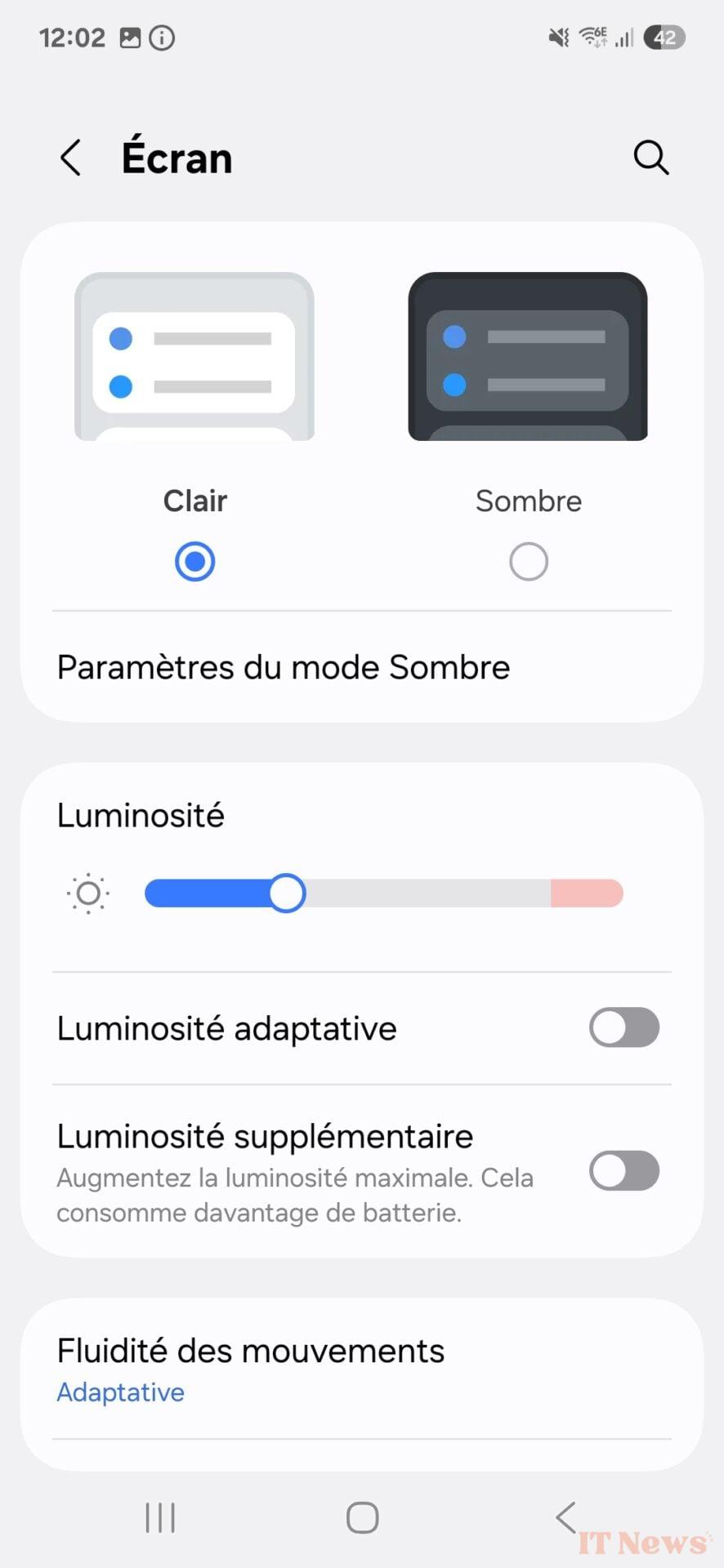
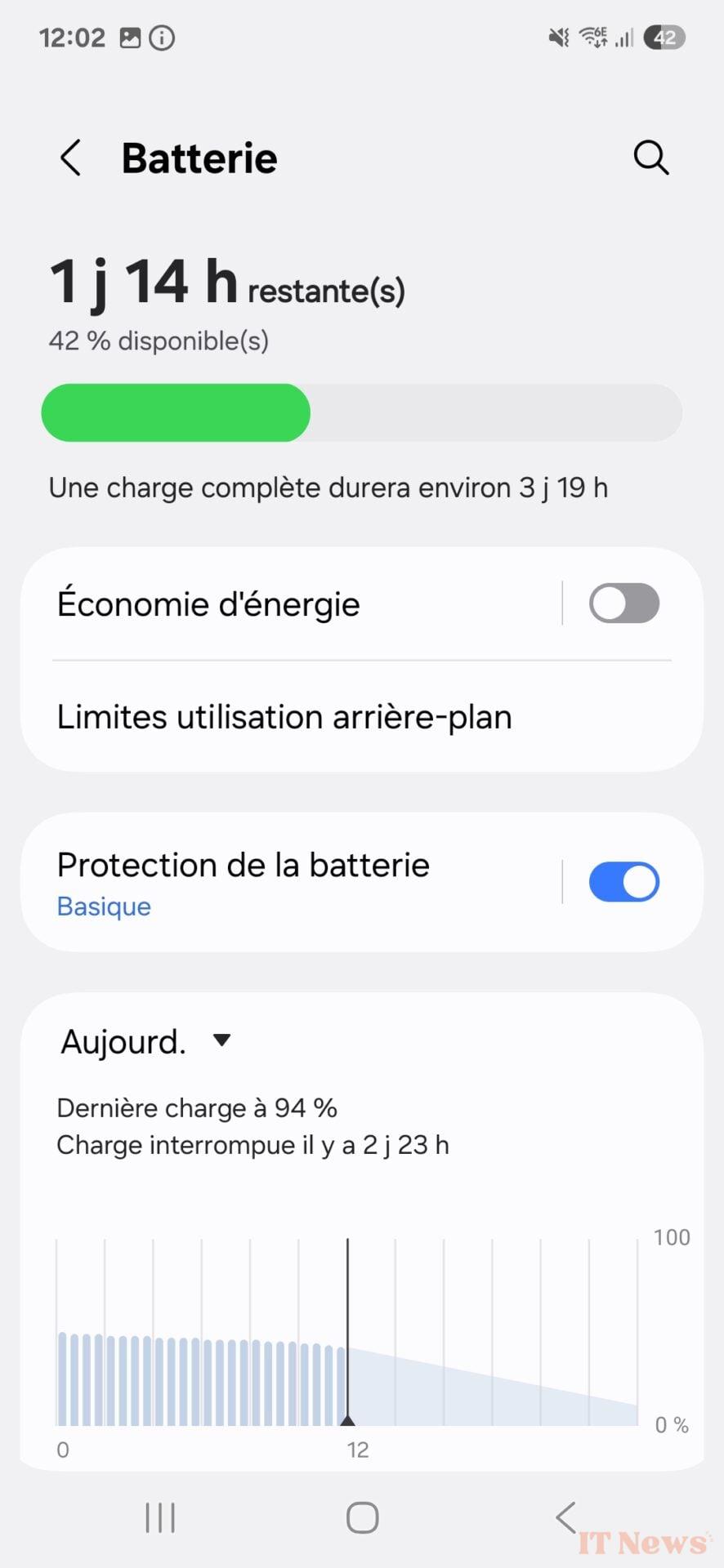
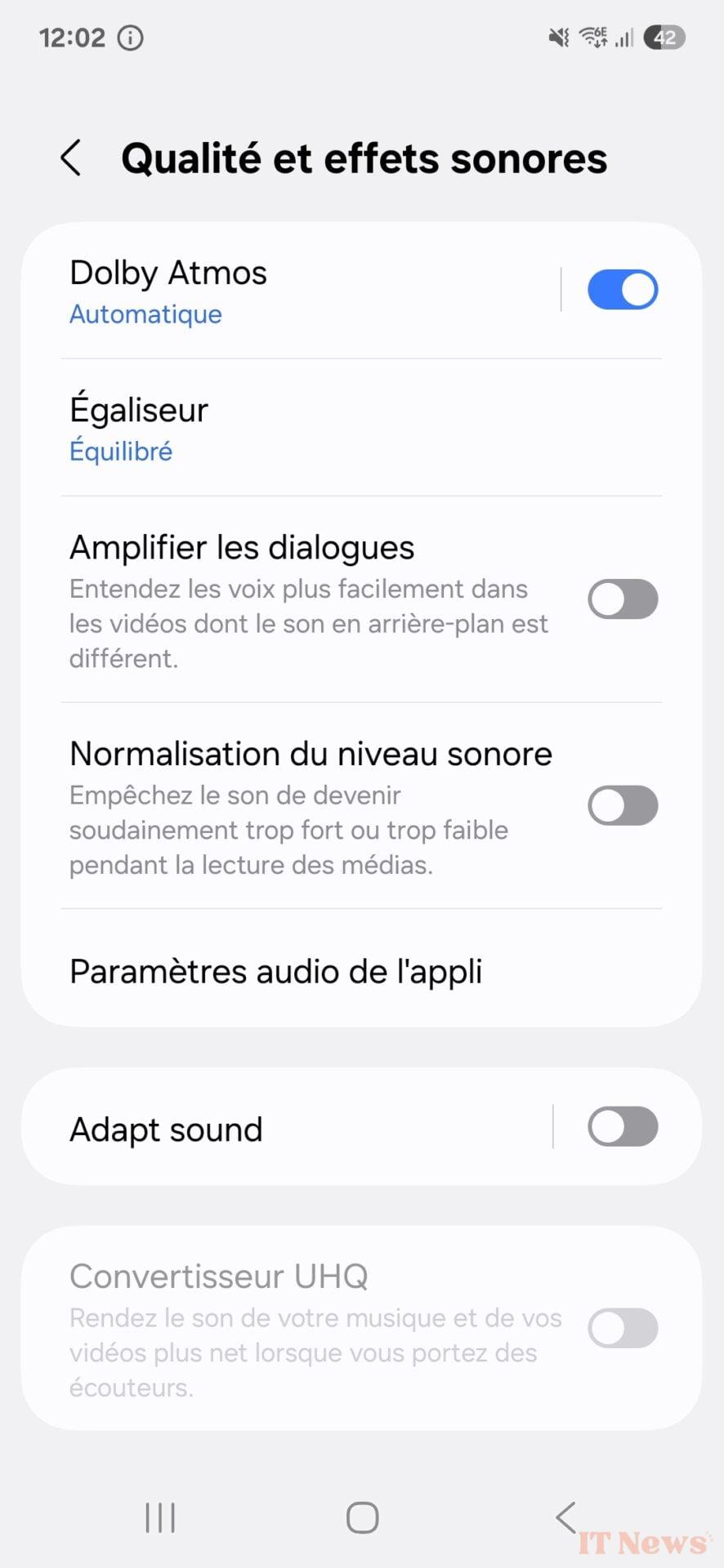
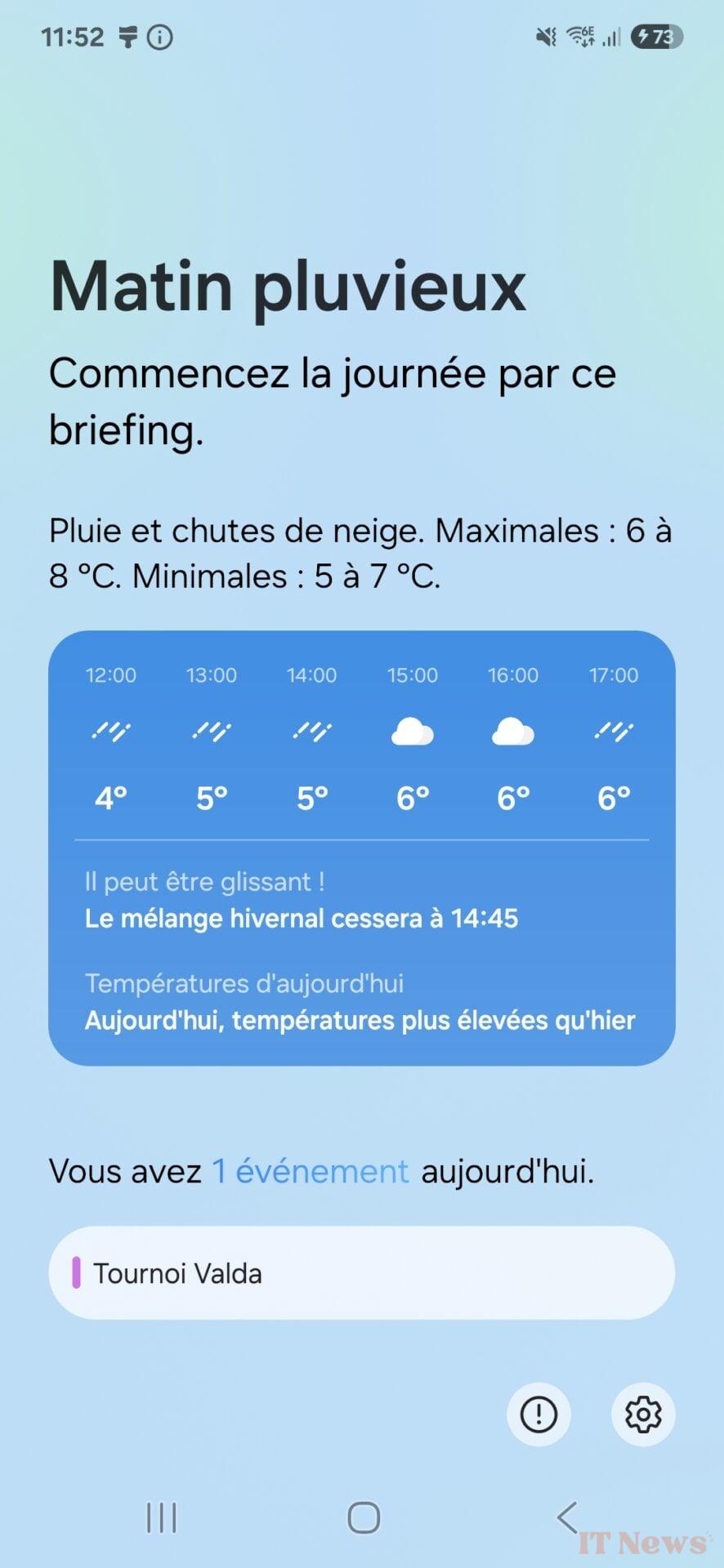
Samsung has fortunately not forgotten the basic elements (visual and organizational customizations, Always On, game mode, etc.). The result is one of, if not the best overlay on the market, as generous with ordinary users as with those looking for advanced tools. We will also appreciate the fact that apart from applications from Samsung, Google or Microsoft, very little bloatware comes to spoil the party.
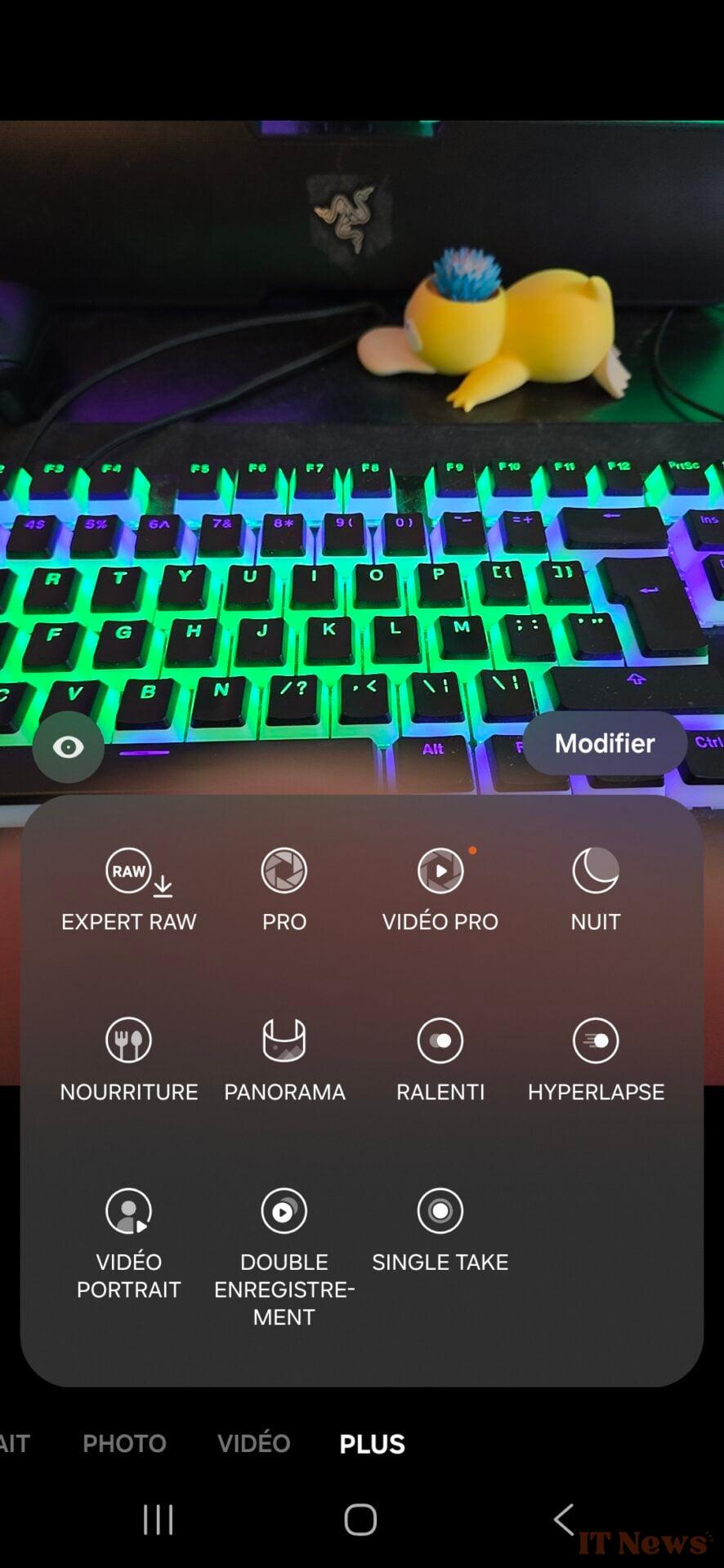
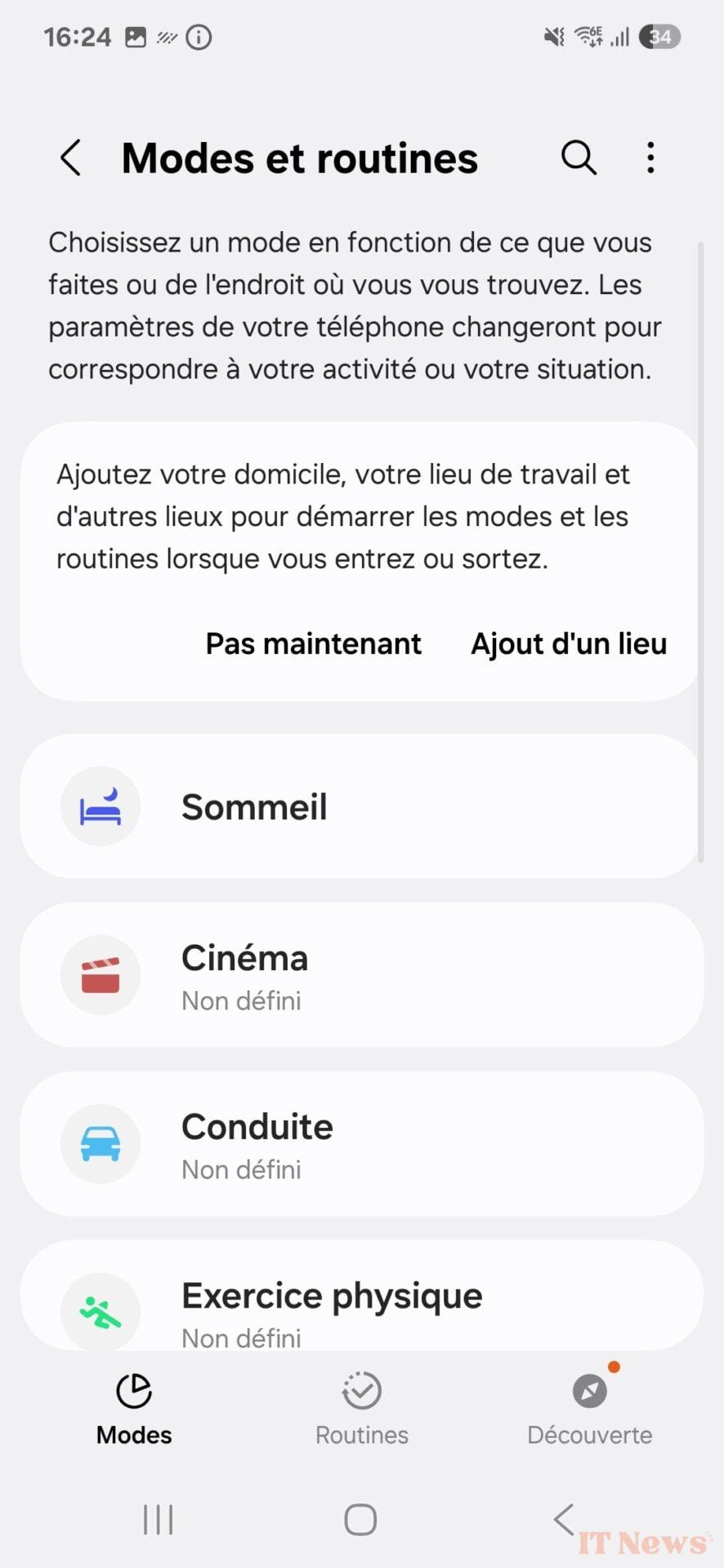
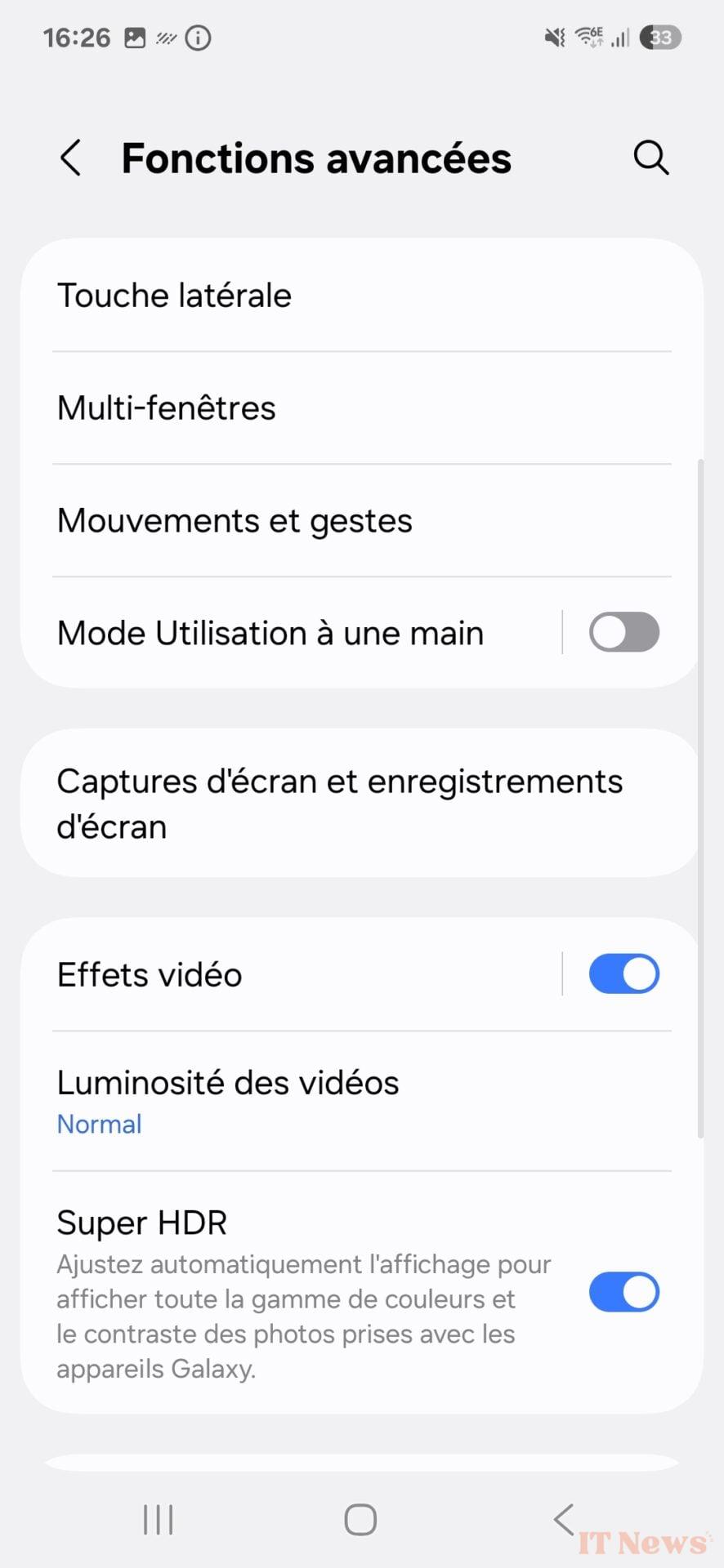
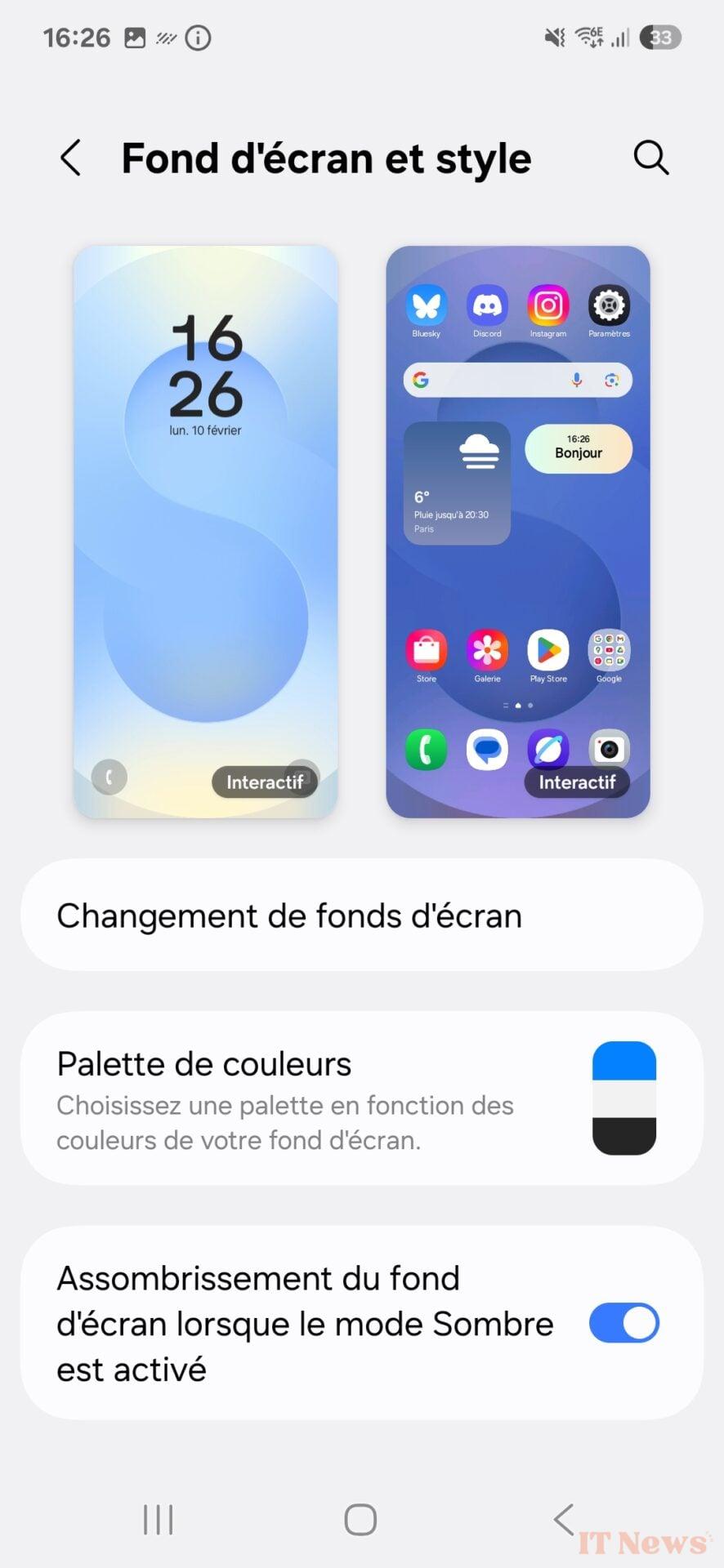
In terms of future updates, Samsung is once again promising a comfortable 7 years of Android updates and security patches.
Design: classic, but refined
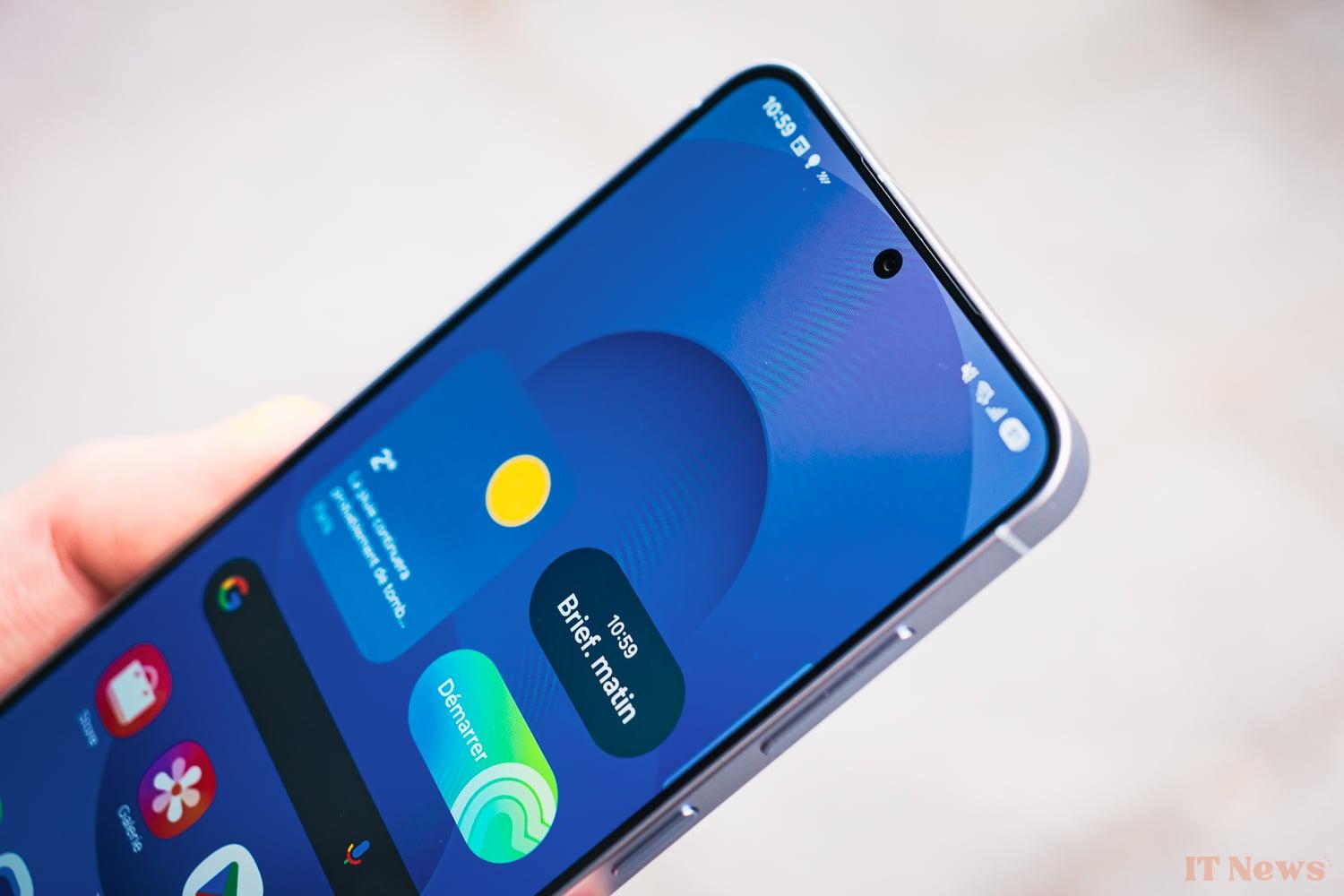
As indicated in the introduction, little changes for the Galaxy S25 compared to the Galaxy S24 in many areas. This is the case for the design, which hardly changes. The 2025 iteration is certainly 0.4mm thinner (146.9 x 70.5 x 7.2mm) and very slightly lighter (162g instead of 168g). While that's about all that changes, the solution is still very pleasant to hold due to its size and premium materials.
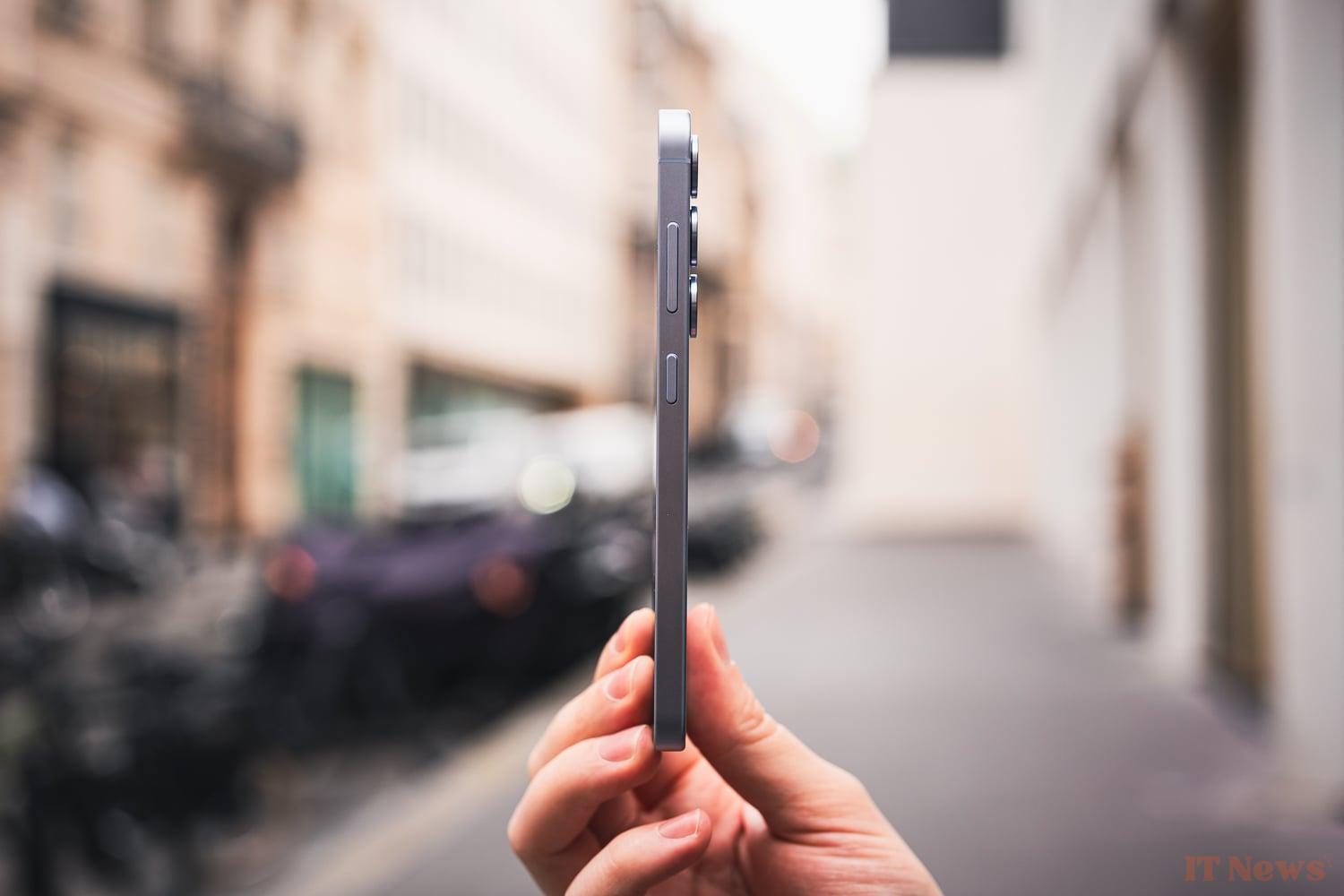
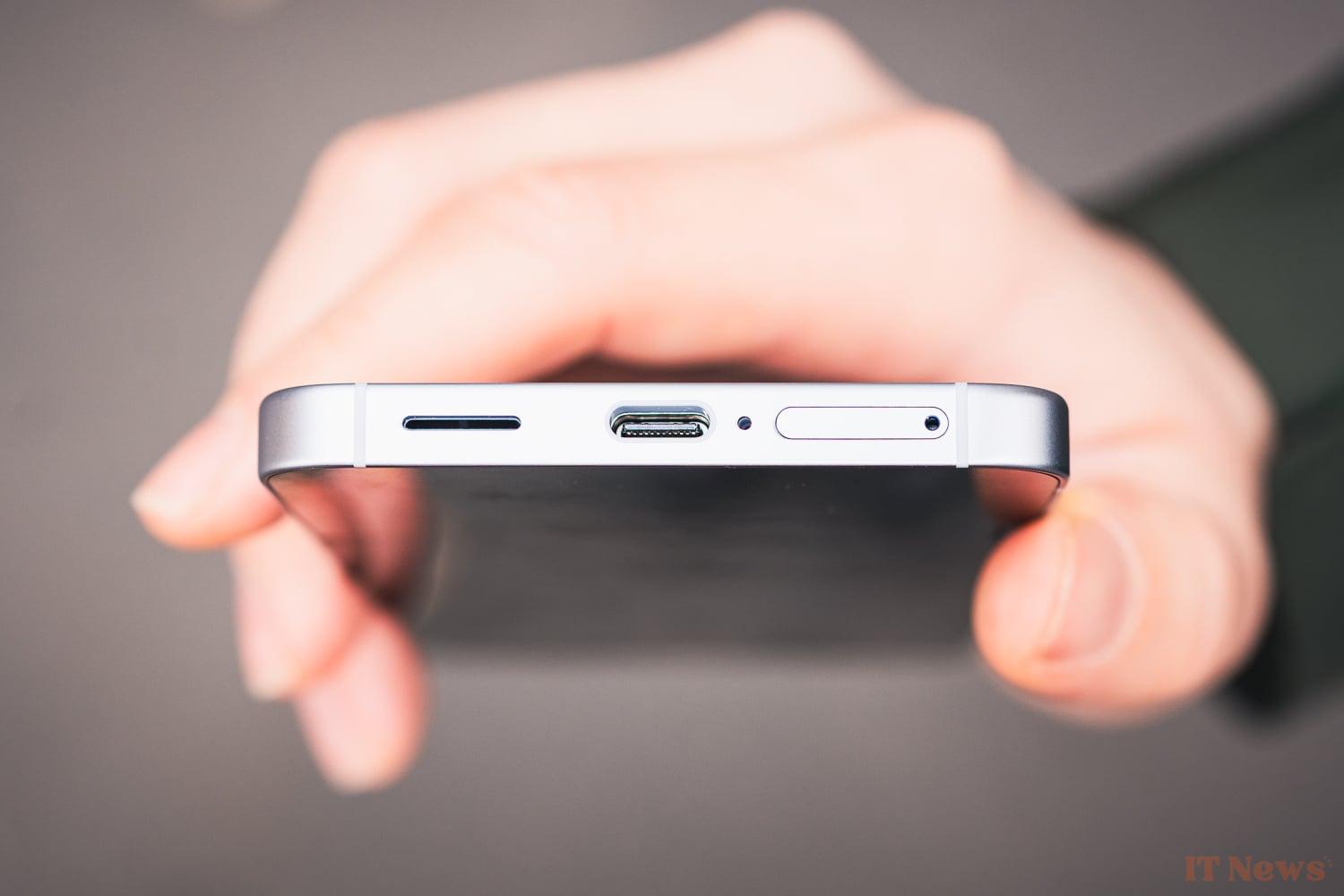
We therefore find the classic trio of sensors aligned on the back and which protrude slightly from the body. The latter is an IP68 certified case that exudes resistance and prevents fingerprints by combining Armor aluminum and Gorilla Glass Victus 2. The front sensor is located in a punch at the top, opposite the fingerprint sensor below the screen. The rest is also very classic: the power and volume buttons are on the right edge, and Samsung has placed the USB-C port, the SIM card tray and the main speaker on the bottom edge (another, secondary one is hidden at the top).
Screen: Vae (Gorilla Glass) Victus 2
The Galaxy S25 is aimed in particular at those looking for a smartphone that fits in any pocket and can be easily used with one hand. In any case, it offers a fairly reasonable 6.2-inch Amoled panel, while its Plus and Ultra versions are 6.7 inches and 6.9 inches respectively. We will applaud a good space utilization (92%), and therefore very thin borders.
As with the S24, we are still faced with a Full HD+ resolution (2340 x 1080 pixels) for a density of 416ppi. The frequency can go up to a comfortable 120Hz. In terms of colors, in vivid mode (default) we are on a fairly high Delta E 2000 based on DCI-P3 of 5.58. For a more faithful and less warm rendering (or flashy, depending on your point of view), head to Natural mode, slightly below. Let’s also note the support for HDR10+.
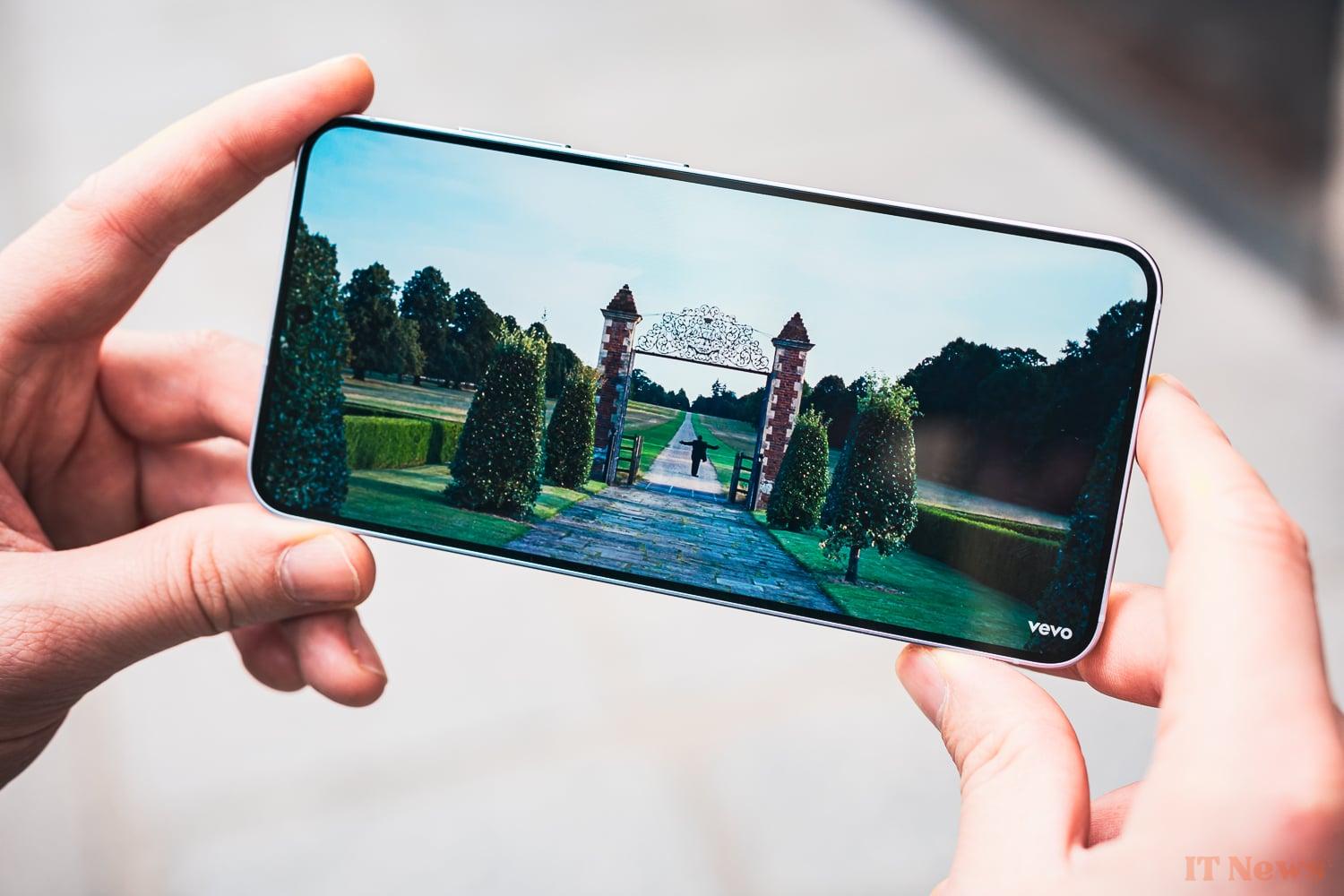
Finally, regarding the average brightness, we measured it at a maximum of 1568cd/m². An already generous value and slightly higher than the previous model, while an option allows you to enjoy additional brightness which is obviously battery-hungry. In short, with its Galaxy S25 Samsung does not betray its solid reputation as an excellent screen manufacturer by offering something solid and pleasant for the eyes. Even if the most demanding can find even better elsewhere, it is difficult to truly be dissatisfied with the proposal.
Performance: small, but (very) strong
The main advantage of this Samsung Galaxy S25 compared to its big brother is undoubtedly the new SoC from Qualcomm, the Snapdragon 8 Elite. Combined with 12GB of RAM, this chip allows you to enjoy the smartphone interface without the slightest hitch even with many applications open, but also to run the most demanding applications without restriction.
A Genshin Impact for example will be able to run without problem at 60 FPS (the device is compatible with 120Hz, let's remember) with all the settings at maximum. The high figures of our benchmarks do not lie: this new chip exudes power and should allow buyers not to have to change terminal for a while.
On the other hand, we will note a slight heating of the chip. Nothing that will make you drop the terminal from your hands, but enough to be noticed. During our tests, we reached a maximum of 44°, or an amplitude of 20.7°C, not far from the average of 20.55°C.
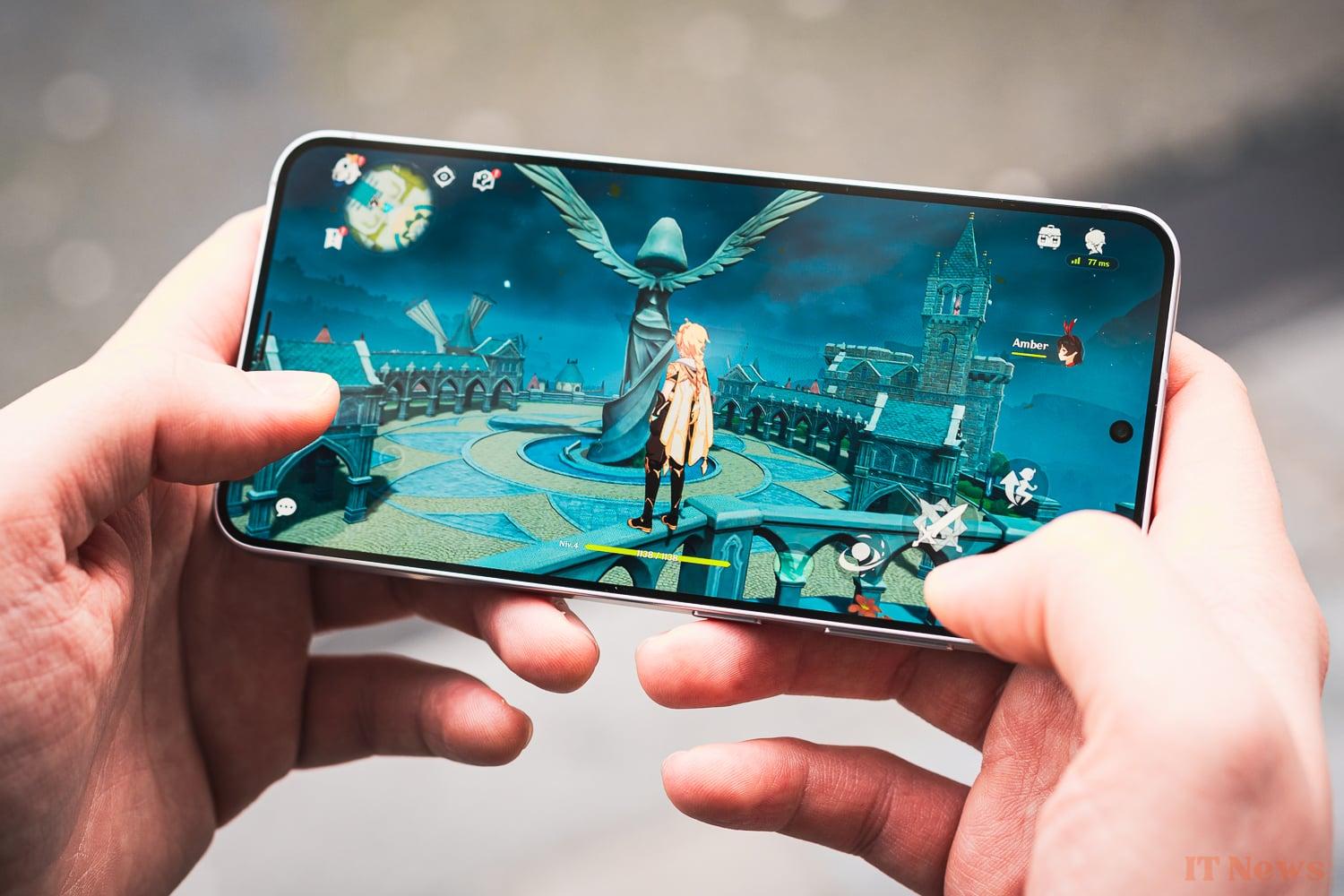
High-end requires, concerning the other chips the Samsung Galaxy S25 embraces all the most recent standards, namely 5G, NFC, Bluetooth 5.4, Wi-Fi 7 or even support for eSIM. On the sound side, two audio outputs are offered to provide correct stereo sound. No miracle on this side however despite the price range, slightly angry music at high volume will quickly saturate. Dolby Atmos compatibility and other audio settings are however there to provide a good experience with headphones or earphones.
Photo: la patte Samsung
Like last year, Samsung has decided not to change the camera unit of the Galaxy S25. We therefore find a 50Mpx wide-angle main module (f/1.8), a 12Mpx ultra-wide-angle (f/2.2) and a 10Mpx x3 telephoto lens (f/2.4). As with the battery, which will be discussed in a moment, the raw figures may suggest that Samsung is lagging behind its competitors. But this is not the case thanks to the software part which comes more than to support the hardware.

Thus, on the side of the main sensor in particular, the shots captured by default are in 12Mpx and not 50Mpx, but the result is very precise and bright thanks to the processing applied by Samsung. During the day, even in conditions which are not necessarily perfect, it is difficult to find real defects in the captured images, both in terms of color rendering and sharpness.


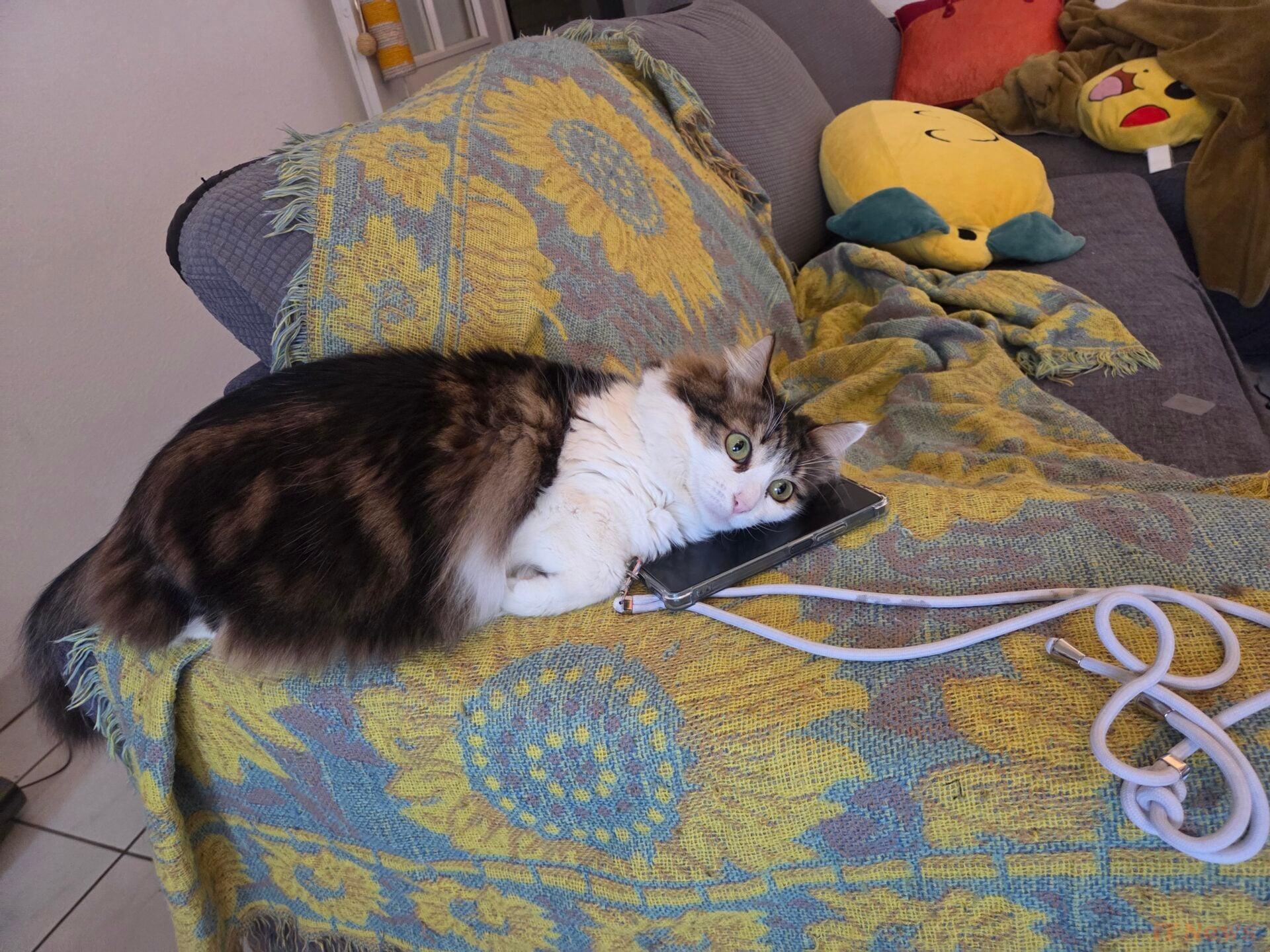


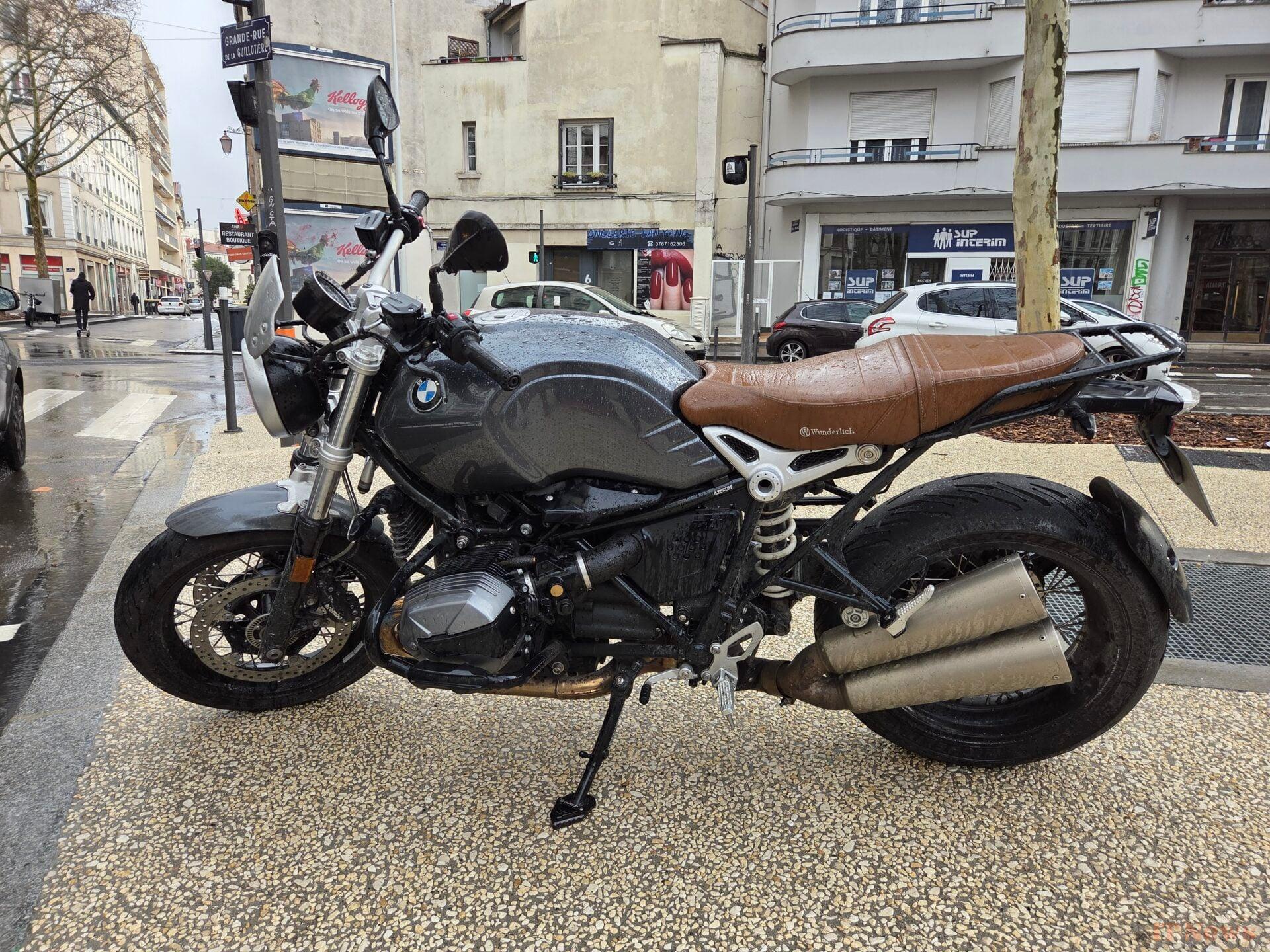
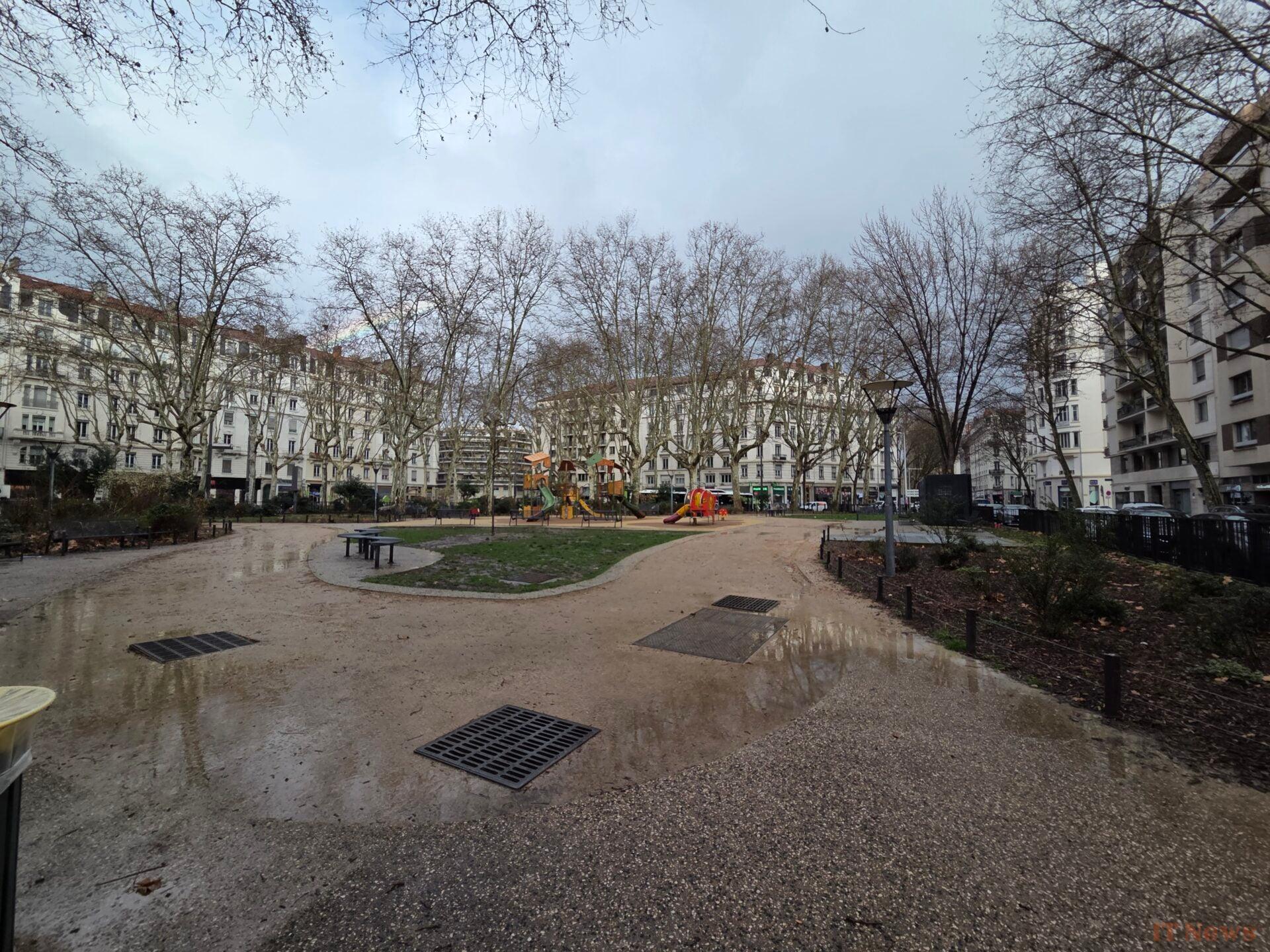
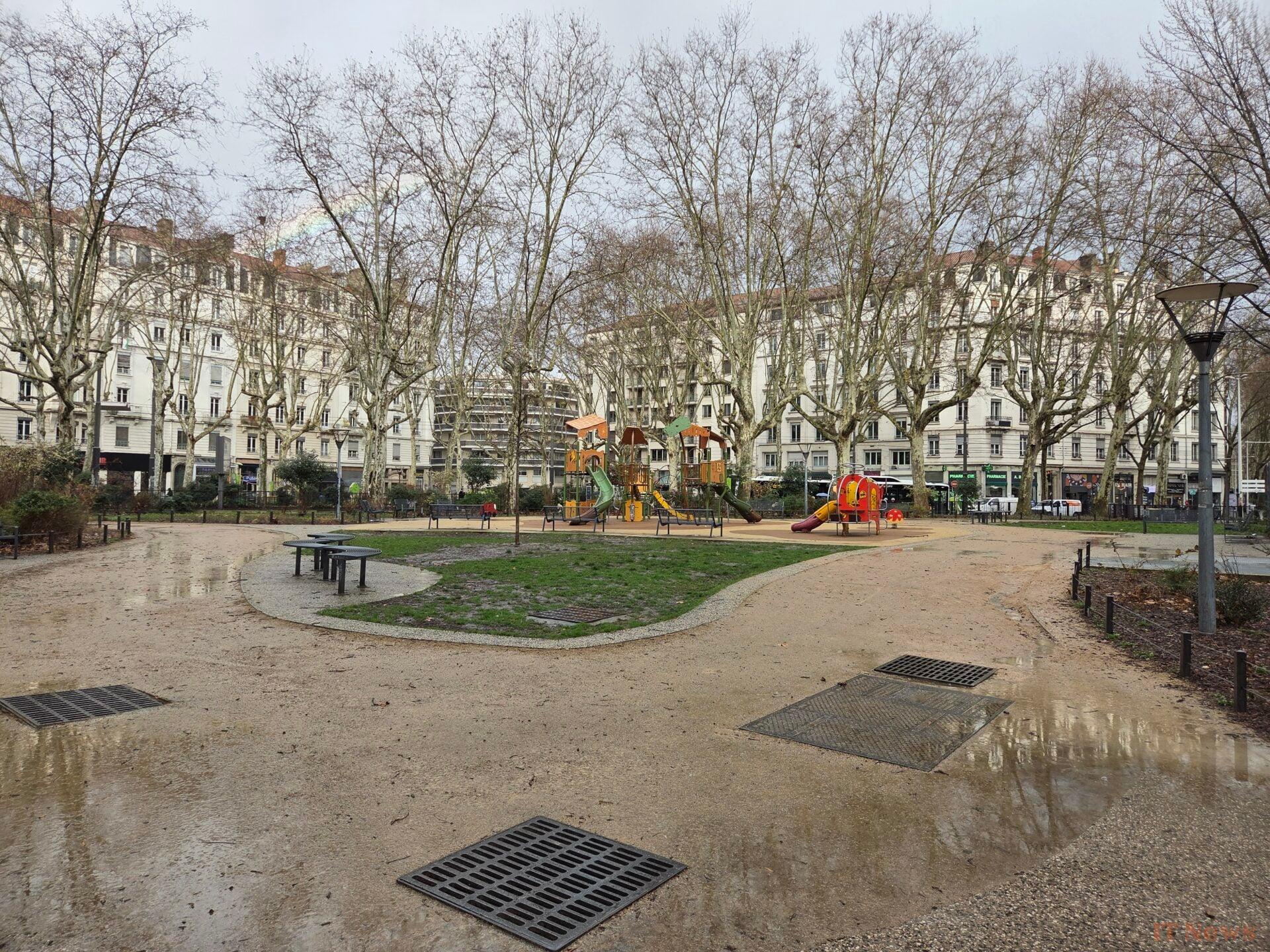
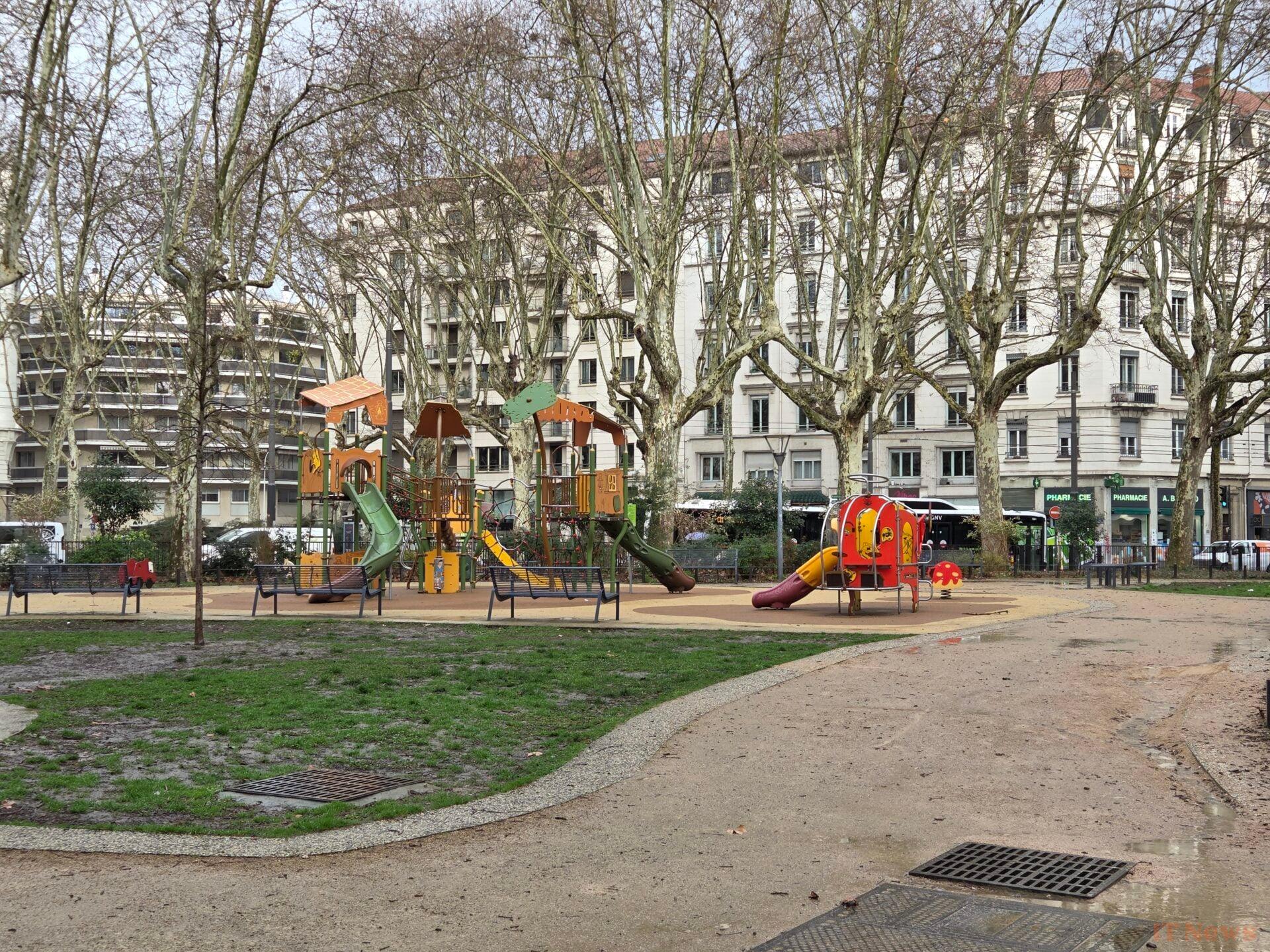
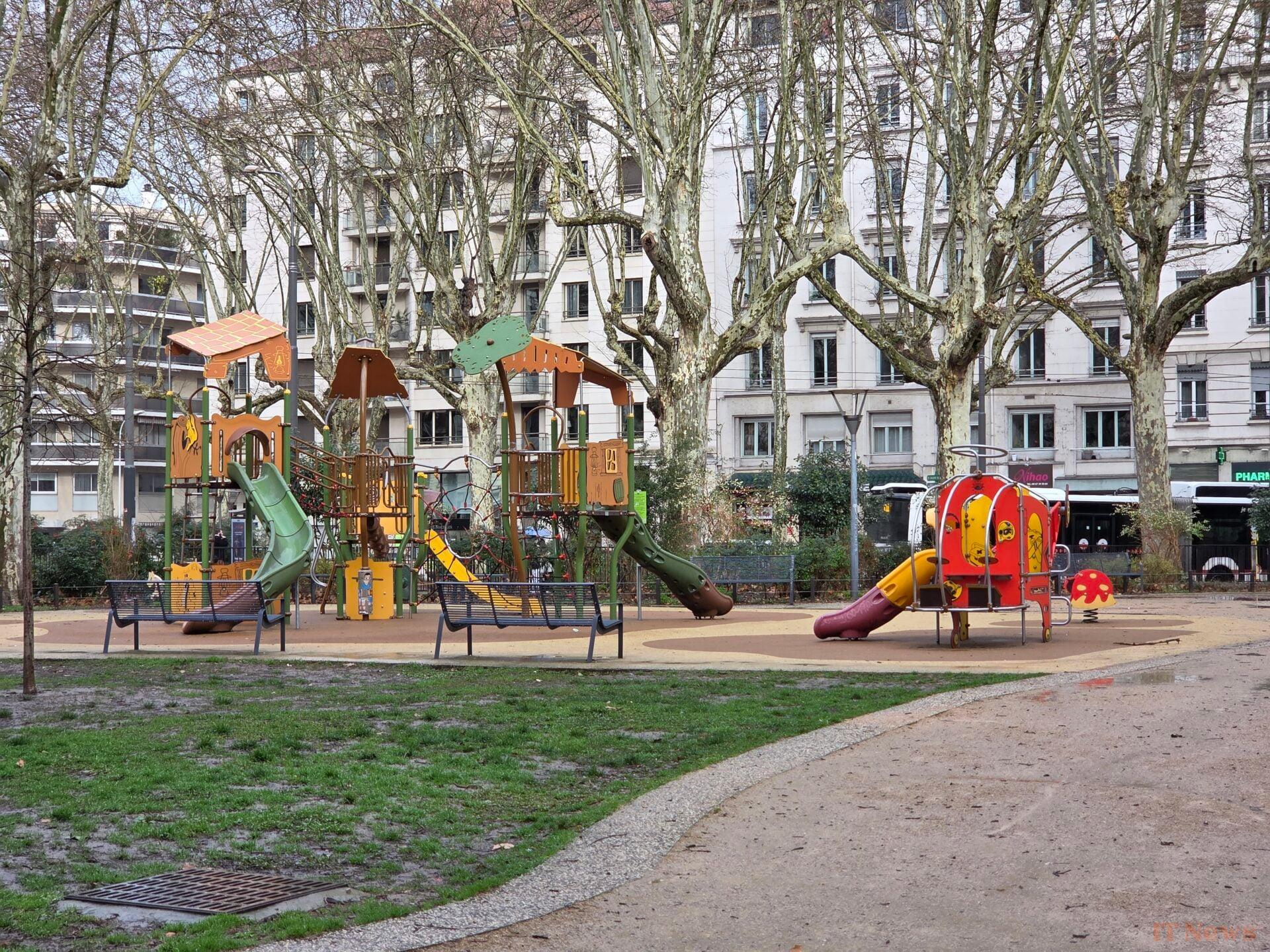
At night (or at least in situations where the light is not ideal) the main sensor does well. With or without night mode (which is activated automatically if you wish), the result logically suffers from a slight noise and moving subjects may not be perfectly clear. However, we will note that the smartphone is so comfortable that it does not systematically find it useful to activate night mode if it finds enough light sources. This is the case, for example, for the photo of the building below, captured automatically without night mode.
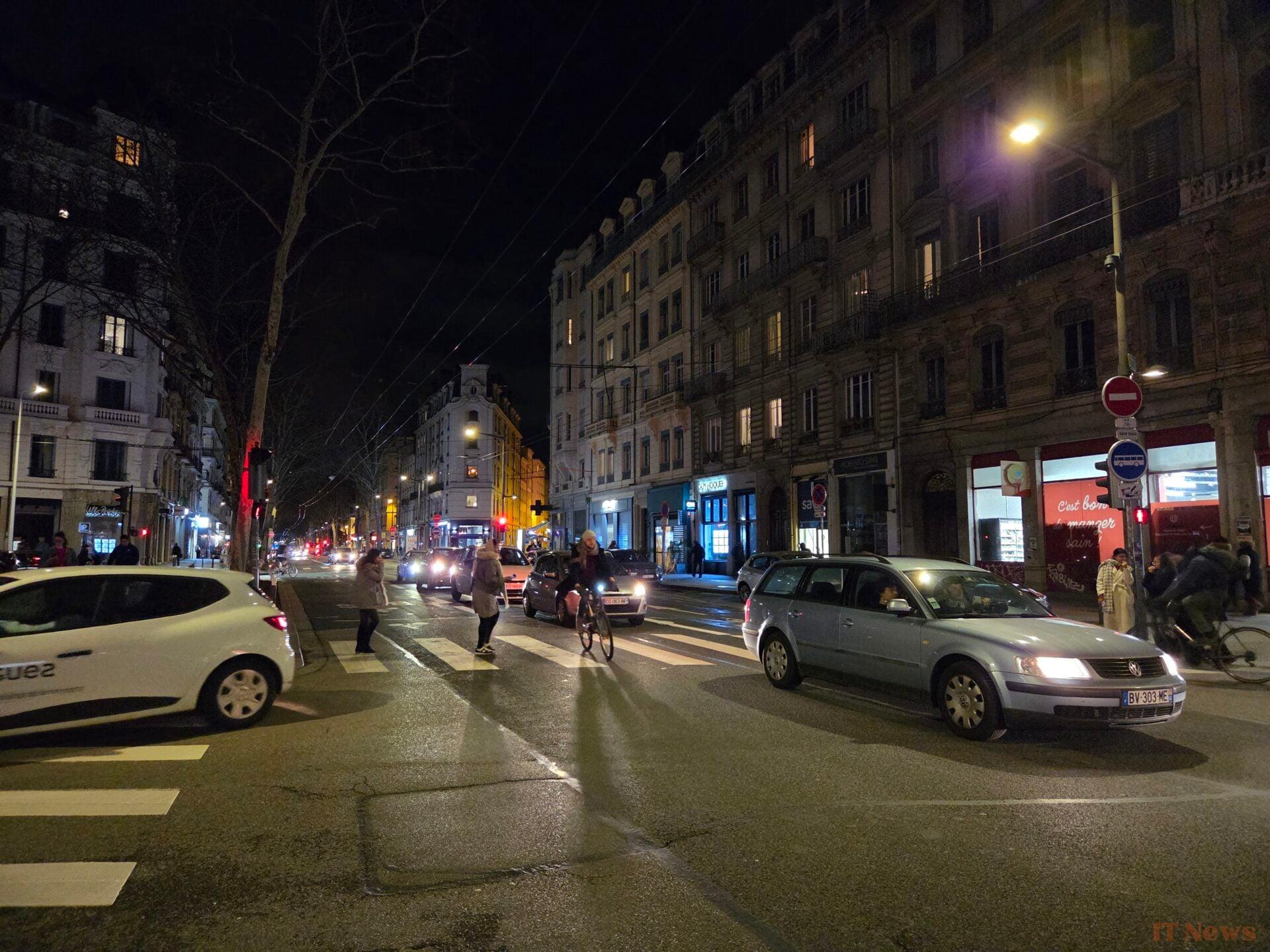
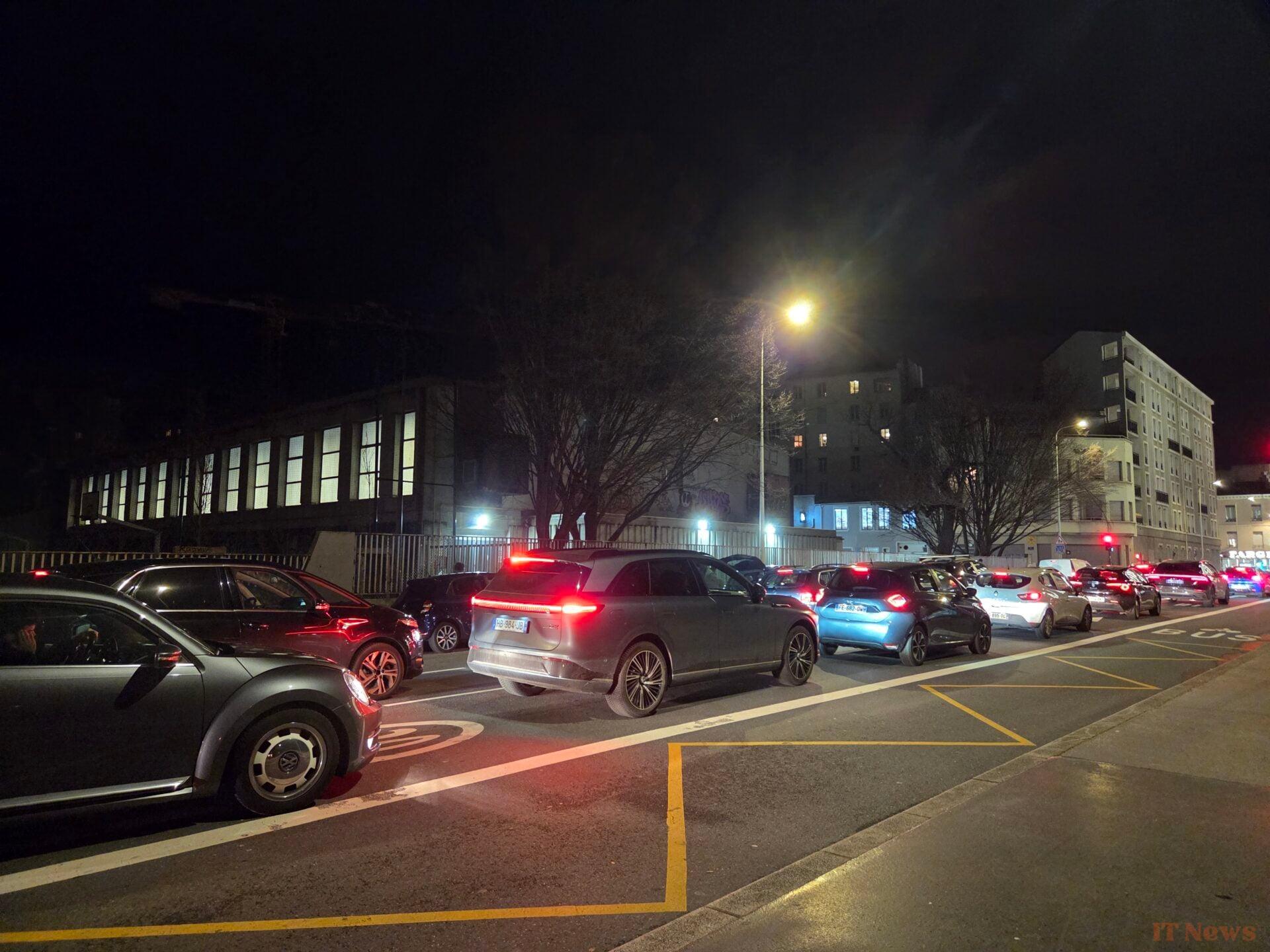

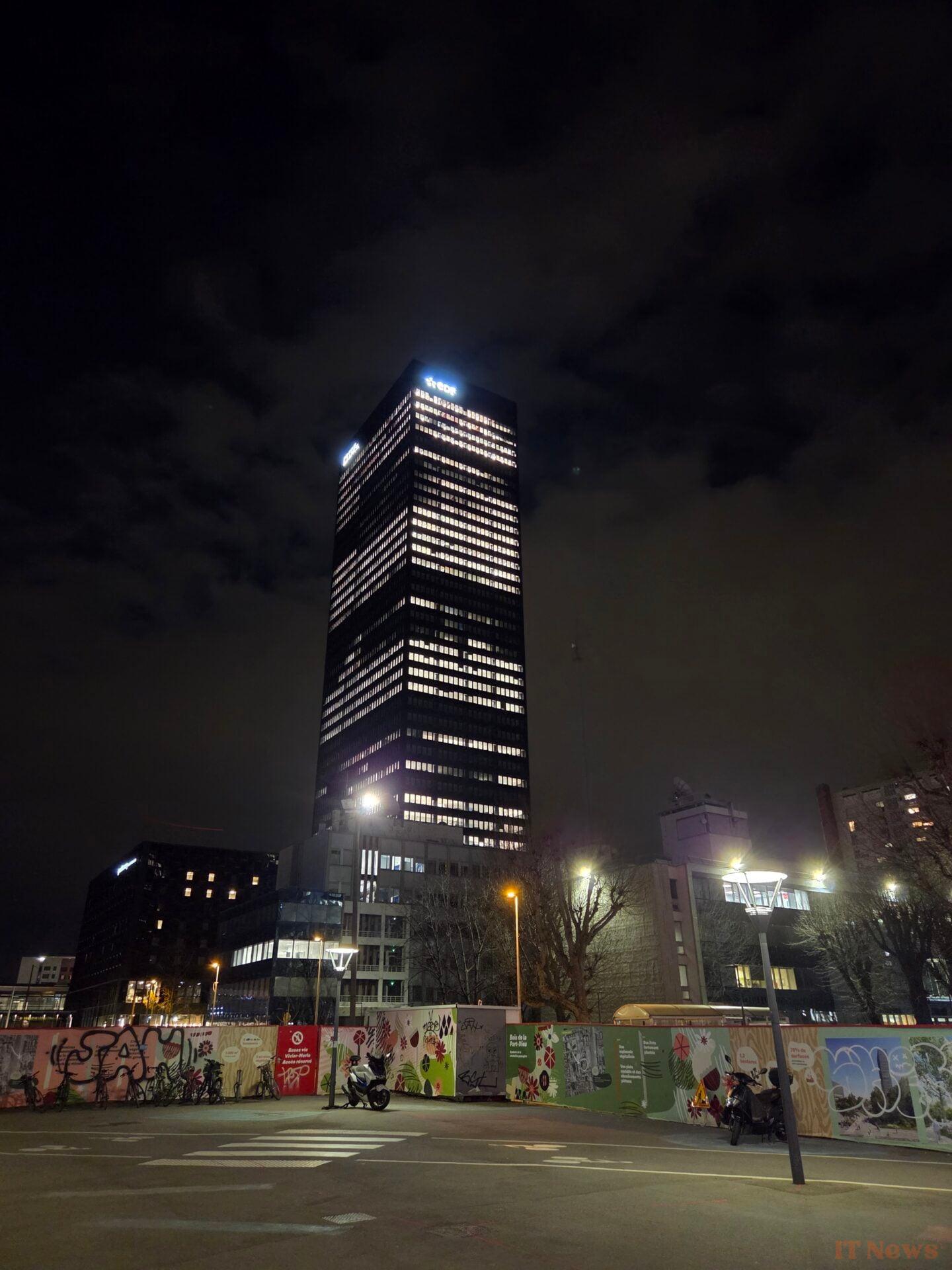
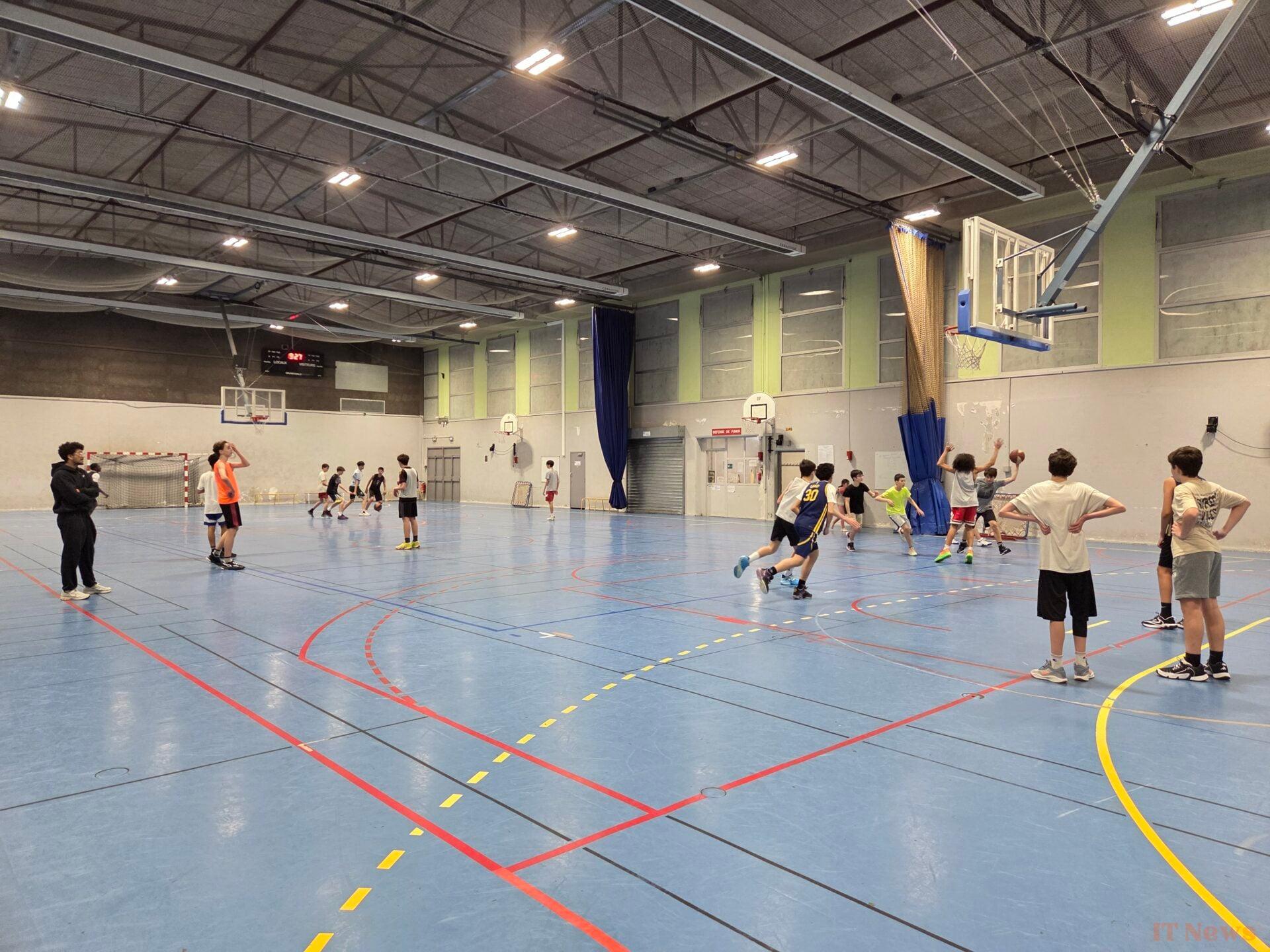
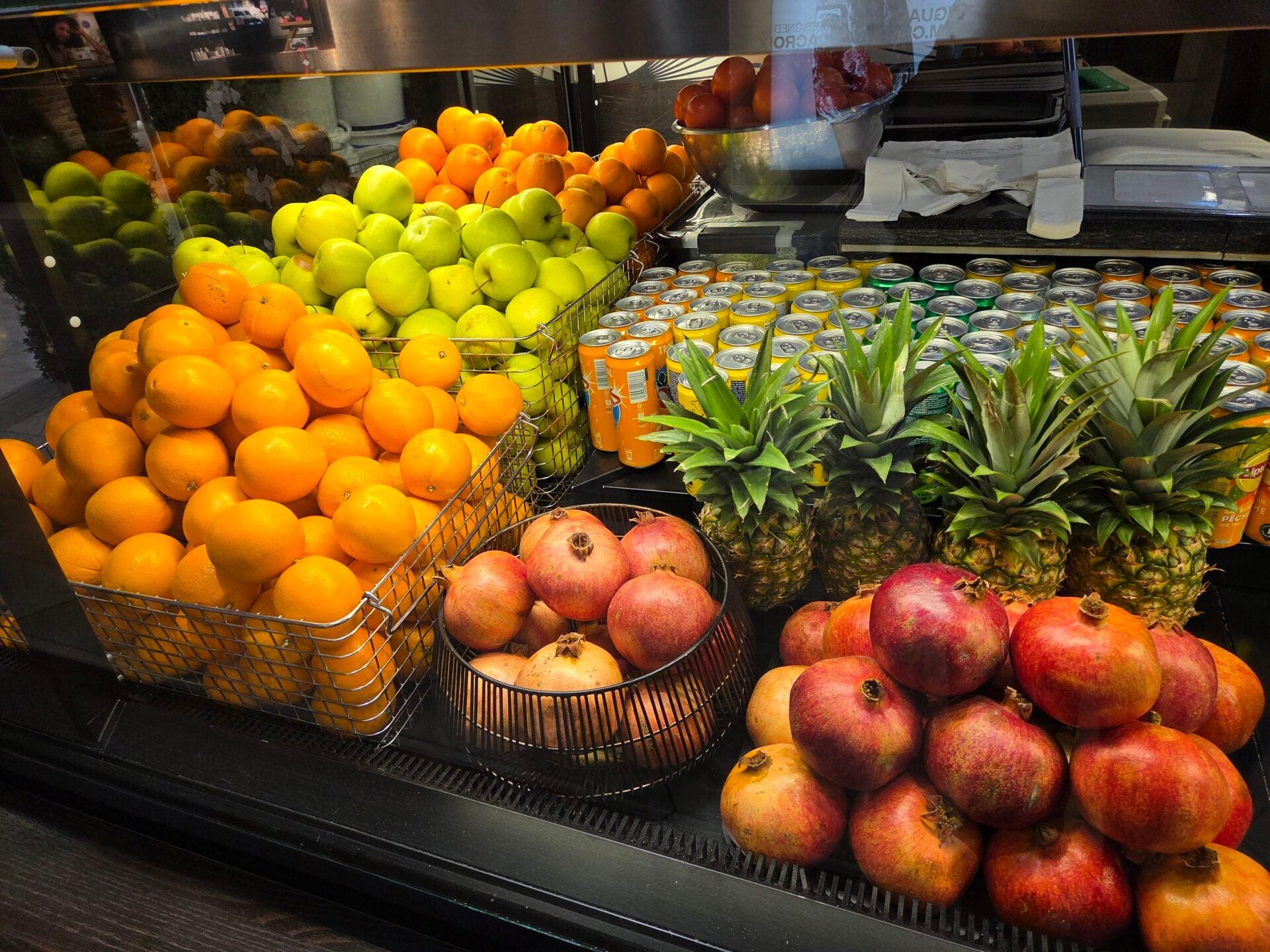

Concerning portrait modes, both with the main sensor and the front sensor, the selfies are of good quality. The image is perfectly sharp and faithful, and the application of the blur effect is very satisfactory, even with a complicated subject (but no Guybrush, you are not complicated!).



Despite its price range, the Samsung Galaxy S25 is, however, slightly imperfect in terms of its ultra-wide-angle module. Nothing dramatic, rest assured, but first of all, it does not offer autofocus. Also, it can be slightly difficult at the edge of shots when the brightness is not there, while the image can be a little darker (the image of the park above is obvious).
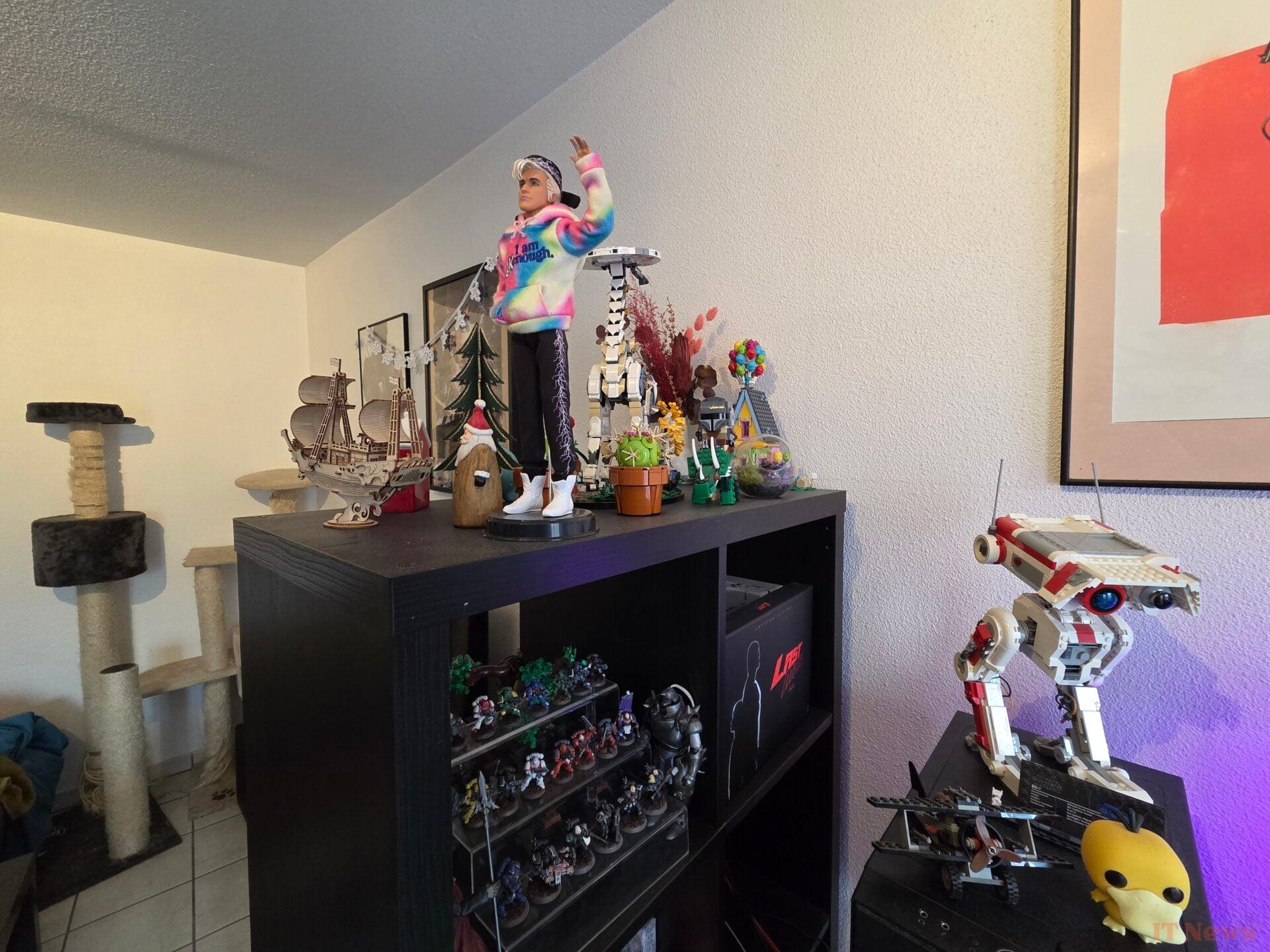
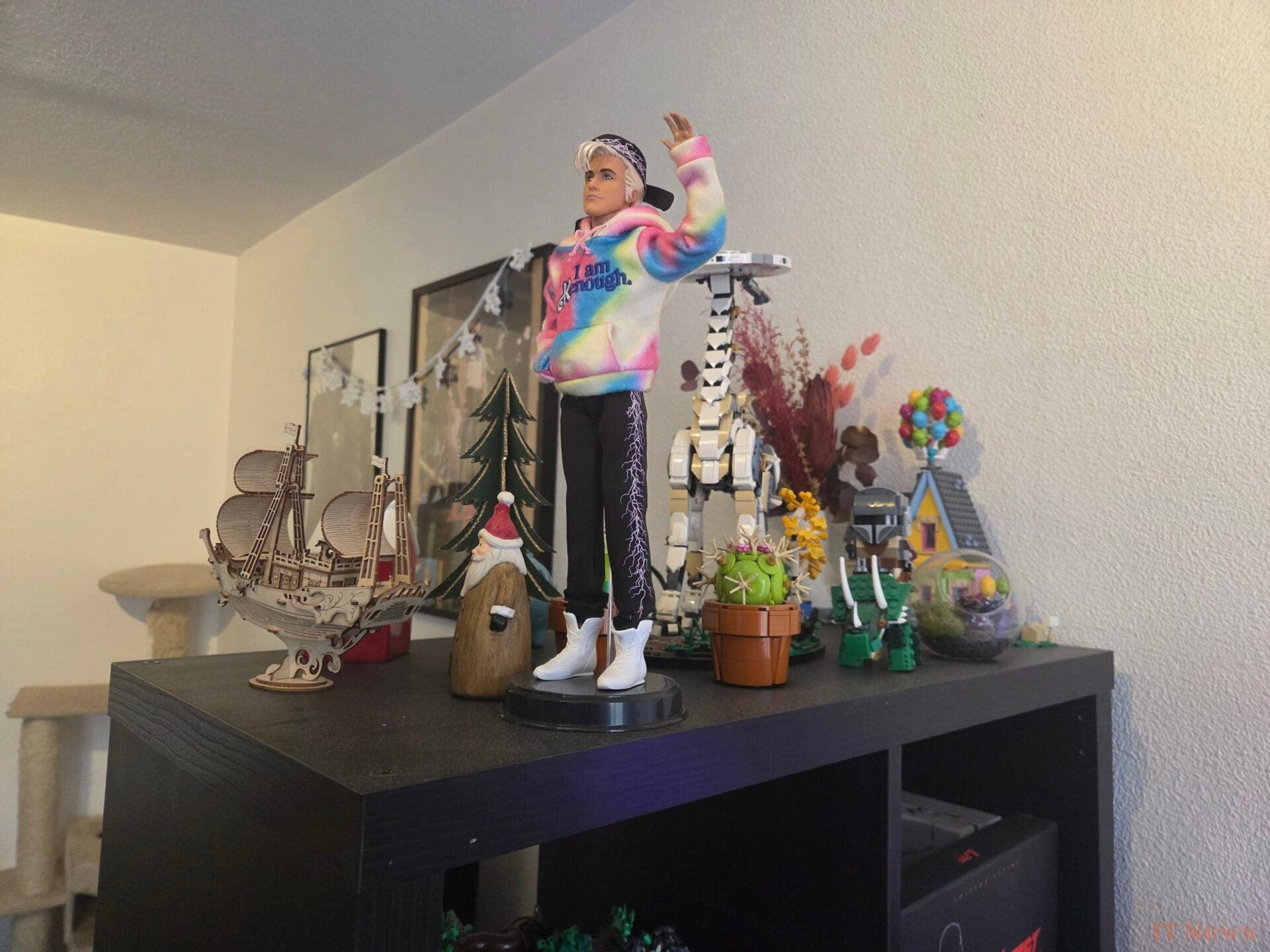
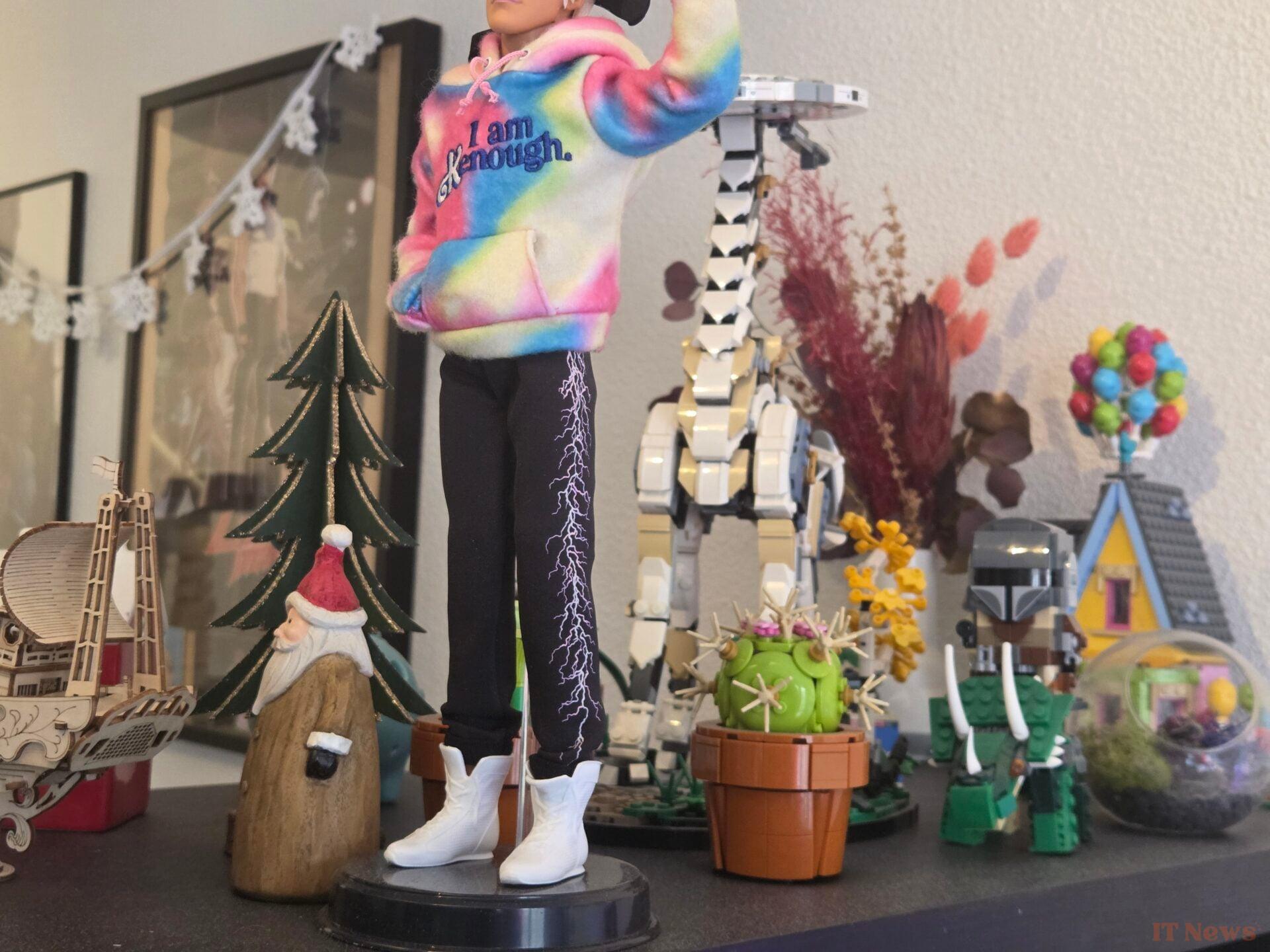
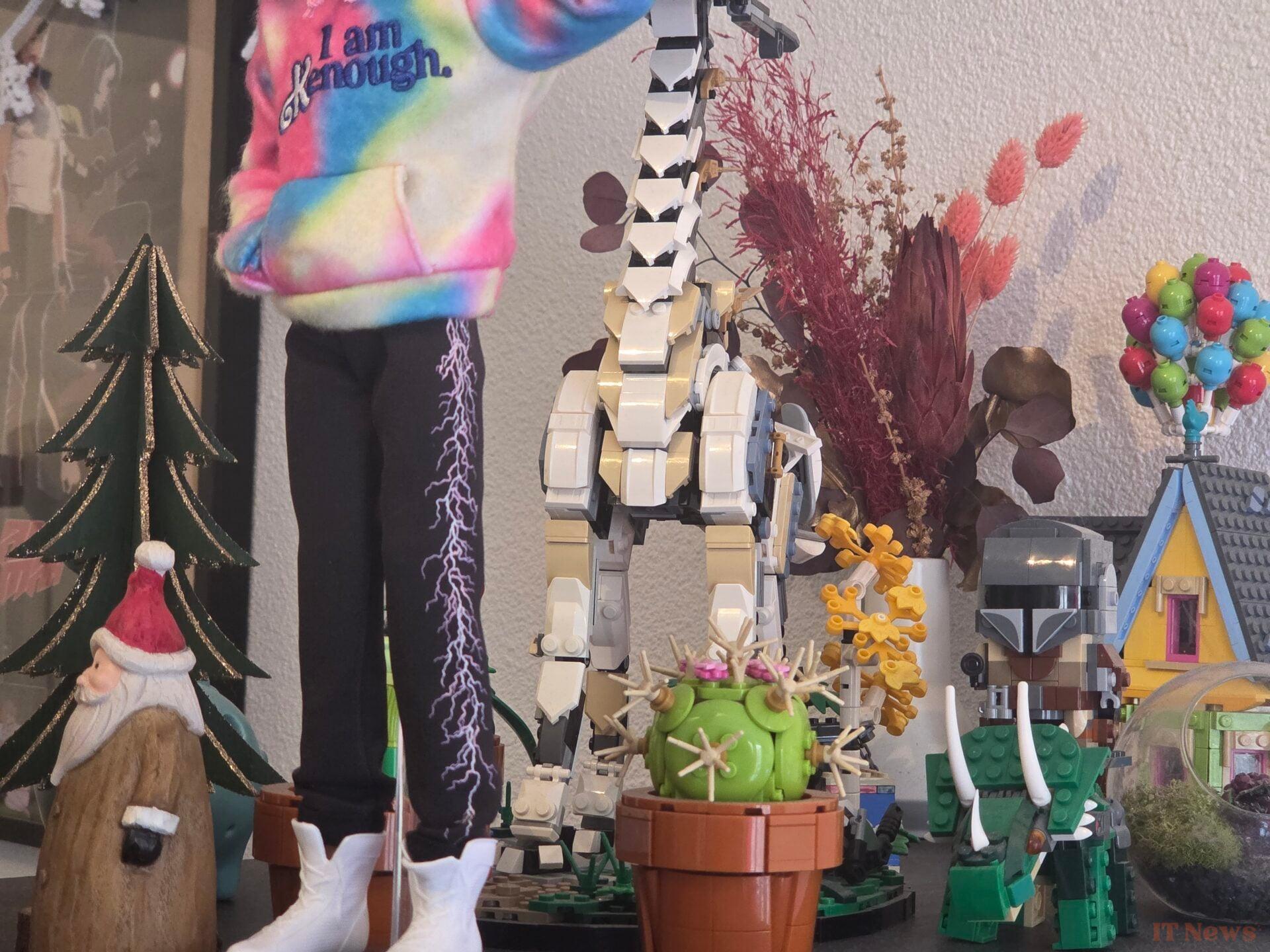



Capable of going up to 30x, the telephoto module will probably only really be useful to you during the day, when it offers quite convincing shots. While it does well at night in its lowest levels, the highest ones quickly become blurry if conditions are not optimal. This is evidenced in particular by the zoomed-in photo on the bottom panel below.
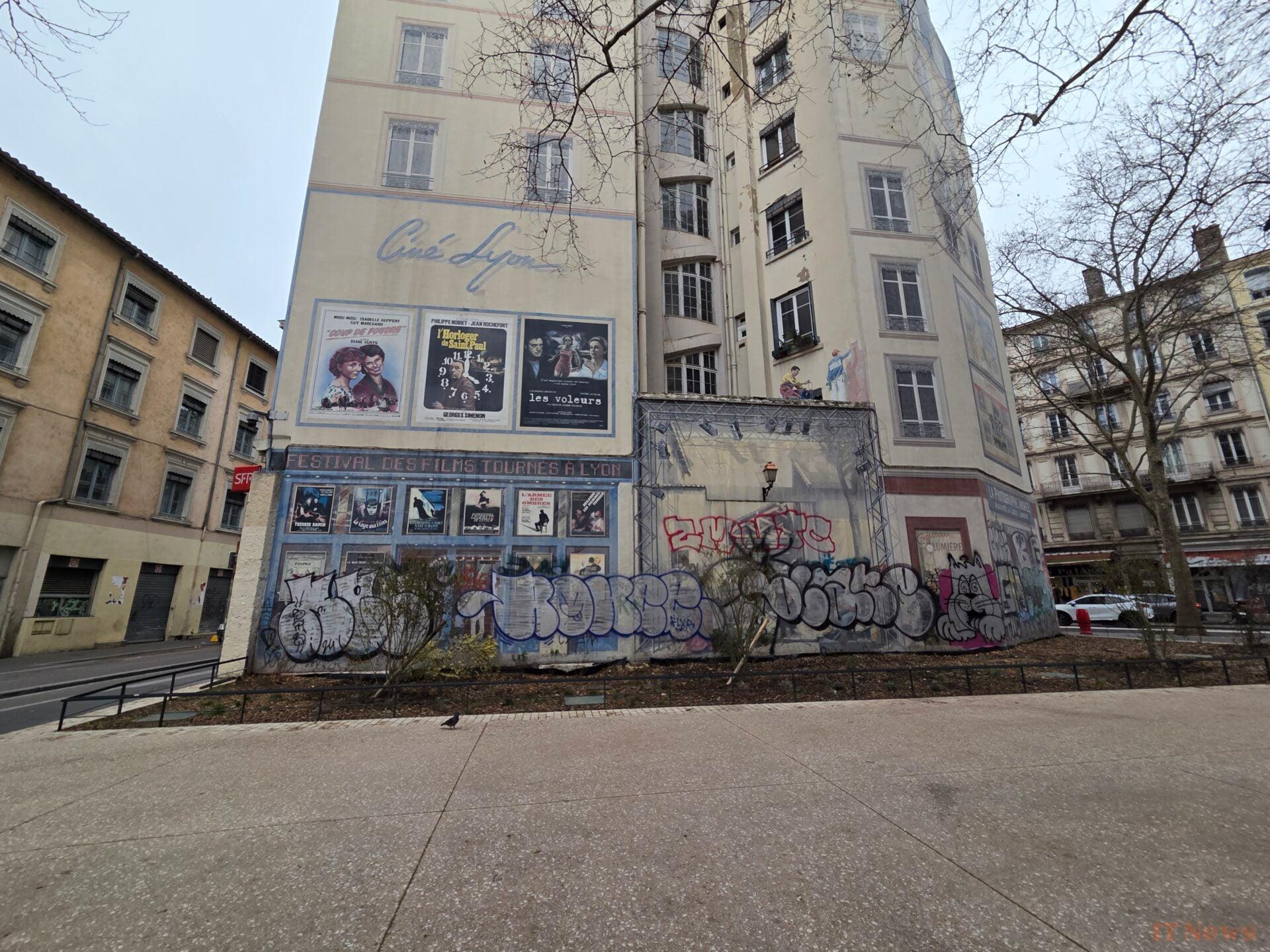
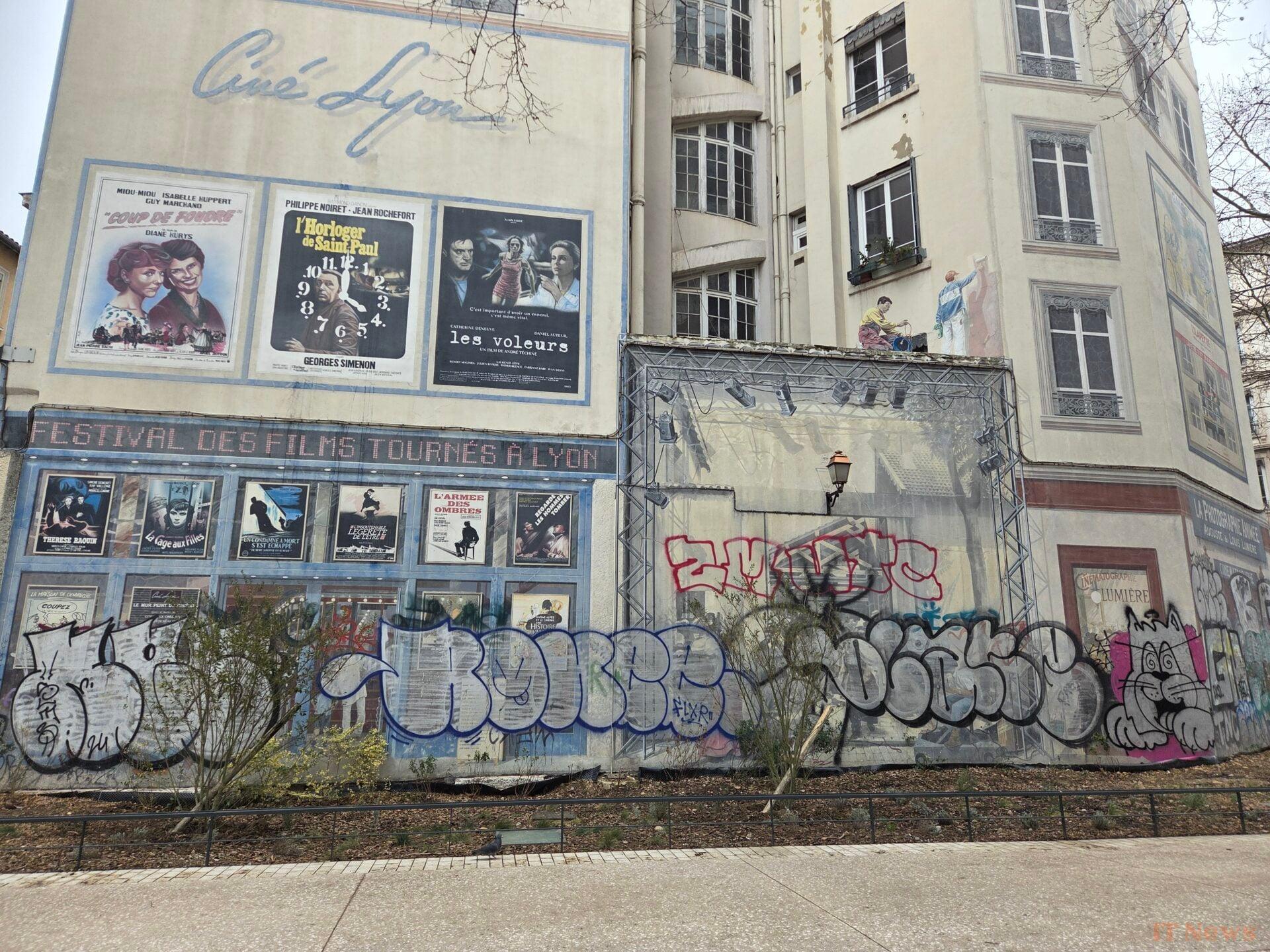












Finally, regarding video, Samsung has done things relatively well. Capable of filming up to a monstrous 8k at 30 frames per second, the Samsung Galaxy S25 can also reach 60 FPS by going down to UHD. It offers many tools depending on the situation. The Super stability mode is particularly effective for filming moving scenes (like sports). At night, if the main sensor does well, it is a little less the case for its comrades: the telephoto lens quickly adds a lot of noise and the ultra-wide-angle darkens the scene a little.
Autonomy: it's not the size that counts
The Samsung Galaxy S25 keeps a 4000mAh battery, which could be considered light when many competitors often much less expensive are around 5000, or even 6000. However, thanks in particular to its new SoC, energy management is improved and results in a convincing autonomy.
Our new test protocol calculates an autonomy of approximately 17 hours 30, when in practice with normal use the Samsung Galaxy S25 lasts without too much effort for a day and a half, or even two days. Watching an episode of a series on a streaming app in Wifi thus costs only 5% of battery.
On the charging side, if the Qi 2.1 wireless charging standard is there, Samsung remains timid on the fast charge at only 25 W. Many competitors do better here. The fact remains that with 19% reached in 10 minutes, and a total of 1h32 to reach 100%, most users should find their way around, although a little effort would be appreciated.


0 Comments