
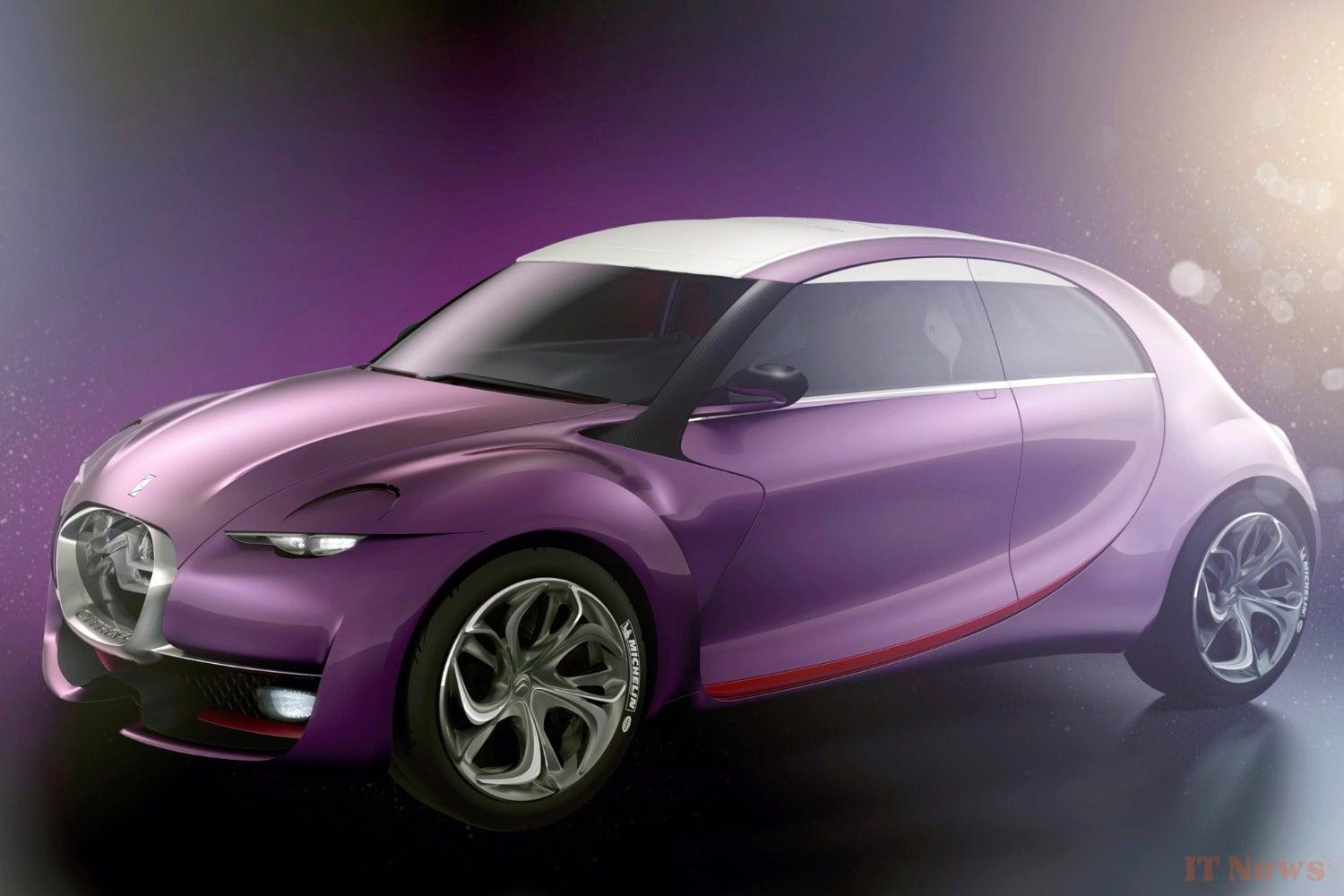
The Renault R5 E-Tech sells more than the Citroën ë-C3, which shows that the recipe for neo-retro design works, much more than one might think. Yet more expensive than its rival with the Chevrons, the electric city car with the diamond logo is in the process of drawing up a new strategy, which some competitors are seeking to follow, and which has earned it the Car of the Year 2025 award. Enough to change the minds of Citroën executives, who after having long denied the return of the 2 CV, are now thinking about its neo-retro design.
A new 2 CV would not arrive immediately, but if its development is confirmed, then it would target 2028, which would coincide with the 80th anniversary of the model.
In any case, this is what the British journalists at Autocar are claiming, who, relying on a high-ranking source at Citroën, announce that a return to the roots is being discussed to reconnect with the 30-year career of the French icon. Even crazier, Citroën would seek to play the retro card more than the neo, and therefore to push aside the modern side as Renault sought to do with the R5 E-Tech. Enough, certainly, to justify a simplicity in the service of manufacturing costs, and the philosophy of these models of yesteryear, which had participated in the success of the brand to offer a car to the people.
What place for an electric 2 CV in the Citroën range?
At present, a platform could already accommodate this replacement for the 2 CV. This would be the chassis shared within the Stellantis group like the C3 or the Fiat Grande Panda. To lower prices further compared to a C3, Citroën pointed the finger at the batteries of electric cars. Perhaps its production agreement in Spain with the Chinese CATL could help reduce this bill in the long term. The electric 2CV would thus be positioned between a Citroën AMI and an ë-C3, or between 7,990 and 23,300 euros. Opposite, it would be positioned as a rival with the Dacia Spring and the Leapmotor T03.
In the meantime, Citroën will take advantage of 2025 to launch a new, more affordable version of the new ë-C3. Like Dacia, the plan will be to integrate a smaller battery, to achieve a range of 200 km and a price under 20,000 euros, without any ecological bonus deducted. It will be ready to compete with the future Renault Twingo, and prepare the ground for this potential 2 CV.
Source : Autocar


0 Comments