
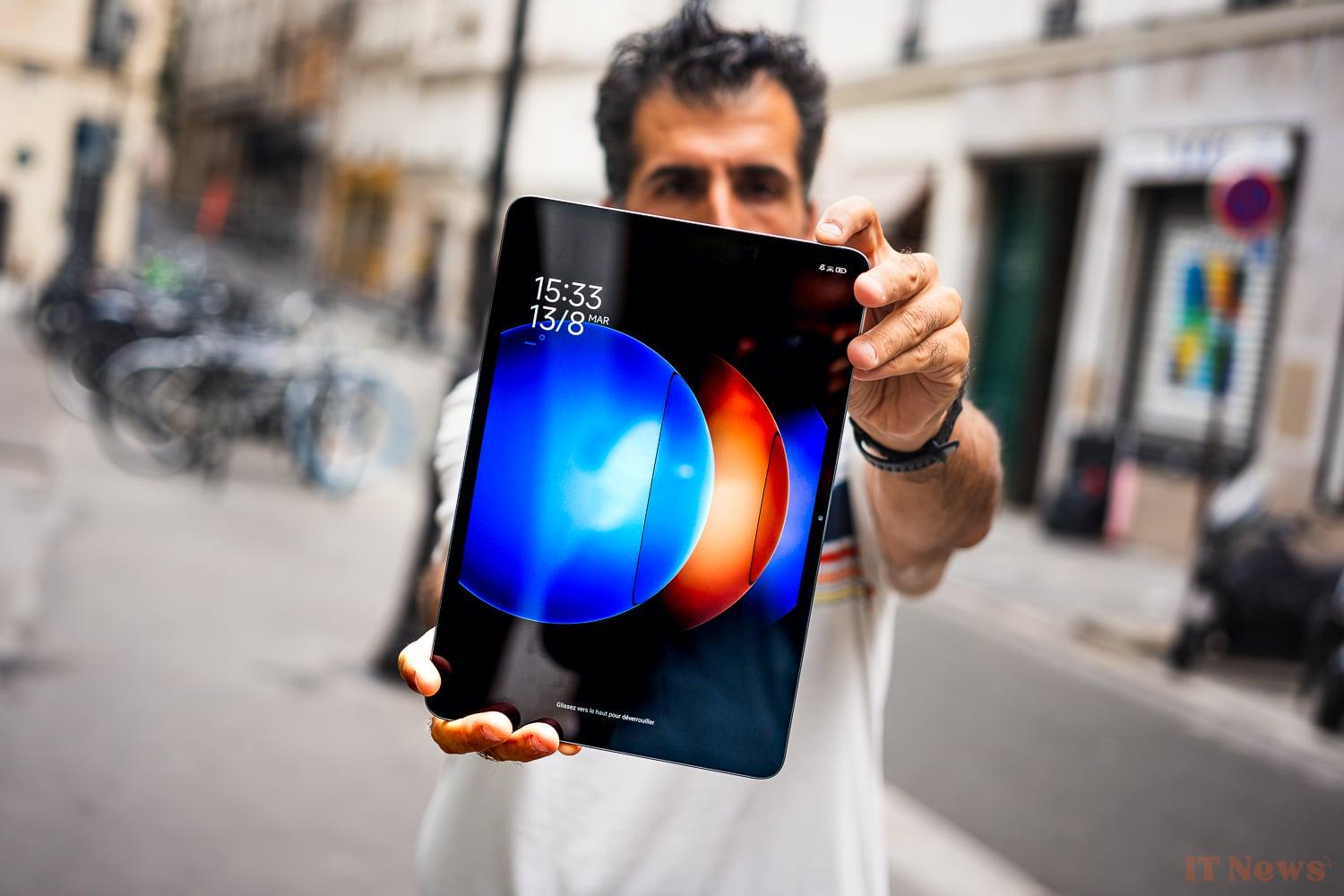
The Xiaomi Pad 6S Pro sees things in a big way with a 12.4-inch IPS LCD screen (144 Hz), a Snapdragon 8 Gen 2 chip accompanied by 8 GB of RAM and 256 GB of storage, as well as a 10,000 mAh battery. It is also the brand's first tablet under Hyper OS. All in an ultra-thin design that is reminiscent of that of the iPad Air M2 2024, Galaxy Tab S9 Ultra and other iPad Pro M4 2024. Enough to claim the title of best tablet on the market? Discover in this complete test our opinion on the Xiaomi Pad 6S Pro.
Summary
Refined design

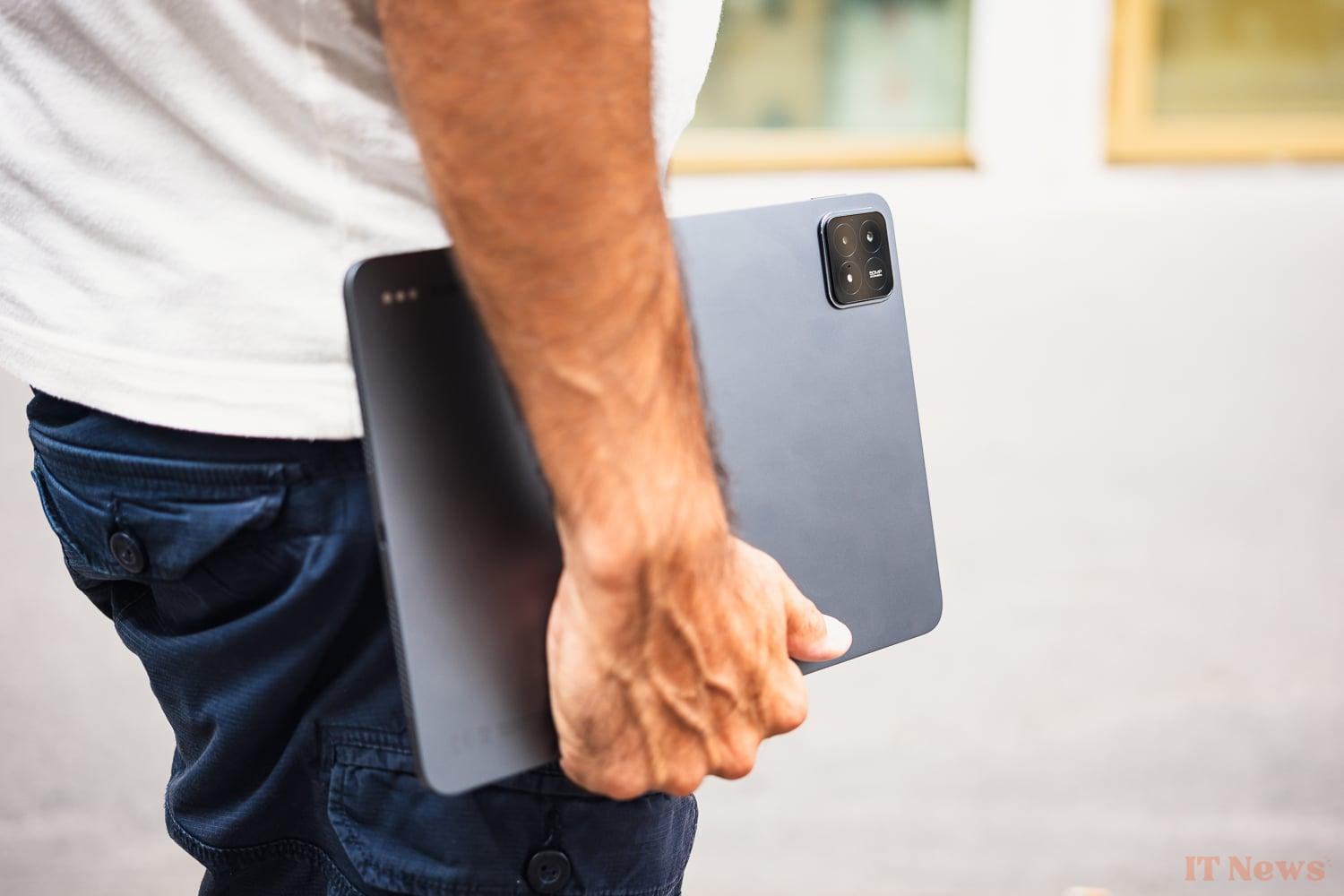
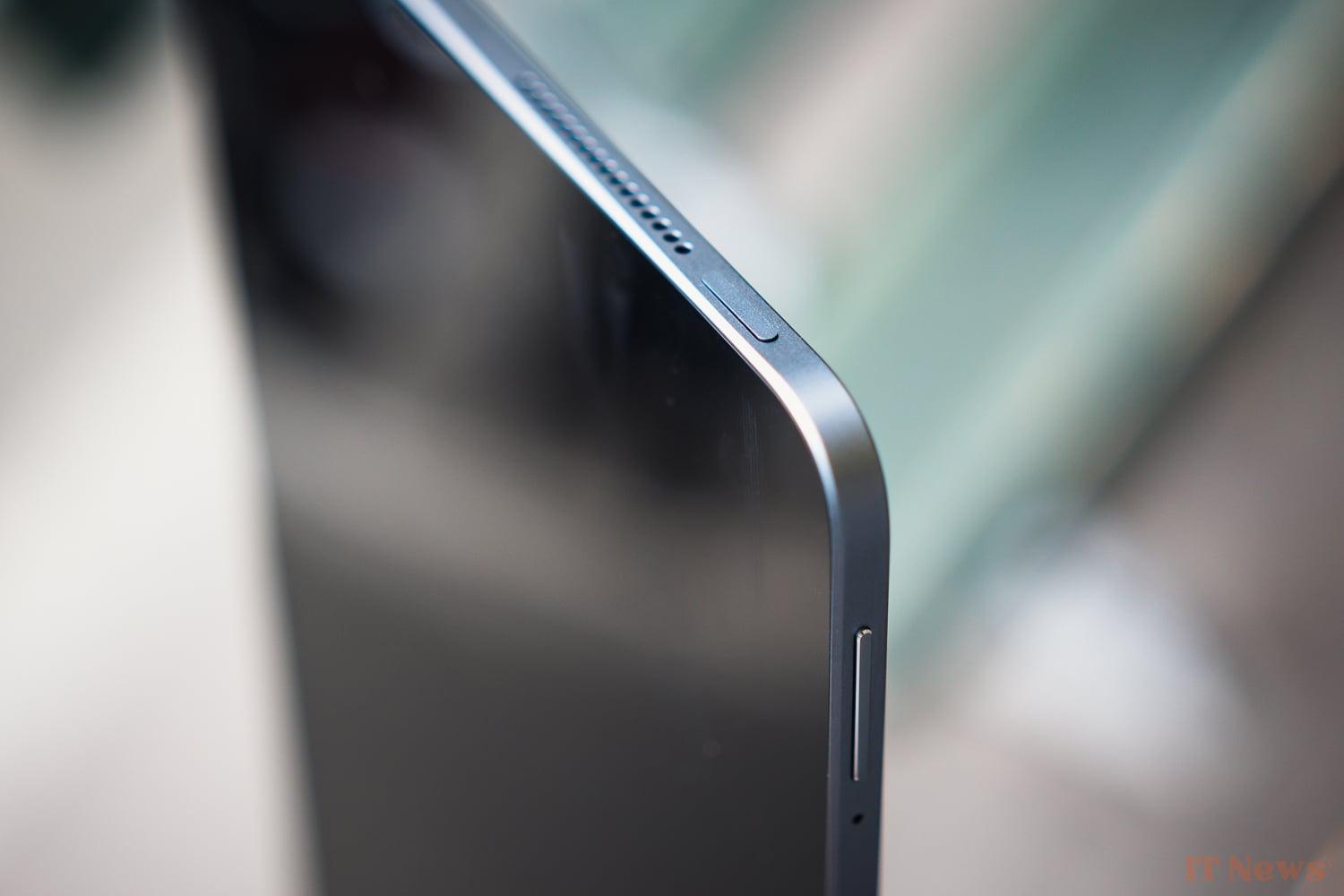
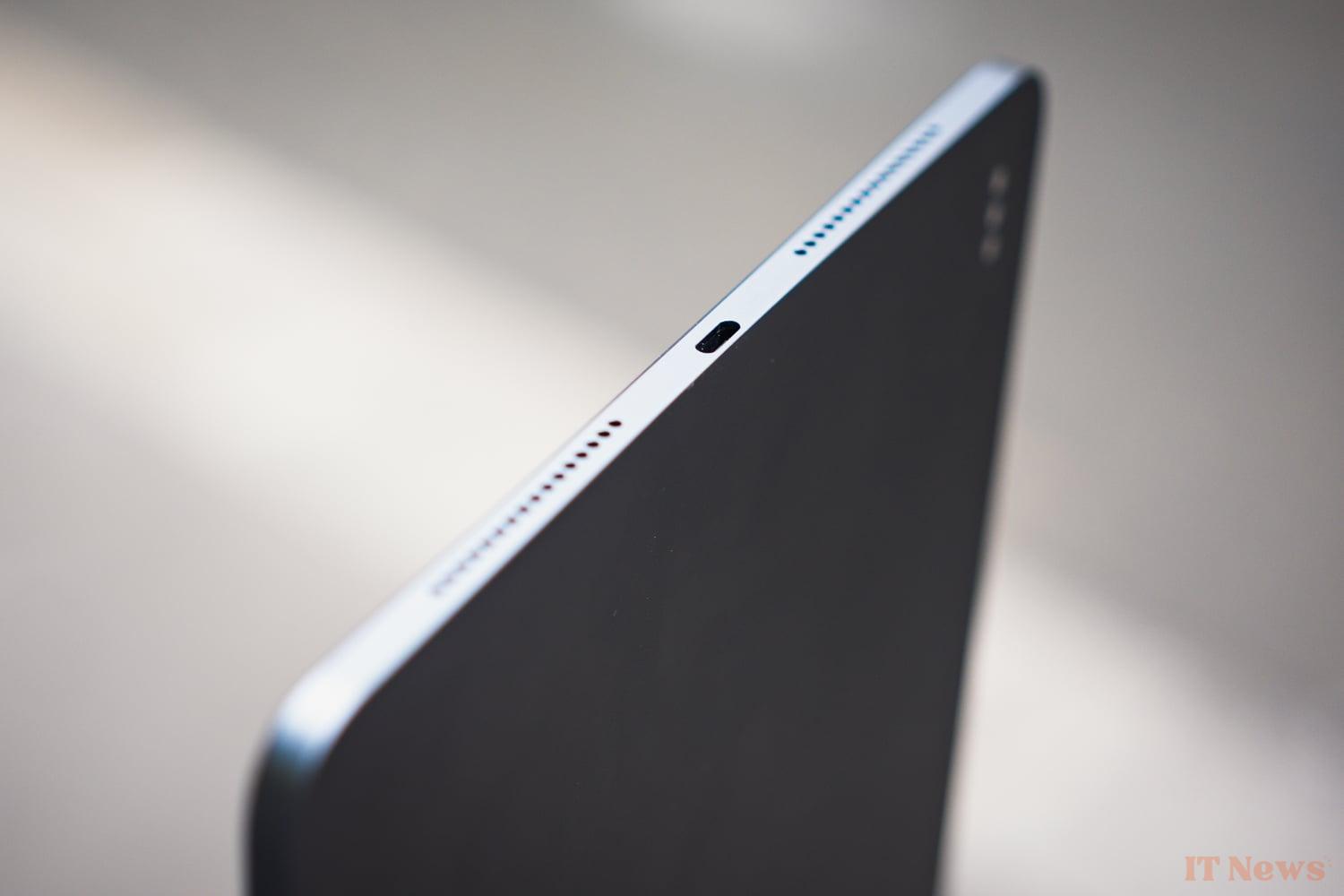
The 12.4-inch screen is impressive as soon as you turn it on. The black borders around the panel are contained and the flat frame allows for a good grip, despite the thinness of the tablet (0.63 cm). Its weight of only 590 g is also an asset given its XXL screen. Only the iPad Pro 2024 is lighter for a similar diagonal.
© Guillaume du Mesgnil d’Engente / 01net.com
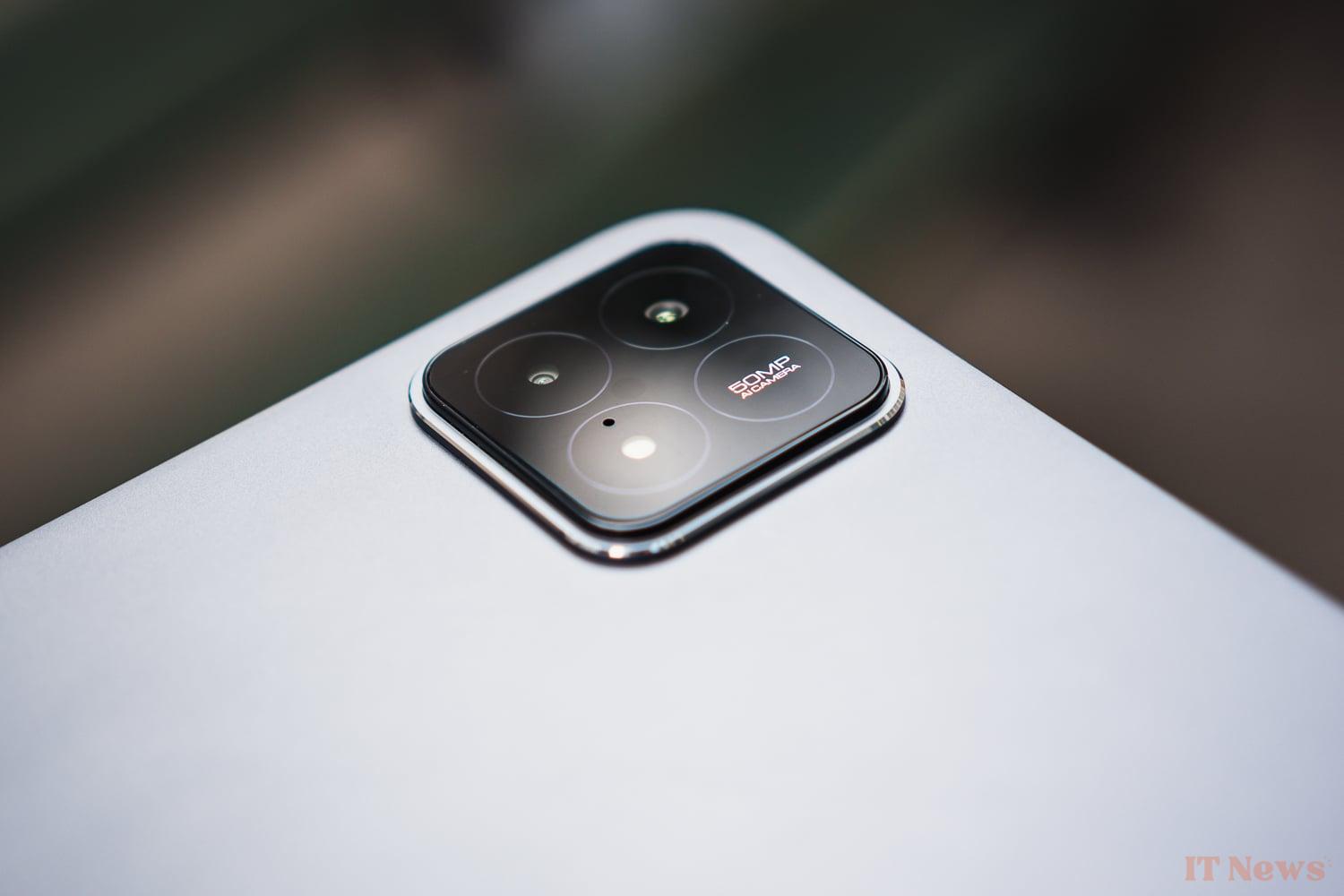
The aluminum chassis is very sober, and the camera block in the upper corner is reminiscent of that of the Xiaomi 14. It houses a 50 Mpx wide-angle module, a depth sensor, an LED flash and one of the tablet's microphones. The finishes of the Xiaomi Pad 6S Pro are impeccable, we are indeed in the presence of a high-end tablet.
Screen: we are amazed
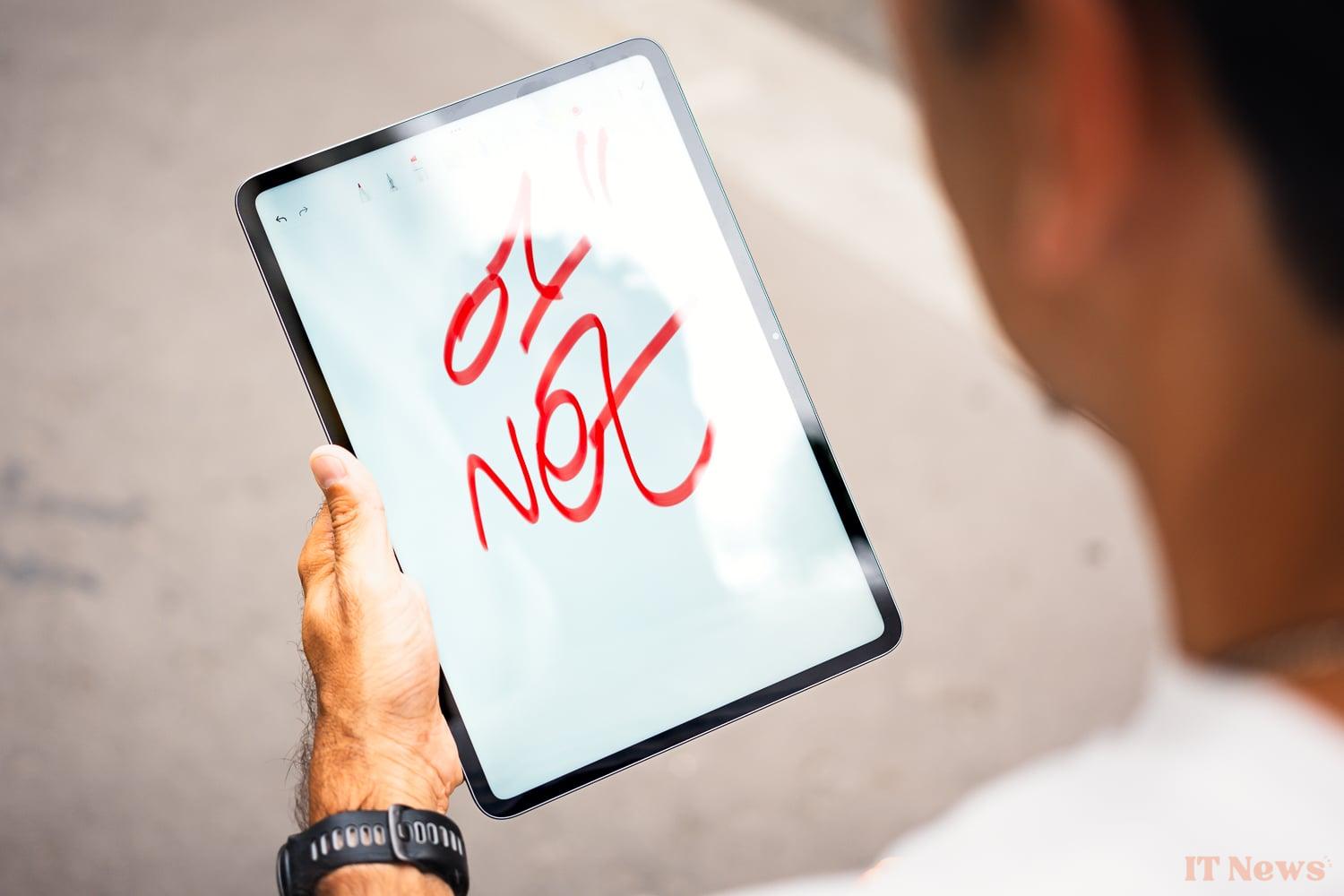
The Xiaomi Pad 6S Pro features a 12.4-inch IPS LCD screen with a resolution of 2032 × 3048 pixels (295 ppi). The panel is compatible with 12-bit color depth, as well as HDR10 and Dolby Vision. Everything is protected by Gorilla Glass 5. Our 01Lab tests highlight a good average brightness of 565 cm/m2 and a peak brightness in HDR at 686 cd/m2. Although it is behind what some competitors can offer, we are still on a bright panel that remains perfectly readable as long as you are not under a summer sun.
Contrast-wise, it goes up to 1067:1, which is a good score for LCD technology, but can't compete with OLED. A strategic choice for Xiaomi, which offers its Pad 6S Pro for less than €600. The screen is perfectly calibrated with an average delta E 2000 of 1.85, which highlights excellent color fidelity. The refresh rate can go up to 144 Hz and down to 30 Hz. You can also choose to lock the display at 60 Hz, regardless of the content displayed. In fact, the tablet rarely goes above 120 Hz.
Interface: Hyper OS aux commandes

The Xiaomi Pad 6S Pro runs on Android 14 with the Hyper OS interface. If you are used to the MIUI interface, you will not be disoriented, except that you can no longer use the old control center that groups shortcuts and notifications. These elements are now displayed in two separate panels.
The interface is nevertheless modernized with a new color palette, more stylized fonts and better fluidity. Hyper OS is also much more comfortable connecting to devices on your home network as well as those registered on your Xiaomi account. This way, you can easily broadcast your screen to other devices (PC, tablets), in addition to the classic sending of files via Mi Share. On the other hand, the Xiaomi Pad 6S Pro does not offer a desktop interface like Samsung can do with its DeX mode.
The interface's multitasking is particularly advanced, with the ability to put two windows side by side, and to add two floating windows on top. Four applications can thus be displayed simultaneously, to better take advantage of the large display surface.
On the other hand, we still regret the excessive number of pre-installed applications, around ten. We are talking here about "partner" applications such as Booking, TikTok or Facebook, but also Xiaomi applications that duplicate those of Google and take up storage space unnecessarily. Finally, Xiaomi promises at least three years of major OS updates and four years of security patches. The Xiaomi Pad 6S Pro will therefore receive HyperOS 2.0 under Android 15.
Performance tests: very good
In terms of performance, the Snapdragon 8 Gen 2, which can be found on high-end smartphones from 2023, no longer has much to prove. We are certainly not on an 8 Gen 3 or a Snapdragon 8 Elite, but Qualcomm's chip has enough under its feet to perform any task without flinching. The 8 GB of LPDDR5X RAM and the 256 GB of UFS 4.0 storage are perfect companions to the tablet's CPU and GPU.
Beyond the benchmarks you can see above, the tablet is very comfortable in multitasking, but also in gaming. We ran Genshin Impact, one of the most demanding games on the Play Store, at 60 fps with the graphics at maximum without any problems. We also measured a thermal amplitude of only 16.7 °C. The tablet therefore knows how to keep a cool head when you push it to its limits.
Speakers: a tablet that has some power

There are no fewer than six speakers supporting Dolby Atmos sound on the Xiaomi Pad 6S Pro. They are positioned under the four speaker grilles on each side of the tablet. We were able to listen to music and watch videos without having an irresistible urge to plug in headphones or earphones. The volume is powerful, the bass deep and the voices perfectly intelligible. On this point, the Chinese brand has done a remarkable job.
Camera: rather good
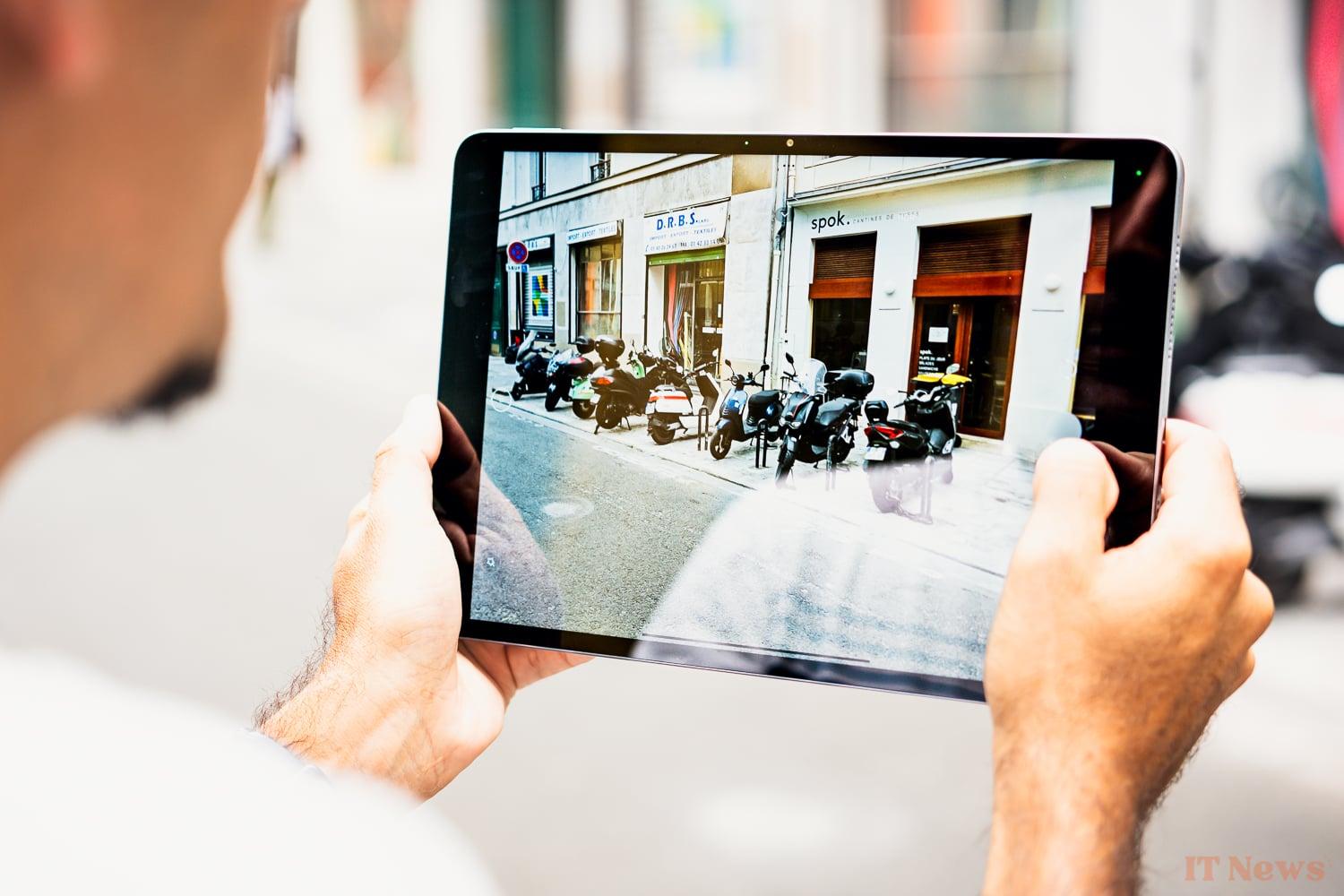
The photo configuration of the Pad 6S Pro is very simple: a 50 Mpx wide-angle module and a 2 Mpx depth sensor, as well as an LED flash. The front camera is 32 Mpx. The photo app is efficient, with a single automatic mode that does its job perfectly.
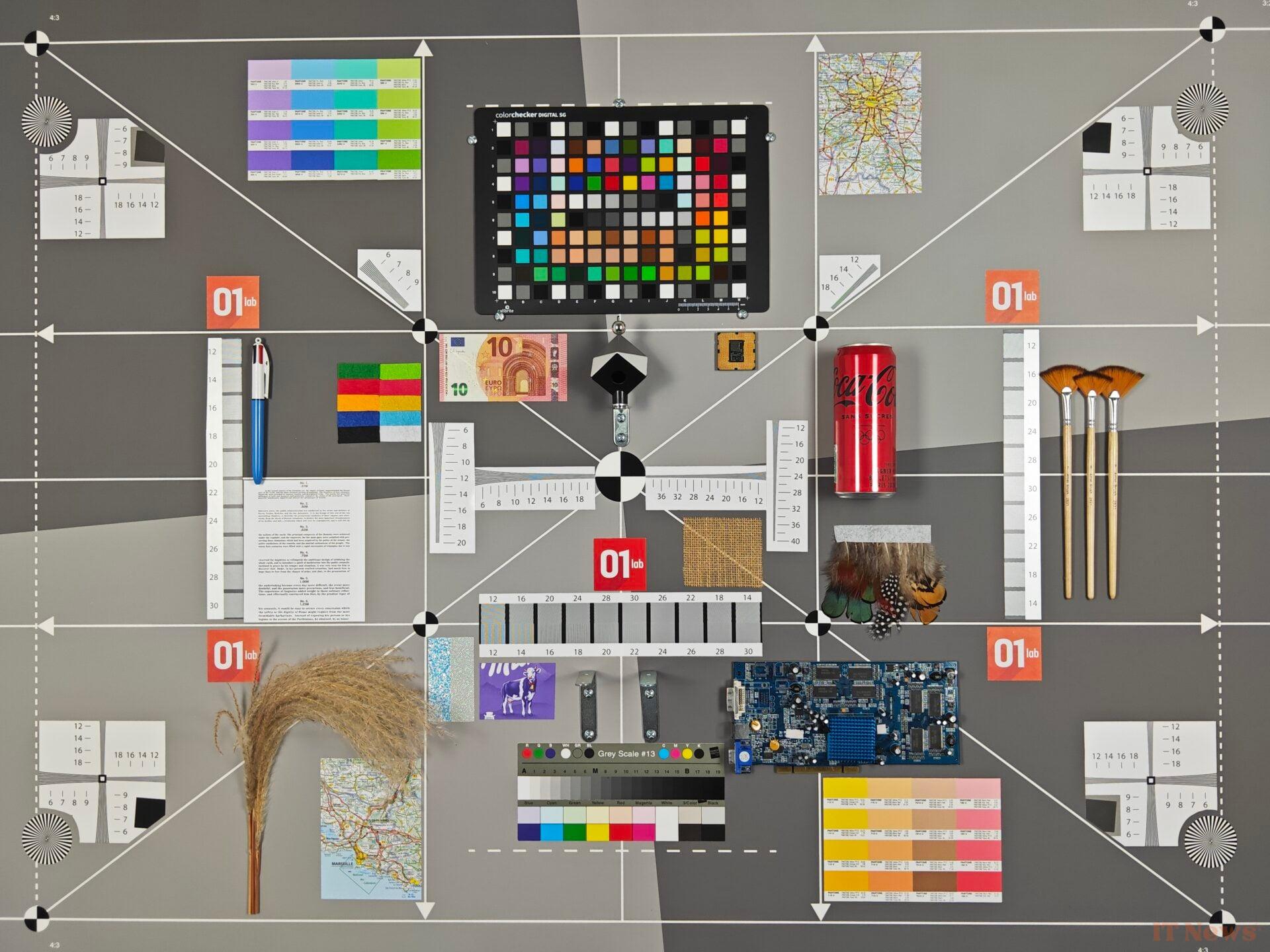
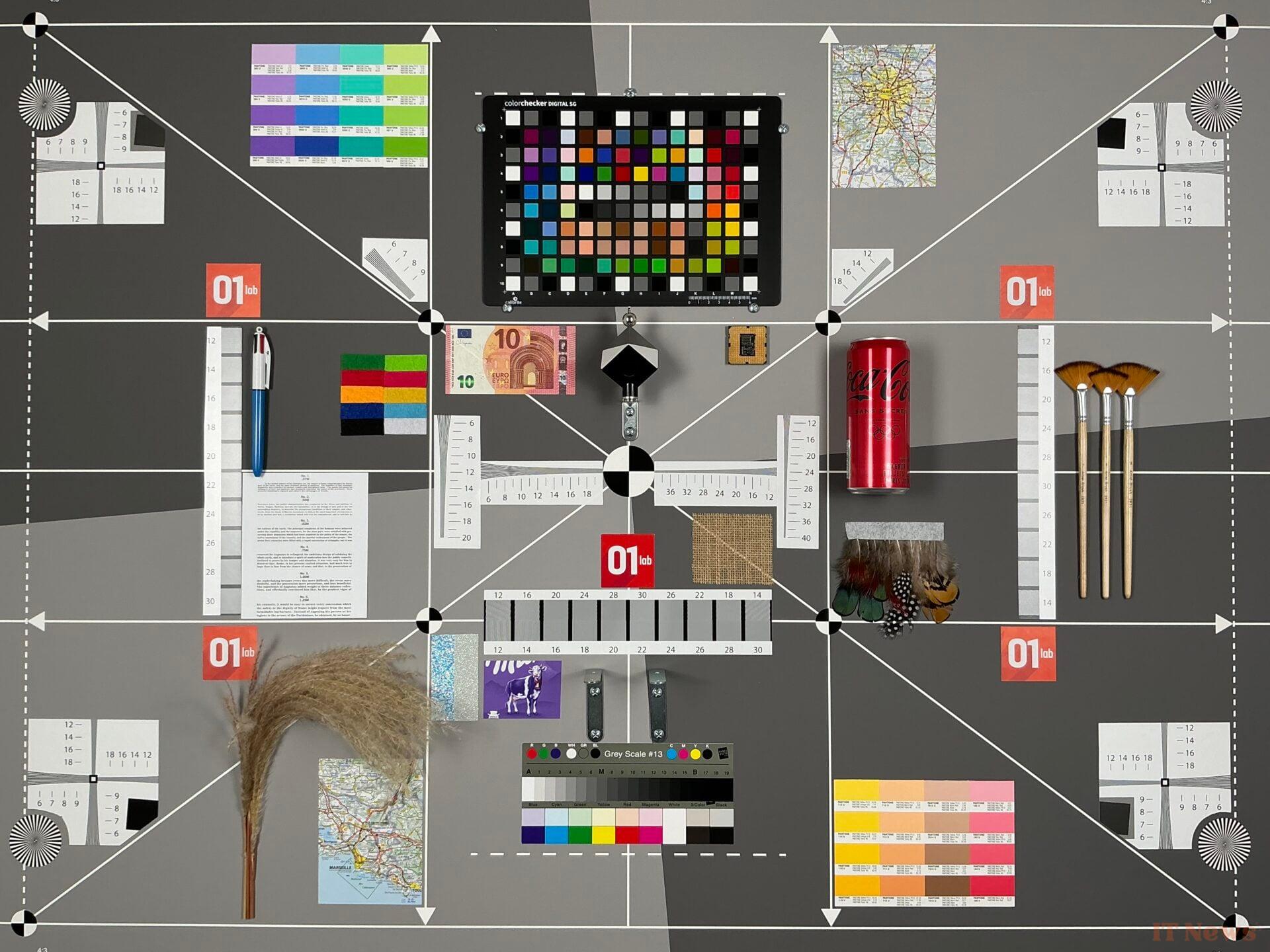
Wide-angle photo in high brightness: the Xiaomi Pad 6S Pro on the left, the iPad Air M2 2024 on the right.
By default, the shots are captured in 12.5 Mpx (4 in 1 pixel binning). The sharpness is good, the colors precise and the dynamic range convincing. As you can see below, the rendering is more natural and less contrasted than what the 2024 iPad Air M2 offers.
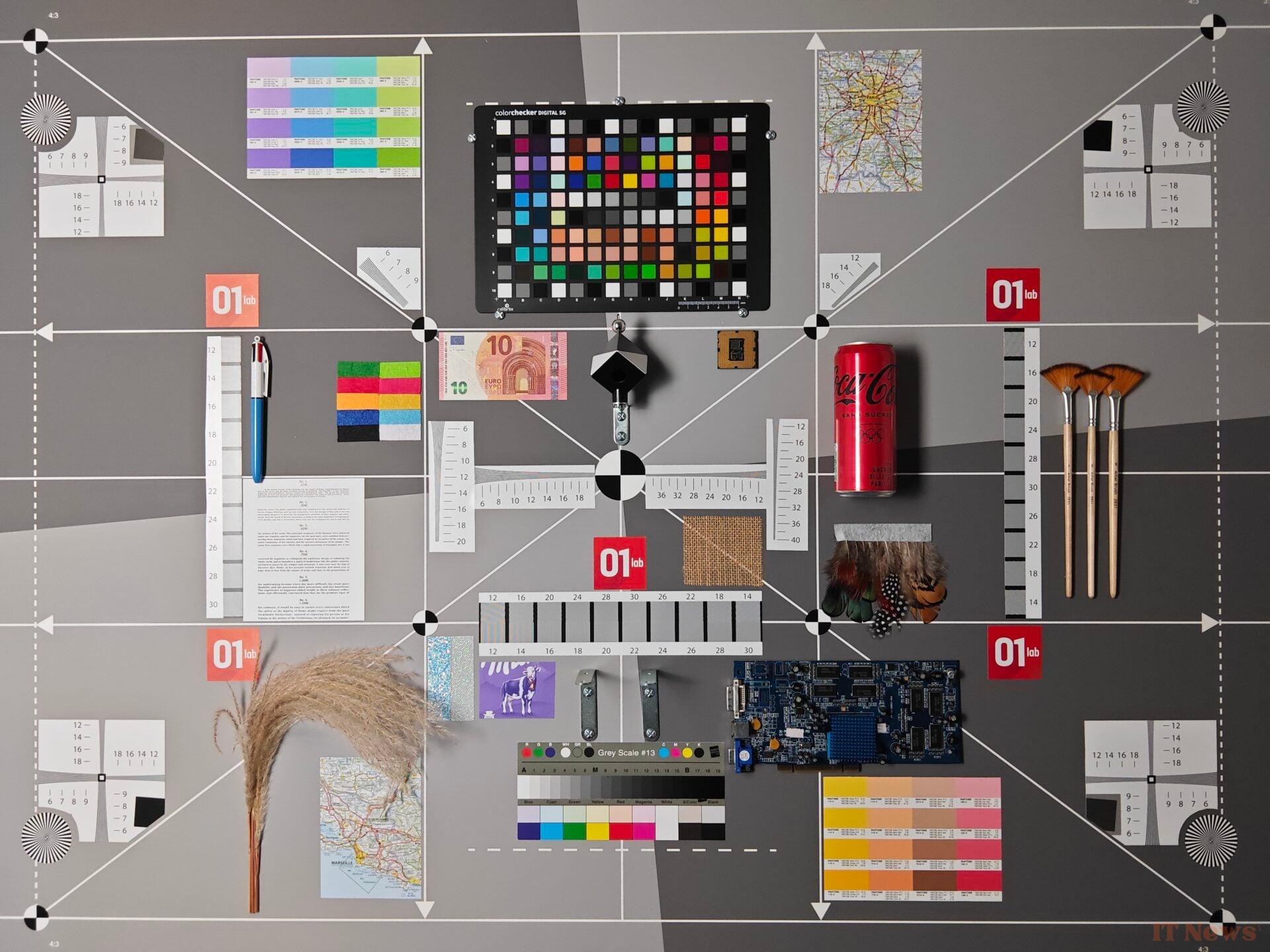
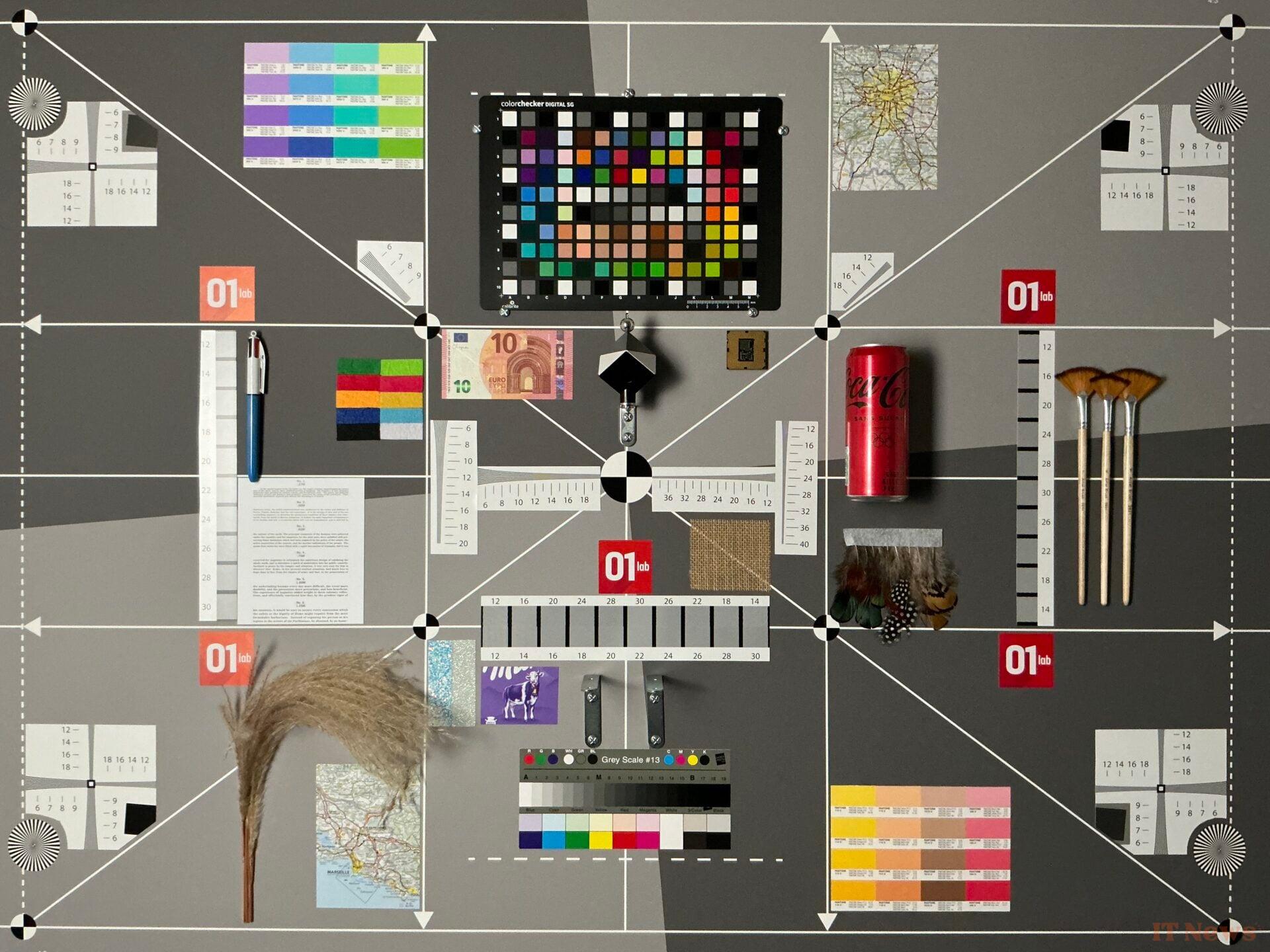
Wide-angle photo in low light: the Xiaomi Pad 6S Pro on the left, iPad Air M2 2024 on the right.
When the light drops, digital smoothing is more visible, but handled quite well by the Xiaomi tablet. The colors are a little more washed out, however. A good performance overall for such a large tablet whose camera will mainly be used to scan documents and other QR codes.
Solid autonomy and very fast recharge
The Xiaomi Pad 6S Pro is powered by a 10,000 mAh battery. Our 01Lab measured 13 hours and 6 minutes of autonomy. That’s several hours less than the latest iPad Air M2, but more than what the Google Pixel Tablet offers and similar to the endurance of the Galaxy Tab S9. Our opinion on the autonomy of the Pad 6S Pro is more than positive given the impressive size of its screen, which is necessarily energy-intensive.
But where Xiaomi's premium tablet shines is in its charging speed. The Pad 6S Pro comes with a 120W charger that allows it to go from 0 to 100% battery in just 59 minutes. On this point, the competition is no match.
Xiaomi Pad 6S Pro Price
Launched at the recommended price of €699, the Xiaomi Pad 6S Pro is now available for less than €600 from most online retailers. A very attractive price considering the many qualities of the tablet, which has nothing to be ashamed of when faced with competition from the Galaxy Tab S9 FE+, which can be found at the same price, and a much more expensive iPad Air M2 2024.


0 Comments