
Every year, the Redmi Note sets itself a simple goal: to bring features previously present on the high-end to more accessible prices. But with an increasingly mature market, competitors who have finally stepped up their game on the entry-level, are the Redmis still as relevant? Start of the answer with our test of the most high-end of the bunch, the Xiaomi Redmi Note 14 Pro+.
Price and release date of the Xiaomi Redmi Note 14 Pro+
The Redmi Note14 Pro Plus is sold for 503 euros on the manufacturer's website in its most equipped version, 12GB of RAM and 512GB of storage. There is also an 8GB RAM and 256GB storage version.
Design: efficient and versatile
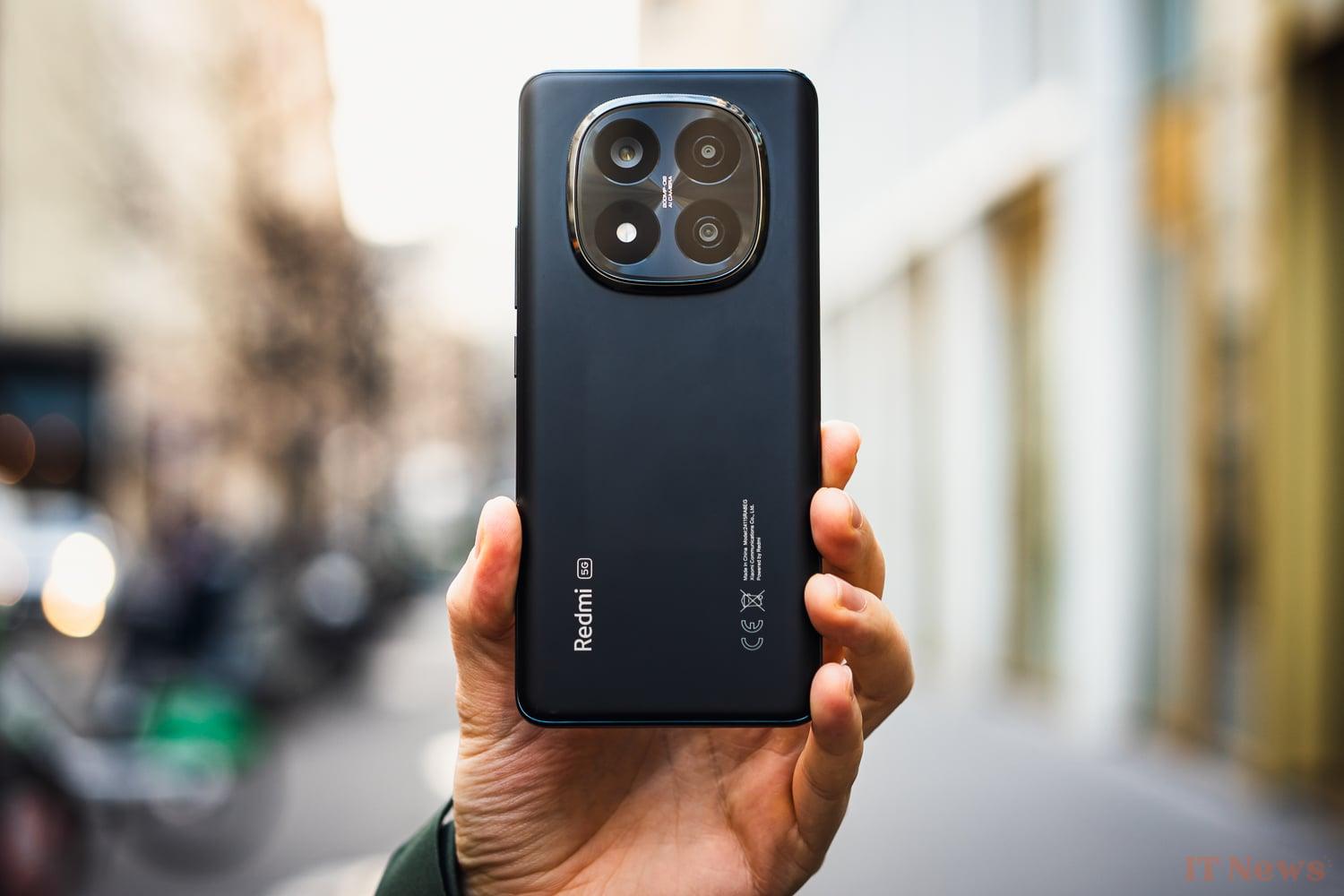
The Redmi Note 14 Pro+ is efficient with its matte black back (for our model, there is also a purple or blue version) and its central photo module with a square with rounded corners. The module rests on a textured base, not unpleasant to the touch, and accommodates three photo modules and a flash in its center, distributed in the four corners.
Without judging the aesthetics, which is up to you, let us nevertheless note the absence of risk-taking or desire to stand out from the crowd on the part of the Chinese manufacturer. The whole is neat and the finishes are quite correct.



If you slide on the edges, you will notice that they are curved. To be more exact, the back of the phone flows towards the edge, just like the screen and the Corning Gorilla Glass Victus2 that protects it. This results in a feeling of increased immersion, due to the black borders around the virtually invisible screen. On the other hand, in terms of handling, the edges are rather prominent and the opposite of the flat edges, which have the merit of offering a certain stability.
On the side edges, still, you will find the volume and lock buttons on the right. The latter falls perfectly under the thumb, and the volume buttons, as is often the case, are placed a little high and sometimes require moving the hand. As is often the case, the edges become flat at the top and bottom of the device, to accommodate the SIM drawer (dual SIM by the way and the smartphone also accepts a physical SIM + an eSIM). Right next to the drawer and the USB-C, you will also find one of the speakers.
The smartphone is not particularly light (210g), especially compared to competitors like the Honor Magic7 Lite (189 g). Also, we cannot call it thin, it is even the opposite, since it is 8.75 mm thick (the Honor, still it, goes down to 8 mm). Despite everything, it manages to catch up on balance and does not give an impression of particular heaviness, especially given its size, with a large 6.67-inch screen.
The latter is pierced in the middle by a punch for the selfie camera. The latter is surrounded by fairly large black borders, one of the only small concessions on the design. In this section, let us also mention the chin, affectionate name given to the lower edge of the screen, which is here a little thicker than the rest, even if it remains discreet. At the bottom of the screen, hidden under the surface, is the fingerprint sensor. This one is a little narrow and placed really low, which means you have to try a few times at the start.
The Chinese manufacturer has provided IP68 certification to guarantee its smartphone against total immersion in water, as well as dustproofing.
Screen: correct, but without shining
The screen of the Redmi Note14 Pro+ is a 6.67-inch Oled panel, with a definition of 2712 x 1220 pixels, which gives a very comfortable definition of 445 ppi. As usual, we now have a 120Hz refresh rate and infinite contrasts offered by the Oled panel. The screen supports Dolby Vision.
Xiaomi promises a maximum brightness of 3000cd/m². The 01Lab measured a maximum brightness of 1249cd/m² in SDR and 1271cd/m² in HDR. This is not particularly impressive in absolute terms, but when put into the context of the market compared to its competitors, we see that the Redmi is slightly above the rest, apart from the Pixel 8a which is flying above the masses.
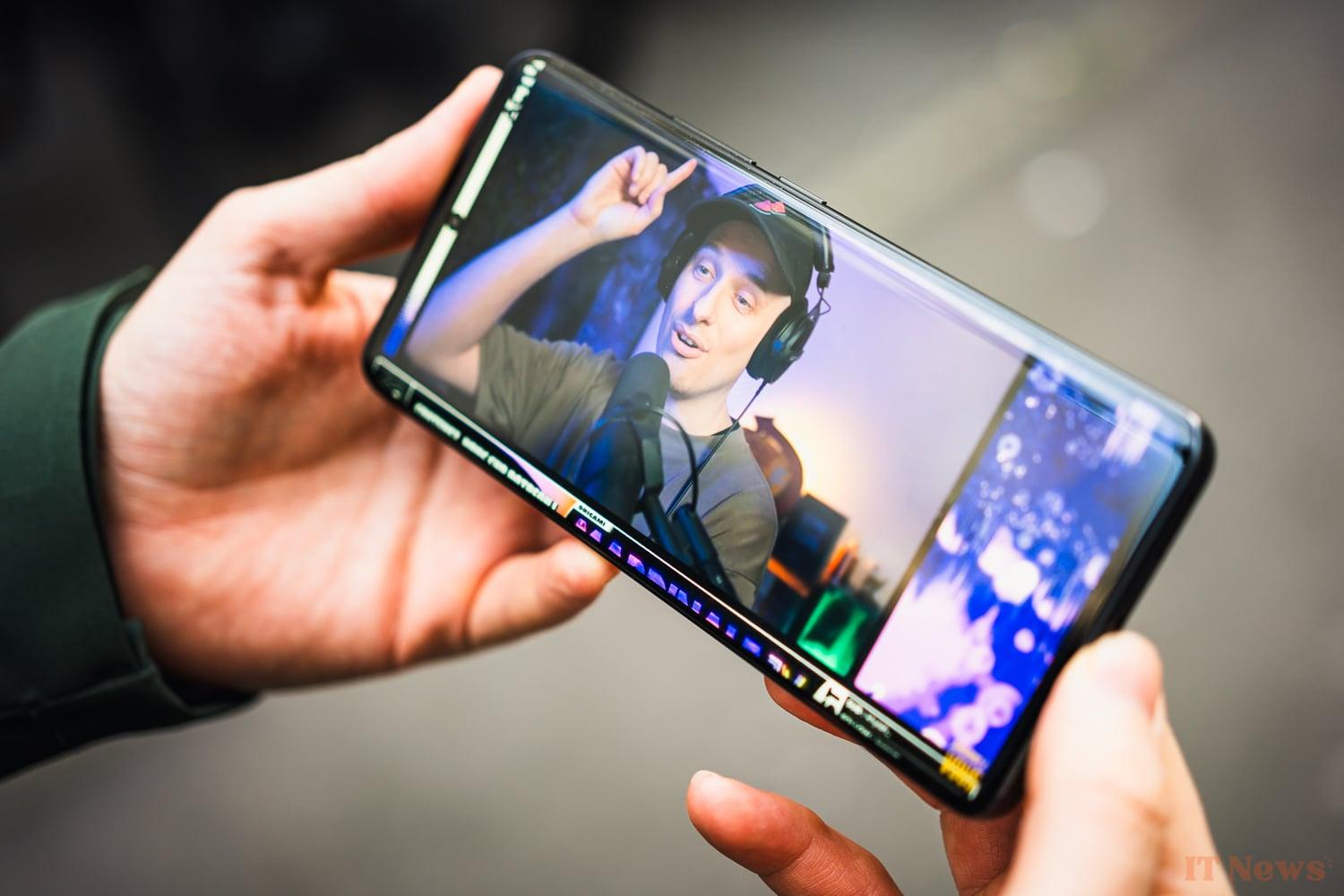
For color accuracy, it’s a bit the opposite. The Redmi is at the back of the pack with an average delta E 2000 of 4.29, only surpassed in inaccuracy by the Honor Magic7 Lite with 5.31 (the higher the value, the less precision is required). However, let's be clear, the best of the lot, the OnePlus Nord4, is not so far away, with a value of 3.64.
For information, the "Original pro" color mode offered by the interface, operating in sRGB, i.e. a more restricted color spectrum, but therefore easier to manage, displays an average delta E of 2.15 which is much more acceptable.
Software: HyperOS1.0 and the party of clumsiness
The Redmi Note 14 Pro Plus runs on Android 14, with Xiaomi's interface, HyperOS in its version 1.0. It will benefit from 4 years of major updates and 6 years of security patches. It's starting to be frankly light compared to a Pixel 8a and a Galaxy A55 with 7 years of updates and an Honor Magic7 Pro which plays the game with six years of updates.
HyperOS is one of those interfaces that is particularly unwelcoming at first glance. The fault lies in questionable choices, such as the integration of numerous bloatwares (pre-installed software) or in a more than haphazard management of notifications to push content.
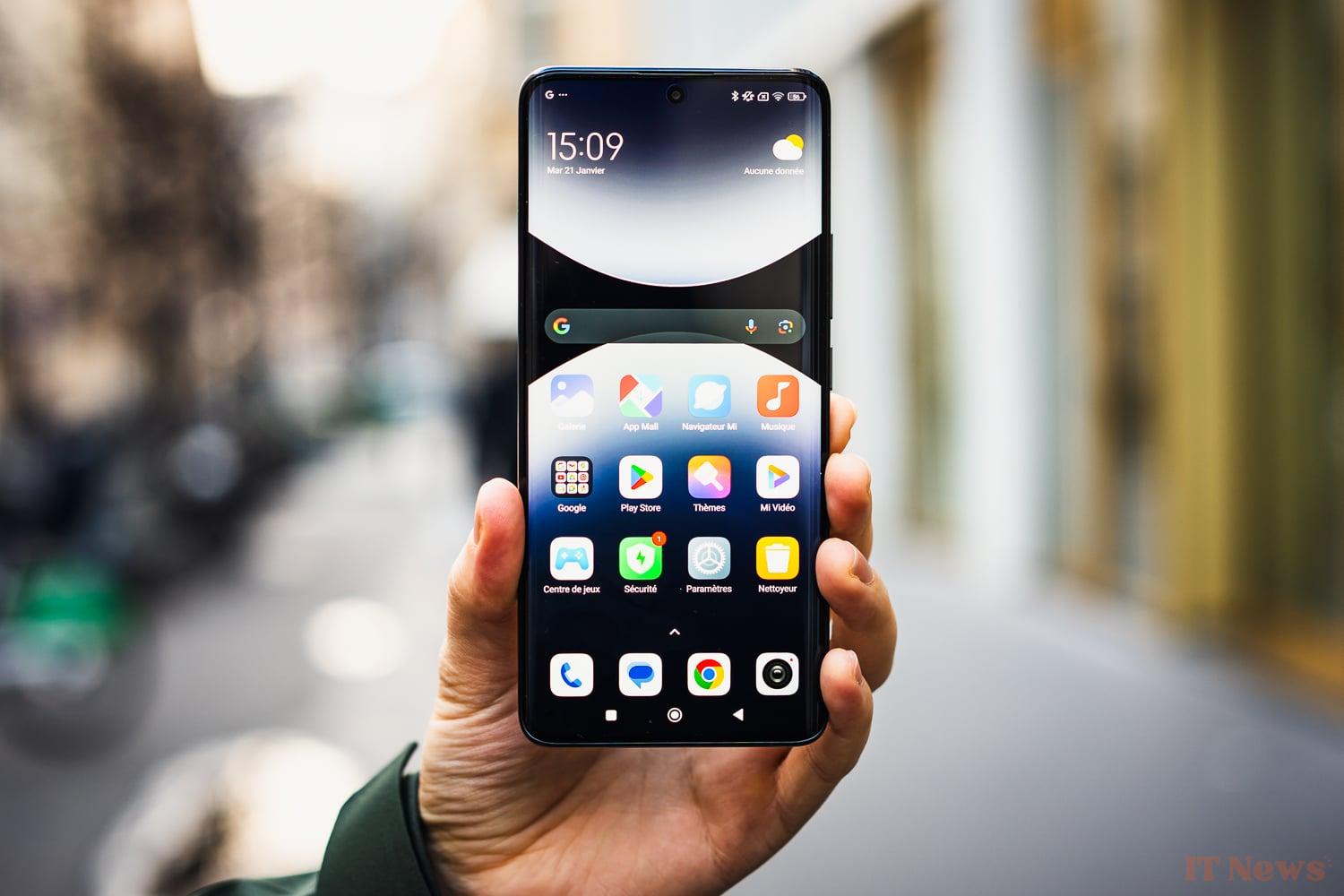
On the bloatware side, if we have to detail, from the first ignition, you will be entitled to the Amazon Store, Facebook, TikTok, WPS Office, Amazon Music, LinkedIn, Spotify and AliExpress. As the other would say, that's a lot there, right?
As for notifications, HyperOS seems determined not to respect the healthy foundations laid by Android and Google for a few years, which consist of asking the user when starting each application. There, if you have the misfortune to open the Xiaomi web browser or if, through carelessness, you open the application with the seemingly harmless name "Music", you will find yourself with a regular stream of notifications, each one more useless than the last.
So of course, uninstalling a few applications, blocking a few notifications, it takes 5 minutes. But we have known a more friendly welcome on a smartphone, so the first few minutes promise to be frustrating.
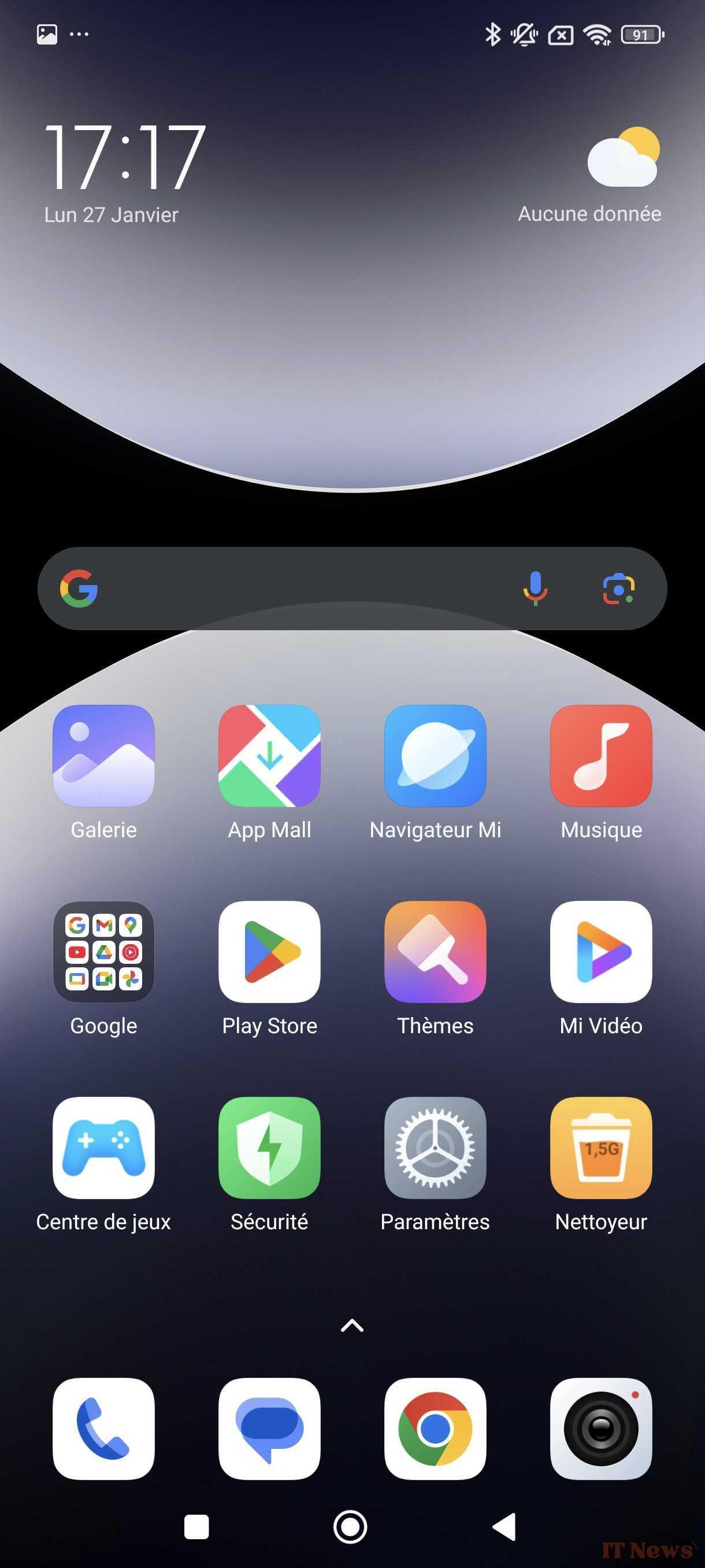
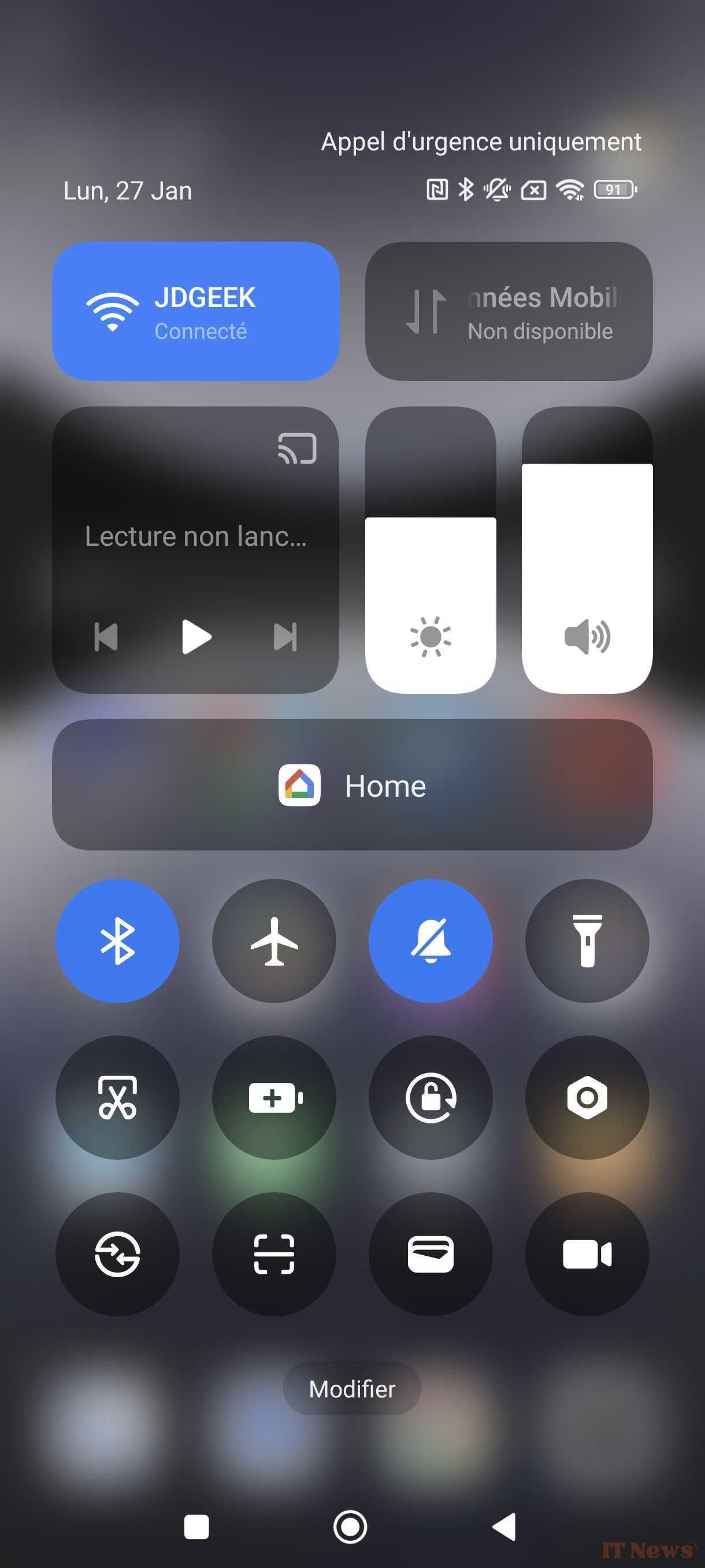
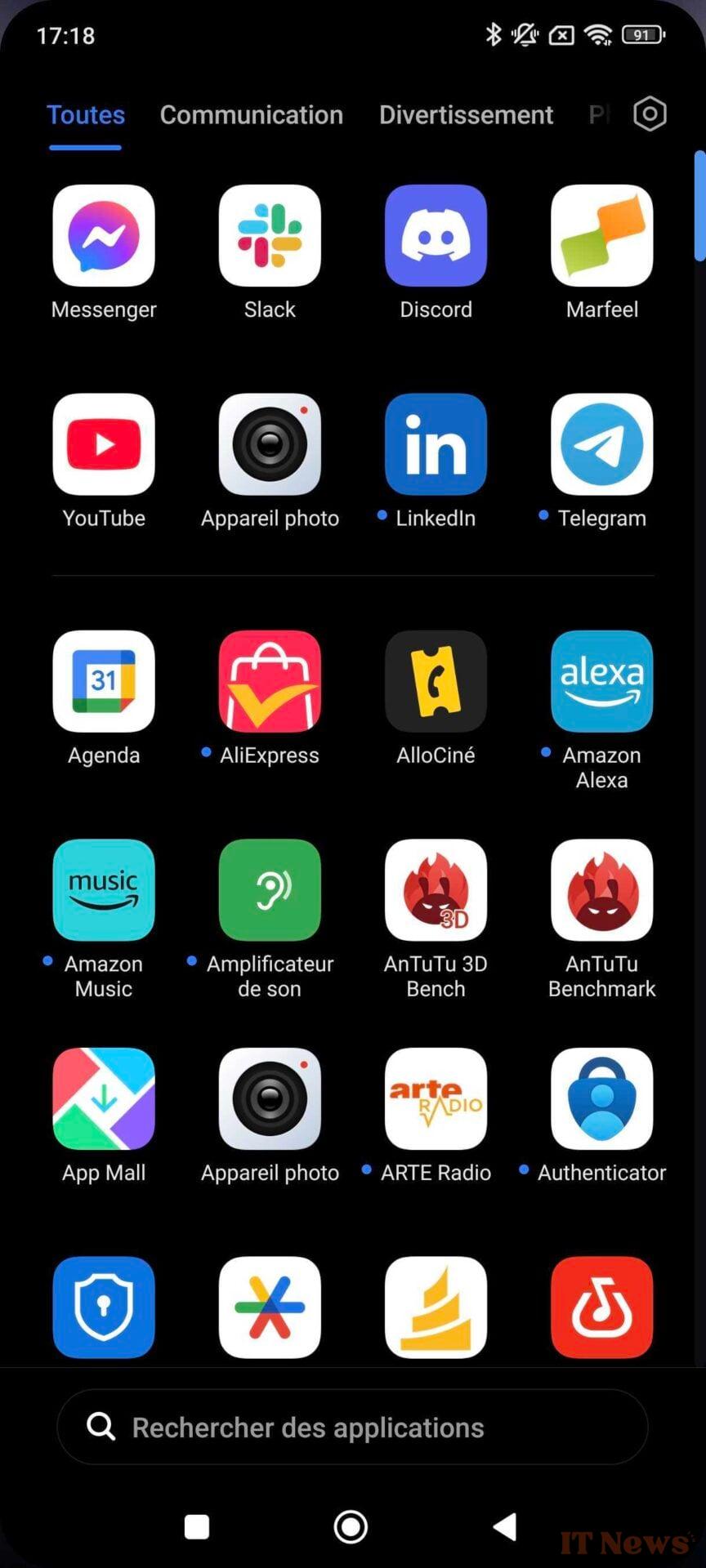
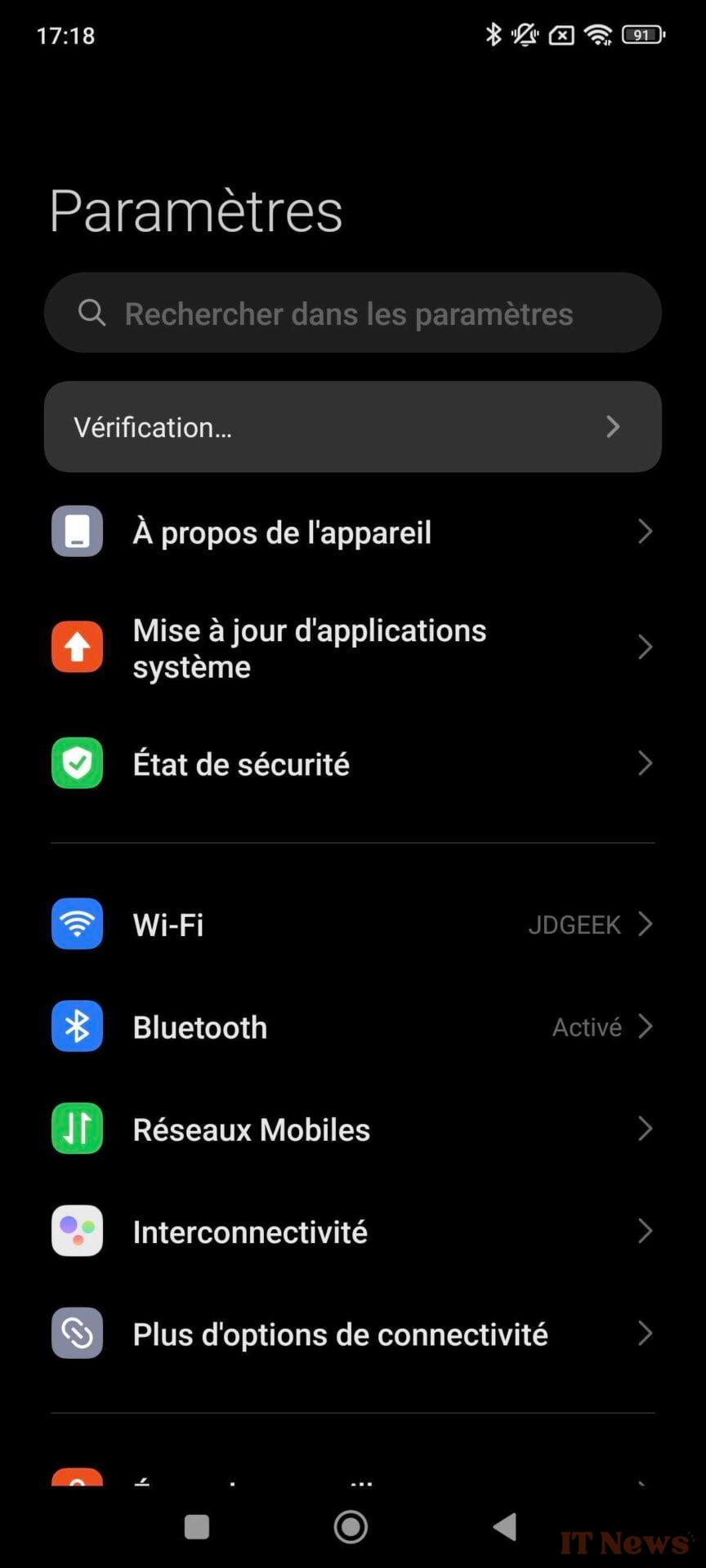
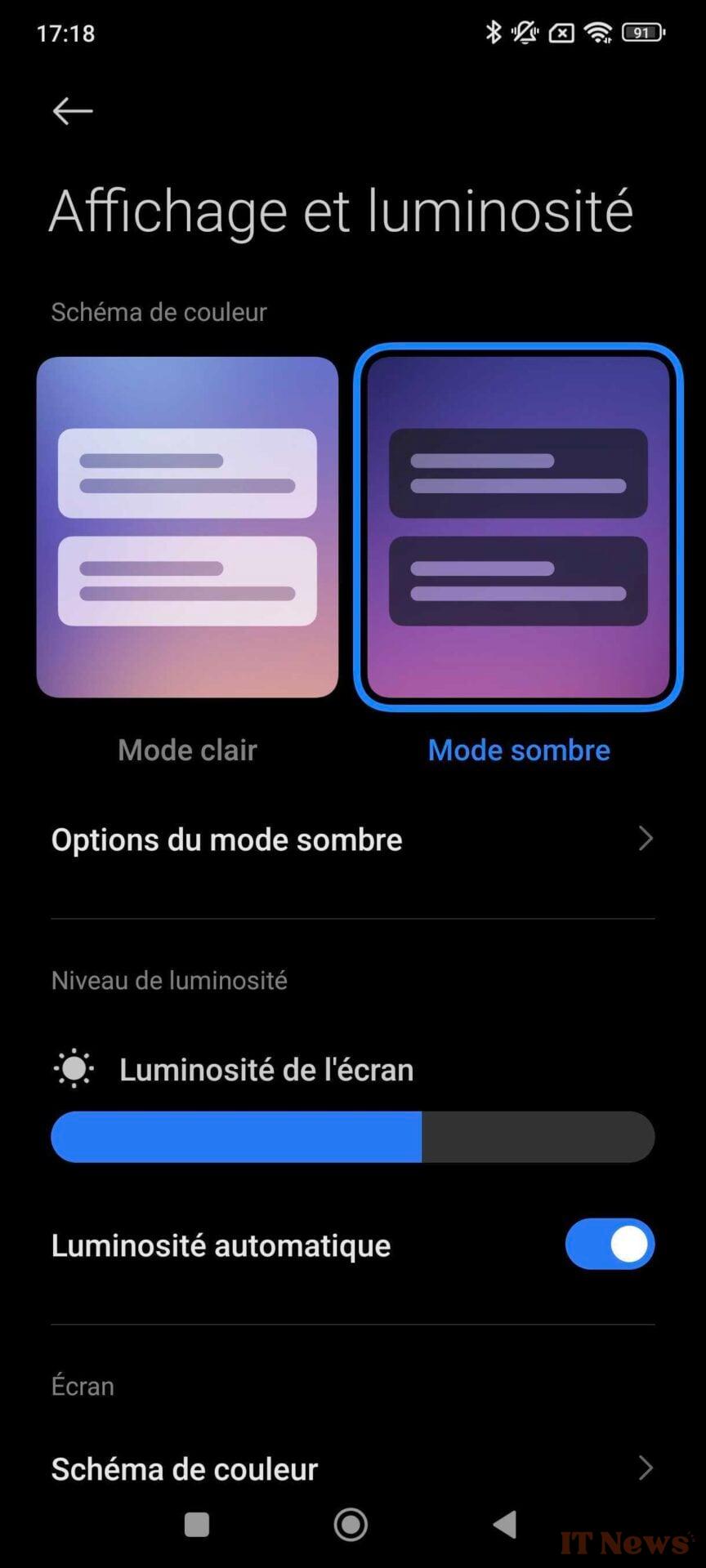
This is all the more unfortunate because once these hiccups are over, the horizon clears. We are pleasantly surprised by the little space taken up by the system, 9.48 GB, the animations are fluid, the menus are full of fairly fine settings, the shortcuts panel is very pleasant to use, as is the application drawer and all the basic options for a smartphone are there.
Unfortunately, Xiaomi still does not offer the Monet system, which retrieves the colors from the wallpaper to apply them to the entire interface. Speaking of wallpaper, Xiaomi's system of themes to buy is really not very pleasant to use. We also regret the lack of ergonomics of HyperOS which sometimes makes certain settings difficult to find.
Like all interfaces, HyperOS integrates the suite of Google tools that use generative AI. So we have the right to Surround to search and Gemini, but also to the usual interpreters, help with note-taking, help with image editing (for the latter, you will have to download the corresponding plugins). These will be updated on January 31, 2025 and could potentially be improved.
Overall, the integration of these tools suffers from a lack of ergonomics. The operating mode for invoking them is not always the clearest. In addition, you will need a Xiaomi account to access them and some features are not up to par. Judge for yourself with the magic eraser below, which was supposed to make the man on the left of the statue disappear, or the automatic translator that displays the text twice.


Photo: what are the 200 Mpx worth?
Here is the complete photo configuration of the Redmi Note14 Pro Plus:
- Wide-angle main module, 200 Mpx sensor, f/1.65, 1/1.4 inch type size sensor,
- Ultra wide-angle module, 8 Mpx sensor, f/2.2
- Macro module, 2 Mpx sensor, f/2.4.
- Selfie module, 20 Mpx sensor, f/2.2.
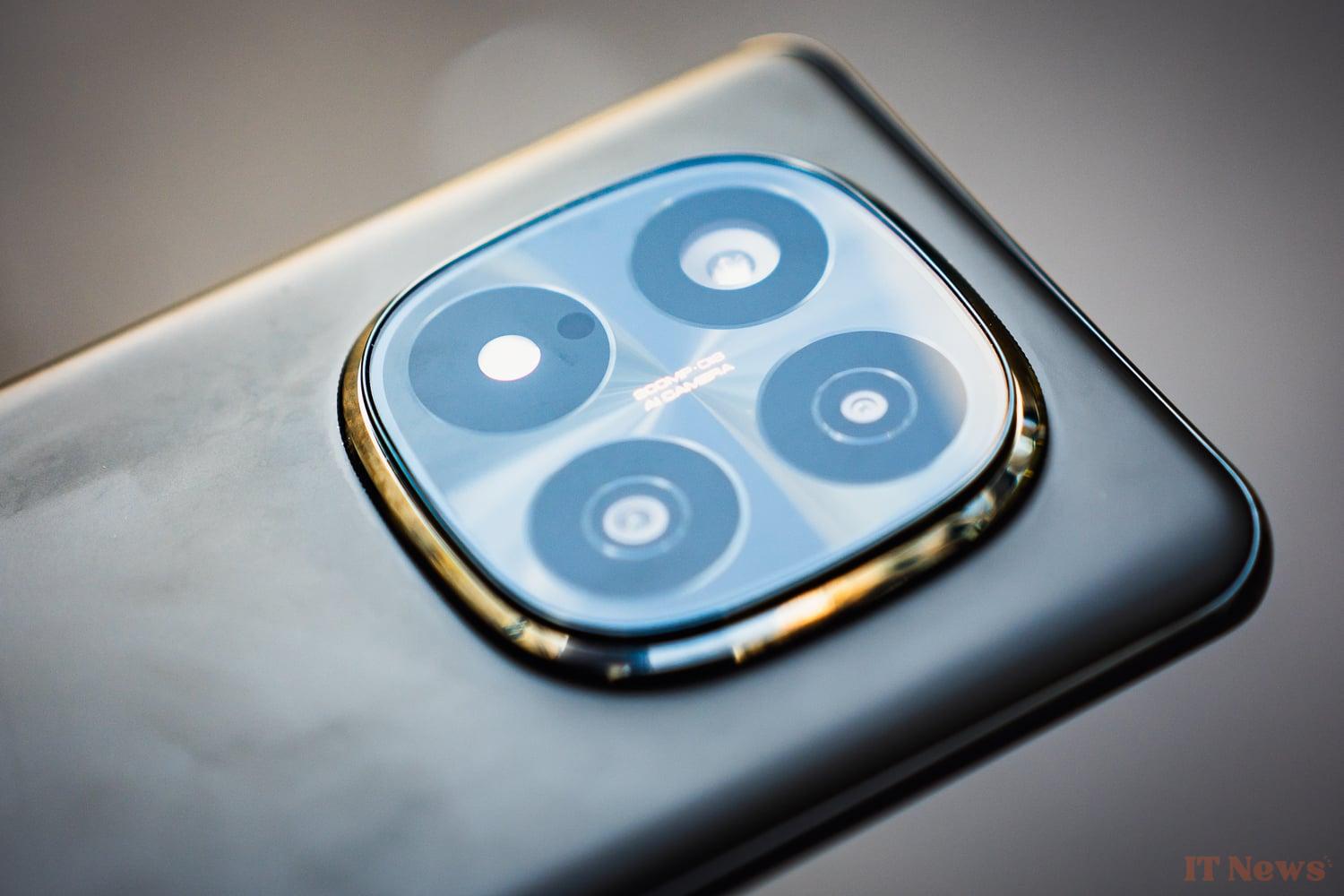
For video, the smartphone supports 4K up to 30 FPS, 1080 up to 60 FPS, slow motion in 1080p up to 120 FPS and in 720p up to 240 FPS.
Wide angle
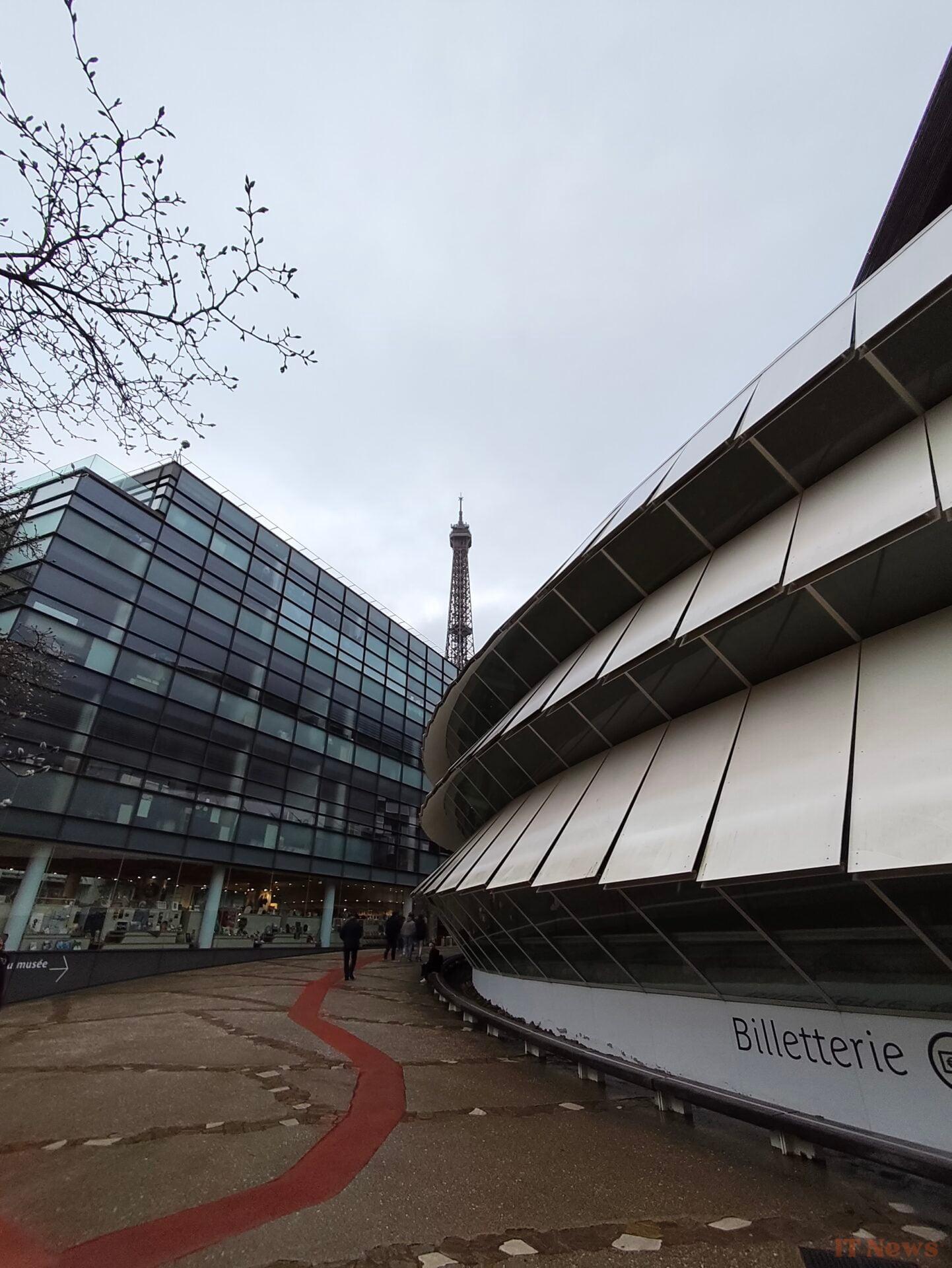
The wide angle of the Redmi Note14 Pro+ does the job. It offers a correct level of detail with a rather warm colorimetry, especially in favorable conditions or at night, where we can see the shots pull towards orange. The dynamic range is generally correct, even if we notice some slightly blocked areas in the darkest corners of the image.
Ultra-wide-angle
The ultra-wide-angle is, inevitably, slightly less good than the main module. It will do the job too, but with a depreciated quality. This can be seen in the fine details of the image, but also in the fact that the shots are darker. At night, the result is more easily blurred.





Selfie
A quick look at the selfie module, which, it should be noted, has a slightly colder colorimetry. The result is frankly acceptable with many details in the face, hair, beard.


X2 and X4
The main module and its 200 Mpx offer, directly in the phone's interface, to zoom in on the image digitally to obtain shots equivalent to 46 mm and 92 mm (X2 and X4).
Here are two examples in X2.






In both cases, we are pleased to see that the result is more than usable. Without a telephoto lens, which offers an optical zoom, the Redmi Note14 Pro+ still manages to get by on these two focal lengths with a result that does not appear too degraded.
Performance: very average
For this section, Xiaomi turned to Qualcomm and its Snapdragon 7 s Gen3 (engraved in 4 nm, eight cores up to 2.5 GHz). It is accompanied by 8 to 12 GB of LPDDR4X RAM (the best smartphones go up to LPDDR5X) and UFS2.2 storage (the best now go up to 4.0).

In everyday use, this is a slightly limited chip. Without encountering major performance issues, we noticed many slowdowns, especially when opening certain menus or when changing the photo module. Nothing prohibitive, we are not on a model of fluidity.
As our benchmarks below show, this is a chip rather in the low average level of performance.
On Antutu, it records an average score, not far from the Galaxy A55, well behind the Pixel 8a and very far from the OnePlus Nord4. On Geekbench, we see more or less the same balances.
This extends, during our heating test, the smartphone showed a contained thermal amplitude of 12.2 °C. It also proved to be very stable in our stability test. We can therefore deduce that Xiaomi has been rather cautious about adjusting the performance level.
In-game, on the very demanding Genshin Impact, this translates into graphics settings on medium, with a fluidity around 45 FPS when moving a little in the game. A rather average result again, but not catastrophic at all.
Battery: an exceptional charge, a mediocre autonomy
The Redmi Note14 Pro Plus has a 5110 mAh battery. A value that would have been considered high in the past, but that can be described as rather low in the current climate, given that 6000 mAh are becoming more widespread with the spread of a new battery technology, silicon carbon.
Hard to say if this This may be due to this relatively low value or to a concern for system optimization, but the fact remains that we measured a rather low mixed autonomy, at 13 hours and 25 minutes. The best smartphones tested using our new autonomy protocol, launched in early 2025, can reach values beyond 23 hours to give you an idea.
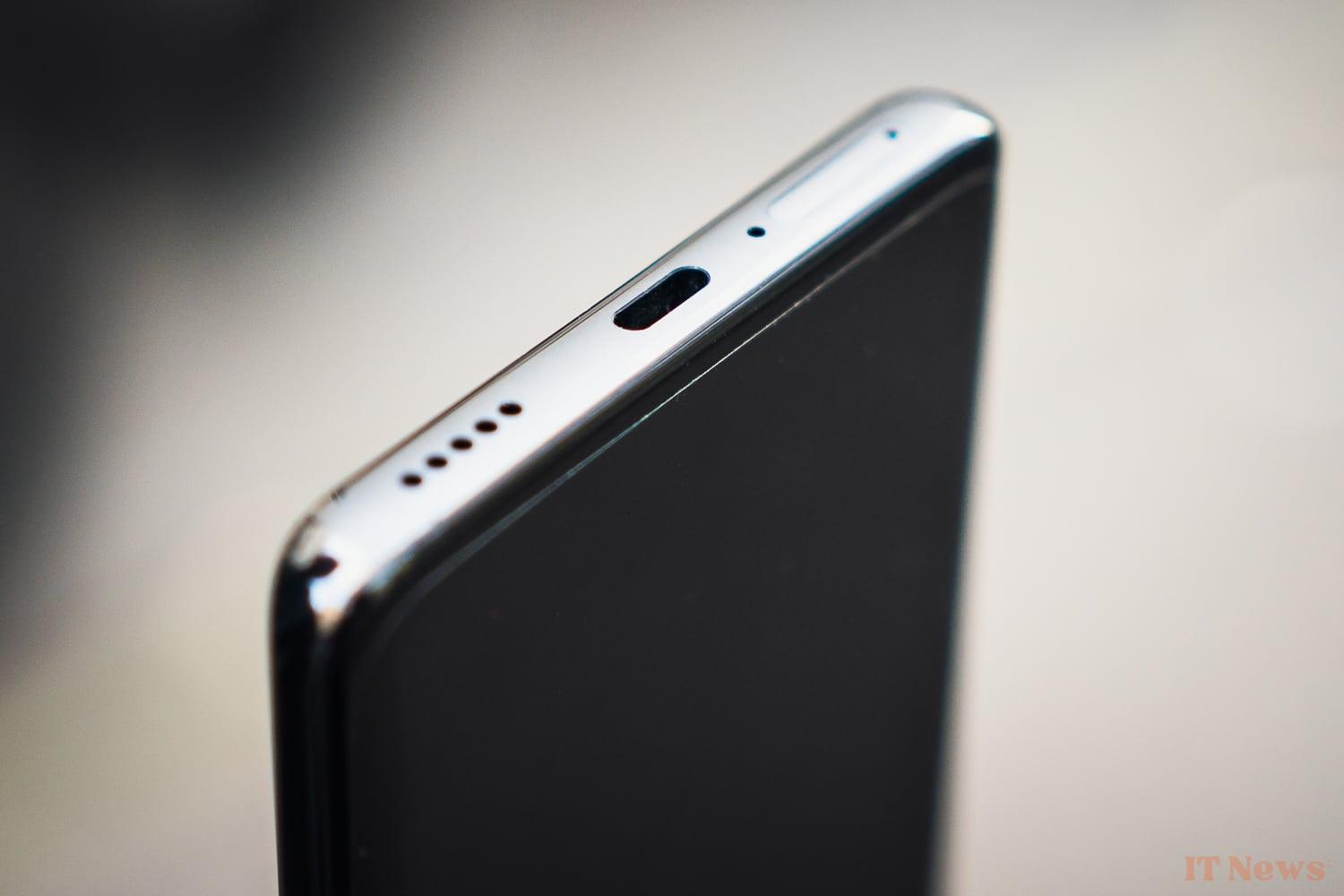
Fortunately, Xiaomi still has a card up its sleeve. The Redmi Note makes up for it strongly thanks to one of the best charges measured by our new dedicated protocol. The phone takes only 32 minutes to go from a completely flat battery to a fully charged smartphone. In just 10 minutes, we get 43% autonomy.
If you are interested in the subject, we have devoted a full article to compare the Redmi charge with other models, but also the normal mode and the maximum charge mode.
Suffice to say that the choice made by Xiaomi seems clear: charging rather than autonomy. If you always have your charger with you, the bet can pay off. On the other hand, keep in mind that the latter is not provided in the box and will cost you 60 euros. In addition, the charger was ranked among the least versatile according to our full comparison dating from the end of 2024.


0 Comments