
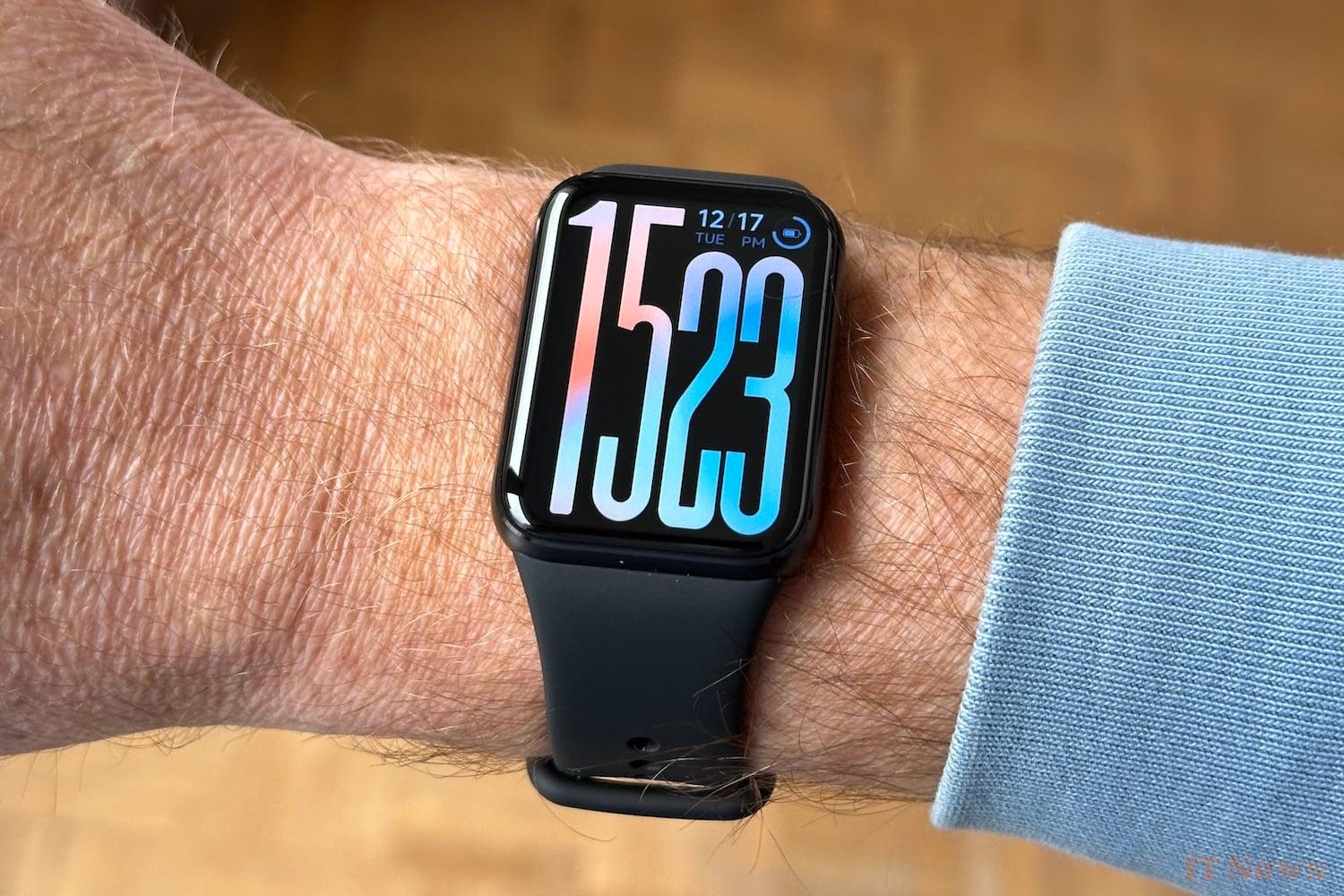
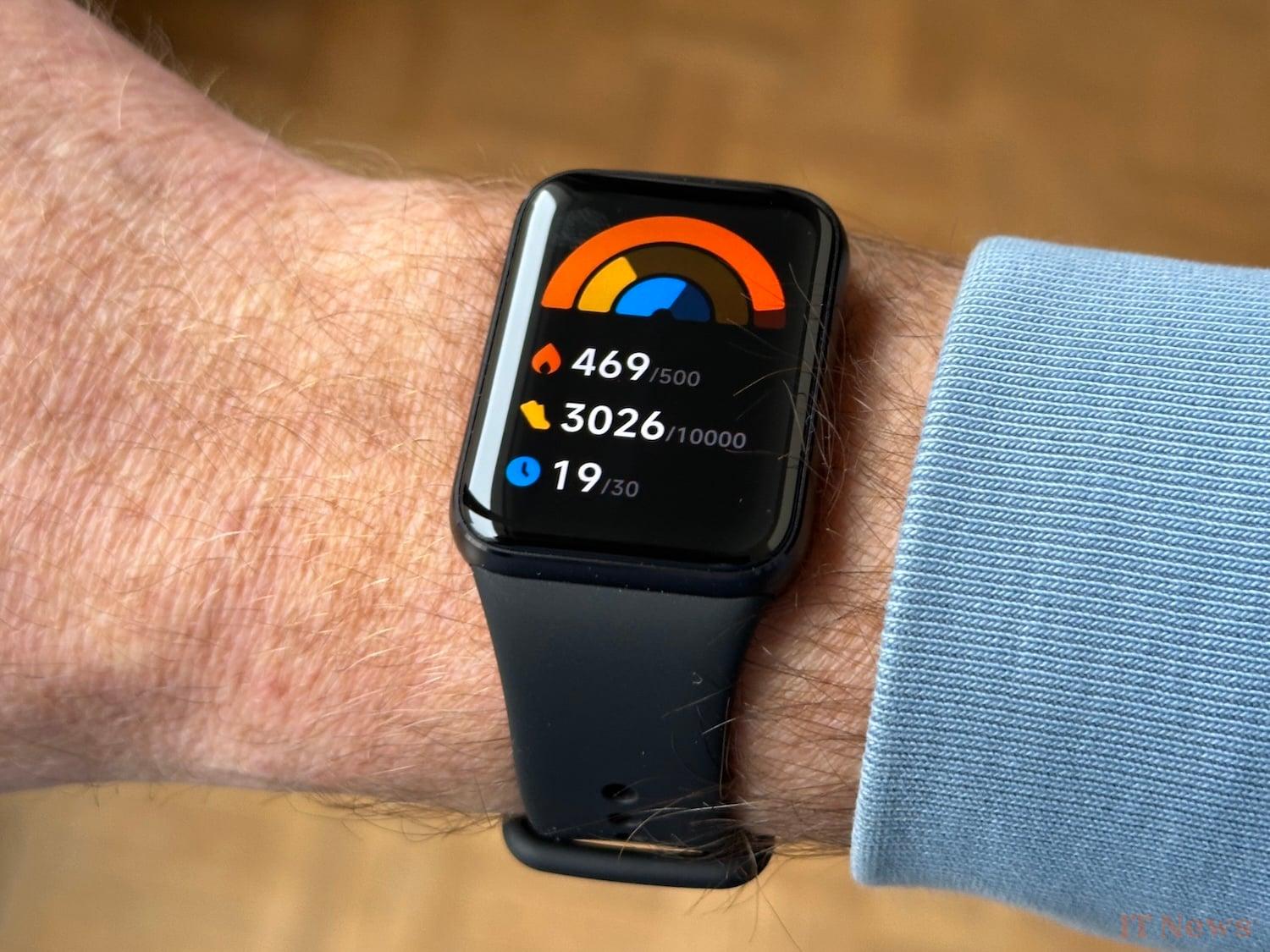
At first glance, it's hard to tell the difference between the Xiaomi Smart Band 9 Pro and its predecessor. Xiaomi's new smartband (80 euros) actually has exactly the same design. With its large 1.74-inch screen, it's even closer to a smartwatch than a bracelet. However, when you compare the two models in detail, you notice a slight difference in size: 43.27 × 32.49 × 10.8 mm for the 9 Pro versus 46 × 33.35 × 9.99 mm for the 8 Pro. This new version is therefore a little more compact in width and height, but also almost a millimeter thicker. Regarding the weight, nothing is as significant since with its 24.5 grams (without bracelet), it weighs only 2 grams more than its predecessor. After several days of testing, here is our opinion on the Xiaomi Smart Band Pro.
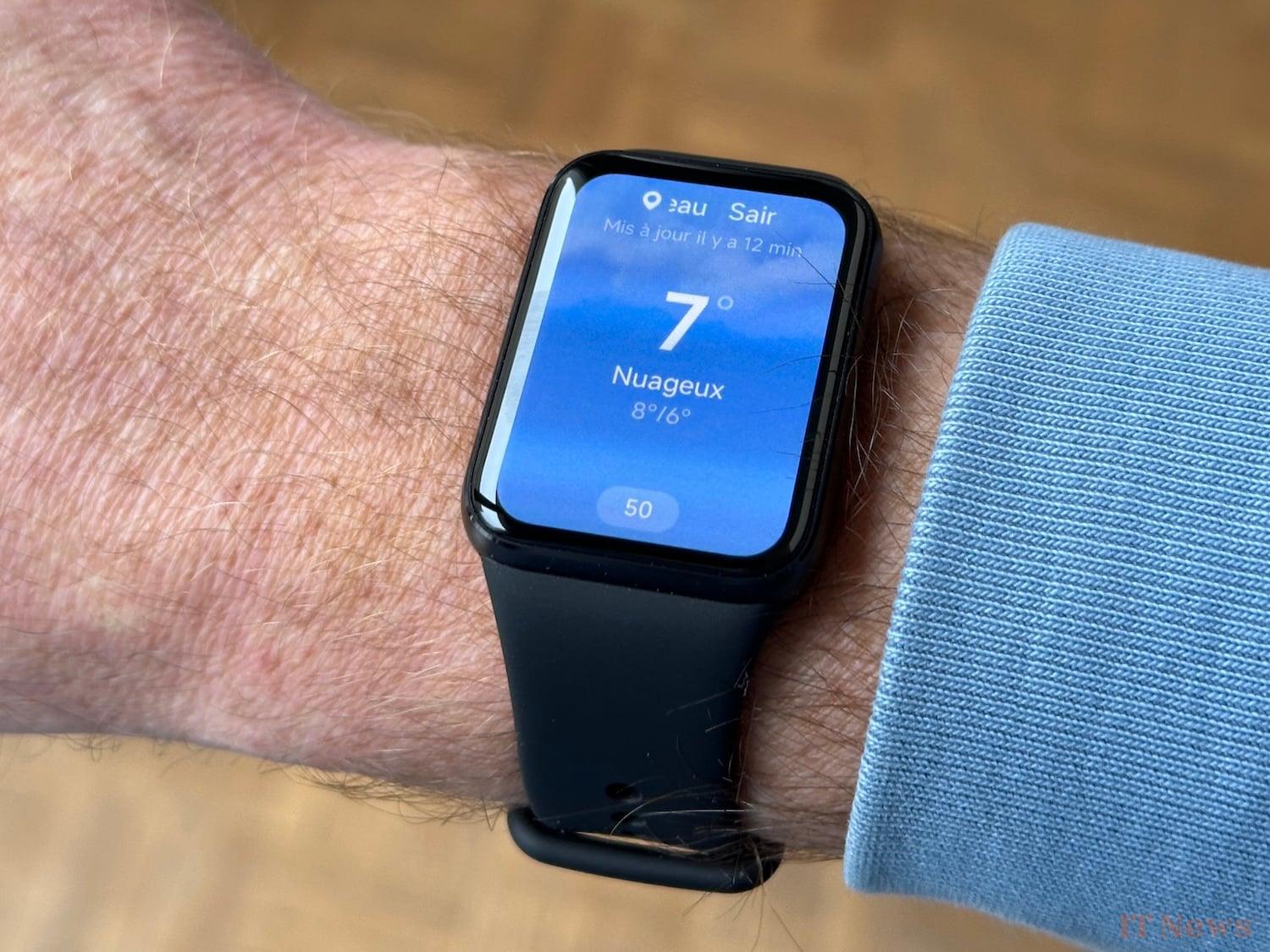
Our black test version lent by Xiaomi is not the only color available since the Smart Band 9 Pro is also available in powder pink and gray. The finish is excellent at this price point, reinforced on this generation by an aluminum frame while the previous one was made of plastic. The size and definition of the screen are therefore the same (336x480 pixels), but the AMOLED panel is drastically improved with a maximum brightness simply doubled to 1200 nits. This is clearly felt in everyday life, the screen is readable in all circumstances, even during a running exercise in full sun on the Mediterranean coast.
GPS still struggling
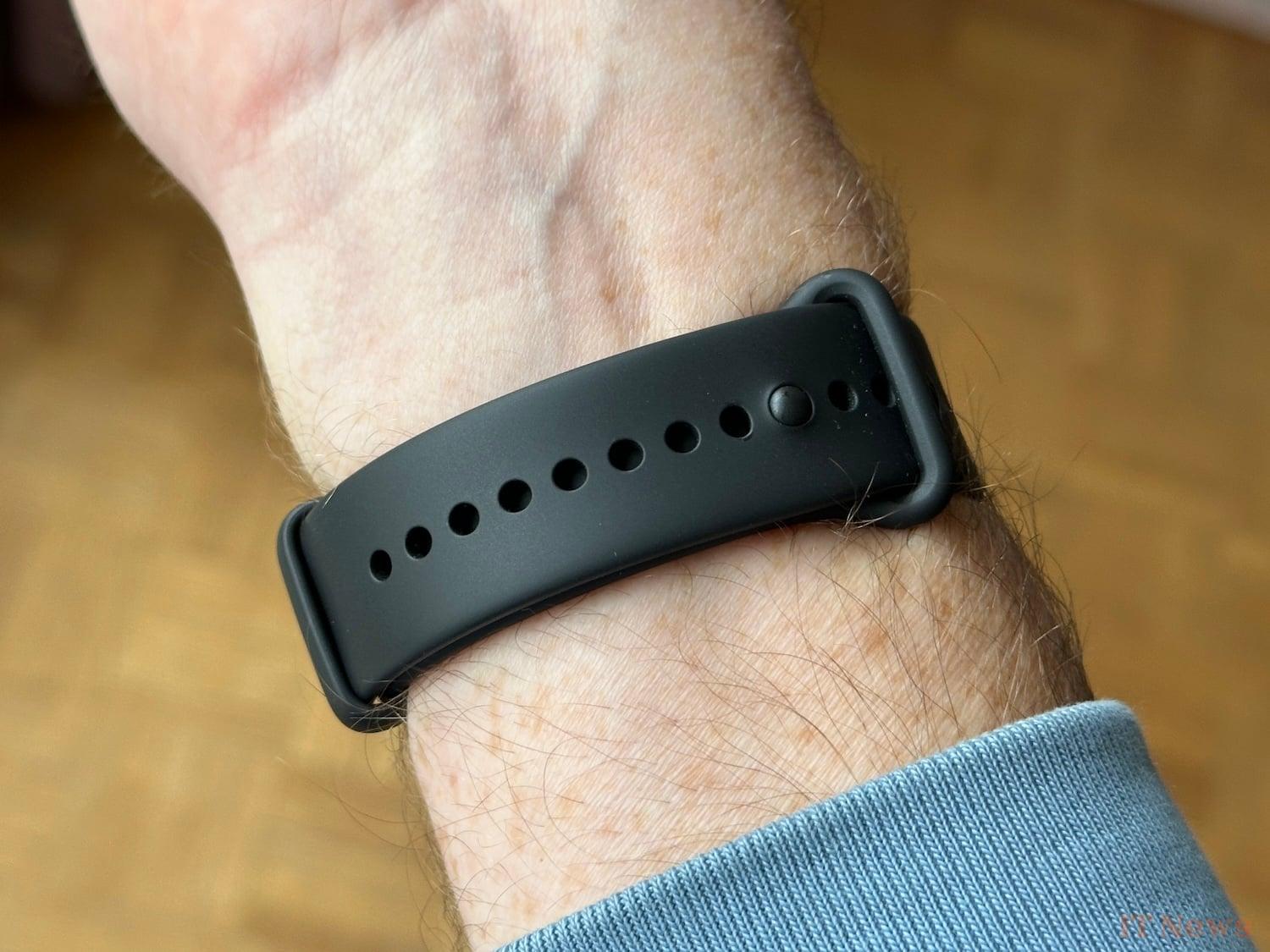
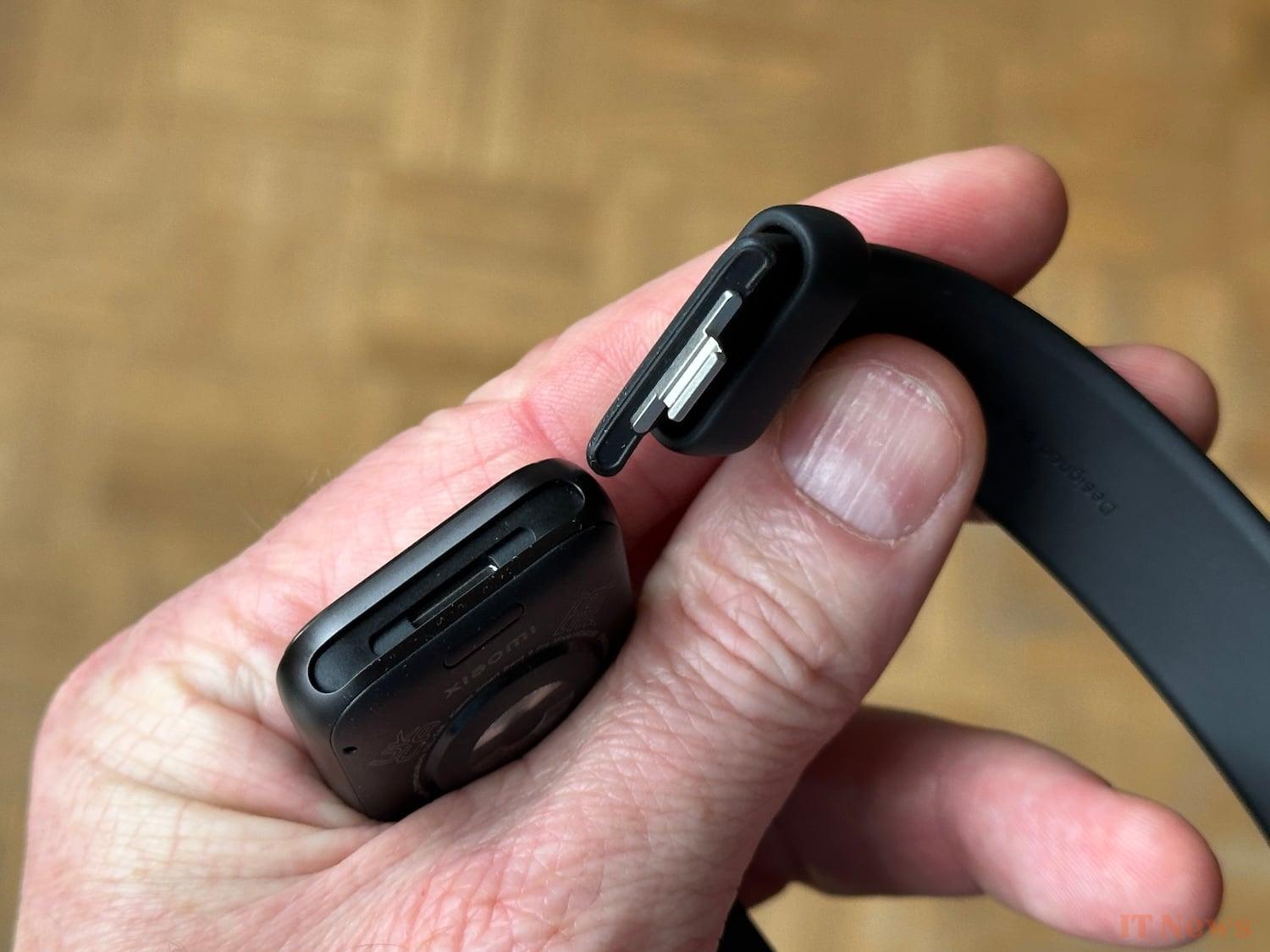
The bracelet attachment system is proprietary. In addition to the TPU (thermoplastic elastomer) model supplied by default, leather or metal models will also be available, but not yet offered on the manufacturer's store at the time of writing.
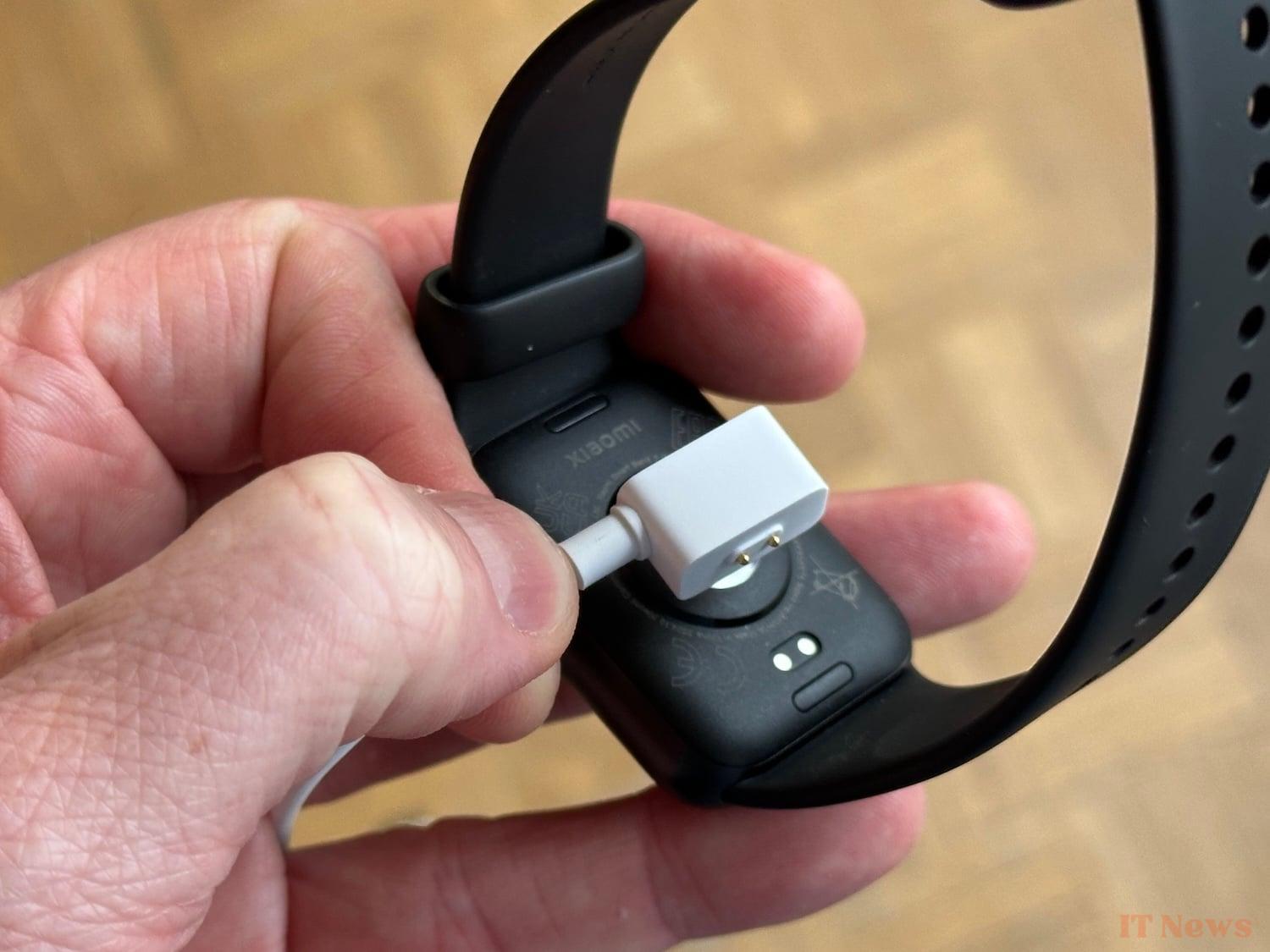
In terms of components, the bracelet includes an accelerometer, a gyroscope, an electronic compass, an optical heart rate sensor and pulse oximeter, and an ambient light sensor to automatically modulate the screen brightness.
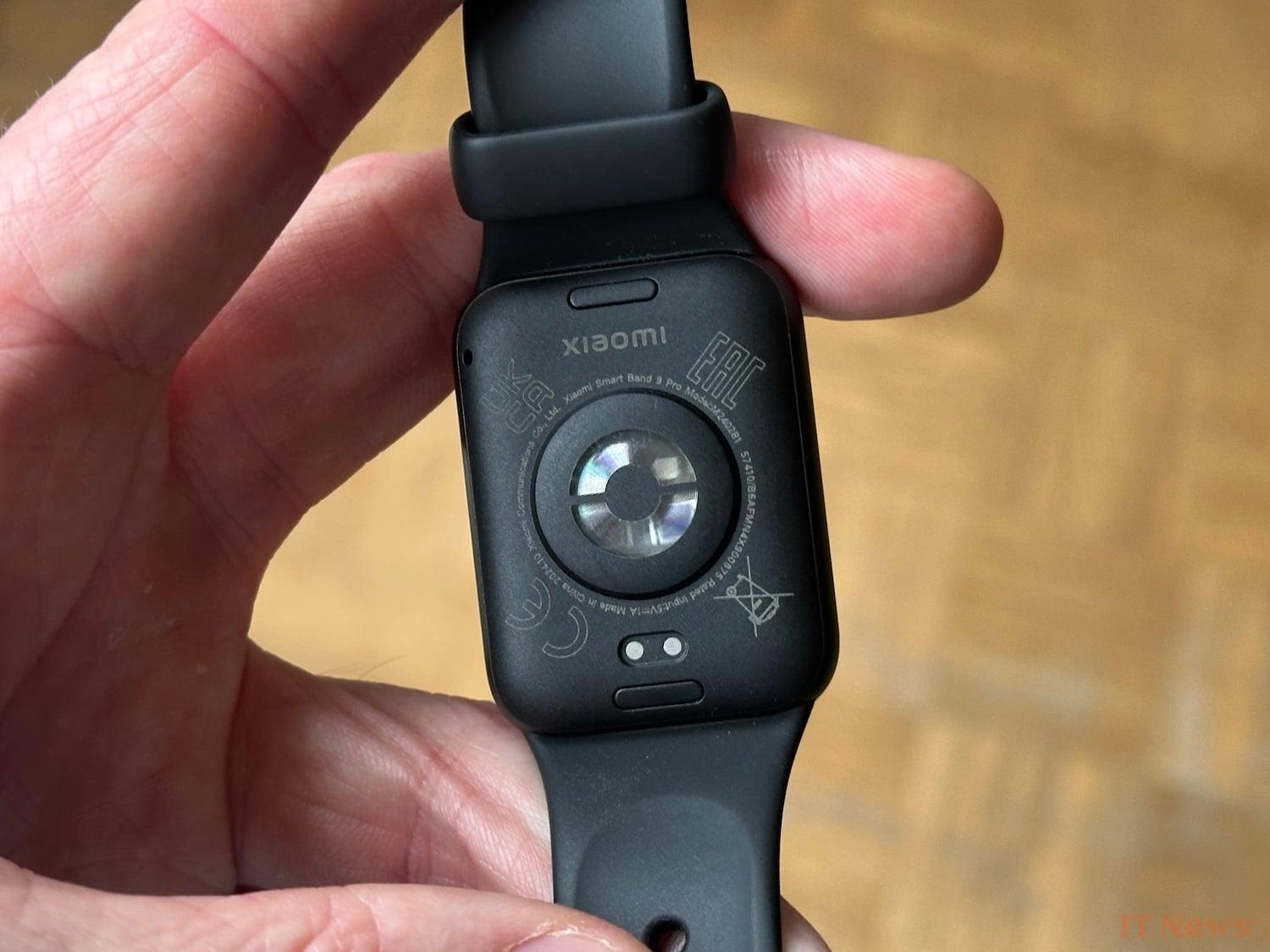
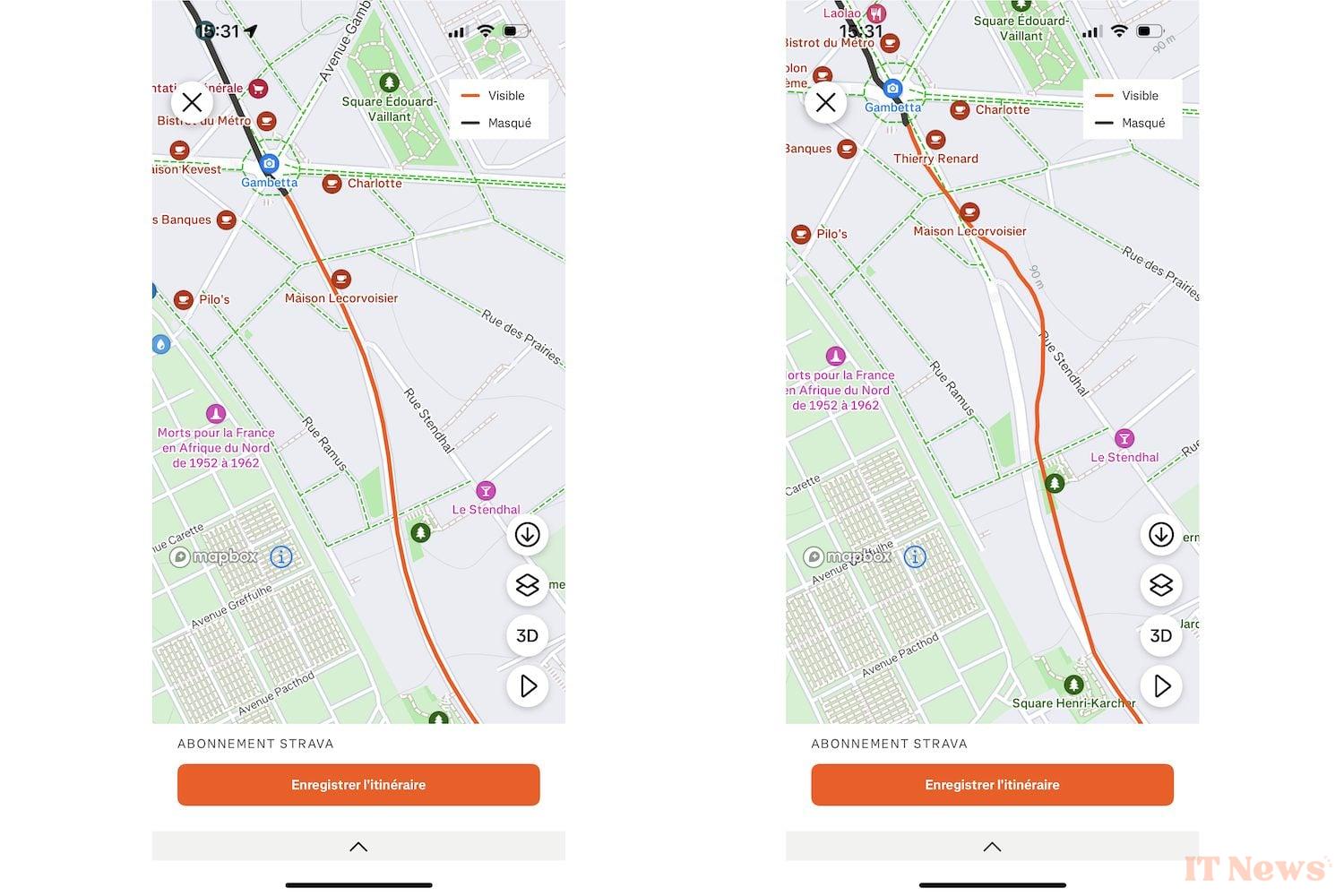
Bluetooth 5.4 is also included, as is compatibility with several positioning systems (which the brand's classic Smart Bands do not include): BeiDou, GPS, GLONASS, Galileo and QZSS. Xiaomi even announces a 33% improvement in positioning accuracy compared to the 8 Pro. Despite these great promises, we are still well below the best devices on the market. While the prices are obviously not comparable, we used it in parallel with an Apple Watch Series 10, considered one of the best of its kind, even if it is a little less efficient than the Garmin Forerunner in this area. The differences in readings are significant, with the Smart Band 9 Pro still tending to stray from a straight line or cutting corners a little short. The performances can therefore be distorted since with shorter distances covered in the same time, it tends to underestimate the performance. This is one of the recurring faults of the brand's models, but it is difficult to blame it on this point at this price.
Improved on the heart rate
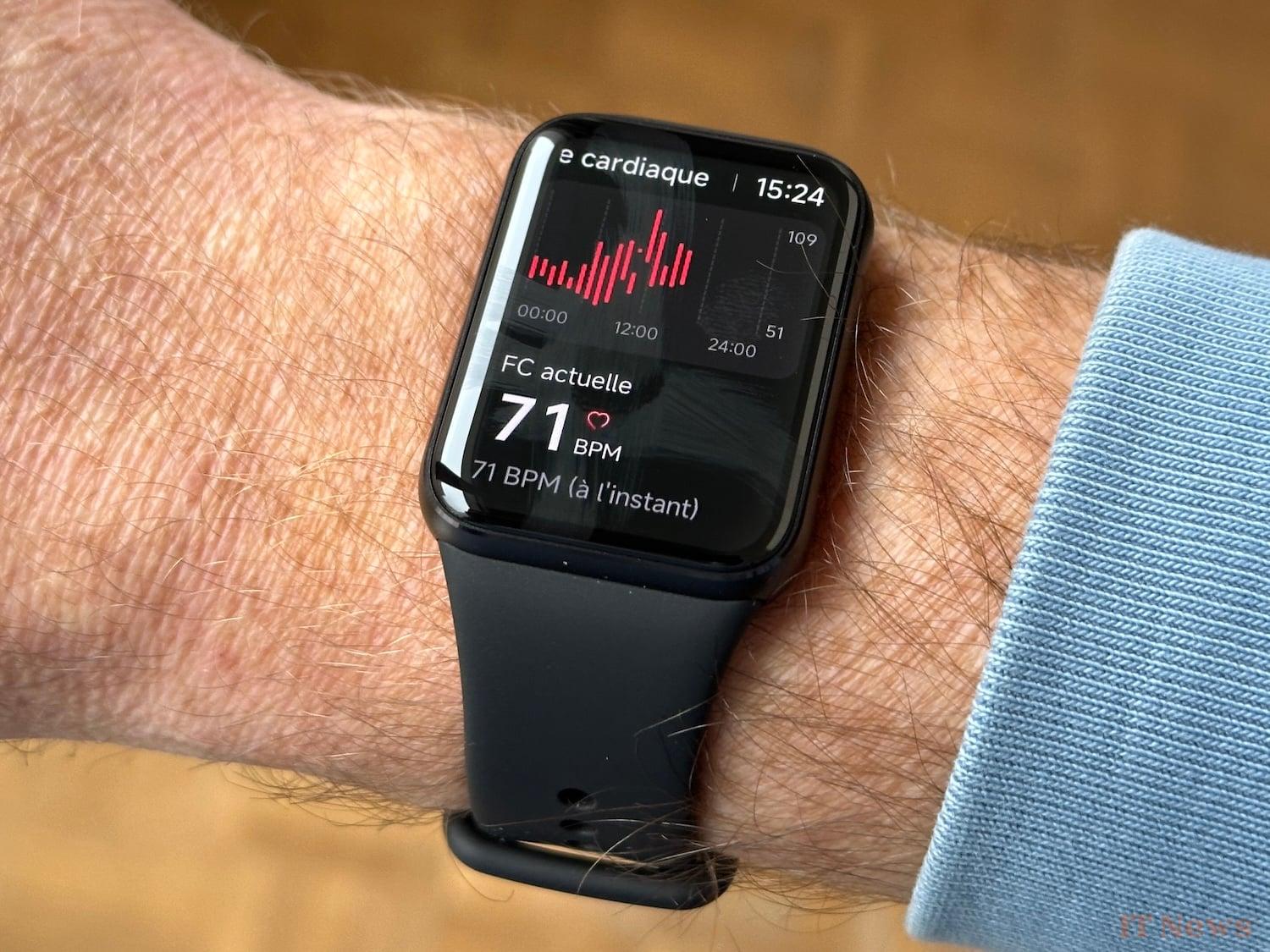
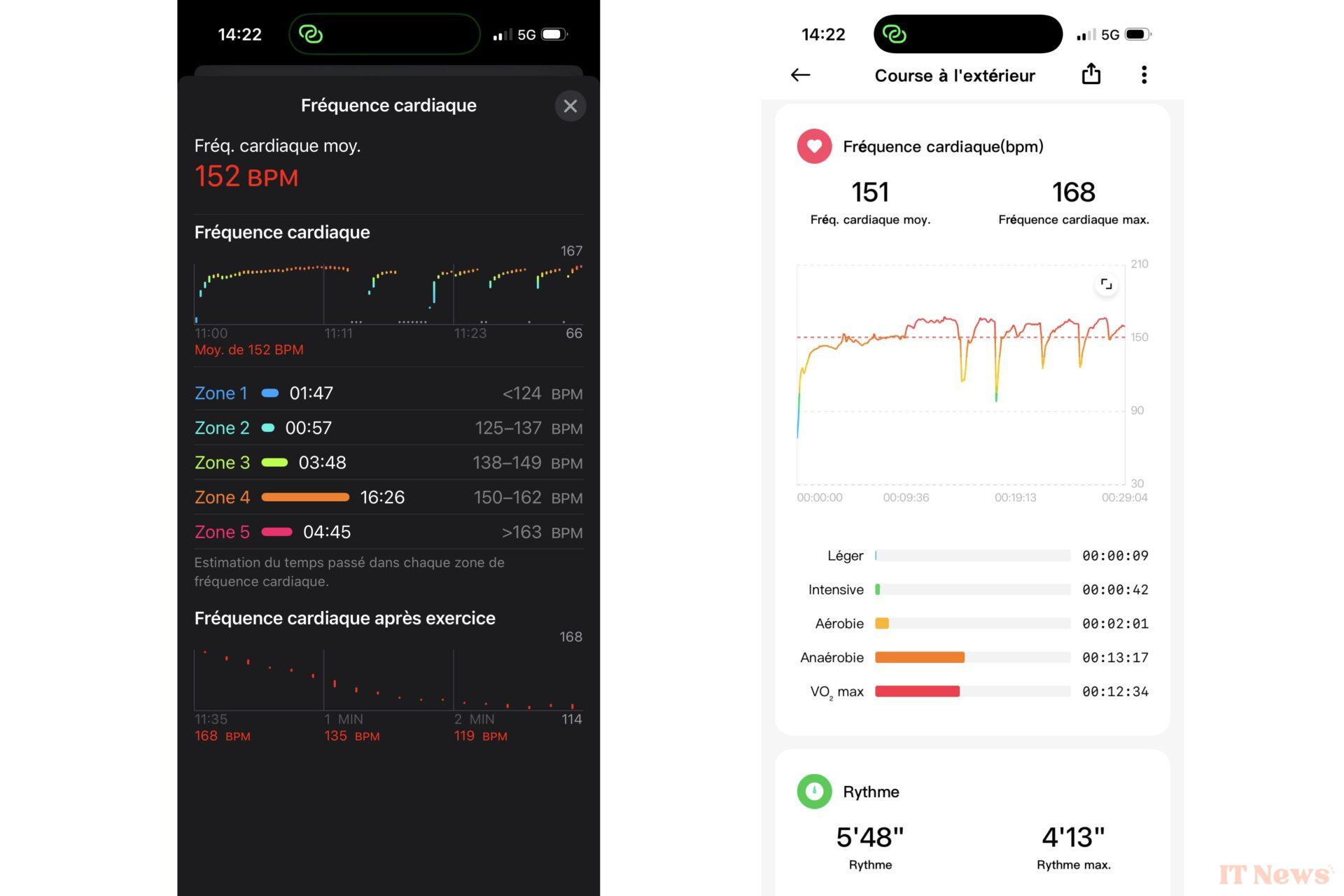
The heart rate sensor, however, seems to have made progress (15% more precision announced). During our exercises, the reading was almost always similar to that of our reference model. Only its reactivity can be criticized during strong variations, such as during a split race. There, we see that it is not as quick to follow the downward curve.
Swimmers can benefit from a water resistance of 5 ATM, which in theory corresponds to a pressure of up to 50 m deep. However, this is measured statically and during a swimming exercise, the pressure can rise quickly due to movements. It is therefore strongly advised not to go diving with this model, for example.
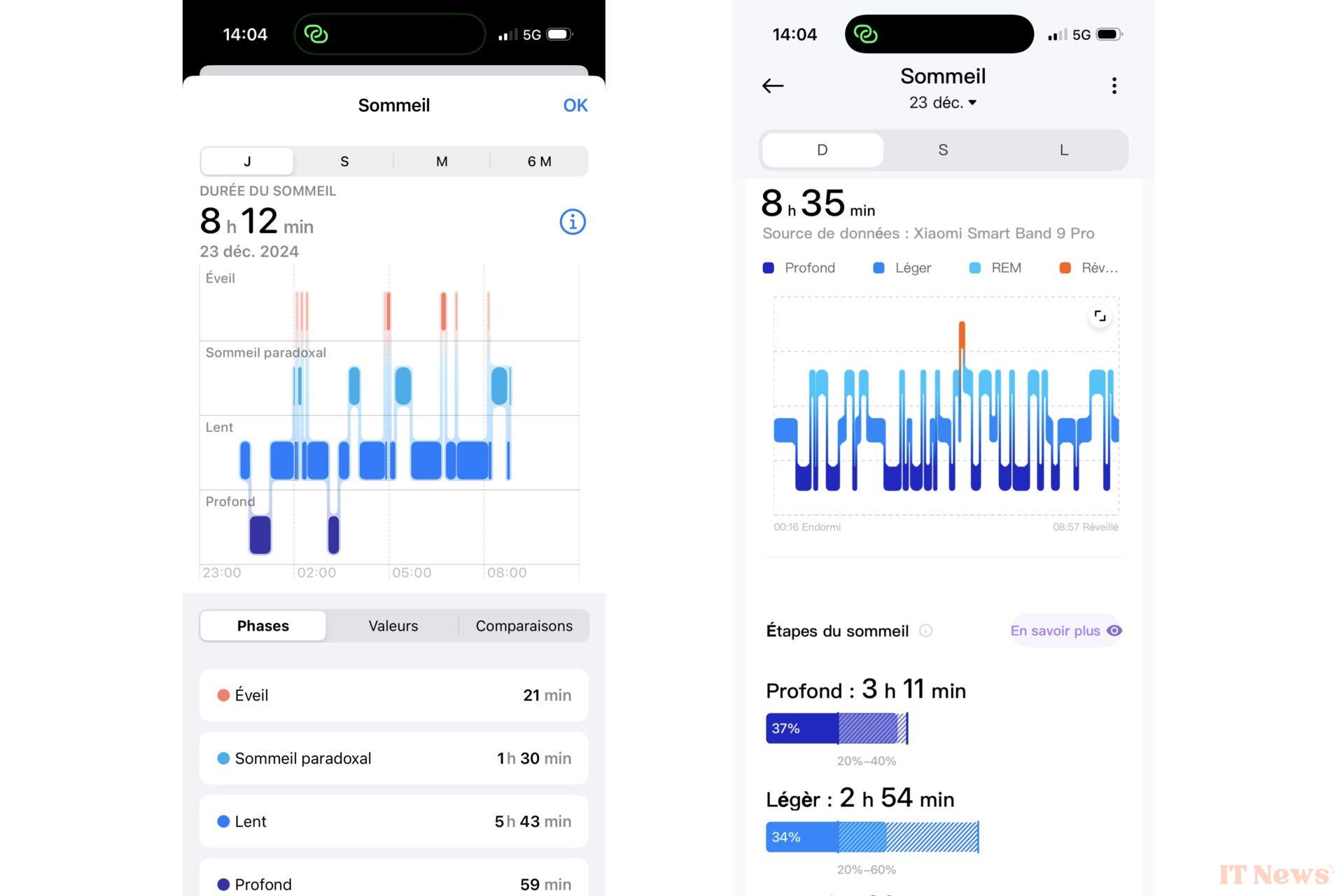
A total of 150 different sports can be tracked using the bracelet. In addition to heart rate, blood oxygen can also be measured. As can sleep monitoring. On this point, the results also seemed more erratic than those of our reference model, with very frequent variations and the non-detection of some phases of awakening.
But its 350 mAh battery management allows you to wear it every night without really worrying about its battery life. By activating all the tracking permanently and the "always on" screen, we managed 9 days without having to recharge it.
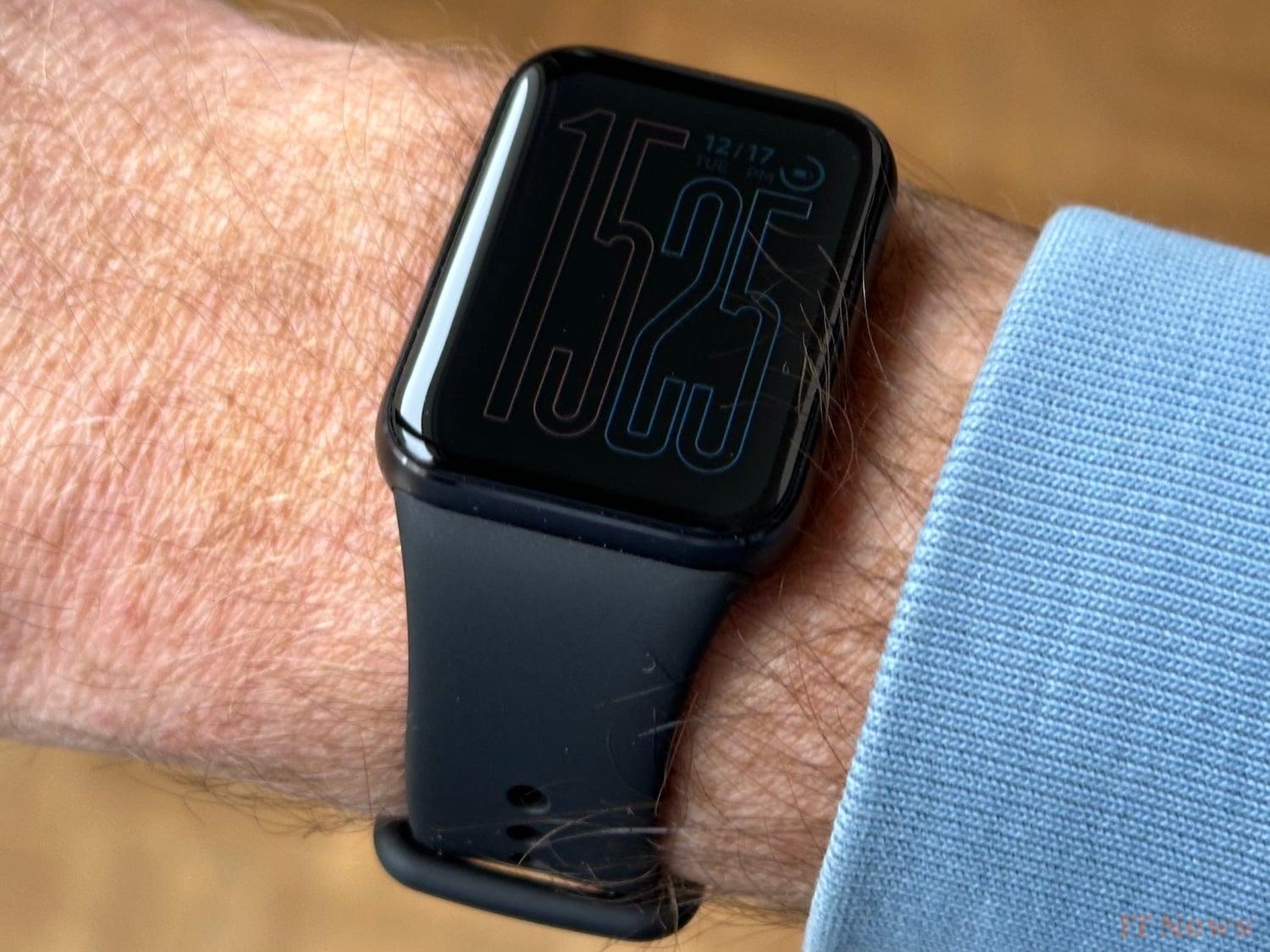
Xiaomi promises 10 days in this case, but our test use was intensive. Without activating the screen permanently, we can even go up to 21 days according to the manufacturer. Recharging takes about 75 minutes, thanks to the proprietary magnetic charger to USB-A (transformer not supplied).
Still no third-party applications
On the interface side, everything is similar to previous Smart Bands: swipe right or left to access widgets and shortcuts, down for notifications (which cannot be answered from the bracelet) and up for applications. However, the latter remain limited to those installed, with no possibility of installing others. It is also impossible to load audio files to enjoy them during a workout without leaving with your smartphone in your pocket.
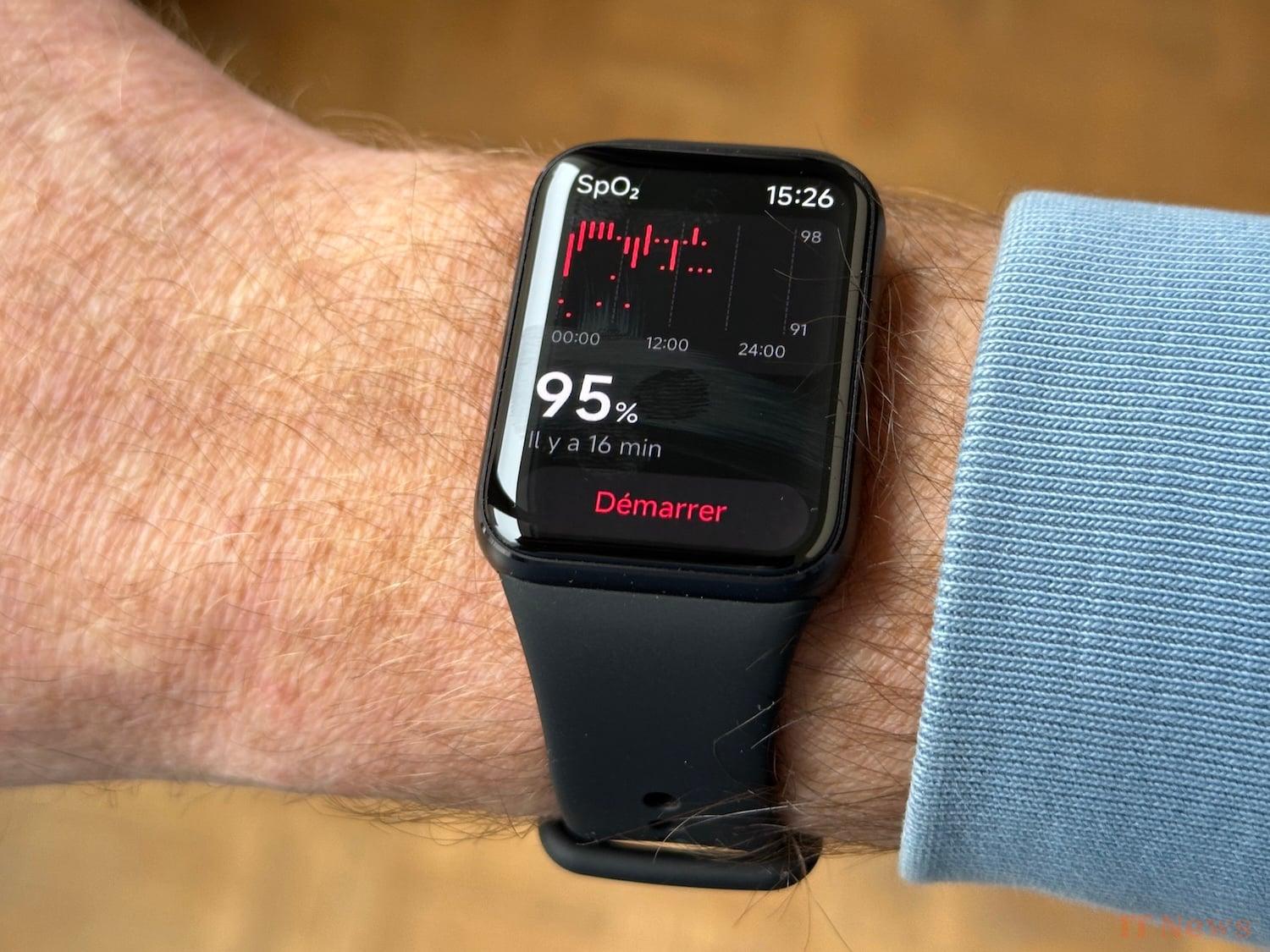
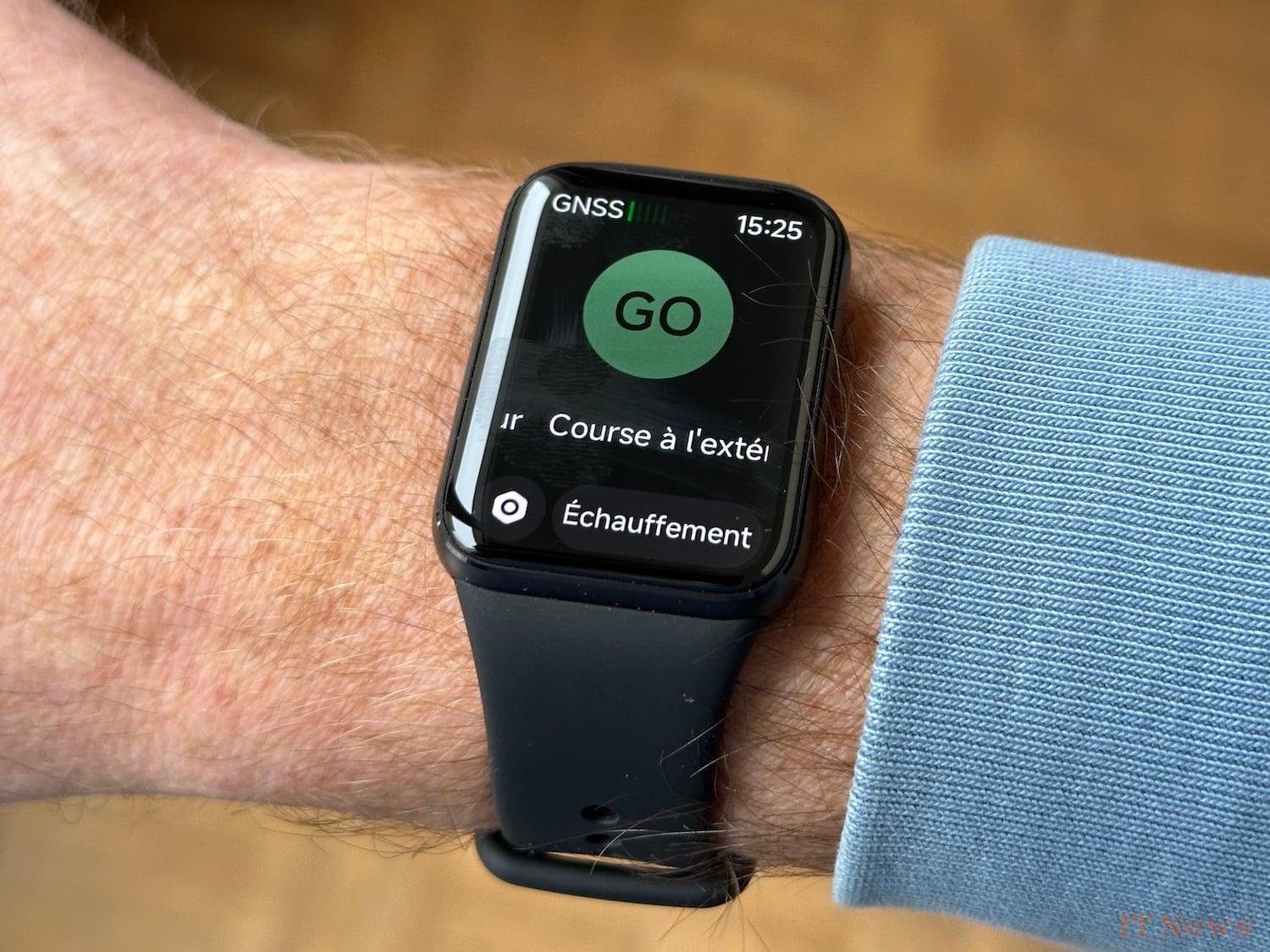
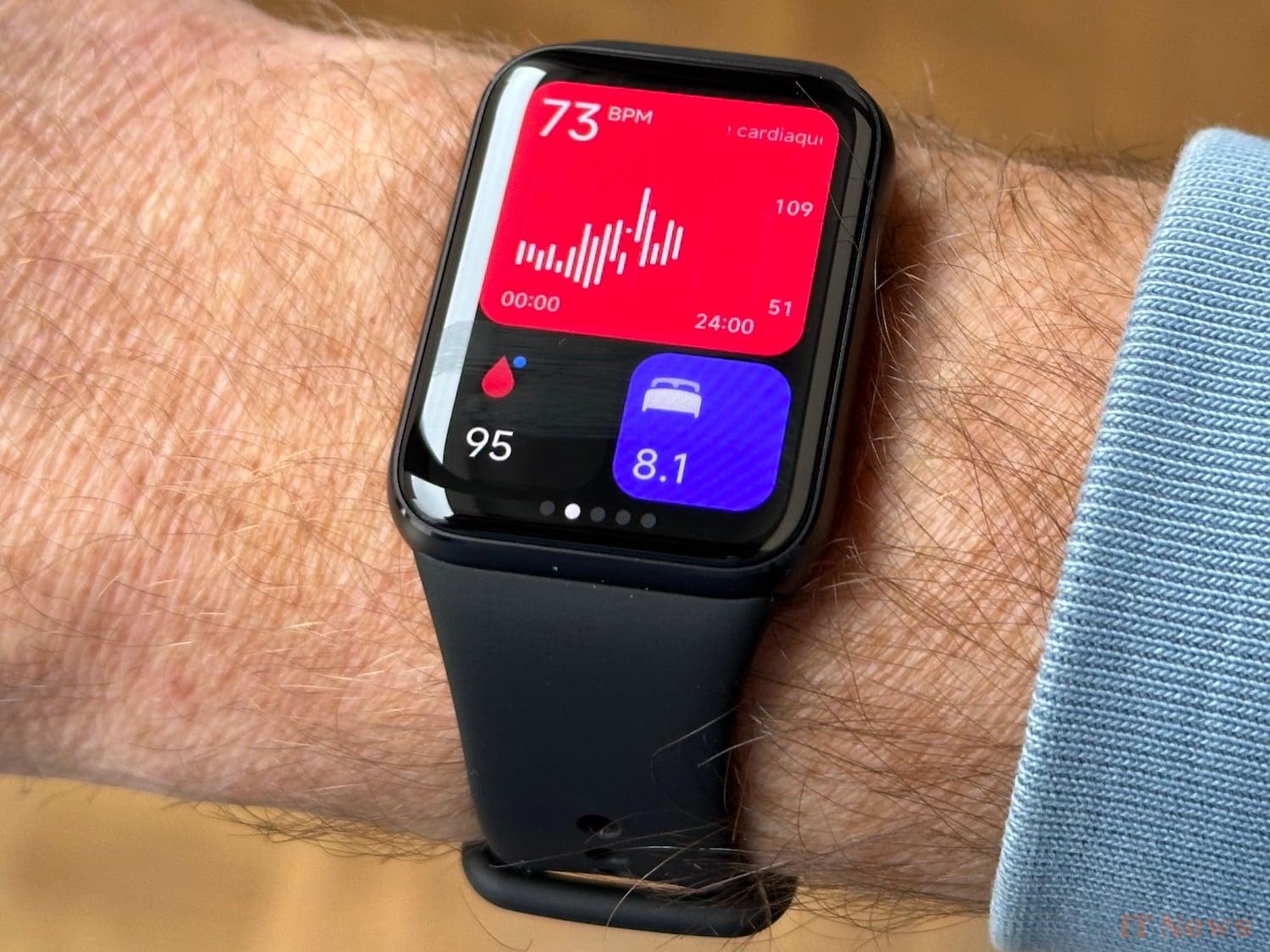
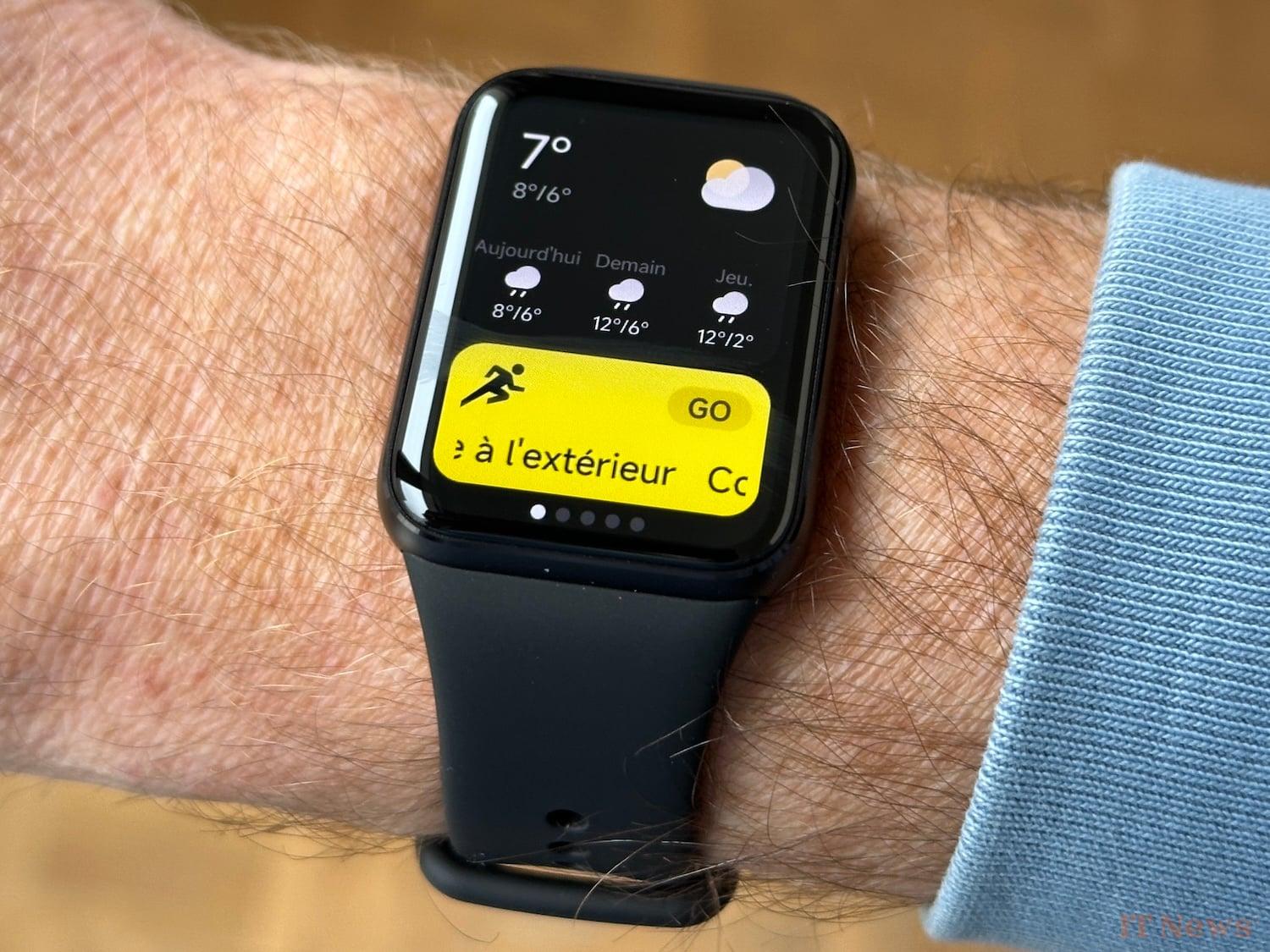
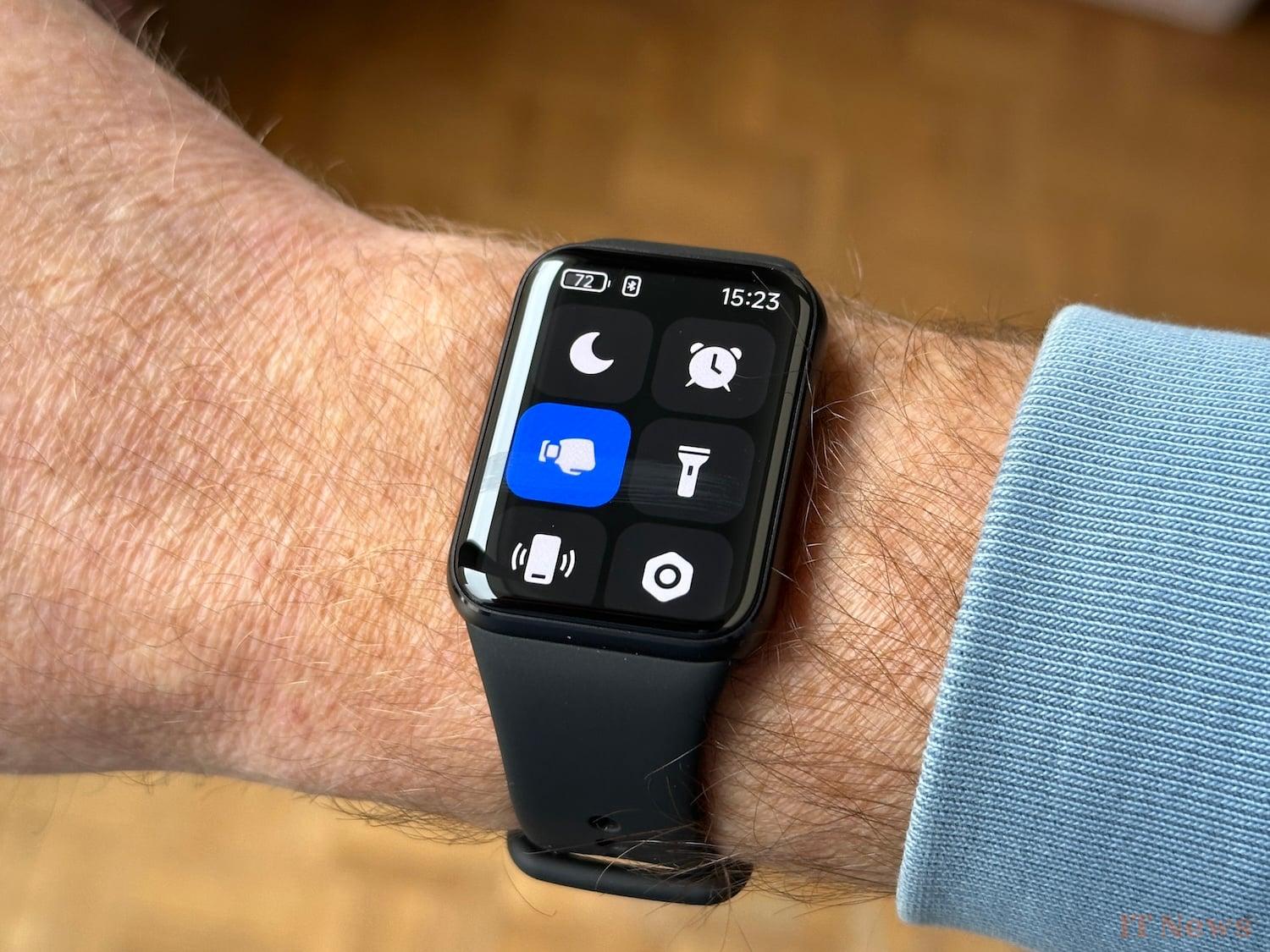
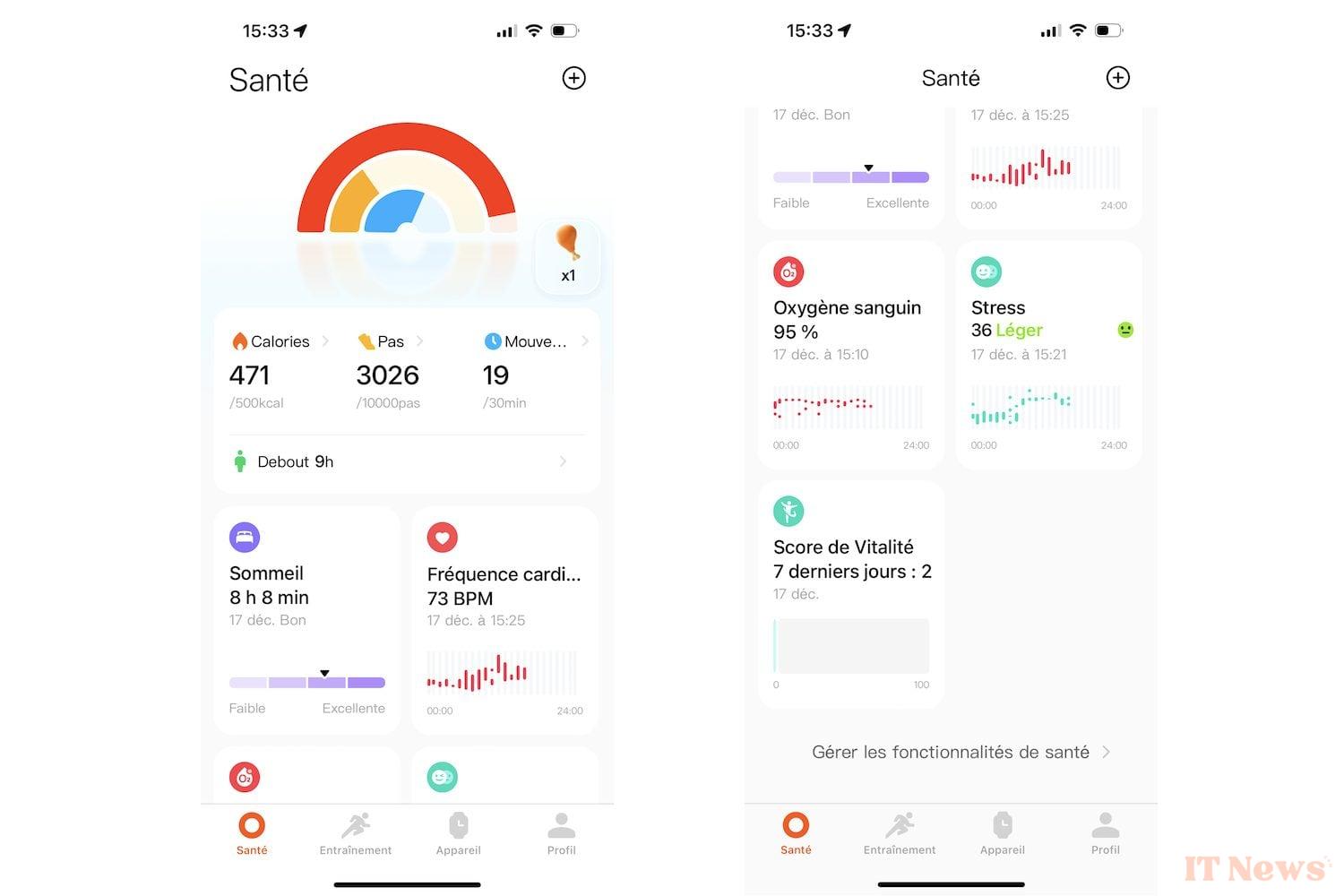
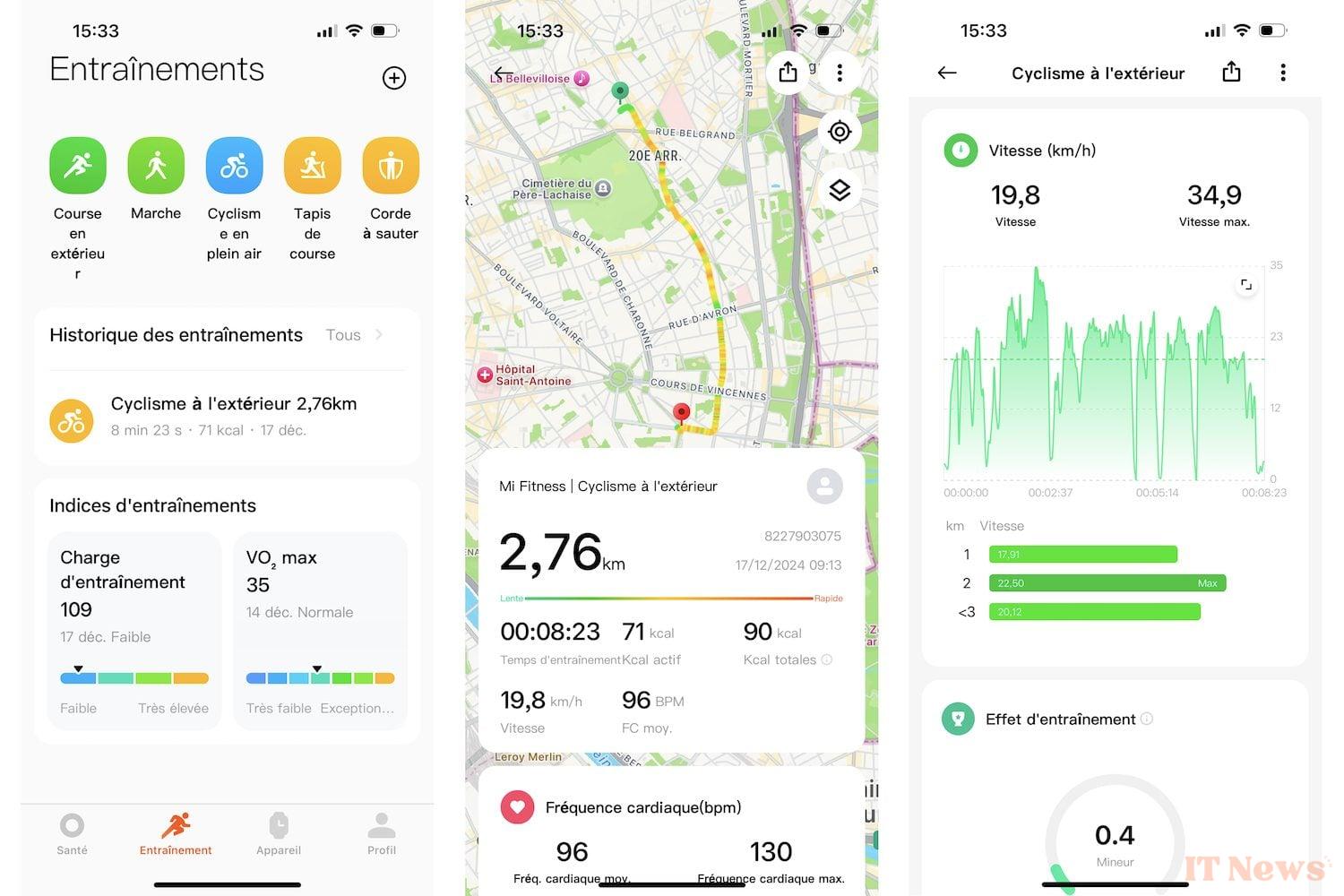
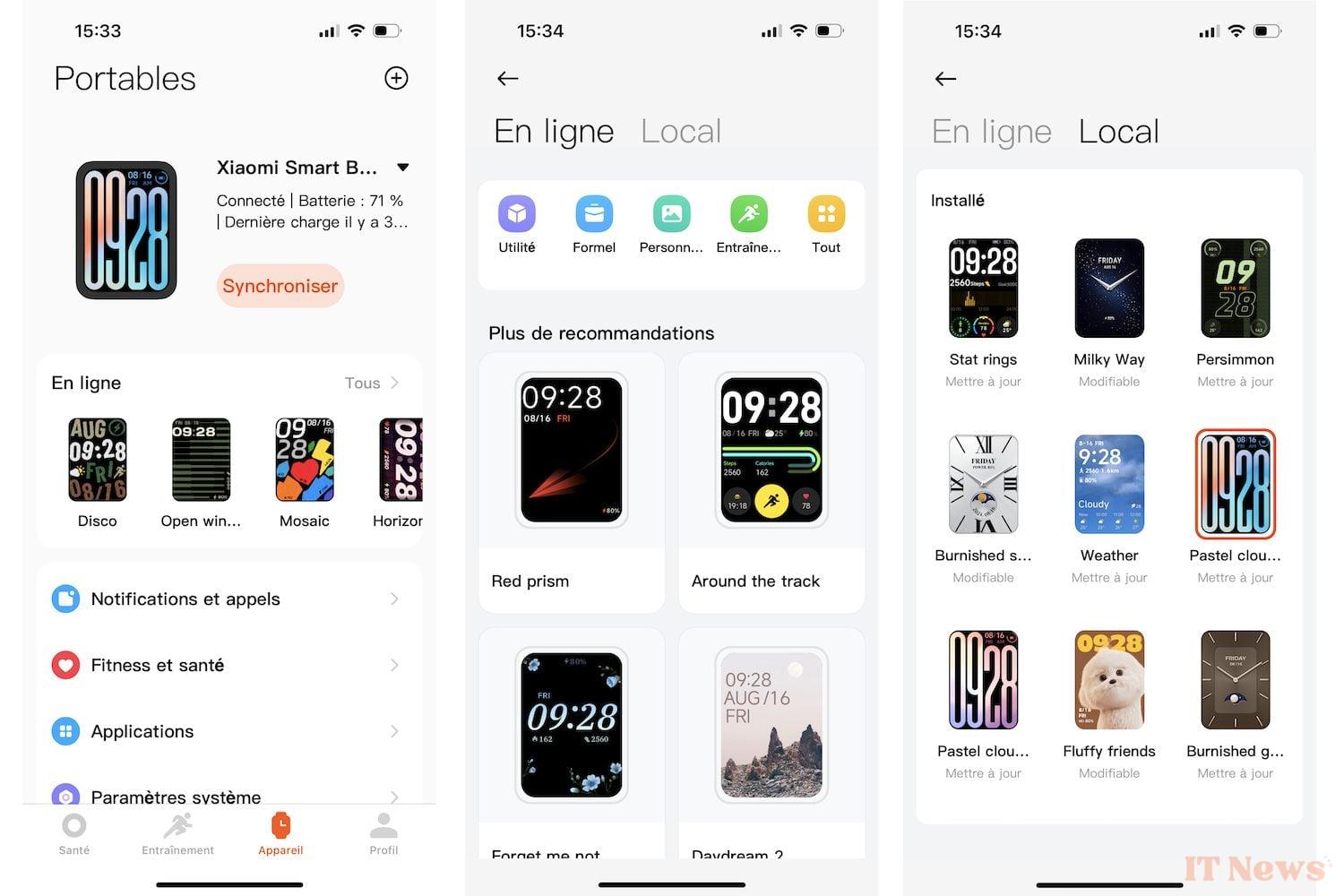
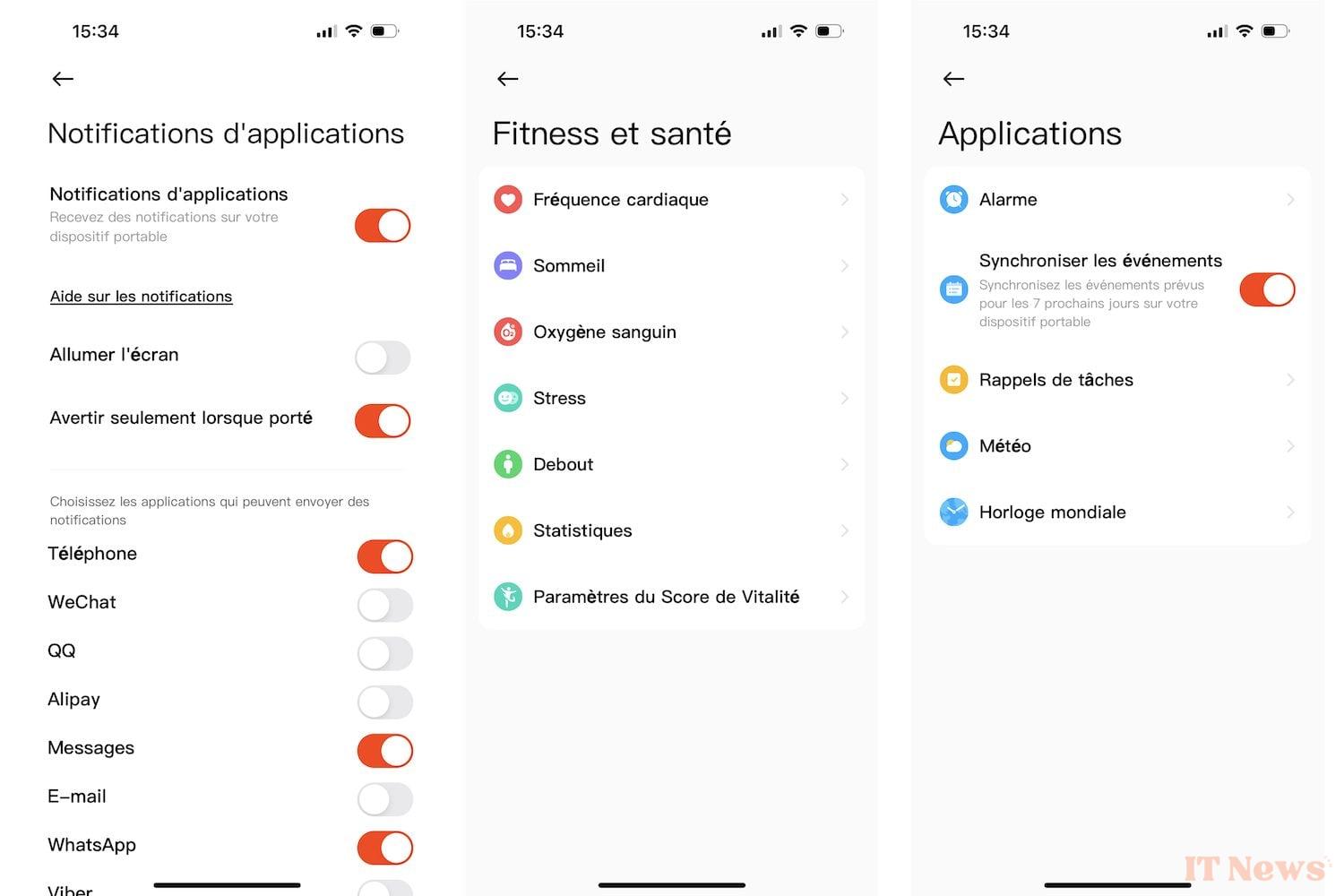
The Mi Fitness app (iOS and Android) has changed little, but remains pleasant to use thanks to a very clear interface: a Health tab, a Training tab, a Device tab and a last one for the user profile. You can consult all the data collected by the watch (also transferable to Strava and Suunto) or make some adjustments, such as notifications or dials. However, we regret that not all of the watch's settings are accessible, forcing you to go through its small screen to adjust certain functions.


0 Comments