
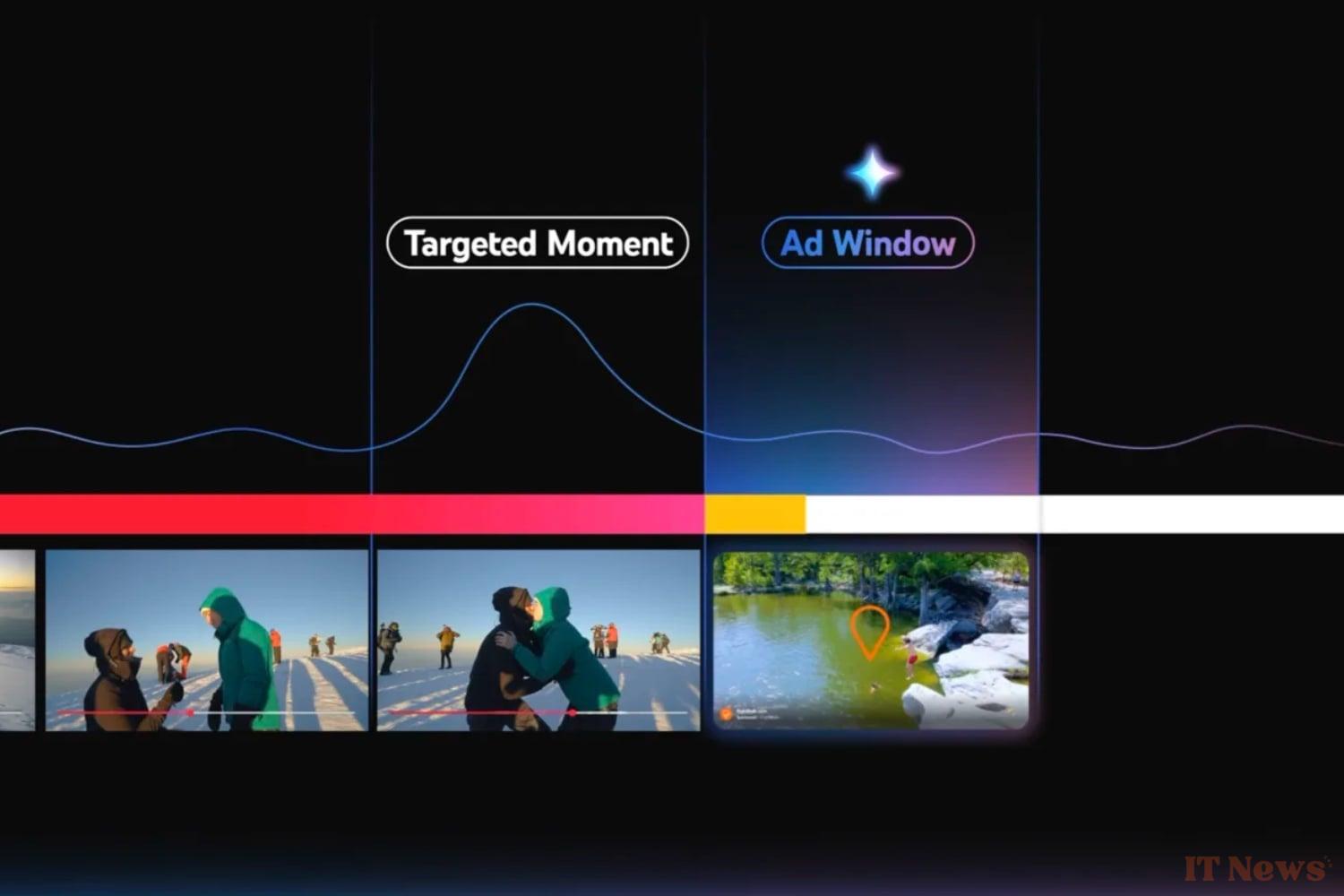
YouTube is pulling out all the stops for its advertisers with "Peak Points," its new way of timing ads. The idea is to use Google Gemini's AI to identify when you're really into a video... and interrupt you at that very moment. Clever for brands, much less fun for viewers!
When ads get on your nerves
Google Gemini will scan videos to detect the parts where you're most hooked, those famous moments when you hold your breath or when you have tears in your eyes. The algorithm analyzes images and transcripts to identify the moment when emotion is at its peak.
In their examples, YouTube doesn't mince its words: a marriage proposal could be cut short by a shampoo ad. Why would they do that? Because according to the platform, an ad placed after a key moment is more memorable and generates more clicks.
"Our technology identifies the moments when viewers' attention is at its peak," explains YouTube, which is currently testing this feature before a full rollout by the end of 2025.
Let's face it, this new discovery is annoying. After ads during breaks, double commercials, and serial interruptions, YouTube is now hitting where it hurts: at the precise moment when you're most invested in what you're watching.
It's a bit like someone tapping you on the shoulder at the most crucial moment of a movie at the cinema to sell you popcorn. The tactic reeks of crime to crack the most resistant and convert them to YouTube Premium... or ad blockers!
At the same time, YouTube is also launching a "shopping feed" that will allow users to directly purchase products during ads. The platform is gradually transforming into a digital mall.
YouTube acknowledges that its idea could raise eyebrows and promises a gradual introduction. The question remains: how much will users accept being interrupted before turning to other platforms? Or taking out their credit card for YouTube Premium?
In the meantime, we must prepare to see moments of strong emotion chopped up by ads for insurance or toothpaste. Unless this is precisely the final straw that will make everyone switch to a paid subscription. Which is perhaps, deep down, YouTube's true objective.


0 Comments