
[Update at 8:13 p.m.: "Android 16 is here," says Google in an official announcement. We have updated our article following this official announcement.]
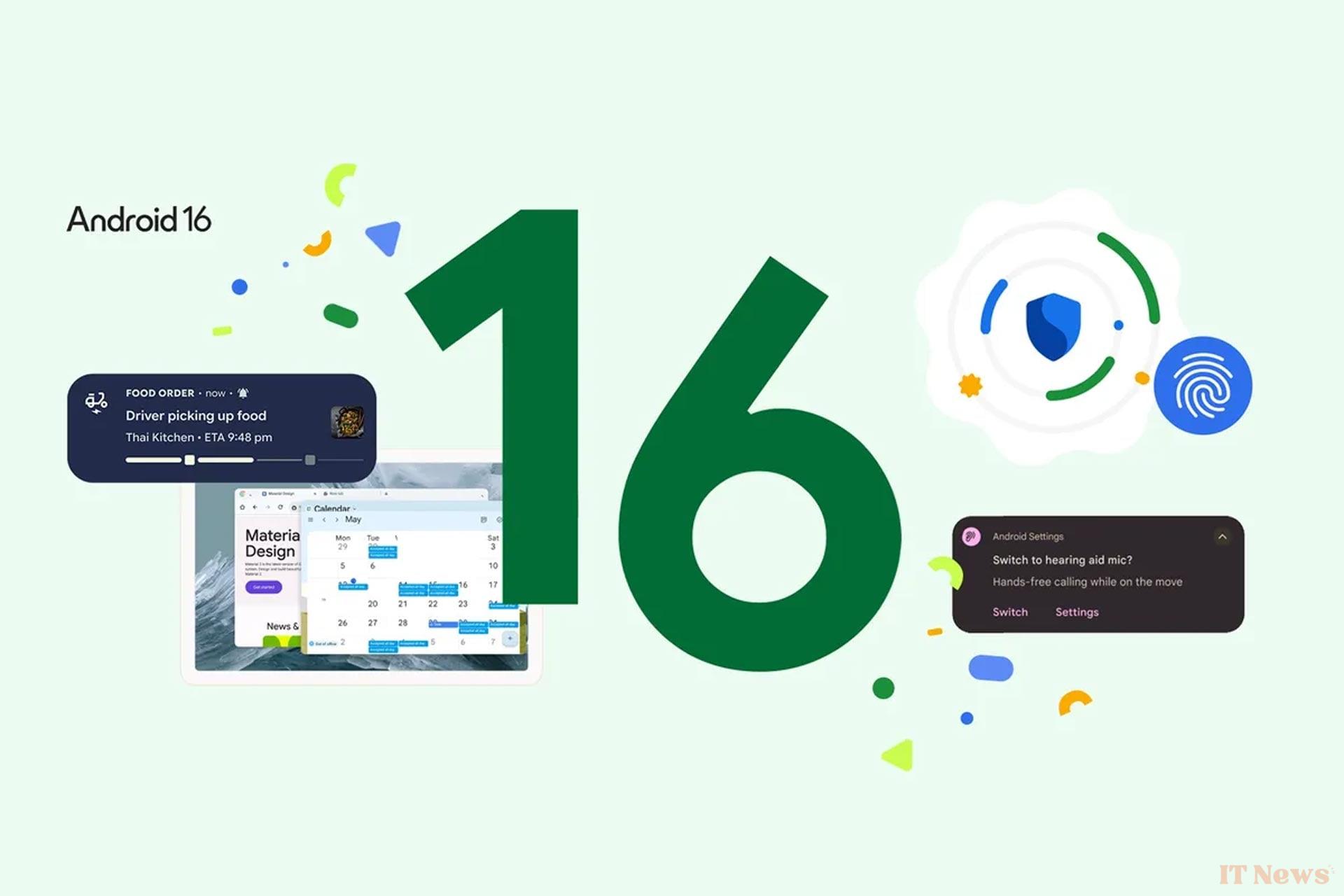
Android 16 begins its stable rollout today, Tuesday, June 10, for all compatible Pixel phones. A promise kept by the tech giant, which had announced an earlier release than in previous years. After an announcement via the X account (formerly Twitter) of the Android developers, the American firm confirms the arrival of this new major version. So, what's new in this new version?
A more fluid and intuitive experience
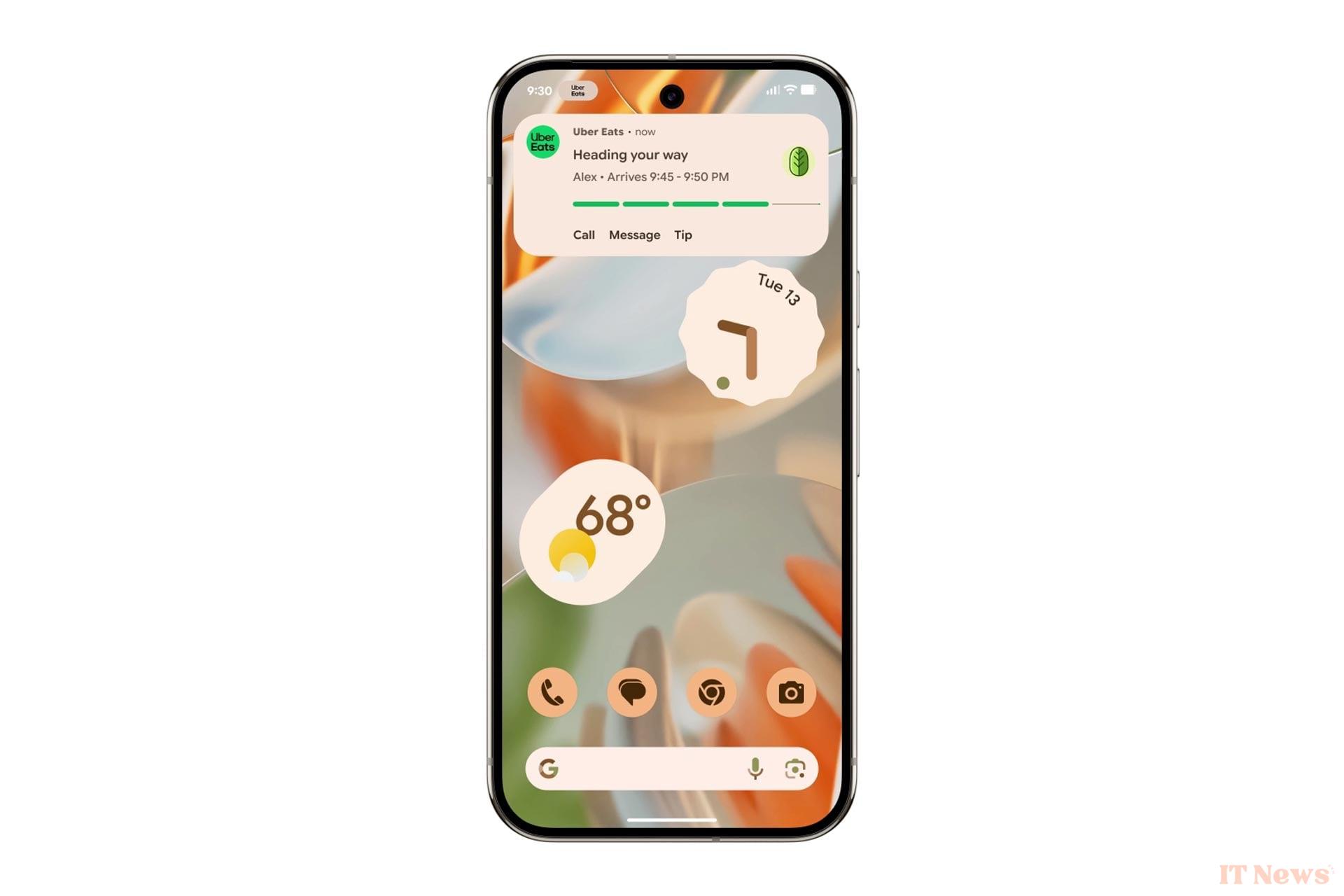
The big new feature that's getting a lot of attention is "Live Updates." Think of it as Google's answer to Apple's "Live Activities." This feature aims to eliminate the need to constantly unlock your smartphone to find out where your delivery person is or follow the score of a game. Information will be displayed dynamically directly on your lock screen. Google says it is working with partners like Samsung (for its Now Bar) and OPPO/OnePlus (for their Live Alerts) to deploy this capability.
A major step forward for accessibility
Google is placing a particular emphasis on accessibility with two significant improvements for hearing aid users:
- It It will now be possible to use the phone's microphone during a call rather than the often less powerful hearing aid microphone. The goal is to provide clearer voice quality, especially in noisy environments.
- Native controls for hearing aids are integrated into Android, allowing you to manage volume and other settings directly from the phone for a simpler and more consistent experience.
Security, a reinforced priority
Google is also putting serious effort into security. Android 16 introduces an "Advanced Protection Mode", which centralizes and simplifies all security options. Google specifies that it is aimed at users with increased security needs, such as public figures, for enhanced protection against the most sophisticated attacks.
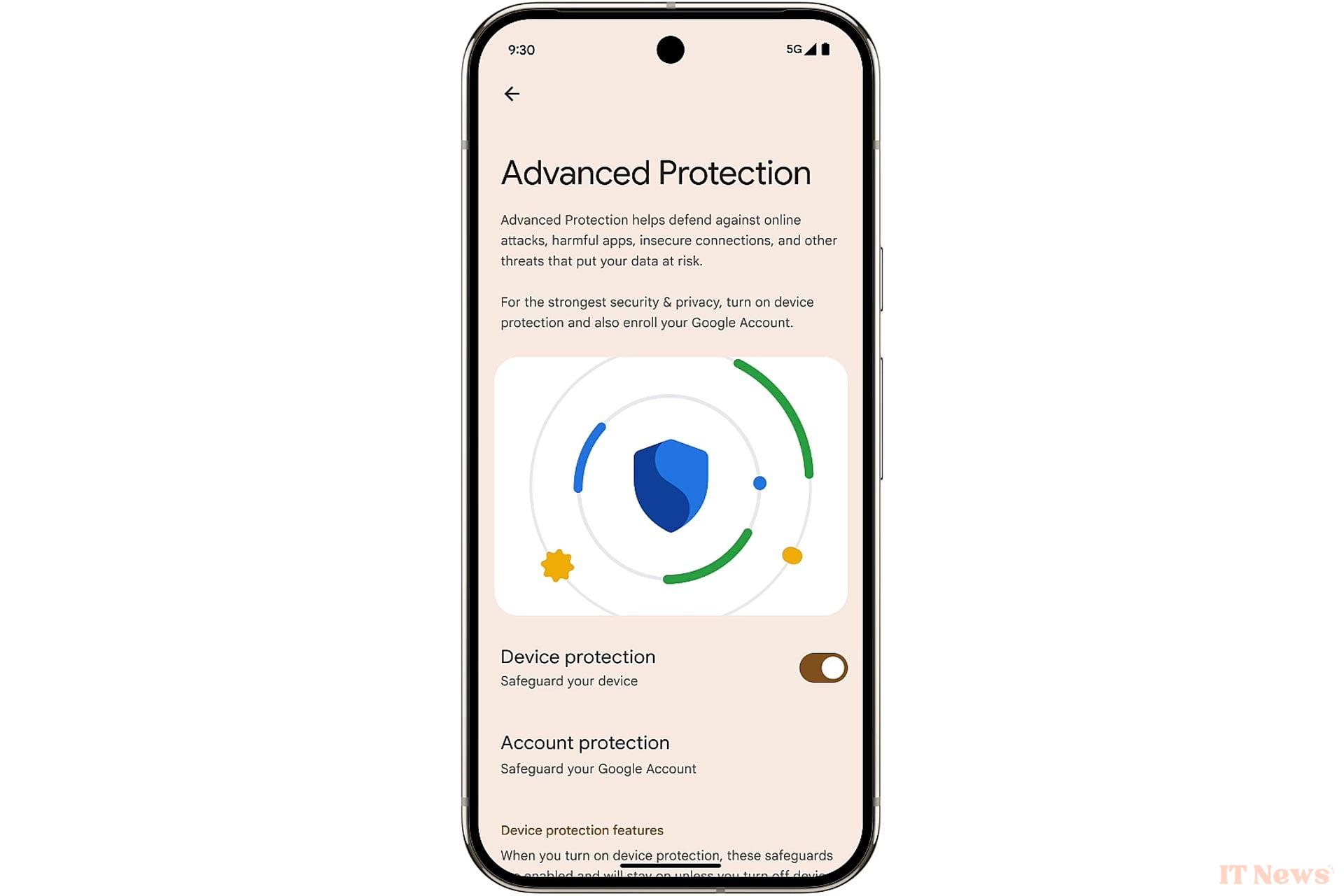
Other additions, such as an intrusion detection log or automatic restart in the event of prolonged inactivity, are planned but will not arrive until later in the year.
Tenfold productivity on tablets and large screens
Tablets are not left out, far from it. In close partnership with Samsung, Google is introducing a desktop-style windowed mode (desktop windowing). In addition to full-screen or split-screen modes, you can open, move, and resize multiple application windows, just like on a computer.
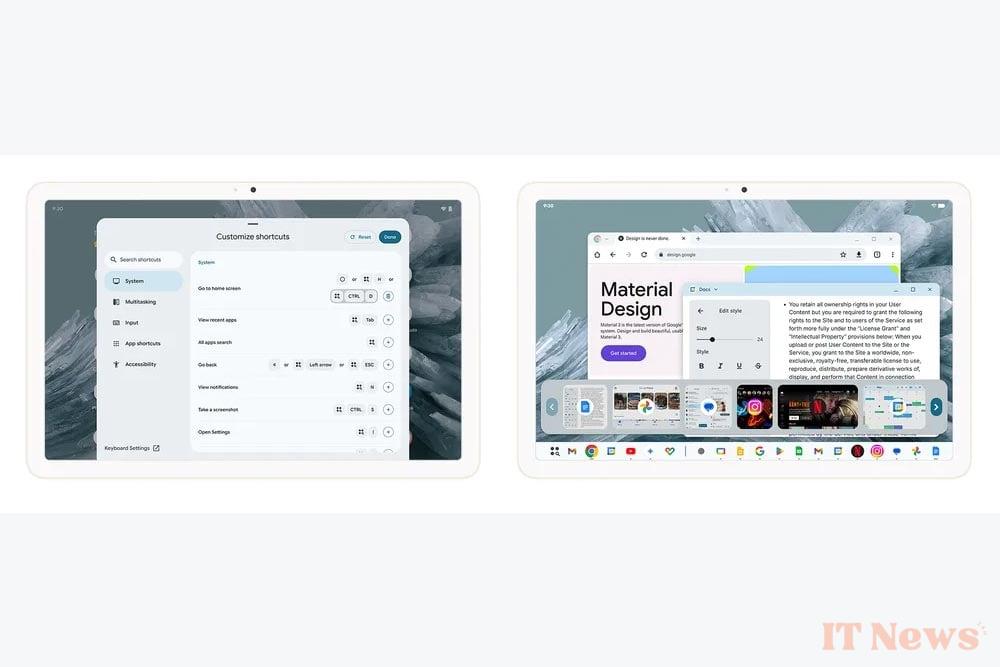
Other additions will arrive later this year to transform tablets into true productivity tools, including customizable keyboard shortcuts and taskbar overflow management to easily find your applications.
Design and other improvements
Regarding design, Android 16 lays the foundation for the new Material 3 Expressive interface, which will bring a more colorful and vibrant style. Further updates to this design will come later. The official announcement also lists other upcoming new features such as HDR screenshots, an adaptive refresh rate, and an identity verification feature.
To reduce visual overload, Android 16 will also automatically group notifications from a single app, in order to maintain a clearer and more organized control panel.
Which smartphones and tablets are compatible?
The update is initially expected to arrive on Pixel smartphones and a Google tablet. Here's the full list:
- Google Pixel 6, Pixel 6 Pro, Pixel 6a
- Google Pixel 7, Pixel 7 Pro, Pixel 7a, Pixel Fold, Pixel Tablet
- Google Pixel 8, Pixel 8 Pro, Pixel 8a
- Google Pixel 9, Pixel 9 Pro, Pixel 9 Pro XL, Pixel 9 Pro Fold, Pixel 9a
Many other smartphones, launched by third-party manufacturers, will also be eligible for Android 16 in the coming weeks and months. First in line, we expect a rollout on models that participated in the beta program: HonorMagic 7 Pro, Xiaomi 15 and Xiaomi 14T Pro, Vivo iQOO 13 and X200 Pro, OnePlus 13, OppoFind X8 Pro, Realme GT 7 Pro, Lenovo Yoga Tab Plus (tablet). Samsung, which has been delayed in the deployment of One UI 7 (Android 15), could also make up for it by offering One UI 8 (Android 16) more quickly.
Attention, beta program users!
If you are a seasoned user and your Pixel is currently running the "QPR1" beta of Android 16, you will not receive the stable update automatically. To get it, you will have to leave the beta program. Be warned: this operation will completely erase your data. A factory reset is mandatory. For others, whether they are on a stable version of Android 15 or on the "classic" beta channel of Android 16, the update will be done smoothly, over the air (OTA).


0 Comments