
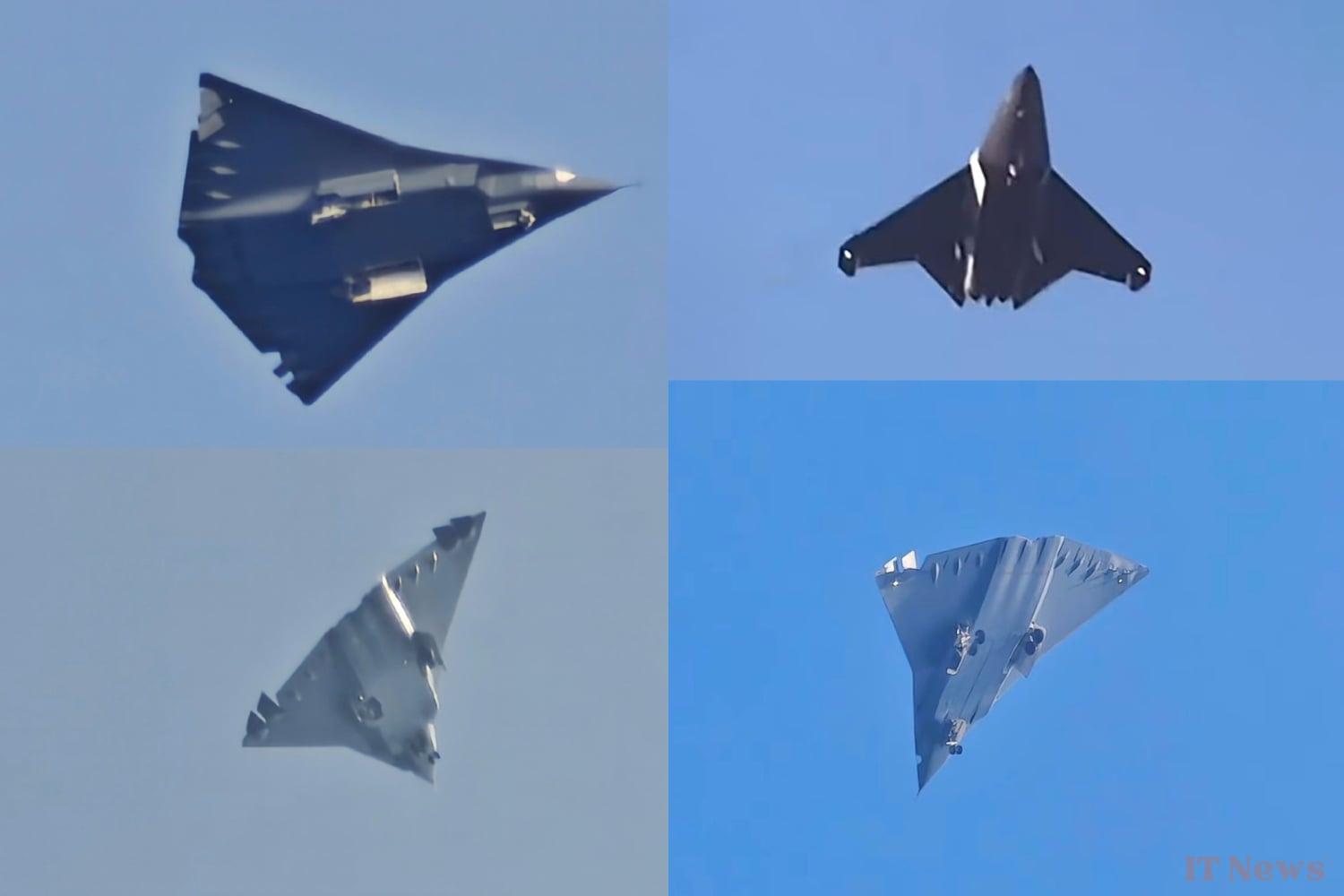
China is showing its teeth. In a demonstration of the country's growing aerospace power against the United States, two prototype stealth fighter jets were filmed in quick succession on Thursday, December 26. They confirm that the project to obtain a new generation of radar-invisible fighter-bomber is at an advanced stage… in addition to the development of a multirole J-35A fighter, a competitor to the F-22 Raptor and F-35 Lightning II.
Justin Bronk, an air power expert at the British think tank RUSI, explained to Business Insider that it is “fascinating that the People’s Liberation Army Air Force/Chinese Communist Party chose to fly this prototype in daylight”, although for him, these prototypes did not represent a sixth generation of aircraft, but “probably of the 5th generation regional attack bomber/fighter project, sometimes called J/H-XX."
The two prototypes observed do not have the same design, while the first, without vertical stabilizers and with its large wings, is reminiscent of the US Army's F-117 Nightwalk, launched in the 1980s (used as a training aircraft since 2024). The Chinese prototype is signed by the Chengdu Aerospace Corporation. The second aircraft, filmed at the same time, is another vision of the sixth generation of Chinese stealth bomber, this time designed by Shenyang Aircraft Corporation. The two could be rivals in obtaining a contract with Beijing.
Facing the Americans, the designs of these aircraft differ in several points. For example, the Chengdu Aerospace Corporation prototype carries three reactors. The aircraft, which was scheduled to make its first flight in 2025, should then be operational in the Chinese fleet in 2030. By then, it will carry with it new pilot assistance systems capable of addressing the lack of maneuverability and stability caused by the design without a vertical stabilizer or tail.
In terms of names, local media are predicting "J-36" for the Chengdu Aircraft Corporation fighter, which would integrate the aircraft into the Chinese JH-XX family. The second, from Shenyang Aircraft Corporation, is more mysterious (the images published on December 26th would date back to an older flight, from last week) and the media are still wondering about its role with its design with two engines and its reduced size.
The flight of the CAC prototype, the one with the diamond shape and the absence of a vertical stabilizer, was escorted by another fighter, of the J-20 type, which would itself be a prototype of a new configuration "J-20S", which had never been confirmed before. At the time of the J-20's first flight, China had also chosen the date of December 26 to unveil it, the birthday of Mao Zedong, founder of the Chinese Communist Party and the People's Republic of China (PRC).
Beijing is keeping quiet, but the sixth generation of fighter is being prepared
We will still have to follow the official announcements from the government, which has remained silent until now, even if it does not seem disinterested in sharing these images on the web.
At the same time, if it is indeed a sixth generation of fighter, China will have to prove the qualities of these prototypes as multi-role aircraft, while this name should refer to an ultimate stage of advancement in terms of air superiority (represented by aircraft with advanced computing systems, extended operational range, higher speed and a large payload).
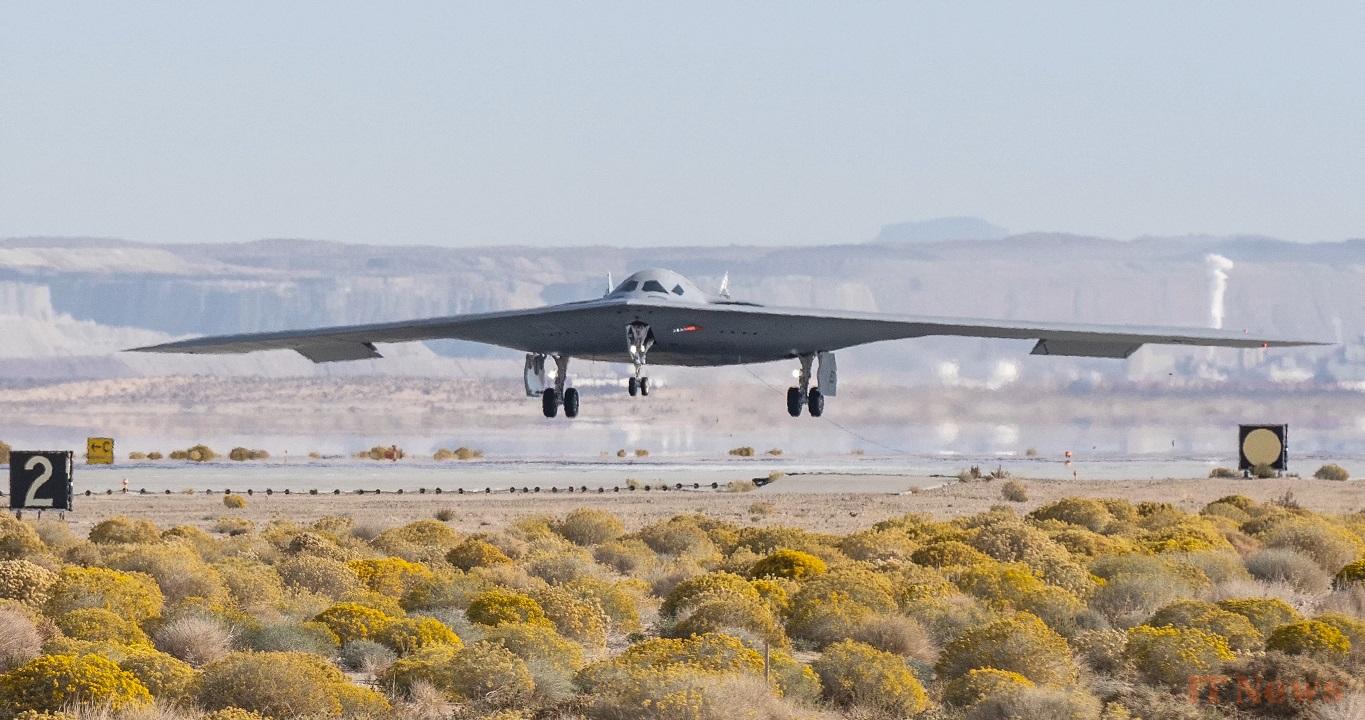
In the United States, the Army is currently relying on the development of the NGAD (Next Generation Air Dominance), a program that should result in a sixth-generation combat aircraft. In November and December, the program was put on hold for a review (particularly of the budget).
Lockheed Martin and Boeing are reportedly the main subcontractors in the running for a very lucrative contract, but for economic reasons, the US Army is increasingly seeing the role of the current B-21 Raider, already in production, expanded. Its main weakness: air-to-air capabilities and an unsuitable defense system. Its alternative would still be more immediate and cost-effective than that of an NGAD fighter.


0 Comments