
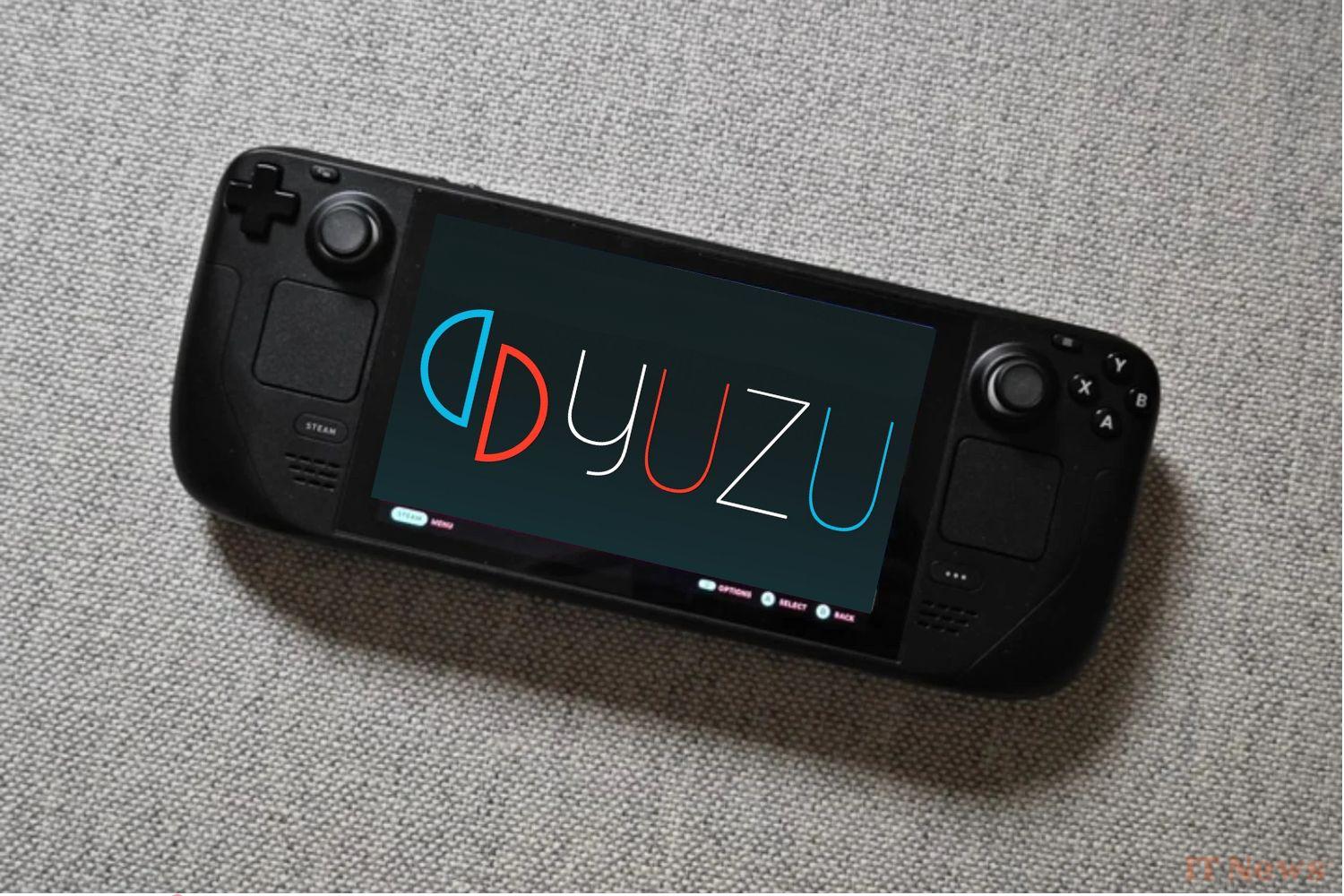
Nintendo is going all out to enforce its copyright. After removing over 20 years of content from a very popular game, the company is continuing its crusade against emulators, particularly Yuzu. This software, which allows you to run the most recent Nintendo Switch games, has been at the heart of a storm for almost a month as Nintendo accuses its creators of encouraging the piracy of its intellectual property on platforms other than the Nintendo Switch.
The founders of Yuzu had been very cooperative since the beginning of the case, wanting to avoid a trial at all costs. The emulator closed its site, its Discord and was no longer downloadable... at least via official channels. Indeed, Nintendo is determined to shut it all down once and for all. That's why the company filed a DMCA takedown notice with GitHub, which resulted in 8,535 data repositories being removed in one go.
Nintendo, or the King of Copyright
This is probably a record for a copyright request, and it seems fitting that Nintendo is the one to start it given its reputation. The studio says that these repositories “provide access to the Yuzu emulator or code based on on the Yuzu emulator that illegally circumvents Nintendo's technological protection measures and runs illegal copies of Nintendo Switch games. The goal is obviously to wipe Yuzu off the face of the Earth, as well as its many copies circulating on the web. It will certainly take the company a long time to have everything removed, but the fact that it has ruled so quickly with Tropic Haze regarding its emulator should speed up the process. It goes without saying that Nintendo will not stop there and that all modern emulators are now in its sights.
Emulators are popular
This does not prevent old consoles from coming back to the forefront. Indeed, DS or Game Boy emulators like Delta are extremely popular currently on iOS devices, and therefore on social networks, while Apple has had to open its ecosystem to third-party application stores. These software programs should not be in danger, as they allow players to emulate their own games without circumventing release dates or promoting piracy, although the use of some is on the edge of legality.
We can only advise you to be careful on these issues, even if it is often the creators of the software who get involved in lawsuits more than their users in the majority of cases.


0 Comments