
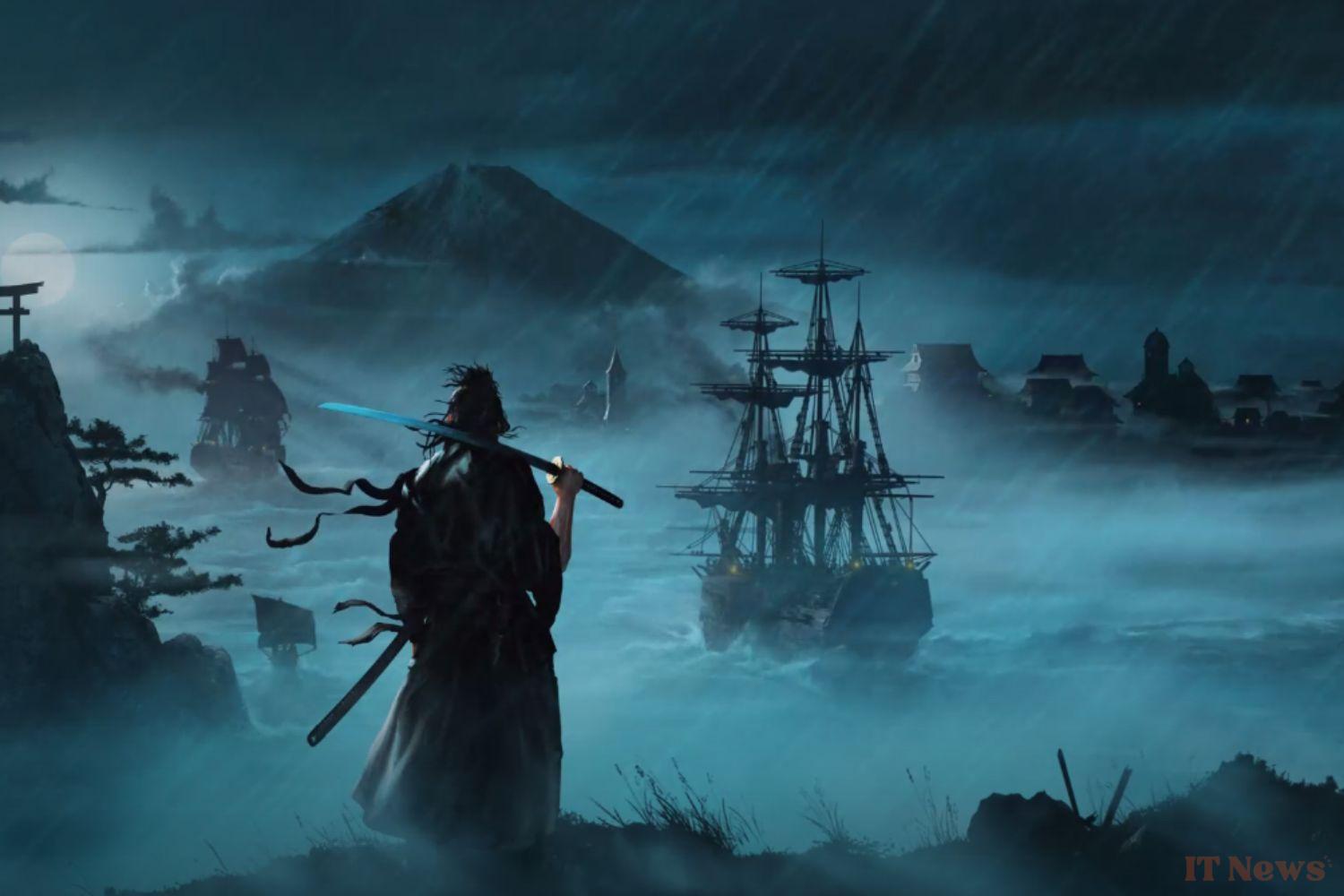
The year 2024 is looking to be a quiet one for PlayStation in terms of exclusives and first-party games. Just before the lull, players will be able to enjoy Rise of the Ronin, the next game developed by Team Ninja for PS5 owners. The action game tells the story of a fighter who lost his master, at a time when the Japanese are revolting against the shogunate.
From its first visuals, Rise of the Ronin wanted to seduce us with its Japanese atmosphere, its energetic fights and a story inspired by a real political turning point for the country. If we were particularly looking forward to it, the title ultimately has the potential to be a big disappointment. Has Team Ninja lost its flame? The answer in this Rise of the Ronin test.
Check the price of Rise of the Ronin
Welcome back to Japan
The promises of Rise of the Ronin are great. Thrust into revolutionary Japan, the player discovers a world in the grip of conflict. The principle of the game is based on the fact that we play two characters alternately, twin blades that complement each other and never separate. At least until the tenth minute of play.
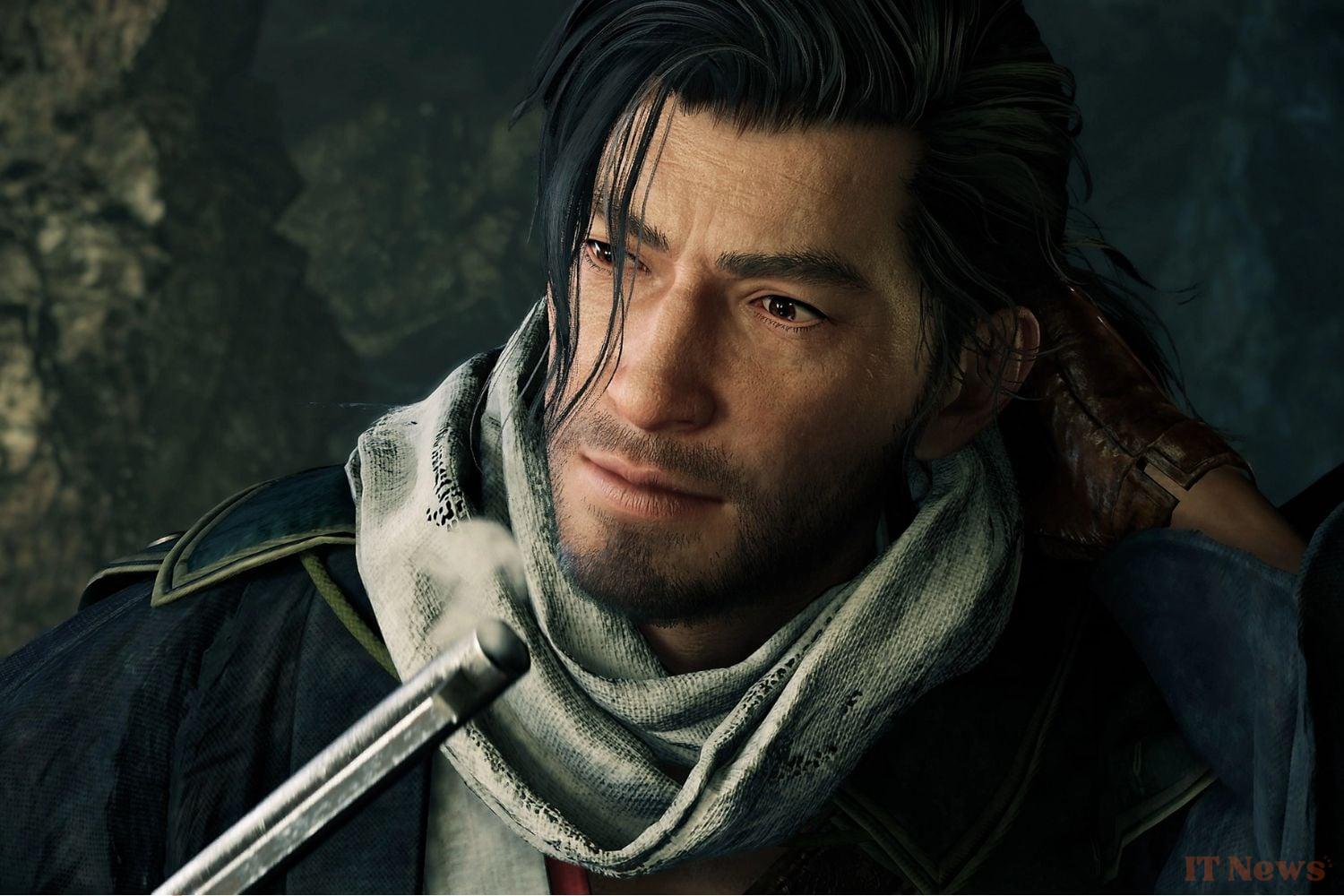
In reality, the studio's choice is not very smart. During the very first mission, Team Ninja decides to deprive us of our double for an indefinite period. If we understand quite quickly that we have to go looking for him, this decision has the gift of being able to frustrate anyone who has spent some time on character customization. A very complete customization, which allows you to really make the characters your own... before sacrificing one.
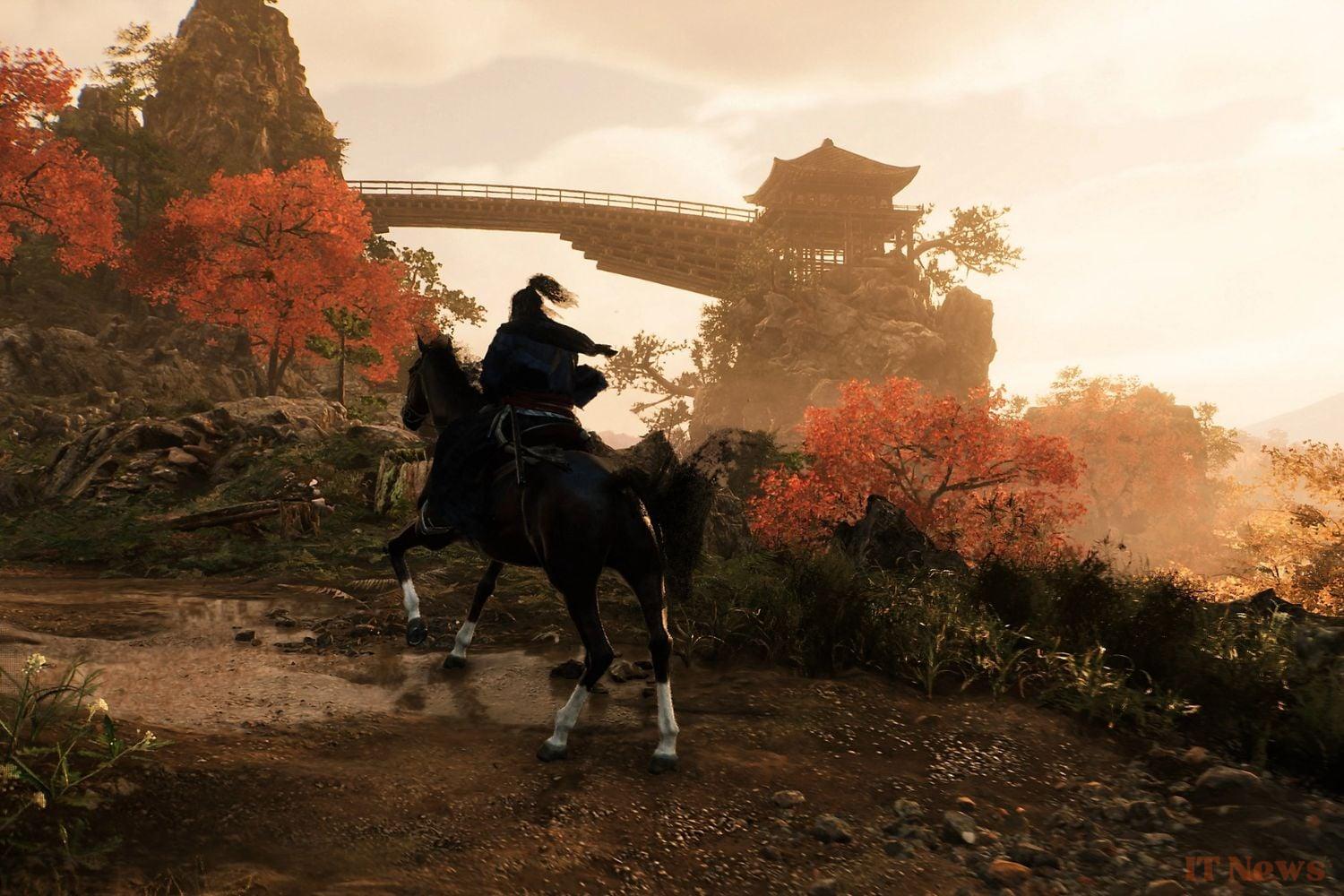
Apart from this slight setback, and once the training session is over, Rise of the Roningreatly emphasizes combat and its techniques. The choice of weapon is important depending on the class you select, and the title emphasizes the action RPG side with skills to unlock, but also a spider web graph to represent your strengths and weaknesses. The long-term customization is rather well thought out.
An unbalanced combat system
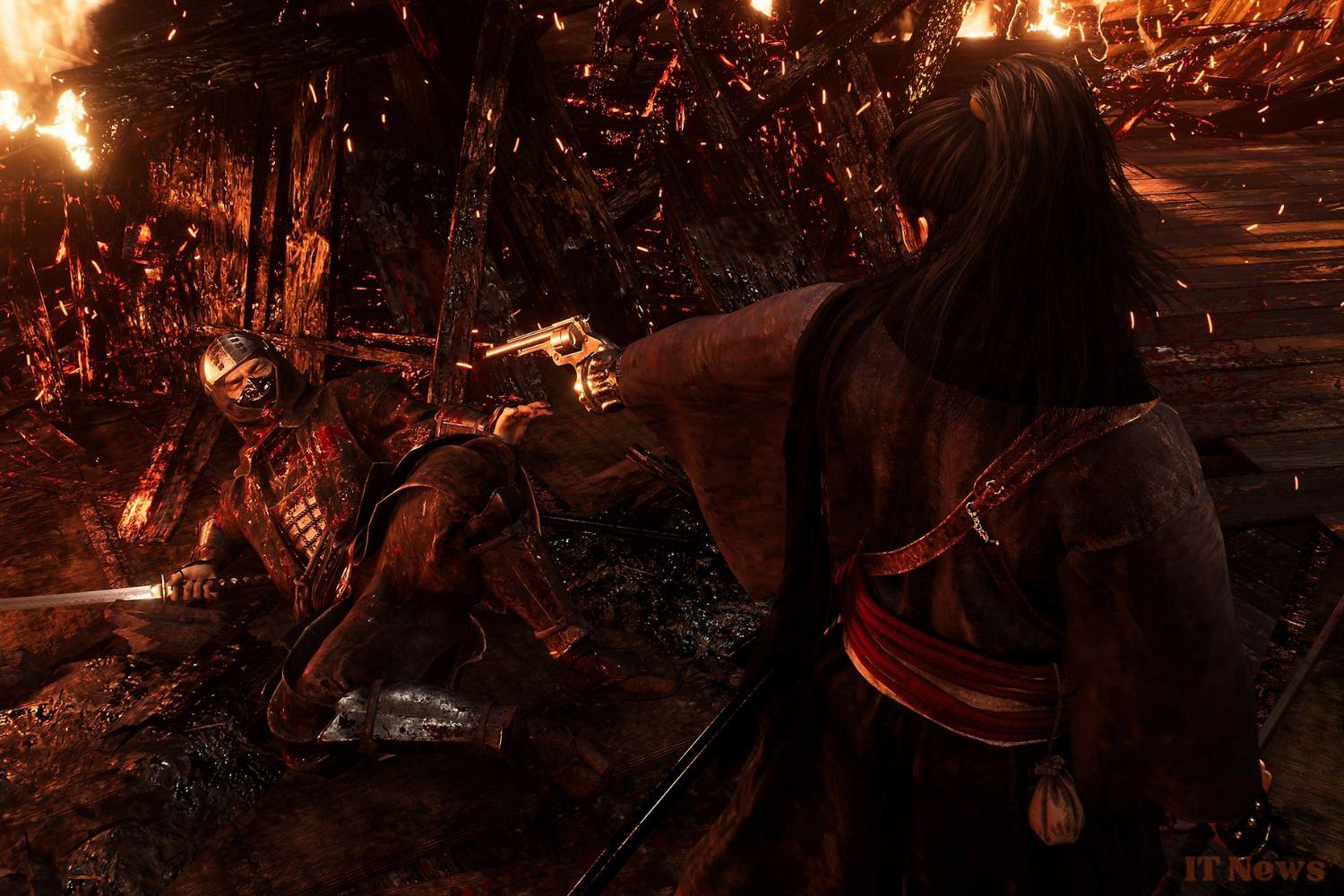
But that obviously doesn't make up for the catastrophic sensations with the controller in hand. For a game focused on combat, the controls couldn't be more impertinent. While most titles in the genre use the triggers for greater fluidity, Team Ninja sticks to the buttons and in a rather strange way. Almost all victories in combat are based on the counter (triangle key) whose timing never seems to be reliable. The animations also suffer from a counterproductive slowness.
Against all expectations, these fights, however highlighted by the studio, turn out to be the big black mark of this new entry. In terms of feeling, nothing seems to be really modern, which is a real shame for a PS5 exclusive. The Ki (endurance) system doesn't stop us from being able to bully certain enemies and we are particularly annoyed by the automatic targeting as soon as a duel is launched.
5 years behind, or more
This lack of modernity is also felt visually. The artistic direction of Rise of the Ronin is based rather on a certain realism. It applies to the characters more than to the environments, which are almost disappointing. The standards will differ from one player to another, but it is clear that the effort is minimal on the graphics of the work, which harms the overall atmosphere.
This is not the first time that Sony has offered us a game environment inspired by Japanese culture. Rise of the Ronin deals with a radically different era than that of Ghost of Tsushima, and yet, the comparison is necessary. It is clear that the new game does not manage to match the old one in terms of atmosphere, gameplay, but also and above all, in terms of setting. The trailers sold us a Japanese dream as we love them, to finally offer us a version much less accomplished than expected.
Rise of the Ronin had its historical period going for it, modeled on a real turning point in Japan. The characters are inspired by the emblematic figures of the time and the events described throughout the game refer to them. Despite everything, we feel that the narration is behind compared to the rest. We still appreciate making choices that matter for the unfolding of the story, but in our opinion it is not highlighted enough. It is regrettable given the strong potential of the story teased by the game that it is so clumsily exploited.
A lack of commitment to attention to detail
Even in terms of gameplay, the possibilities are limited. That the studio chooses to focus on combat is understandable. But only if it is done well and the balance is achieved in one way or another. Today, if we have a PlayStation game focused only on combat and very little on the story, we prefer to get our hands on SIFU again.
The exploratory side is rather favorable to a certain freedom. The playground is available in an open world, and it is possible to head in any direction. We will not say that discovery is encouraged, thanks to any rewards, but at least it is possible, sometimes to the detriment of a certain rhythm. Adventure fans will appreciate the moments of calm, while others will hate spending so much time on travel. Once again, it is a matter of taste. Some details would have deserved more attention, however, such as the non-existent elemental damage during exploration, or the few destructible elements.
On the other hand, we cannot take away from Rise of the Ronin the dynamism of its production. During the cutscenes, we find the studio's signature speed and its incredibly precise camera movements. All the staging outside of the pure gameplay phases is rather successful in terms of immersion. But these moments are so drowned under the rest that it becomes difficult to catch up with the game's flaws. We finish the game with the feeling that the studio did not get to the bottom of things on many subjects.


0 Comments