
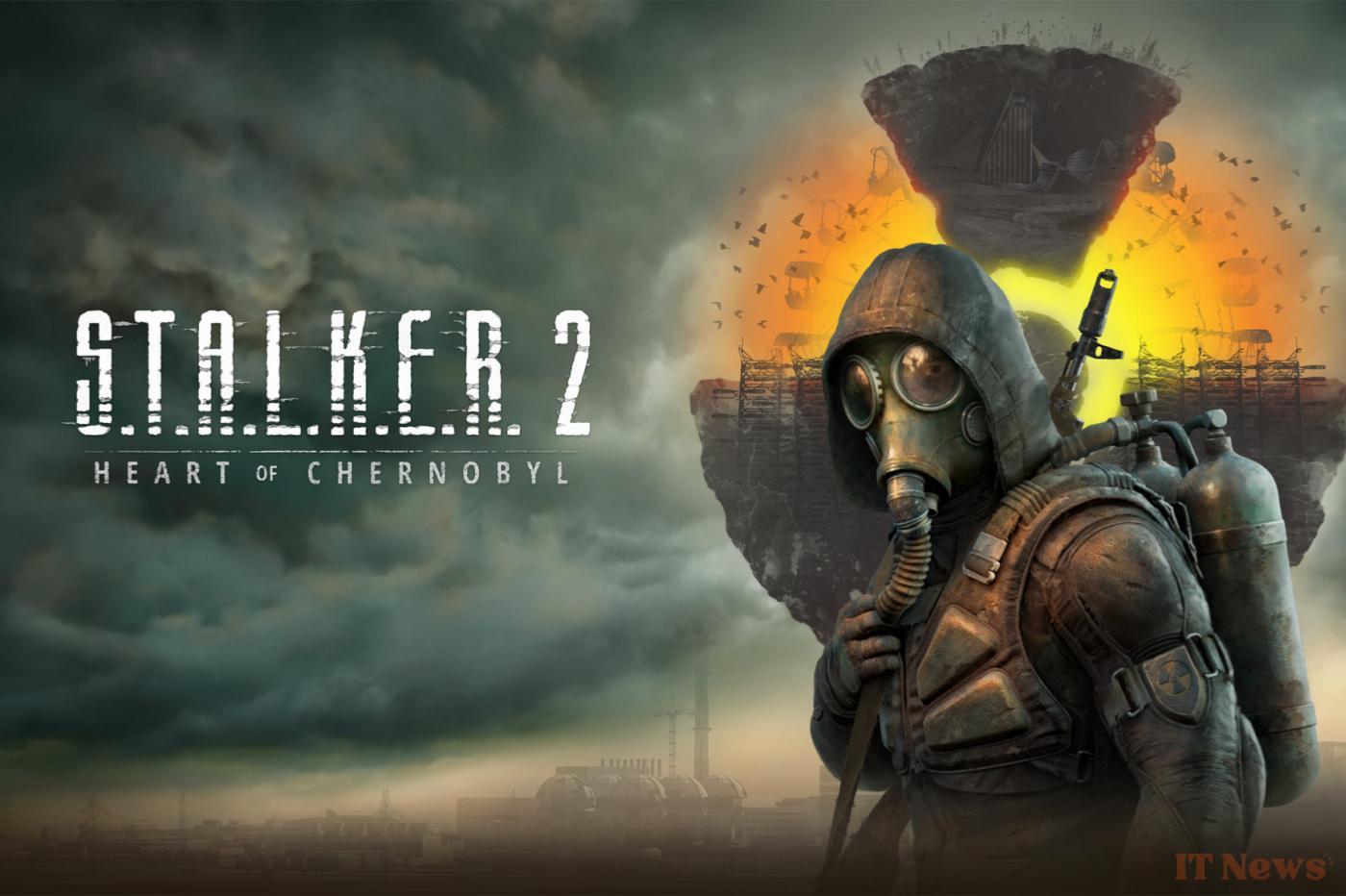
After an interminable development cycle during which Ukrainian developers GSC Game World had to juggle the Covid-19 pandemic and the invasion of Russia, the latest installment of the legendary saga has finally arrived, almost three years after the initial release date. Will it live up to its illustrious predecessors? Here is our hot take on it, after a good ten hours that were as captivating as they were frustrating.
For those unfamiliar with the STALKER universe, the plot takes place in the closed perimeter around the Chernobyl power plant — or the Zone, for short. Following the nuclear disaster that devastated northern Ukraine in 1986, the entire region was transformed into a gigantic lawless zone governed by its own deviant laws of physics. Various factions engage in a merciless struggle for control of the strange artifacts born from these deadly anomalies, while trying as best they can to survive in this sort of post-apocalyptic western full of mutant creatures where the only law is that of the strongest.
The player embodies Skif, a mysterious individual not spoiled by life who has chosen to try his luck in this nuclear hell. But make no mistake: as in the previous games, it is the Zone itself that remains the number one protagonist of the game.
A gem of atmosphere
First observation: this new version of the map is absolutely immense, and full of points of interest to explore. Fans of the series will be pleased to see that the deliciously oppressive and disturbing atmosphere that made the first games so successful is not only present throughout, but enhanced by the immense technical advances that the industry has benefited from since the original was released in 2007.
From a purely technical standpoint, the integration of Unreal Engine 5 alone is enough to breathe new life into the Zone. In short, STALKER 2 is graphically stunning, which makes the visceral realism of this universe even more impactful; one could almost taste the acid rain that falls on these battered lands.
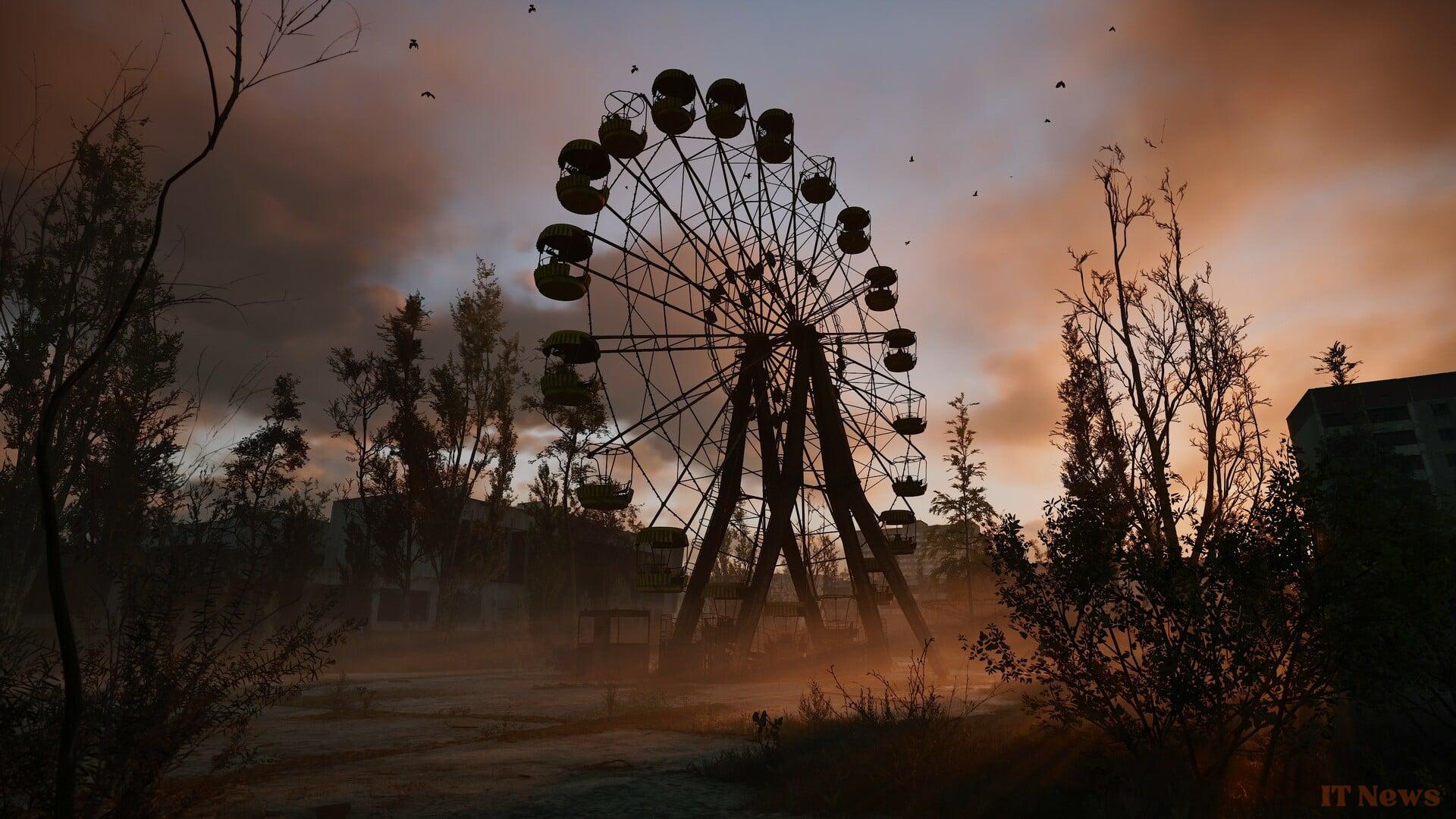
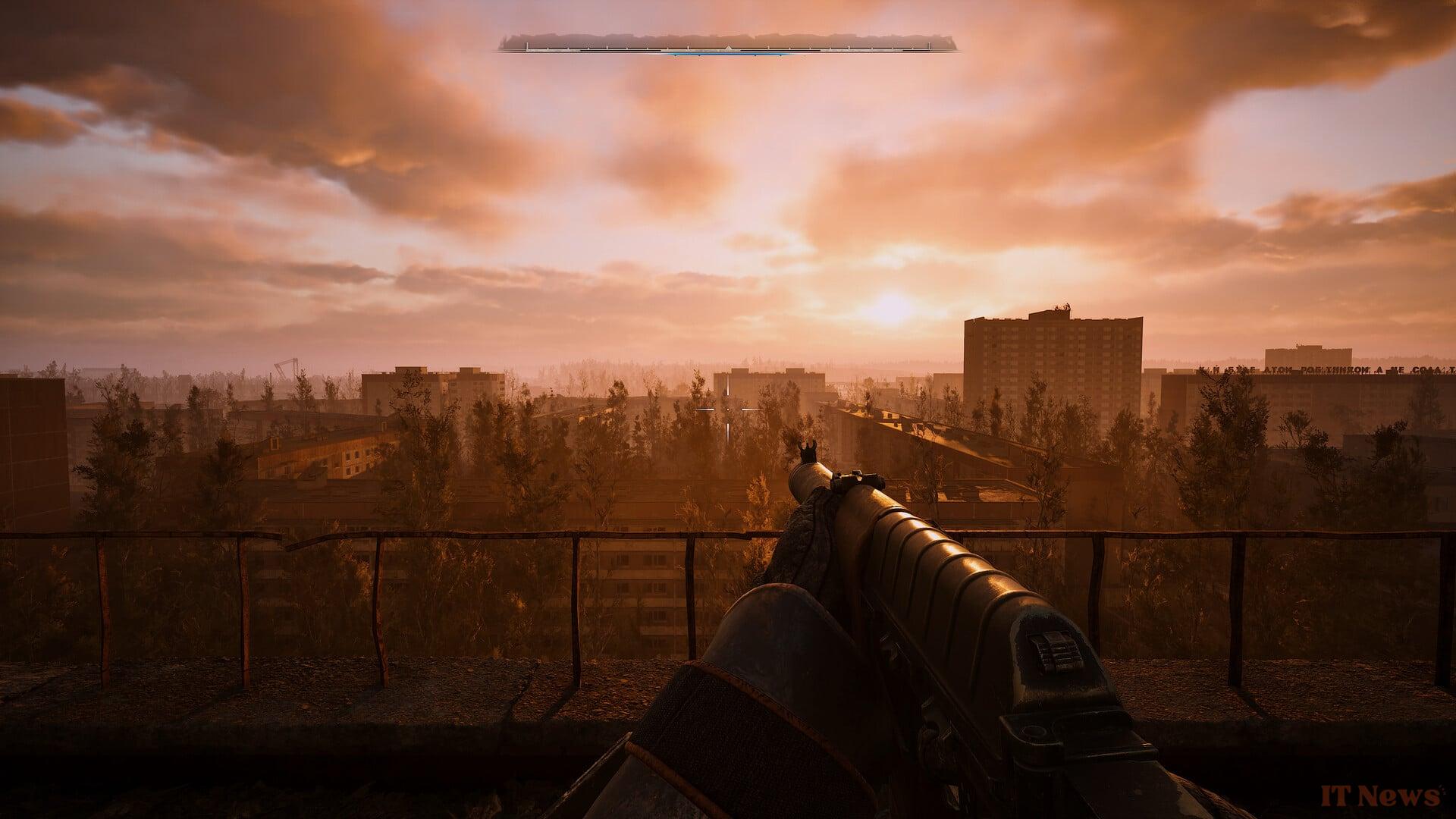
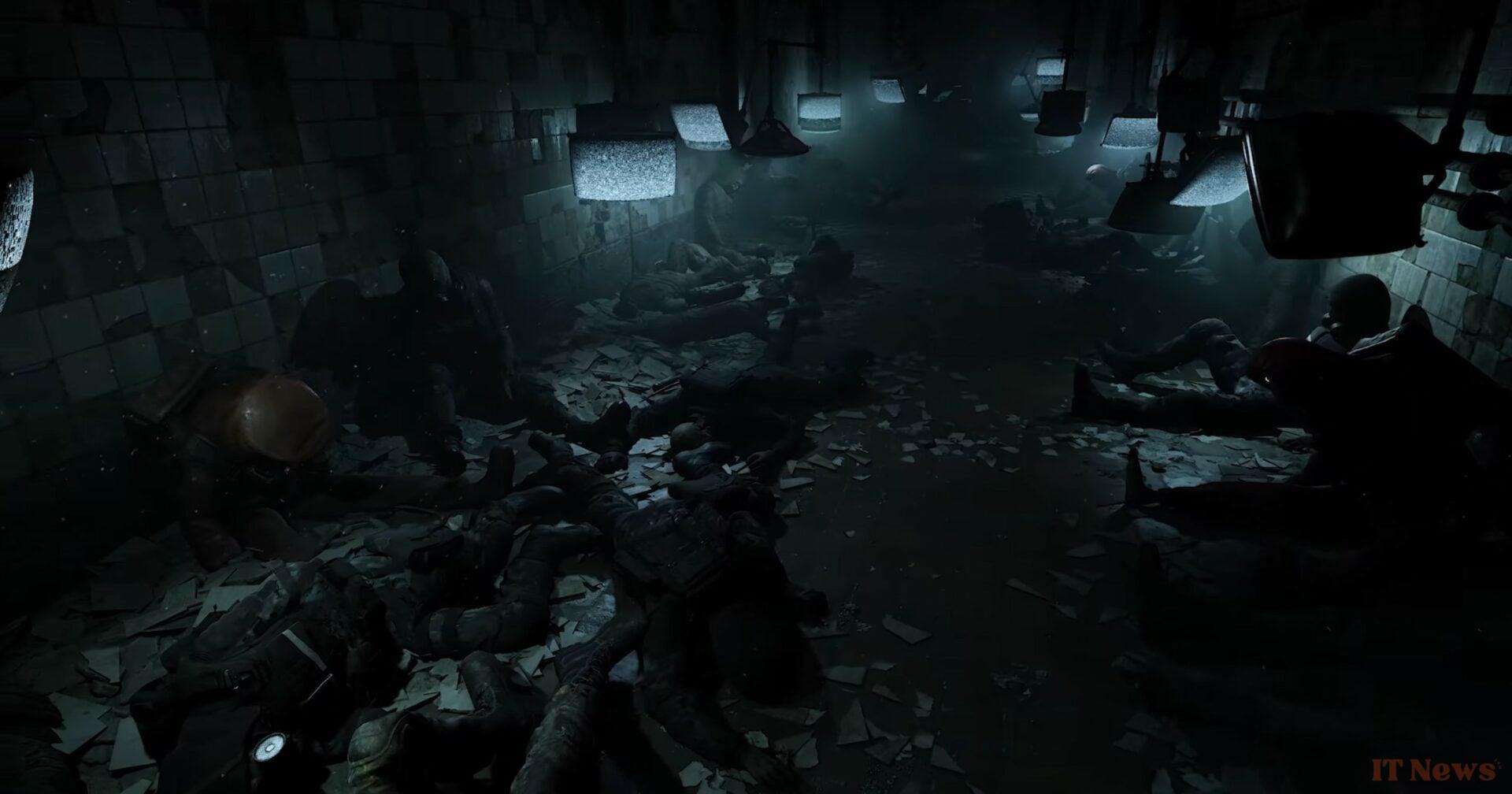
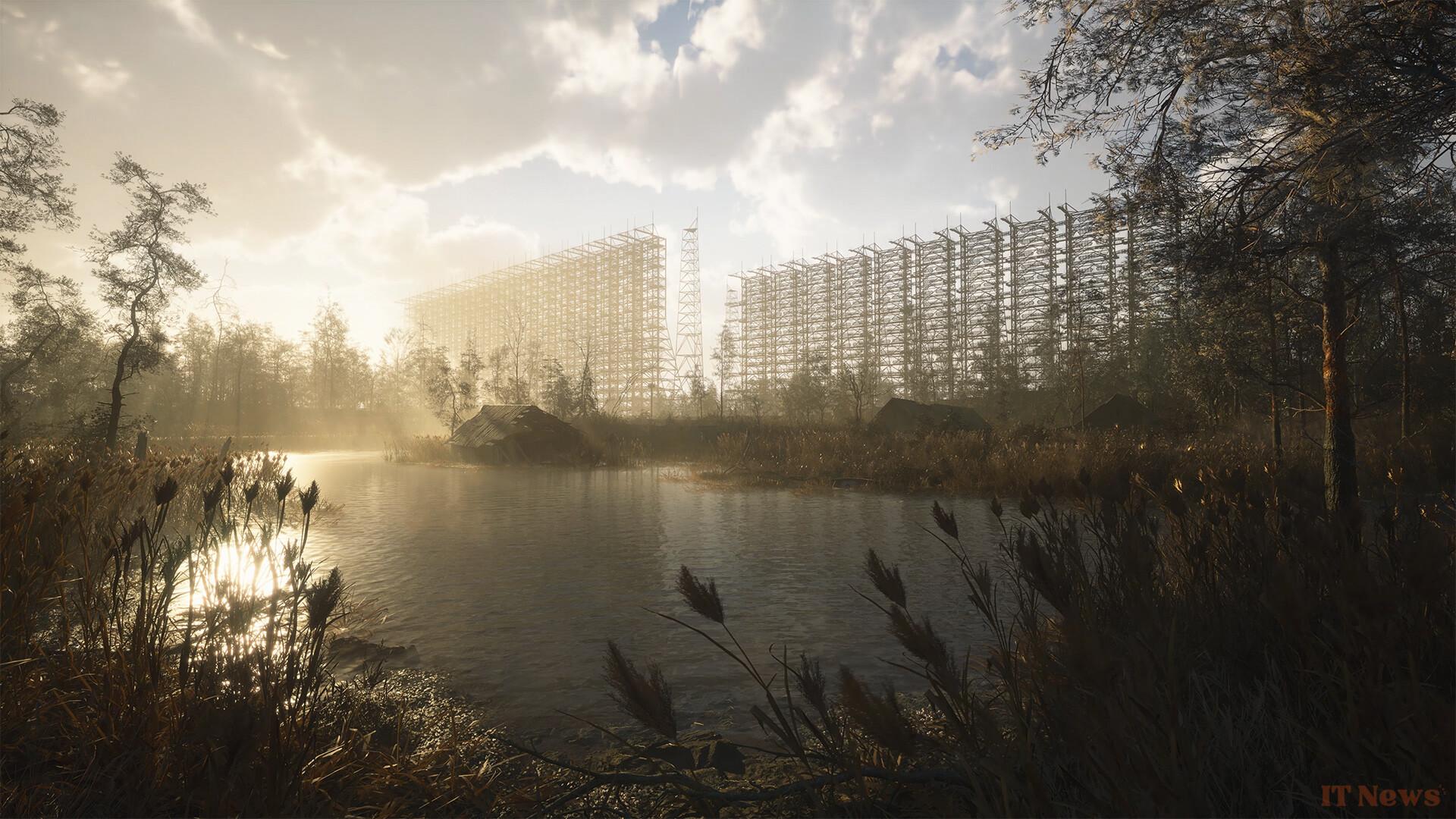
But beyond the graphic fidelity, the game's real strength lies above all in the atmosphere. It is absolutely obvious that GSC put its heart into building this sinister universe. This dreary and gloomy atmosphere has never been so well transcribed, and the immersion is as immediate as it is brutal. Each element of the universe has its little effect, and each step in these desolate spaces took us by the guts; you will have understood, at this level, STALKER 2 is an indisputable success.
A problematic optimization
But if the adventure begins under the best auspices, it is quickly handicapped by a host of technical problems as difficult to digest as the radioactive sausages devoured by Skif between two artifact hunting expeditions. The least we can say is that the technical part is clearly not up to its artistic virtuosity; the game suffers from a more than significant number of bugs and issues.
To begin with, optimization is absent. Those who do not have a competitive machine will unfortunately be unable to enjoy everything the Zone has to offer visually speaking. Our RTX 3070 suffered a lot, and only owners of a high-end graphics card of the latest generation (RTX 4070 or more) will be able to aim for Ultra quality – especially because the developers made the questionable decision to force the use of ray-tracing, with all that this implies in terms of performance. During our few sessions, we were also confronted with catastrophic memory leaks that systematically forced us to restart the game – very problematic in terms of immersion.
“Anomalies” everywhere
The gameplay also suffers from some pretty horrifying bugs. Thankfully, none of them have stopped us from progressing (so far) — but they’re still very frustrating nonetheless.
Glitches have always been an integral part of this notoriously wobbly series. Fans have even taken to talking about it with kindness, and have made it a diegetic element in its own right through the famous phrase "There are no bugs in STALKER, only anomalies " — a direct reference to the dangerous paranormal phenomena that dot the Zone.
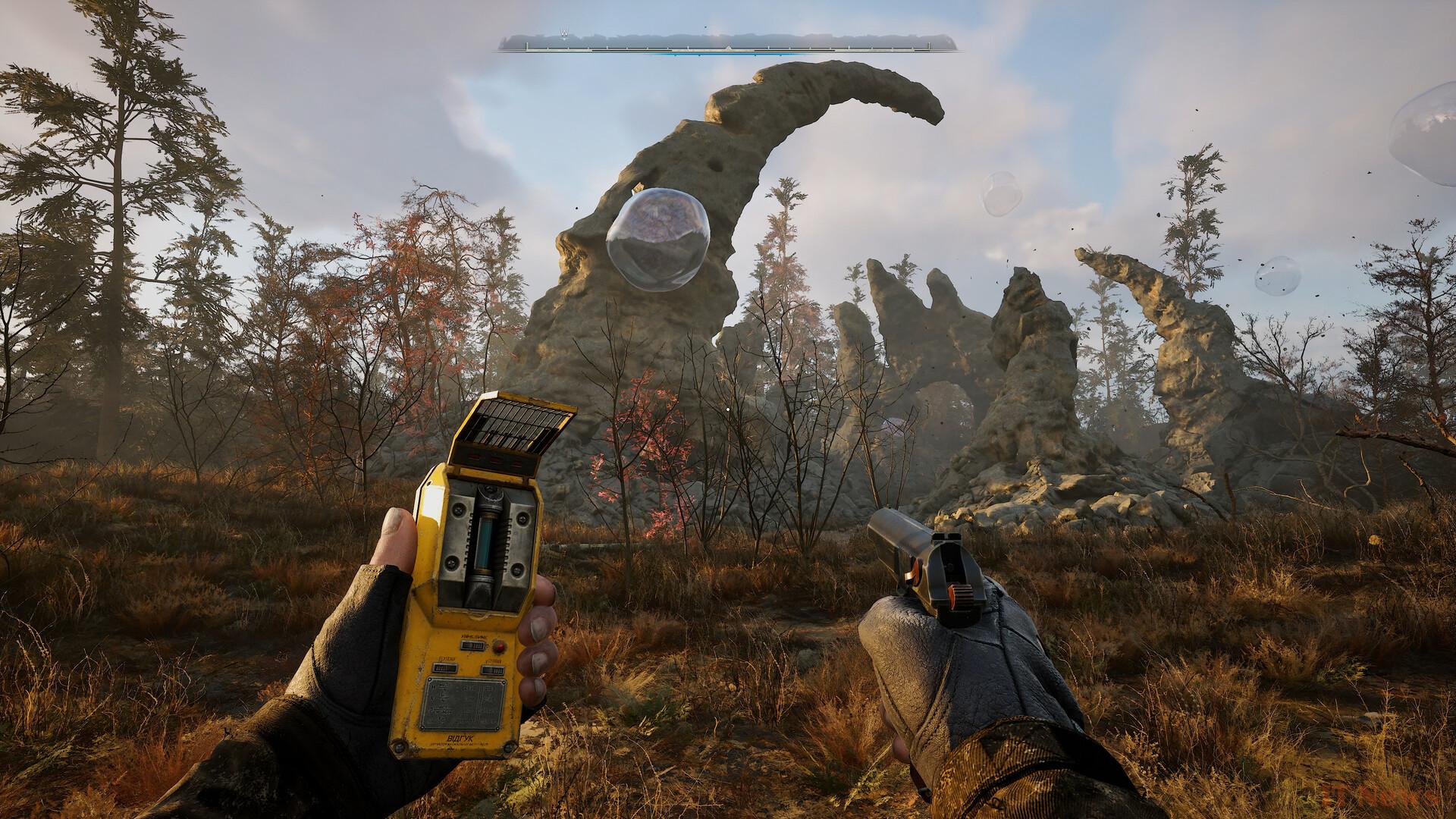
But in Stalker 2, it takes on such proportions that it is sometimes difficult not to roll your eyes. For example, we have several times been spotted, then summarily executed by an invisible enemy stalker, because... stuck in a closet or a car wreck. The kind of sequence we could happily do without; the Zone is already ruthless enough as it is!
The A-Life AI in freewheeling
At some levels, we even see a rather disappointing technical regression. The best example is undoubtedly that of the famous A-Life AI which greatly contributed to the success of the first games. As a reminder, it is a dynamic simulation system which allows all the occupants of the Zone, from independent stalkers to mutants and members of the various factions, to interact organically. For example, by going to look for the origin of a salvo of gunfire, we can come across an altercation between two groups which has turned into a chaotic bloodbath after the sudden incursion of a horde of deformed critters.
These events which are the salt of Stalker are still present, but they are implemented in a particularly shaky way. The fault lies mainly with a spawning system that really doesn't seem to work as intended in this early version of the game, enemies often spawn in ridiculously random ways without taking context into account, which greatly harms immersion. This Reddit post is a great example.
But as a general rule, these rather comical bugs open the way to quite infuriating situations. Too often, enemies armed to the teeth appear out of sight and also too close to the player to give them the opportunity to react, especially outdoors. This tends to offer a decisive strategic advantage to enemies who don't really need it, knowing that they generally benefit from near-perfect aim even in environments where visibility is practically zero. In our first ten hours, advancing cautiously while staying on the lookout has rarely been rewarded compared to previous games, making many encounters more frustrating than anything else.
And even when the player manages to catch an enemy group off guard, it usually only takes a few seconds before their strategic advantage flies away like a house of cards in a tornado. Because in addition to all being gunslingers, the opposing Stalkers all benefit from overdeveloped senses that make stealth very random, if not almost obsolete. Here again, it's a frustrating shortcoming in a game where we are supposed to avoid head-on clashes as much as possible.
A more than questionable balance
We also regret other glaring balance issues, particularly on the mutant side. Special mentions to the psi-dogs, and especially to the Bloodsuckers, these abominable invisible mutants who set deadly ambushes for the player. In the past, these iconic creatures of the series were rare enough to make these encounters psychologically impactful; you could roam the Zone for hours without meeting one, before being treated to a sequence that was both thrilling and memorable when they finally showed the tip of their tentacles after being forgotten.
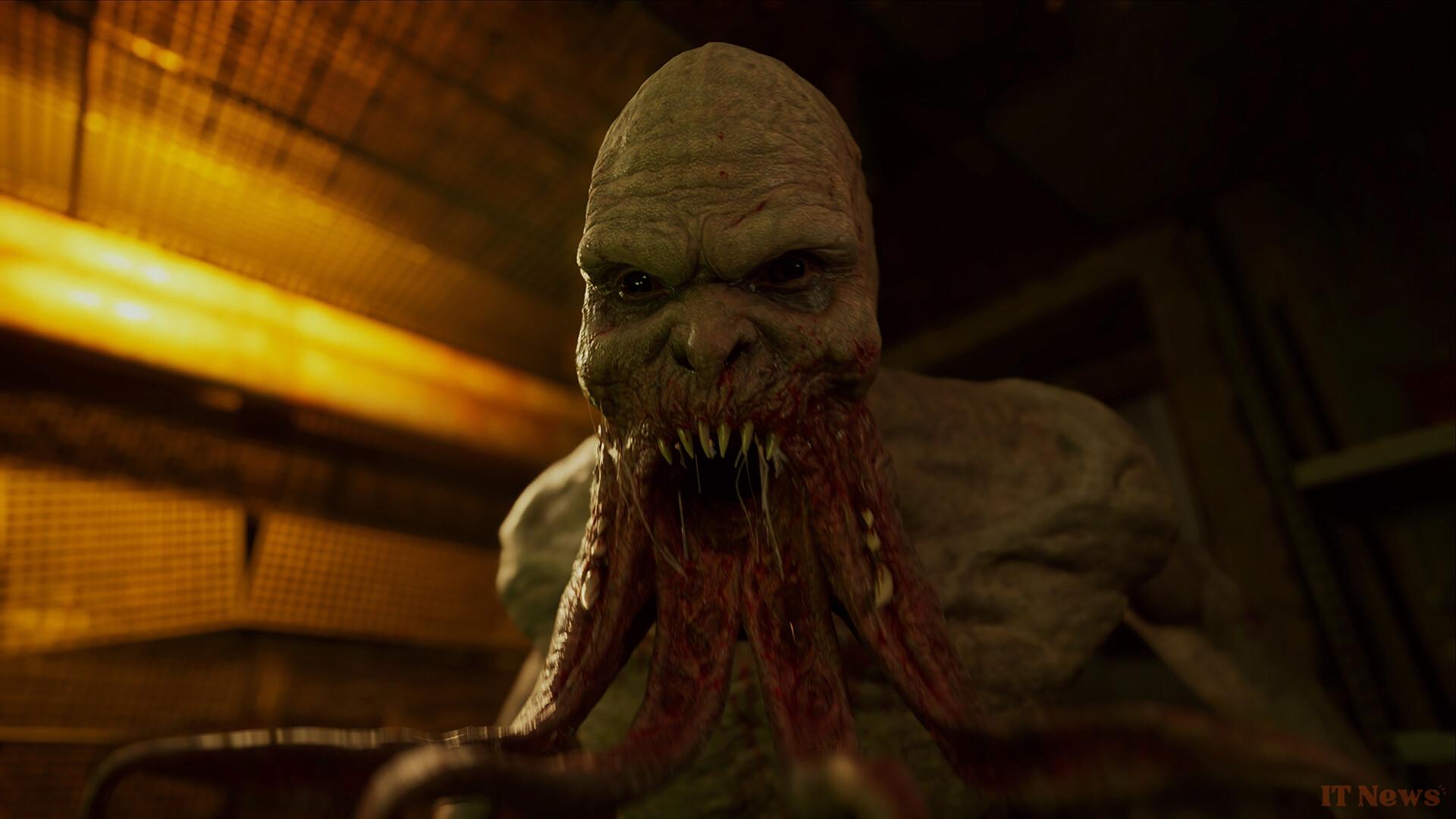
But in Stalker 2, these fights have lost all their interest for two reasons: they are much, much more frequent and above all more frustrating than anything else, because even on normal difficulty, these mutants, although frail, have become real bullet sponges that force the player to sacrifice a lot of resources without the slightest reward. A real pain in such a punishing game where every ammunition counts and where the durability of the equipment is very limited — and this is only one example among others.
Certainly, GSC has already announced that it is working on resolving these bugs and on overall balancing. But as it stands, all these elements considerably harm the immersion in this otherwise so seductive universe.
Conclusion: a half-baked but still tasty game
In conclusion, STALKER 2 is a very heterogeneous game that constantly oscillates between excellence and a flagrant lack of maturity. While fans of the series will undoubtedly get their money's worth, it is undeniable that this opus would have really benefited from more preparation time; after all, we were not a few months away after having waited so long!
Consequently, it is quite difficult to recommend it to new players... even if it is not the desire that is lacking, because in the end, the universe and the atmosphere of STALKER 2 are so exceptional that the experience remains frankly captivating. This is quite an achievement; It's probably one of the few games that has enough to offer to convince us to overlook these obvious shortcomings, which would probably have been totally prohibitive in another context
Finally, it would be unfair not to point out one last time that the game exudes passion and dedication. It will therefore be worth keeping an eye on STALKER 2, because it is probably only a few updates away from living up to its potential and becoming a great classic. As it stands, it probably deserves a 3.6/5 — not great, not terrible!


0 Comments