
Between a smartphone that lasts more than two days without starving, but requires nearly an hour of charging, and another with admittedly more modest capabilities, but which fully charges in less than 30 minutes, there's reason to hesitate. And yet, many arguments support one of the two technologies. We'll explain everything to you.
For smartphone manufacturers, it seems that the race for performance is sometimes based on battery power, sometimes on the smartphone's charging speed.
In the first case, we find Xiaomi, which is working on a 7000 mAh battery for its future Xiaomi 16, or Honor, which is expected to unveil very A new smartphone with an 8000 mAh battery is coming soon. Good news: thanks to this technology, you can theoretically last 3 or 4 days without having to recharge your phone. Of course, other factors can come into play, such as each manufacturer's own power management or the Android overlay, but it's certain that with such a capacity, smartphones should make a leap forward in terms of longevity. But the bad news is that charging time is considerably increased.
So, why not opt for a more modest charging speed and battery (around 5000 mAh)? Here too, technologies are constantly evolving. Thus, many models released in the last two years support a charging speed of 90 or 120 W. Enough to charge your precious device up to 50% in about twelve minutes, and to fully charge it in just half an hour for the most powerful models.
The question may therefore arise: should you prefer a large battery that will necessarily require more charging time, or on the contrary, a weaker battery, which charges in a jiffy? Here are some arguments in favor of one of the two technologies, and it's not necessarily the one everyone thinks of first.
Forgot to charge your smartphone? Fast charging is your best friend
This is the most common scenario. In the morning, just before leaving for the office, you realize that there are only a few percent of battery left on your smartphone. Not sure you'll be able to use the phone and last until the office. Don't panic, fast charging is there for that, and many Android smartphones take advantage of this technology.
Even Samsung, which has been dragging its feet on this for years, still offers 25W fast charging on its Galaxy S25. Enough to allow the smartphone to recover 15% of its energy in 10 minutes. But there's much better on the competition side. The Xiaomi 15, for example, allows you to recover 25% of the battery in the same time frame, and even 50% in 25 minutes. Enough to recharge your phone super quickly before leaving, and to surf the web in peace on the subway, check your messages, listen to music, and watch videos. Or even use your smartphone's GPS if you're in the car.
Do you travel a lot? Long live fast charging
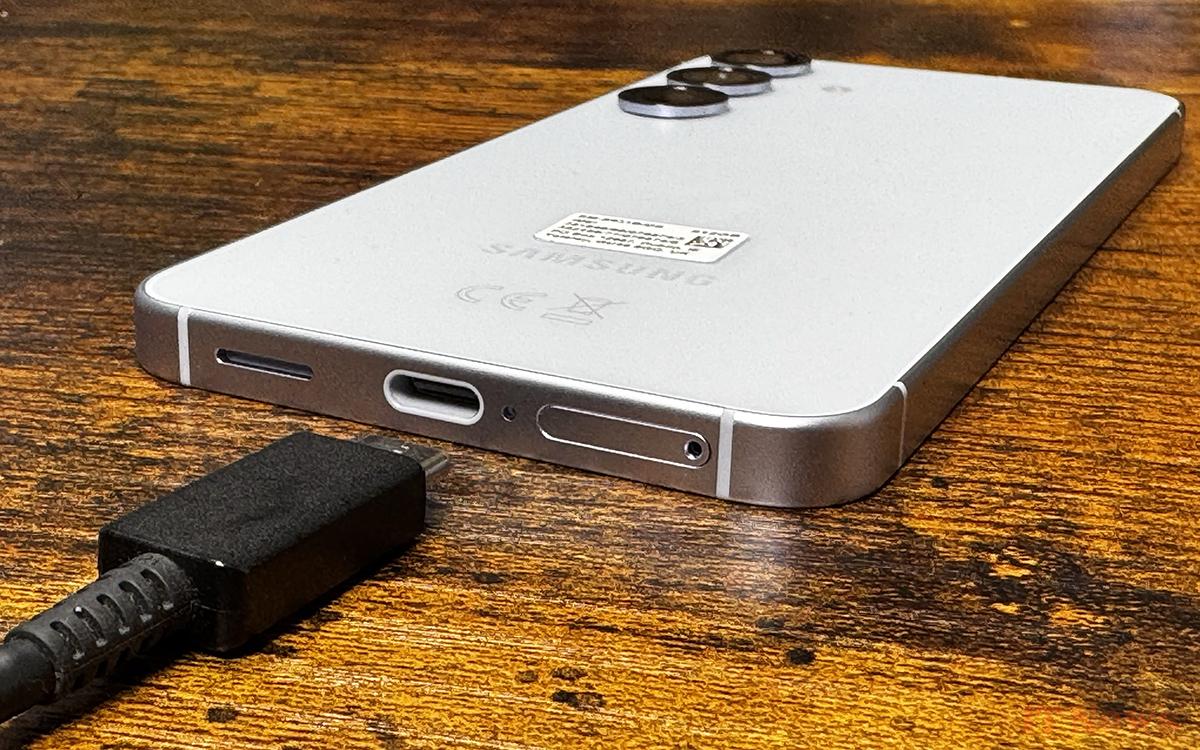
If you travel regularly, you've probably had to charge your smartphone in places like an airport, train station, etc. And generally, you don't have much time. In this case, there's no other solution than to opt for a phone with fast charging. As mentioned earlier, it's now possible to charge your smartphone very quickly. For example, the Asus Zenfone 12 Ultra, with its 5500 mAh battery, buries almost all of its competitors: it can recharge to 29% in 10 minutes, and 54% in just 20 minutes.
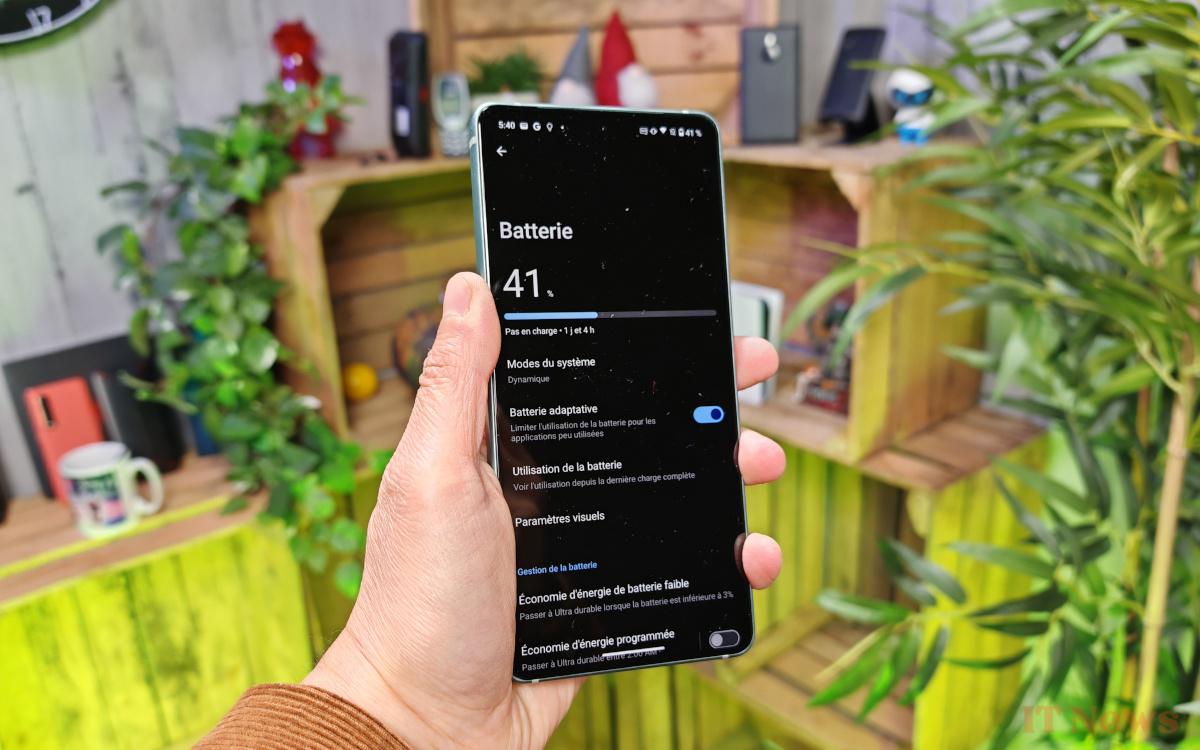
Keep an extra battery in your pocket
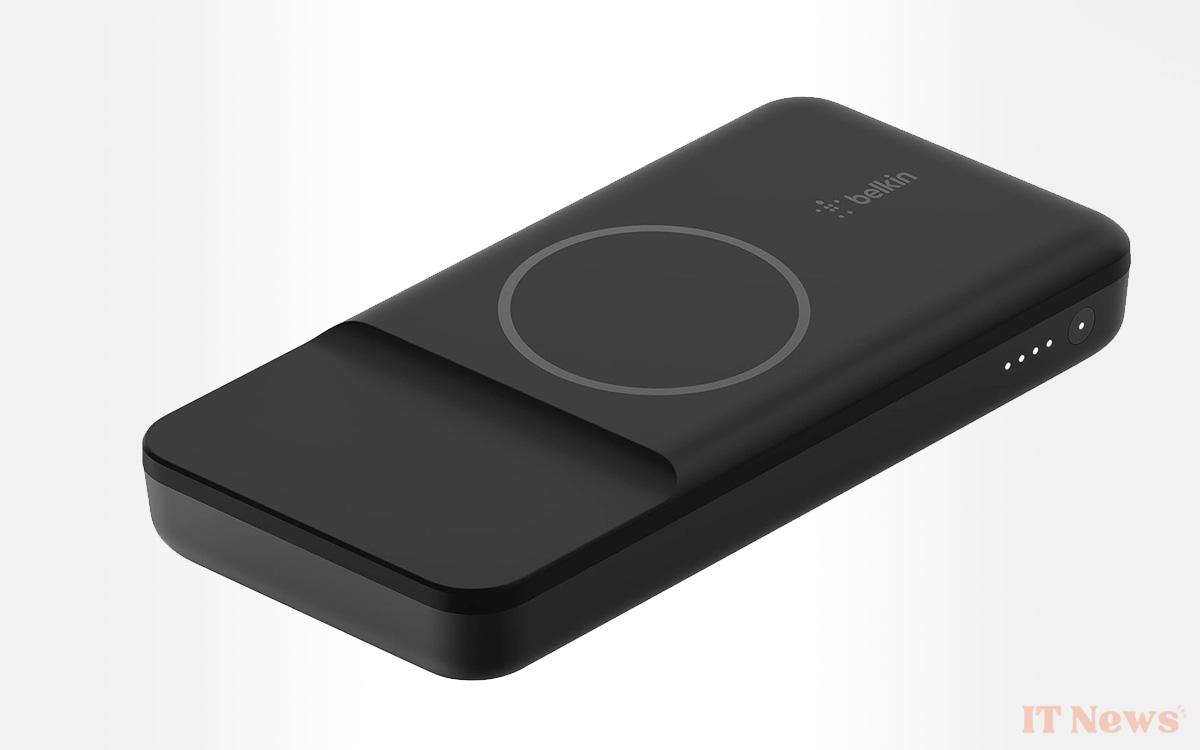
If you're worried about your Android phone running out of power throughout the day, you can always get a power bank. Some even work by induction (but are slower).
This is also an argument in favor of fast charging. This makes it possible to fill a gap with this technology. But if you have a powerful battery but it charges slowly, it's impossible to make it take advantage of the slightest upgrade.
A smartphone with a small (but fast) battery is more compact
Here, it's more aesthetic and ergonomic arguments that come into play. Most often, smartphones with large capacity batteries are also very bulky. This is particularly the case with the OnePlus 13 with its 6000 mAh battery and 6.82″ screen, weighing 210 grams. The same goes for the Poco F7 Ultra, which has a 5300 mAh battery but still weighs 212 grams.
The advantage of a smartphone with more modest battery power is that it is generally lighter. The S25 we mentioned earlier only has a 400 mAh battery. But it only weighs 162 grams! And the reduced size of its 6.2″ screen makes it easier to slip into a pocket and use with one hand.


0 Comments