
In recent years, cyberattacks have multiplied at a rapid pace. However, some have made history in the history of hacking due to their scale, unprecedented nature, or perpetrator. Ready to show off in front of the coffee machine? On track.
Computer security is now a central concern for everyone, from large companies to SMEs, associations, official institutions, and even us, individuals. Every week, we report on new data leaks, cyberattacks, malware, and viruses in our columns. A reminder of the importance of having good protection on your smartphone, PC or Android tablet...
And while cyberattacks have become commonplace, some have nevertheless left their mark on the history of hacking. Whether through their scale, their unprecedented nature, or the identity of their perpetrator, these attacks have remained in the annals of hacking. In this article, we will look back at the most significant hacks that have occurred over the past 30 years.
Please note, this article is not intended to be exhaustive (it would be far too long) and we preferred to focus on the most significant, craziest, most terrifying or most unusual atrocities. Note that we have also chosen to opt for a broad definition of hacking. In other words, this includes any attack against a computer system to take control of it/disrupt its operation for malicious purposes.
The 5 Biggest Cyberattacks in History
MafiaBoy, the Teen Who Paralyzed the Internet in 2000
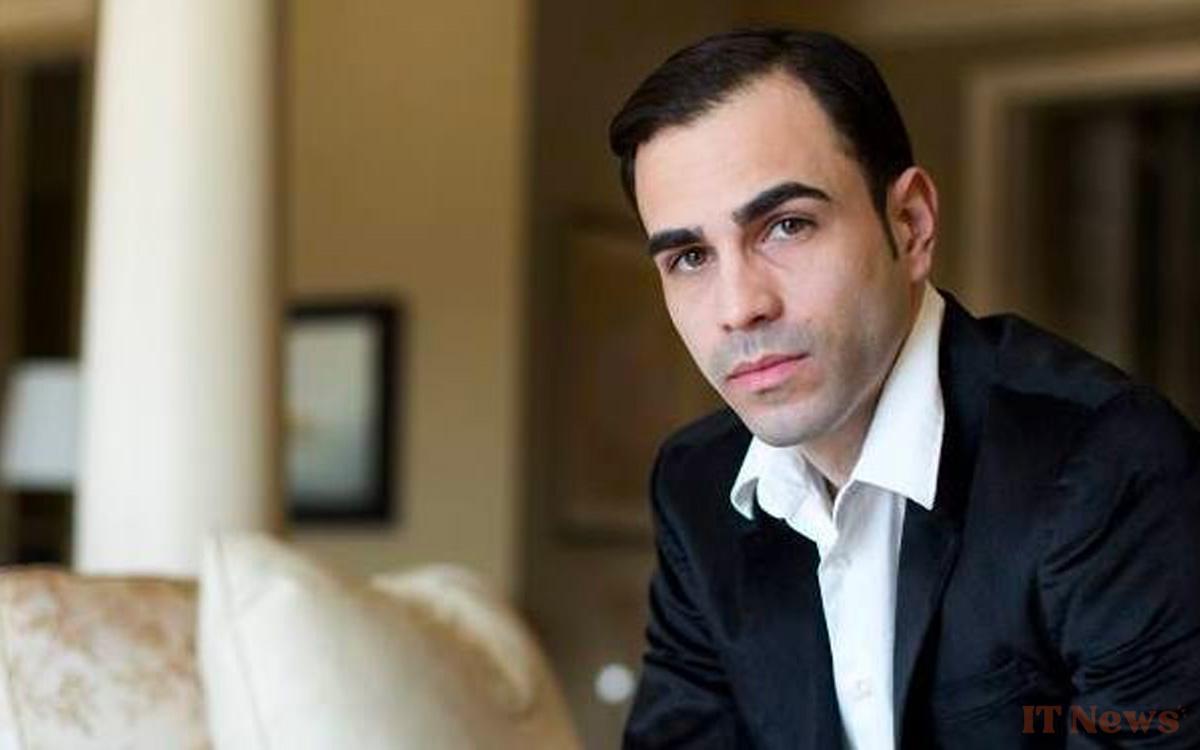
In 2000, a teenager 15-year-old has proven that DDOS (denial of service) attacks should not be taken lightly. Indeed, Michael Calce, better known by the pseudonym MafiaBoy, managed to bring down the websites of the largest American companies: CNN, Yahoo, Amazon, Dell, eBay… In a few weeks, he became the bête noire of these giants.
Proud of his exploits, he quickly began to strut around in IRC (Internet Relay Chat) chats, which did not fail to attract the attention of the authorities. He was finally arrested a few days later at his home in Canada. He would eventually admit his involvement and plead guilty to the 51 counts of unauthorized access to a computer. In total, the damage caused by these DDOS attacks was estimated at $1.7 billion!
A kid infiltrates the Pentagon and NASA systems
Michael Calce isn't the first teenager to give American authorities the cold sweats. Just one year before the MafiaBoy attacks, Jonathan James, then barely 15 years old, managed the impossible: infiltrating the Pentagon and NASA network! In June 1999, this computer prodigy discovered a way to break into the security system of the Marshall Space Flight Center, a division of NASA. He managed to retrieve extremely sensitive data on a major space agency project: the temperature and humidity control program aboard the International Space Station (ISS)!
A few weeks later, he would directly attack the servers of a division of the US Department of Defense. Via a backdoor he installed, he was able to intercept thousands of confidential messages and conversations between employees. He even managed to obtain access credentials to 10 military computers. On January 26, 2000, he was arrested by the FBI. His actions cost a whopping $1.7 million.
The hacker with millions of credit cards
In 2006, Albert Gonzalez, aka Soupnazi, led one of the largest computer fraud operations in history. At only 28 years old, this hacker has hacked no fewer than 130 million credit cards. Thanks to several accomplices, he managed to break into the servers of several American companies, such as Hannaford Bros., a food giant. His specialty? Data theft using SQL injections, a method that involves injecting unfiltered pieces of code into an SQL query to access a database.
His vast operation, dubbed Get Rich or Die Tryin, in reference to a 50 Cent album, ended in 2008 with the arrest of one of his accomplices responsible for reselling the stolen data in Ukraine. Little by little, all the members of his group fell. Albert Gonzalez would eventually be sentenced to 20 years in prison. Even today, it remains one of the harshest sentences ever handed down to a cybercriminal. In total, the alleged damage exceeds $400 million (investigations, legal fees, and victim reimbursements).
Conficker, the ultimate computer worm
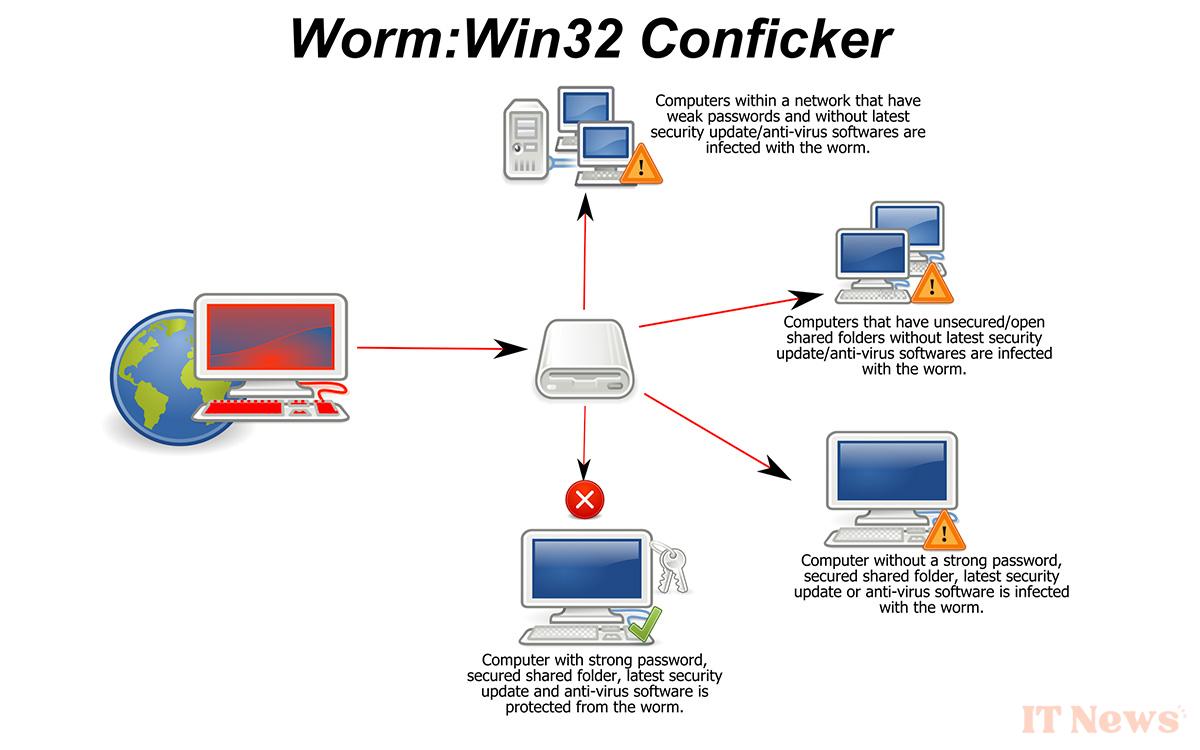
In 2008, a new type of computer worm appeared on the cyber threat scene. Its name? Conficker. Like the vast majority of computer worms, this virus is capable of infecting computers via the Internet or physical access such as a USB key. Once in the system, it can steal data, and above all, take control of the device without the user's knowledge. These infected PCs become "zombie" machines, exploited by hackers to launch spam or large-scale DDOS attacks.
But what is so special about it? It is the first worm to have infected an impressive number of devices: several tens of millions of PCs in just a few weeks! To do this, Conficker exploited a security flaw in Windows Server Service, a software used at the time by Windows 2000, XP, Vista, 7 and Windows Server 2003! Its formidable effectiveness is also due to its adaptability, with the worm's authors taking great care to add new features and defense mechanisms to each version to avoid detection. The U.S. Department of Defense, the French Navy, and the British Royal Navy have all been victims of the worm. Even today, the Conficker worm is still raging on the web.
The historic Facebook hack in 2019
April 2019. The IT security firm UpGuard is sounding the alarm: the data of 540 million Facebook users is at the mercy of hackers. This breach – the largest in the history of the social network – is due to the use by third-party partners of Amazon Web Services servers to store the data of hundreds of millions of users in clear text.
Phone numbers, passwords and logins, comments, reactions, personal information, location data... All this data was published on a Dark Web forum where anyone could download it without batting an eyelid. In December 2019, Mark Zuckerberg's digital agora suffered another major breach: the phone numbers of 267 million users were harvested by hackers. Significant waves of phishing and SMS spam followed shortly after. These multiple cases would lead to Facebook being ordered to pay a €265 million fine in 2021.


0 Comments