
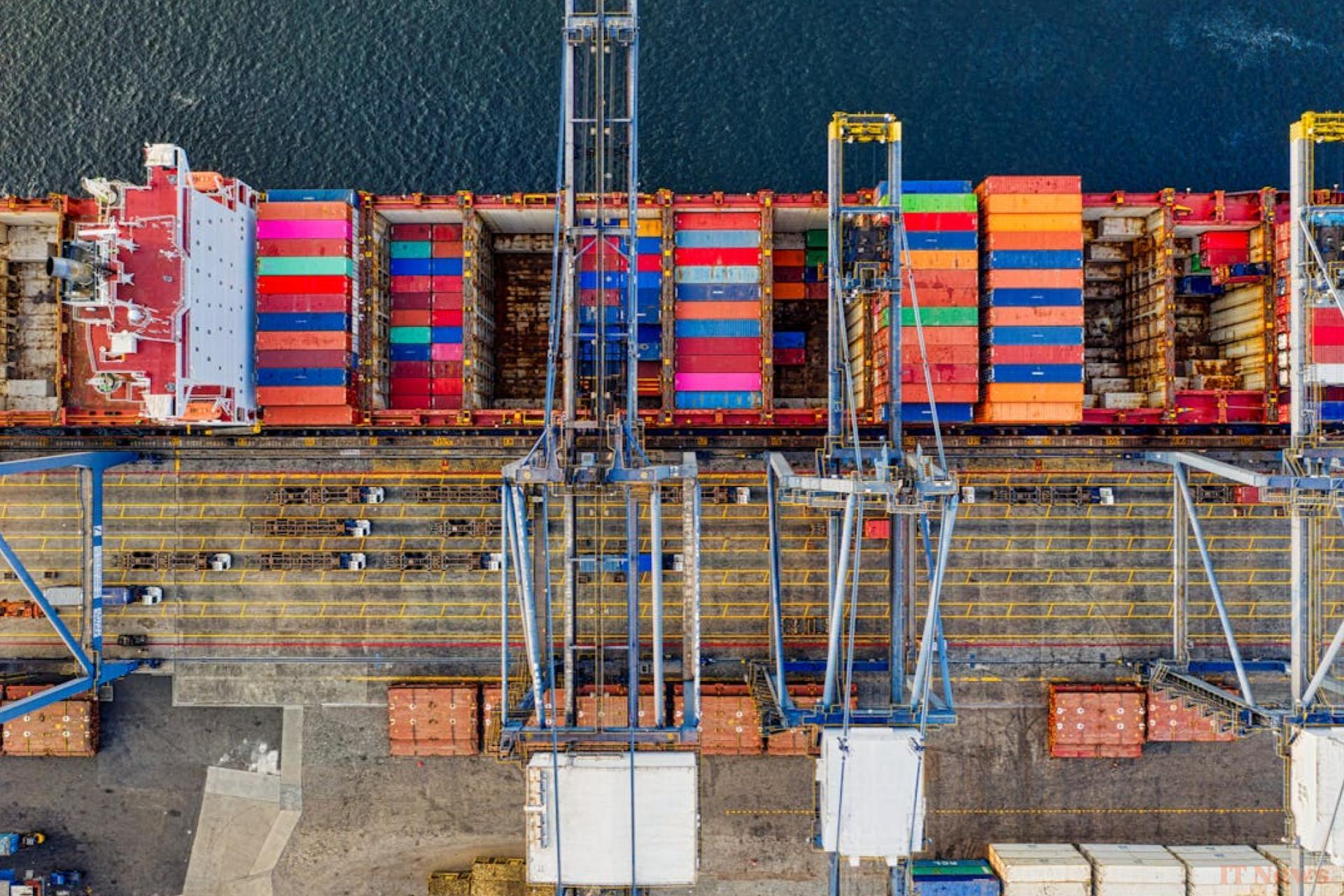
On May 23, Donald Trump reignited the trade war with the European Union by announcing, via his Truth Social network, his intention to apply a 50% tariff on all European products as of June 1. This measure, of unprecedented scale, targets 70% of Europe's exports to the United States, or nearly €380 billion worth of goods. The American president justified his offensive by the stagnation of negotiations and accused the EU of unfair trade practices.
Major economic consequences
Trump's announcement immediately sent the financial markets into a tailspin: the CAC 40 and the DAX fell by more than 1.5%. The automotive, luxury, and technology sectors, which are highly exposed to transatlantic trade, were particularly affected. Apple saw its market capitalization plummet after Trump threatened to impose a 25% tax on iPhones not assembled in the United States, a threat also extended to all imported smartphones.
Basically, economists and industrialists are alarmed. A 50% tax on European products would have a recessionary effect on both sides of the Atlantic. According to the Kiel Institute, American growth could decline by 1.5%, Ireland—heavily dependent on the American market—would see its GDP fall by 4%, Germany by 1.5%, Italy by 1%, and Spain by 0.5%. Already weakened global supply chains would be further disrupted, increasing costs for American and European consumers.
Wine and spirits, aeronautics...
The United States represents the leading export market for French wines and spirits, with €3.8 billion in 2024, or nearly a quarter of the sector's total value. Already weakened by the climate crisis and the decline in consumption in France, the wine industry fears a "coup de grâce": a 20% tax had already been estimated at an additional cost of €800 million for French exporters; A 50% surcharge would make the American market virtually inaccessible for many producers, threatening the survival of thousands of farms.
Aeronautics is France's largest export to the United States, with €9.1 billion in 2024 (nearly 19% of the total). While some manufacturers like Airbus benefit from a local presence that could partially cushion the shock, the sector would be particularly vulnerable to widespread customs duties.
A European response difficult to calibrate
Faced with American pressure, Europe is calling for a de-escalation. Irish Prime Minister Micheál Martin has called for a proportionate response, insisting on the need to maintain constructive dialogue. France, for its part, says it wants to avoid a trade war, but is ready to take retaliatory measures if Washington follows through on its threats. The Union is struggling to present a united position, with each member state having its own sectoral vulnerabilities and trade interests. Brussels has already prepared a list of US products likely to be subject to tariffs in return, while continuing discussions with Washington.
After a tense weekend, Donald Trump finally agreed to postpone the tariffs' entry into force until July 9, at the request of Commission President Ursula von der Leyen, who called for a final window of negotiations. This reprieve, welcomed by Europeans, does not, however, dispel uncertainty about the outcome of the discussions. Trump is demanding a reduction in the US trade deficit and increased access to the European market, particularly for cars and agricultural products, while the EU is defending its standards and advocating for a comprehensive agreement without unilateral concessions.


0 Comments