
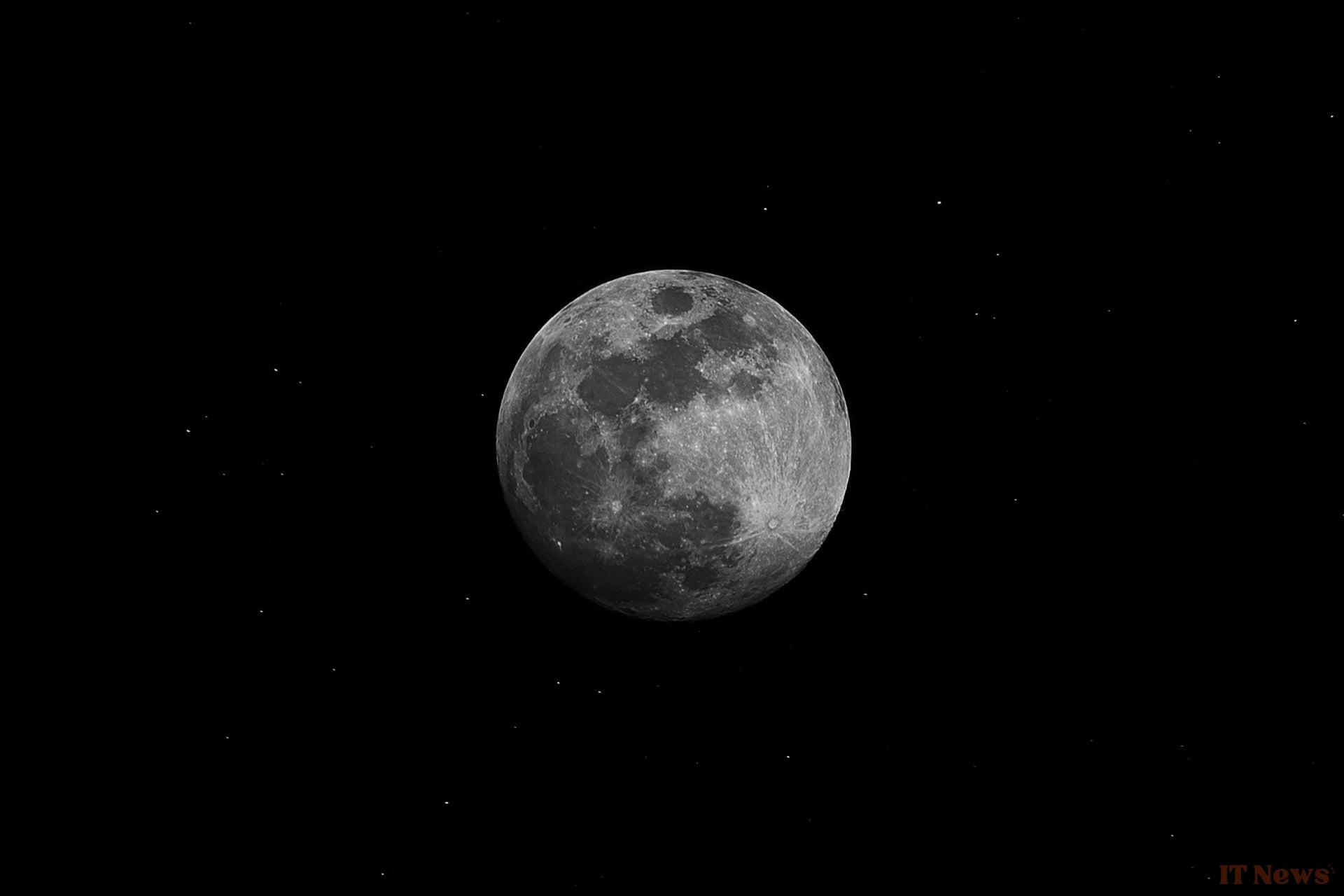
There's a shift in lunar projects for the next decade. While NASA is revising its plans and gradually moving away from its ambitions for Earth's natural satellite, China and Russia are taking advantage. The two countries have just signed a contract to build a real nuclear power plant on the Moon, which will allow them to power their future base.
The construction of the reactor will be done autonomously, "without human presence", the director general of the Russian space agency Roscosmos, Yuri Borissov, specified in an interview last year, on the Russian website TASS. Regarding the technology and installation protocol, all steps were "almost ready", he declared.
The future station will also be powered "by solar and radioisotope generators", Wu Yanhua, who heads the design of China's space exploration projects, declared at a press conference last year. The new memorandum from China and Russia confirmed a 2036 date for the base to become operational, with an expanded model by 2050.
The Chinese official offered further details on the base's development plans, including "Moon-Earth and high-speed communications networks, as well as lunar vehicles such as a hopper, a long-distance unmanned vehicle, and manned, pressurized, and unpressurized rovers."
To establish the base, China and Russia will also count on the help of 17 countries, including Egypt, Pakistan, Venezuela, Thailand, and South Africa. Major work will be carried out in 2028 during the Chang'e-8 mission, which will carry the first Chinese astronaut on the lunar surface. Then, the main parts of the lunar base will be sent from 2030 to 2035.
NASA must revise its plans
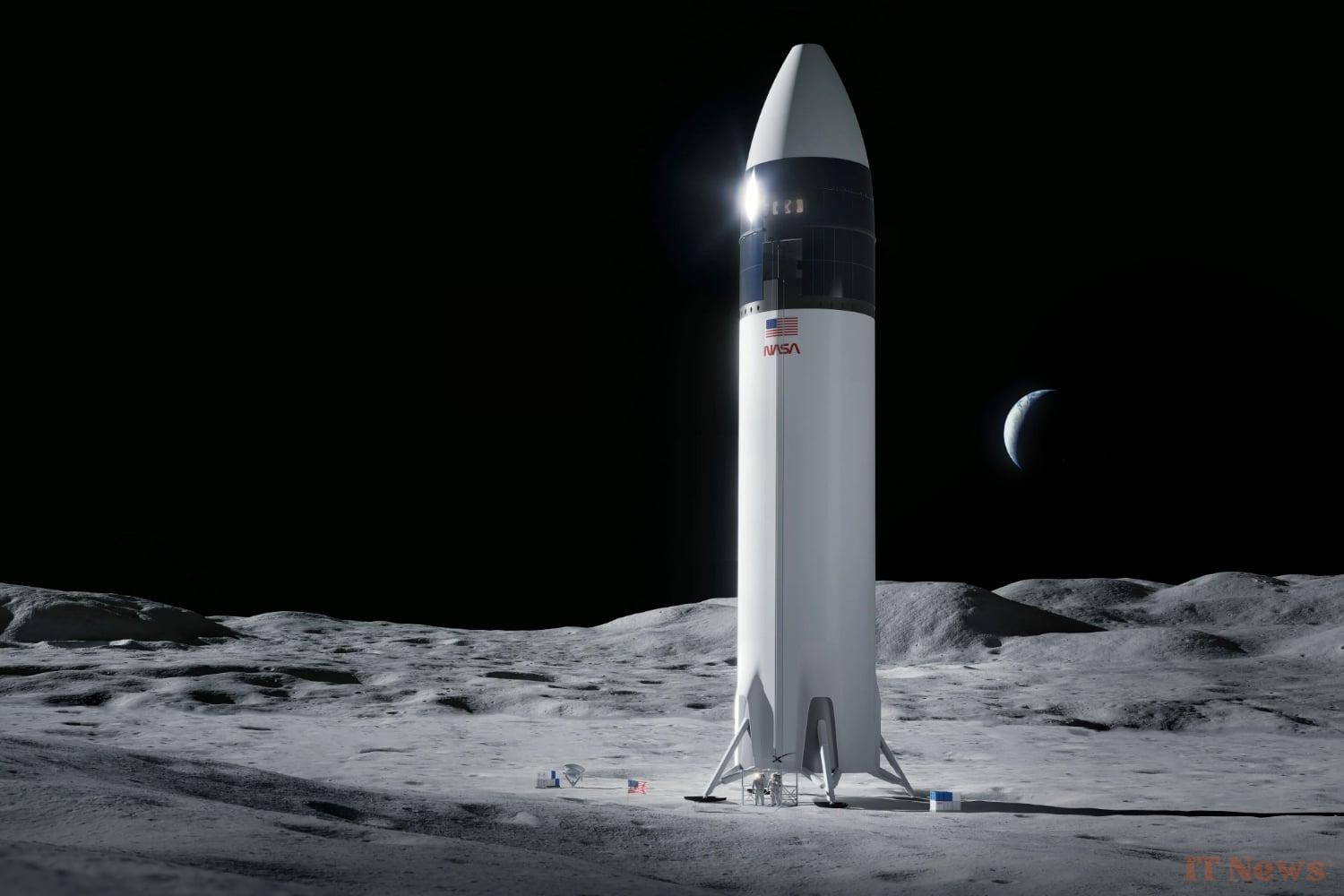
The United States still aims to go to the Moon with its NASA Artemis program, whose first manned flight with a lunar lander is planned for 2027. A race for a return to the Moon particularly compromised while NASA risks seeing its budget radically reduced for 2026, with many scientific programs canceled. The SLS rocket, responsible for launches, is also compromised after being deemed too expensive.
The American lunar base, called Gateway, could also be canceled, according to the paragraph of the document published on May 2 by the White House, concerning its vision for NASA's next budget. In the section called "Legacy Human Exploration," on manned missions, the SLS rocket will not make more than the three flights already authorized, and the Gateway lunar station would not see the light of day. Its cancellation would bring with it the cancellation of Canadian, European, and Japanese projects.
Source: Space.com


0 Comments