
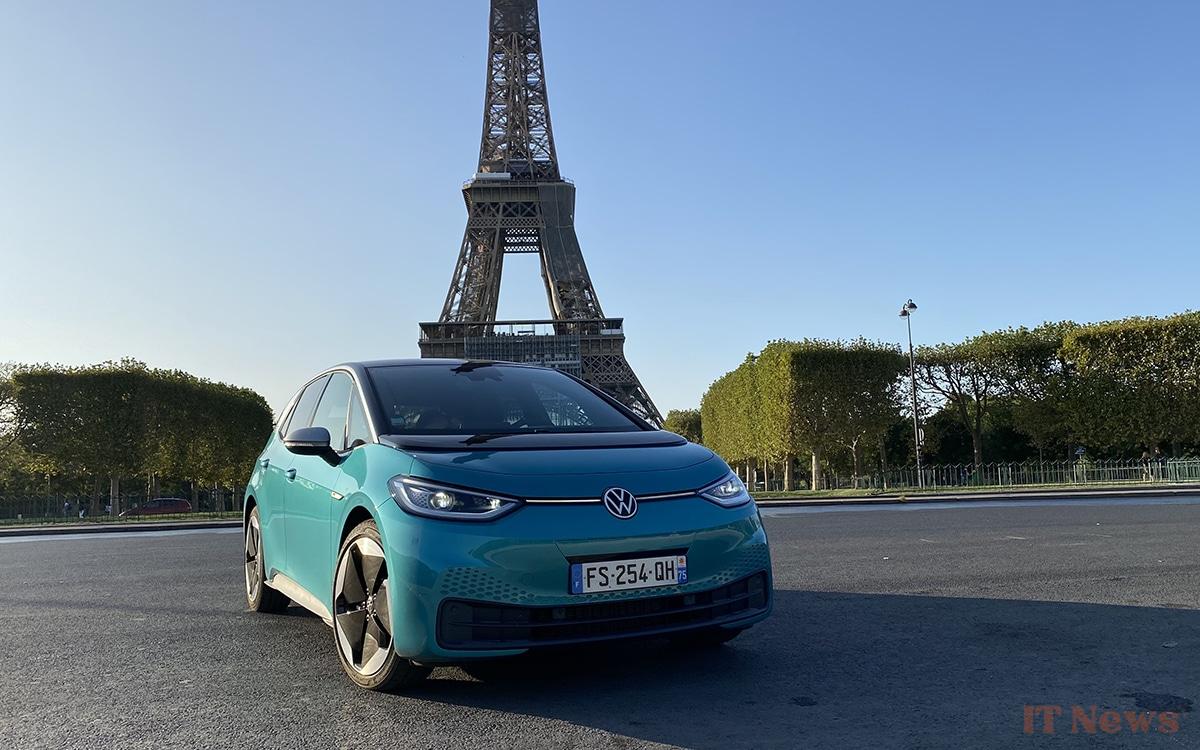
Volkswagen is preparing a major upgrade for its electric range. A new, more economical battery technology will be integrated into several models from 2026. This suggests a significant drop in prices in the coming years.
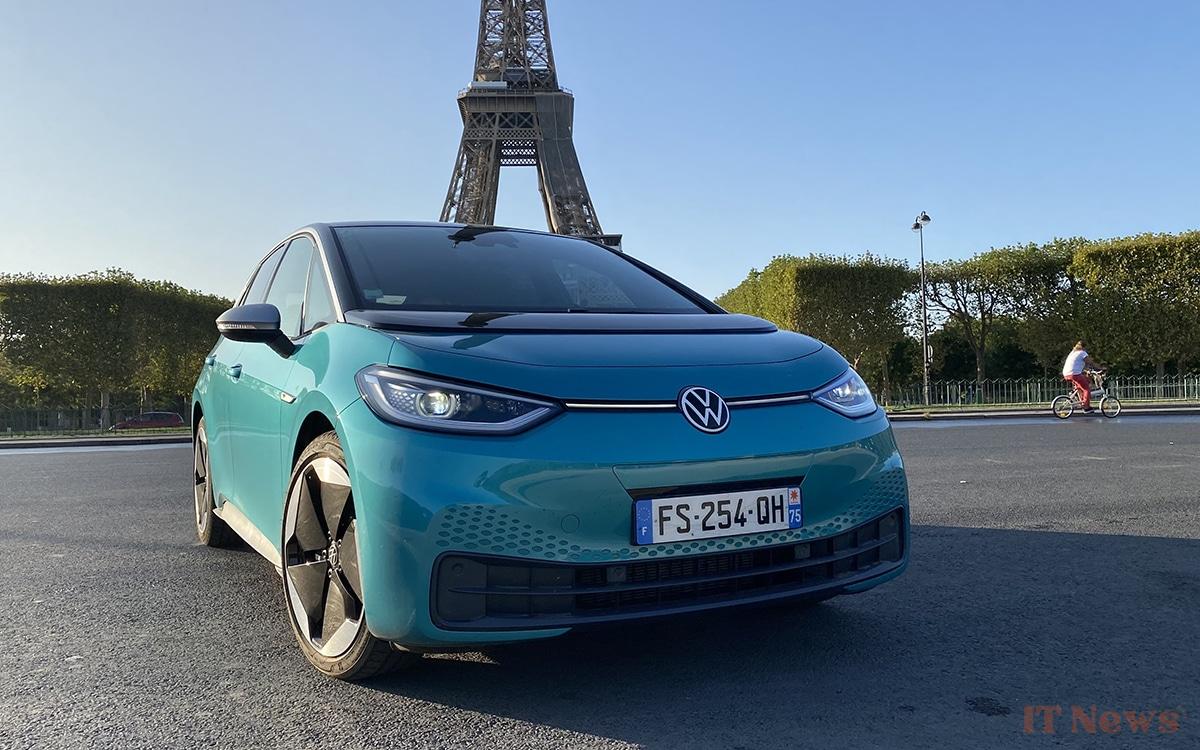
Electric cars are still struggling to convince on the price front. Despite purchase subsidies, they often remain less affordable than internal combustion models. Several manufacturers are therefore looking for technical solutions to lower costs. Renault, for example, is focusing on simpler components for its Dacia Spring and is offering an economical version of the new electric R5. This type of approach allows competitive prices to be maintained while meeting a growing demand for urban models.
Volkswagen is adopting a similar strategy. According to information from the British media Autocar, the brand will launch a new generation of electric models based on a different battery in 2026. This change aims to make the vehicles more affordable, while maintaining a range suitable for everyday use. It also marks the group's desire to better control its industrial costs by internalizing certain production stages.
The future Volkswagen ID.2 will adopt LFP batteries
The first model to introduce this technology will be the Volkswagen ID.2. Expected in 2026, this city car will be based on lithium-iron-phosphate (LFP) batteries. This type of battery is more economical to produce than conventional nickel-manganese-cobalt (NMC) batteries. It is already used on the models mentioned above: the Dacia Spring, and the R5 E-Tech. Less energy-dense, it remains suitable for urban and suburban journeys, making it an ideal option for entry-level cars.
Volkswagen intends to generalize this technology across its entire electric range via a platform called MEB Plus. The ID.3, ID.4, and ID.7 models will be affected. They will receive the same LFP batteries as well as a new design. The group plans to produce these batteries in Germany, at its Salzgitter plant, which will ensure European supply. At the same time, the platform will be optimized to facilitate the integration of these cells and improve overall efficiency. The brand hopes to accelerate the adoption of electric vehicles on the European market by significantly reducing their manufacturing costs.


0 Comments