
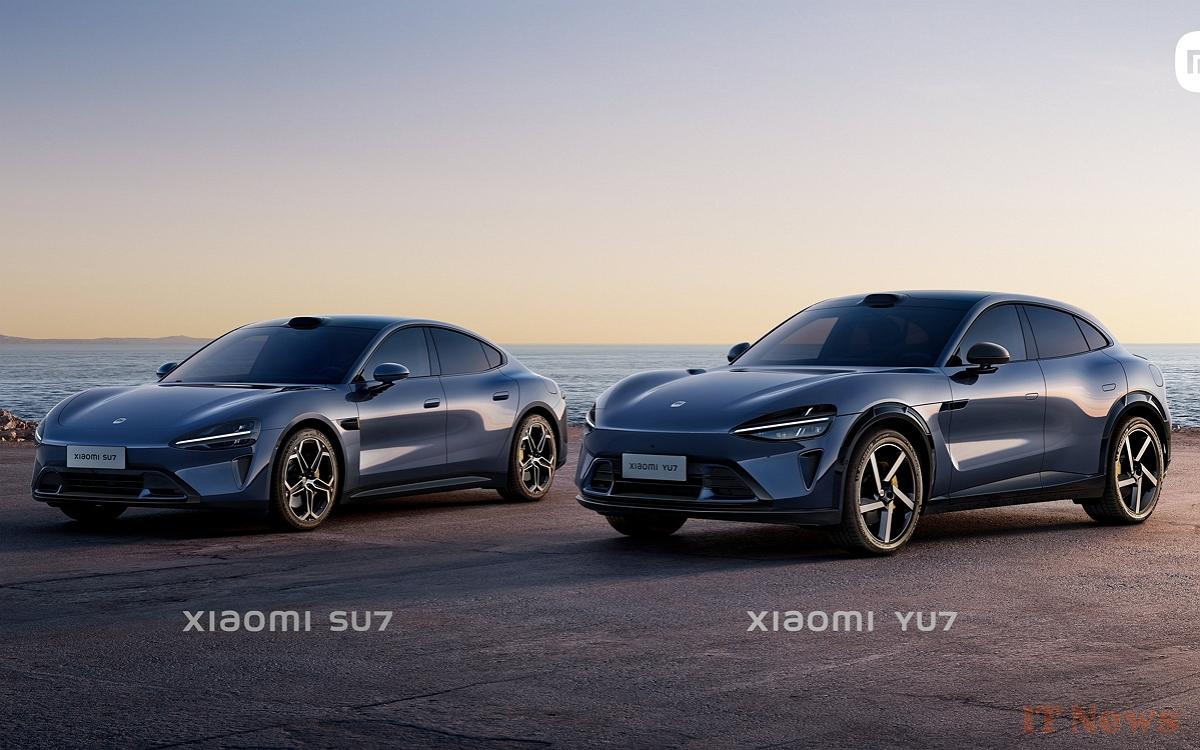
China is making rapid progress in the electric car sector. Even Tesla's long-standing supporters are beginning to doubt it. Xiaomi's new SUV seems to mark a turning point.
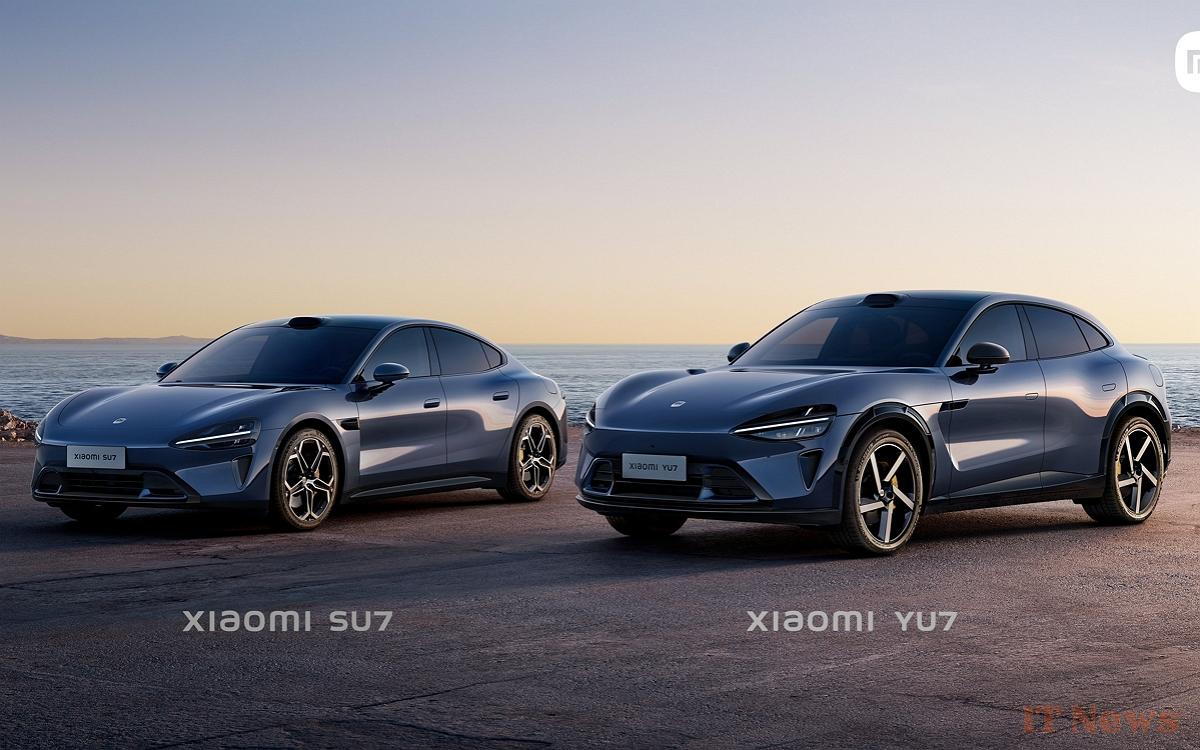
For several years, China has established itself as a key player in the electric car market. Local brands are multiplying innovations at a frantic pace, with vehicles that are ever more efficient, affordable, and well-designed. This trend is increasingly worrying American and European manufacturers. Even Tesla, long considered untouchable technologically, now seems to be lagging behind this competition from Asia.
The latest example is the Xiaomi YU7, an electric SUV recently unveiled by the Chinese giant. This model, which succeeds the SU7 sedan, directly targets Tesla's Model Y. It boasts a sporty design, ambitious onboard technologies, and a very competitive price. So much so that even Morgan Stanley, a financial analysis firm that is otherwise very favorable to Elon Musk's company, is now warning of the limitations of the American manufacturer's strategy. In a note to investors, analysts invite investors to compare the images and specifications of this new vehicle, which they compare to a Ferrari sold for the price of a Toyota.
The Xiaomi YU7 forces Tesla to rethink its electric strategy
According to these internal notes relayed by InsideEVs, China has already won the electric vehicle battle. Analysts point out that Tesla seems to be moving away from the classic car to focus on self-driving taxis and robotics. Elon Musk even recently declared that "in the future, most people will no longer buy a car." Morgan Stanley believes that Xiaomi, with its models like the YU7, symbolizes a technological shift to which the American manufacturer no longer responds directly.
Xiaomi is not alone in this dynamic: BYD, Nio, and Geely are accelerating their global deployment. Experts estimate that China could represent a third of car sales by 2030. For Tesla, which still derives the majority of its revenue from vehicle sales, the threat is very real. And despite the trade barriers that hold back Chinese brands in the United States, Morgan Stanley believes that it is only a matter of time before they arrive in this strategic market.


0 Comments