
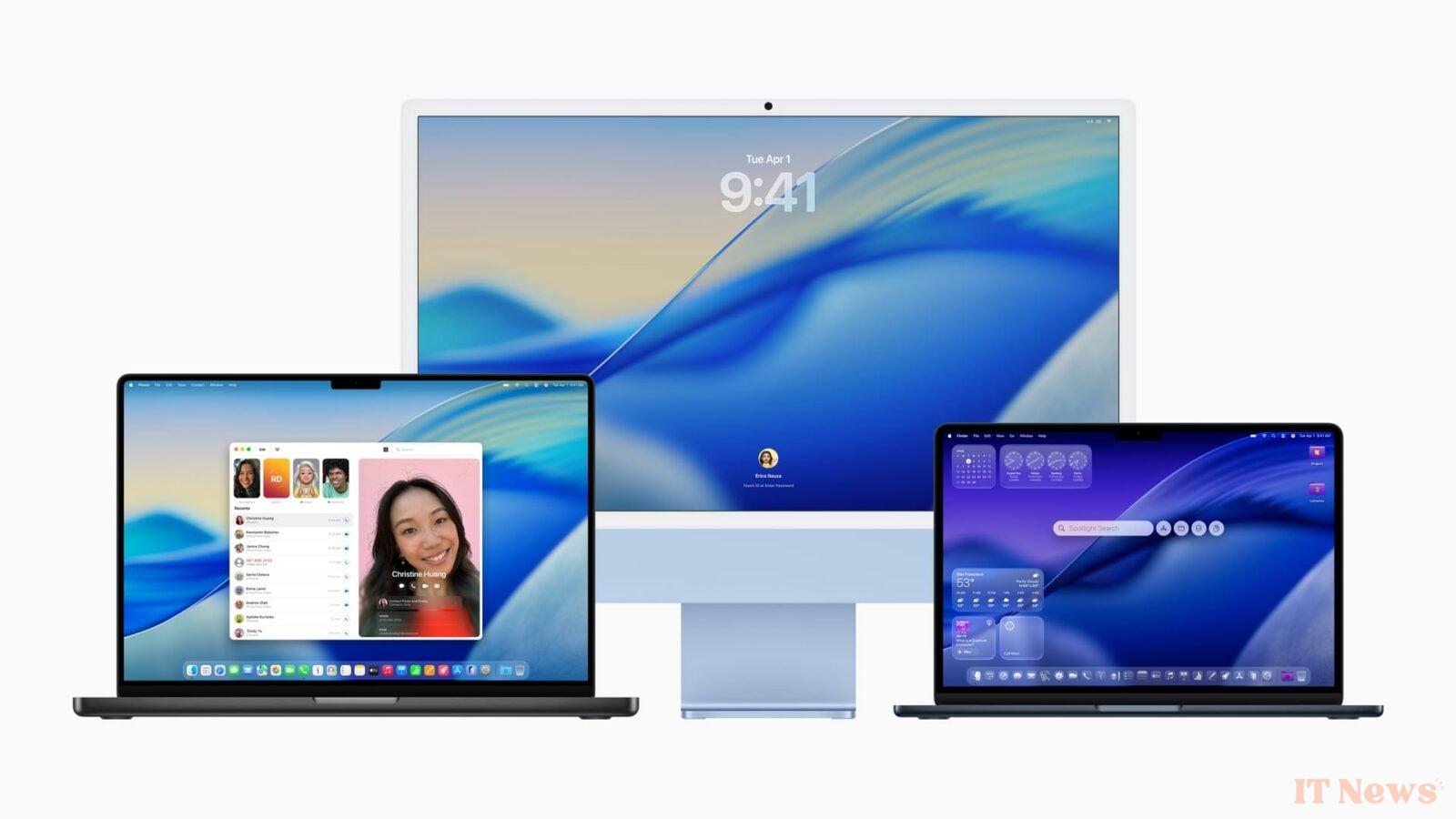
While the transition to its own Apple Silicon chips was already well underway, the latest macOS update signals that the end of the road is now in sight for Macs powered by Intel processors. The axe fell at Apple's developer conference: macOS Tahoe will be the last major update to support a handful of Intel Macs.
And we're talking about a small handful here, since only four models, all released in 2019 or 2020, will be entitled to this final hurrah. For others, the adventure ends here, and macOS 26 leaves behind popular models like the 2018 Mac mini, all Intel MacBook Airs, including the 2020 model, and the 2018 and 2019 MacBook Pros. A list of exclusions that confirms an increasingly aggressive strategy on the part of the Cupertino company.
The end of an era, scheduled for 2026
But the real message was delivered a little later, almost behind the scenes, during the Platforms State of the Union conference. Apple formalized what everyone suspected: macOS 27, scheduled for fall 2026, will be exclusive to Apple Silicon machines. There will be no more room for Intel.
This is the epilogue of a nearly two-decade saga, which began in 2005 when Steve Jobs announced the abandonment of PowerPC processors in favor of Intel's. An alliance that allowed the Mac to experience spectacular growth. Fifteen years later, in 2020, Apple regained its independence with the M1 chip, promising total control of its ecosystem, from silicon to software. A winning bet, which today makes the transition inevitable and logical.
macOS 26: which Macs and MacBooks are compatible?
The list includes all Macs with an Apple Silicon chip and a handful of devices equipped with Intel processors. Affected models are:
- MacBook Air with Apple Silicon chip (2020 and later)
- MacBook Pro with Apple Silicon chip (2020 and later)
- 16-inch MacBook Pro (2019)
- 13-inch MacBook Pro (2020, four Thunderbolt 3 ports)
- iMac (2020 and later)
- Mac mini (2020 and later)
- Mac Studio (2022 and later)
- Mac Pro (2019 and later)
The only Intel-based Macs that are compatible are the 2019 Mac Pro, the 2019 16-inch and 2020 13-inch MacBook Pros, and the 2020 iMac.
What to do if you Got an Intel Mac?
For the millions of users still running an Intel-based machine, the message is clear. If your computer isn't compatible with macOS Tahoe, it won't receive any new features. The good news is that Apple isn't completely abandoning you. Technical support will continue, primarily through security updates, for about two more years. So, a Mac stuck on macOS 15 Sequoia should be protected until fall 2027.
But make no mistake, these machines, some of which were purchased less than five years ago, will slowly slide into software obsolescence. The most exciting new features, especially those related to Apple's artificial intelligence, will pass them by.
Also read: Did you miss WWDC 2025? Here's our full summary
This isn't just a version change, but a true technological divorce by Apple. The Cupertino company is now focusing all its efforts on its in-house architecture, which is more efficient, better optimized, and built for the future. For those loyal to the brand who haven't yet taken the plunge, the innovation train is leaving the station, and it's time to jump aboard, or change trains. A situation reminiscent of the one millions of Windows 10 users find themselves in. It remains to be seen whether the Linux universe can benefit from Microsoft and Apple's latest decisions.


0 Comments