

With its back to the wall, Apple is removing the advanced data protection feature in the United Kingdom. This allows users to store almost all of their data in the iCloud cloud, encrypting it end-to-end. By demanding access, the British authorities are requiring the manufacturer to create a backdoor, which inevitably weakens the protection offered to users — and exposes them to hackers.
The United Kingdom under pressure
Launched in 2022, this feature is an option. By default, iCloud encrypts 14 categories of data, but Apple has a decryption key for them. This allows it to comply with legal requests for access to data. Advanced Data Protection extends this encryption to 23 families of data, including device backups, notes, photos, voice memos, etc. This data is locked away, and only the user can decrypt it. neither Apple nor anyone else can access it.
“Apple will no longer be able to offer Advanced Data Protection (ADP) in the UK to new users, and current users will eventually have to disable this security feature”, the manufacturer laments in a press release. It says it is "deeply disappointed that the protections offered by the ADP are not available to our customers in the UK, at a time when data breaches and other threats to user privacy continue to increase."
Apple has "never created a backdoor or universal key" in its products and services, "and we never will." The feature has indeed been disabled in the UK, and current users will have to manually disable it, or risk losing their iCloud account. The terms will follow shortly. Outside of ADP, the iCloud cloud continues to encrypt other data, but it remains accessible to Apple and therefore to the police.
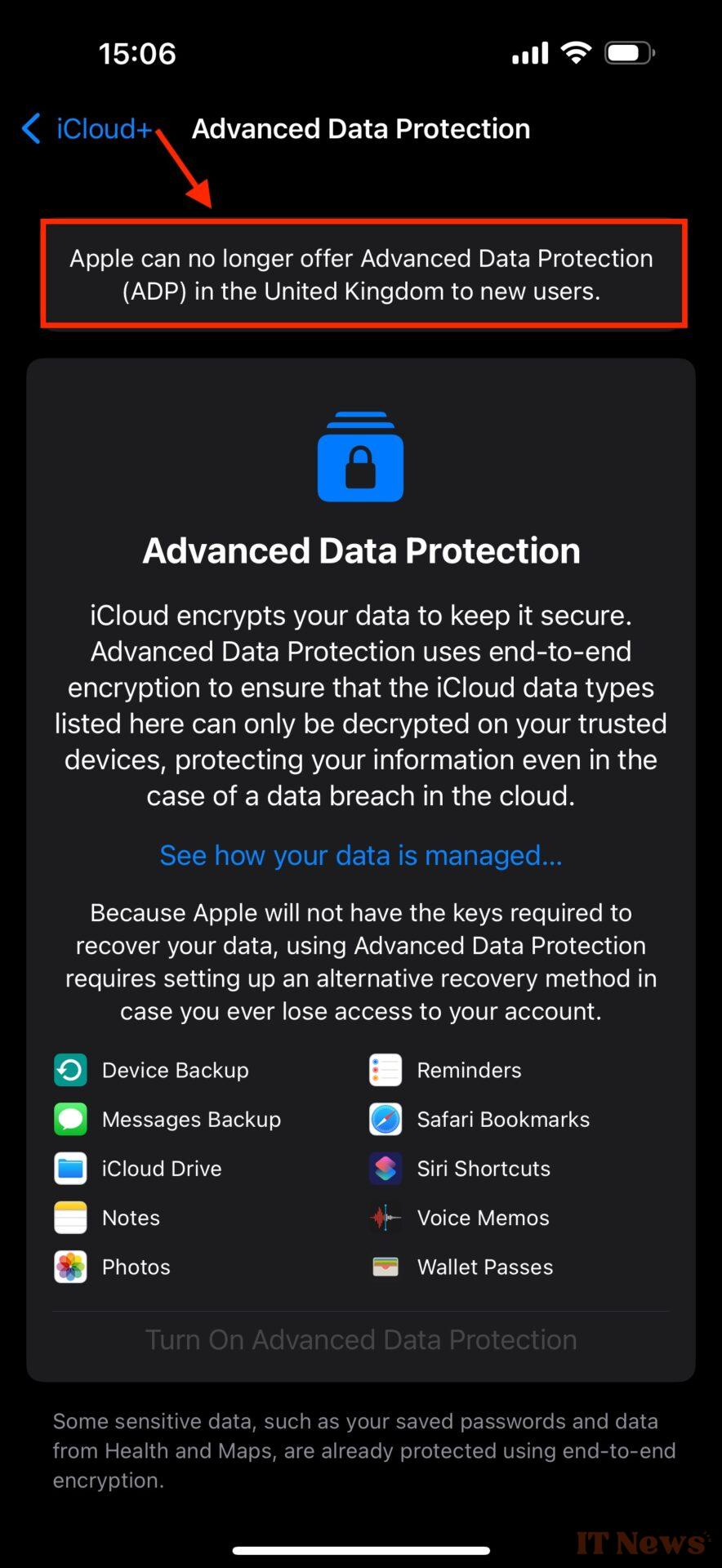
The UK Home Office, the equivalent of the Home Office, relies on the Investigatory Powers Act (IPA) which requires companies to provide information to law enforcement. This applies not only in the UK, but around the world: Apple has therefore only responded to part of the problem. Perhaps the pressure from the US will allow London to return to better feelings.
Source: BBC


0 Comments