
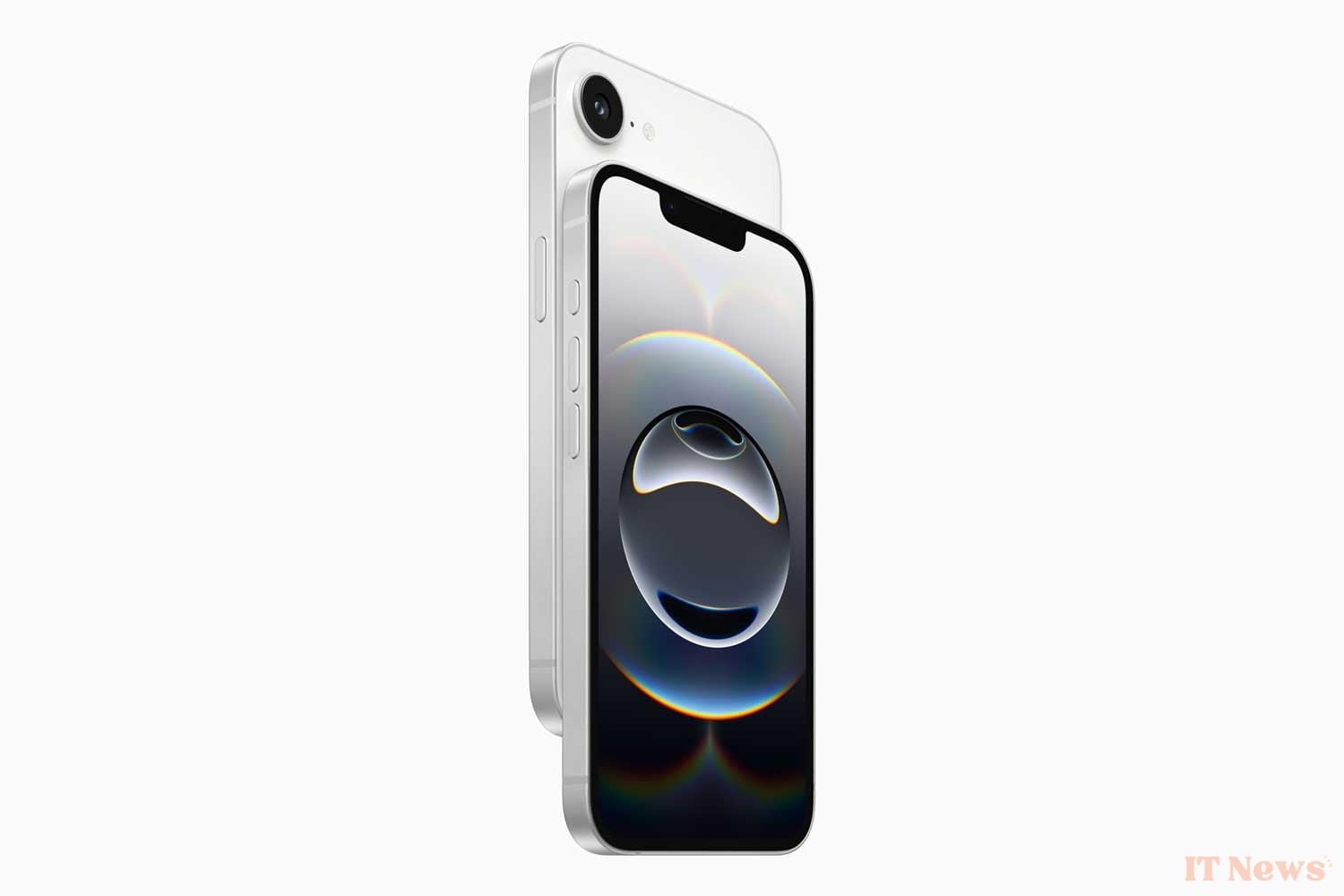
Highly anticipated by Apple fans, the new iPhone is finally official and brings significant improvements over its predecessor. It replaces an already aging model and offers a real revolution for the range. Here is everything you need to know about the new affordable smartphone (on Apple's scale) from the Apple brand.
Design and screen
The biggest change made by Apple concerns the design of the iPhone SE, or rather iPhone 16th. After leaving this series without major evolution since its launch in 2016, the iPhone 16th operates a revolution by definitively sending the Home button into retirement. The manufacturer brings the design of the iPhone 14 to its affordable model, with much thinner borders and the integration of Face ID. The various sensors are housed in a notch, with the Dynamic Island being reserved for the brand's premium models.
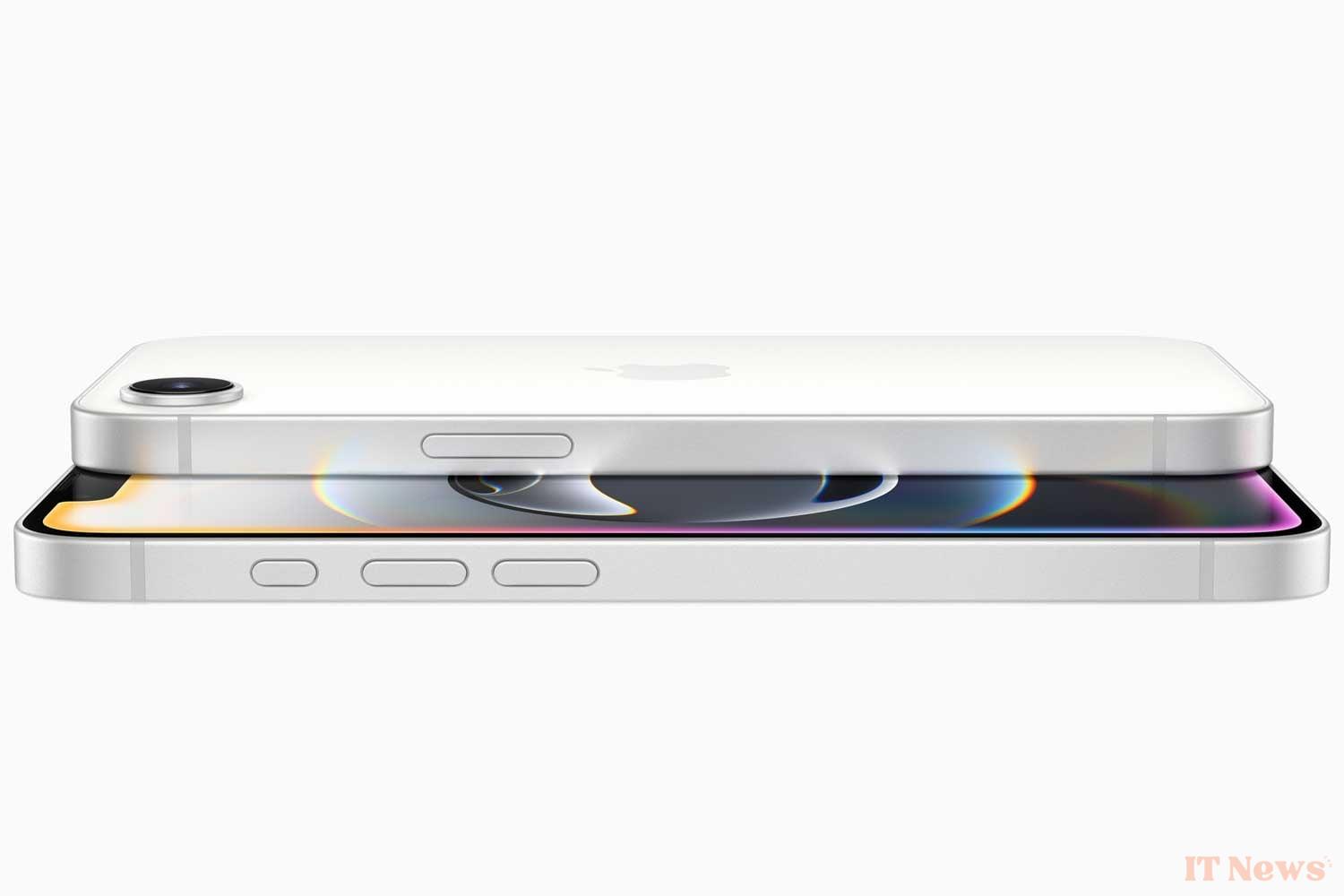
The iPhone 16e is also splash, water and dust resistant with an IP68 rating.
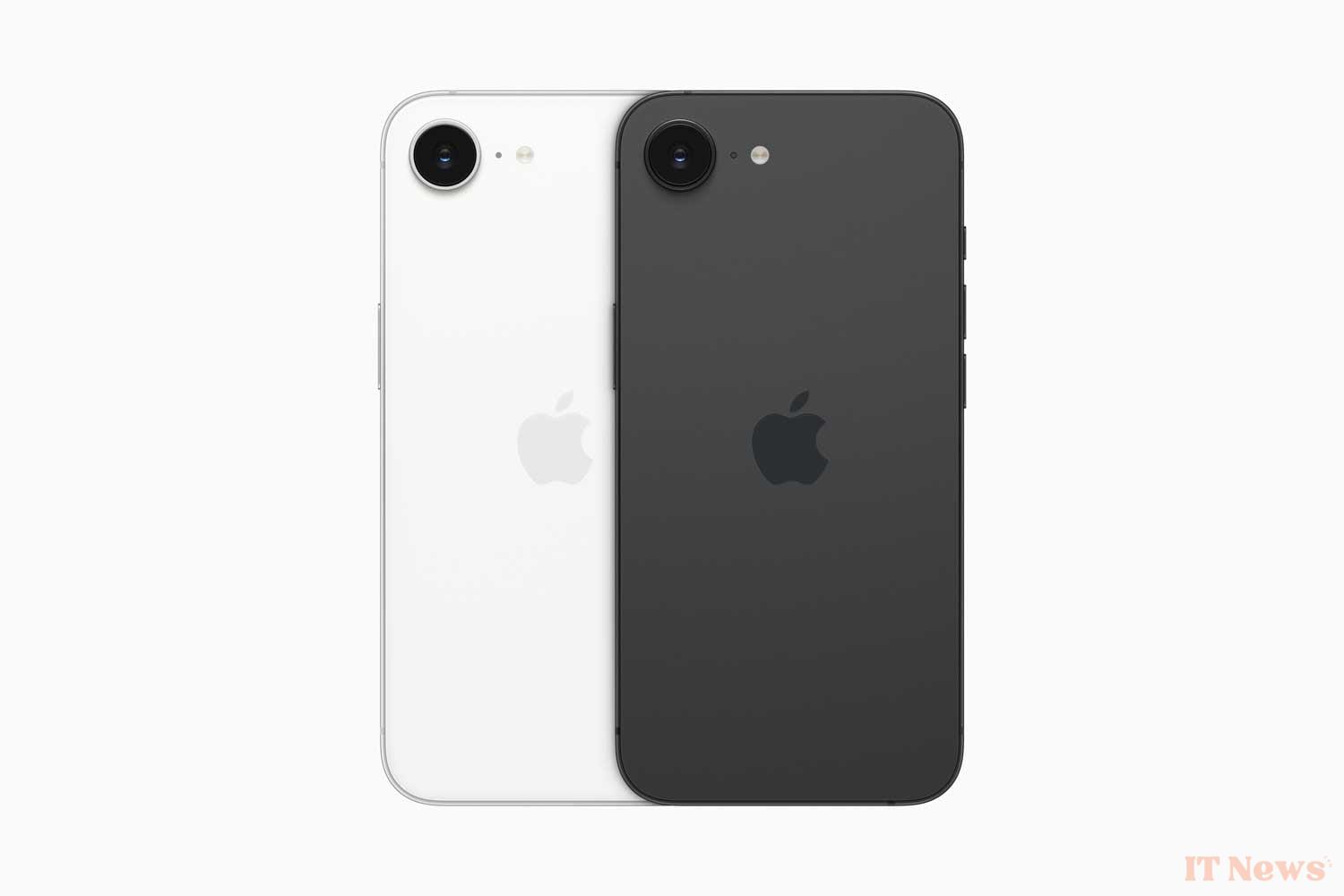
The iPhone 16e sees life on a grand scale and (finally) in OLED
The design change is not without consequences on the screen, starting with its size. The new iPhone 16e signals the end of the "mini" iPhone by integrating a large 6.1-inch screen (compared to 4.7 inches for its predecessor). In addition, it benefits from OLED technology. Absent from the previous generation, it makes its appearance on the SE series and allows Apple to reposition itself in the race against Android models.
Performance
Apple's new smartphone features the powerful A18 chip, the same as the iPhone 16 and 16 Plus, as well as 8 GB of RAM. A significant improvement over the previous model, making it compatible with Apple Intelligence. Unlike the American giant's flagship series, you won't have to wait very long before you can enjoy Apple's suite of AI tools.
However, the Apple company seems to be behind schedule and highly anticipated features would not arrive with iOS 18.4.
Camera
The iPhone 16e remains an entry-level model in the Apple universe. It is limited to a single 48MP camera sensor on the back, a nice improvement over the 12MP of its predecessor. This upgrade should help the SE variant catch up with its Android rivals, with a sensor capable of offering more detailed shots and better low-light performance. This module offers a x2 telephoto lens and can film up to 4K at 60 frames per second.
To enjoy an ultra wide-angle, you have to look at the higher range (iPhone 16 and iPhone 16 Plus) or Android models like the Pixel 8a.
Battery life and charging
True to its habits, Apple does not mention the battery capacity of the iPhone 16e. Rumors suggest the integration of a 3279 mAh battery and support for 15 W MagSafe wireless charging. On its website, Apple announces up to 26 hours of video playback and up to 21 hours of video streaming. This new model offers 12 hours more endurance than the old iPhone SE.
This new iPhone charges up to 50% in 30 minutes with a 20W adapter or more.
Connectivity
The iPhone SE 4 becomes the first iPhone to use a 5G modem developed by Apple. A small revolution for the brand with the apple, which is bound to be intriguing and which owes nothing to chance. This component, called C1, has been in development for many years and Apple even acquired Intel's modem division in 2019. However, the task is not easy and the modem has been pushed back several times.
A key element of the iPhone 16e's connectivity, this homemade modem by Apple is a way to free itself from the royalties paid to Qualcomm. It allows the manufacturer to get closer to its ambition of controlling the hardware of its smartphone and to depend less on other companies. This independence would also help the manufacturer to keep control of the price and maintain aggressive pricing. The launch of the iPhone SE 4 serves as a full-scale test for the company, but this "homemade" modem should not be included in the future iPhone 17.
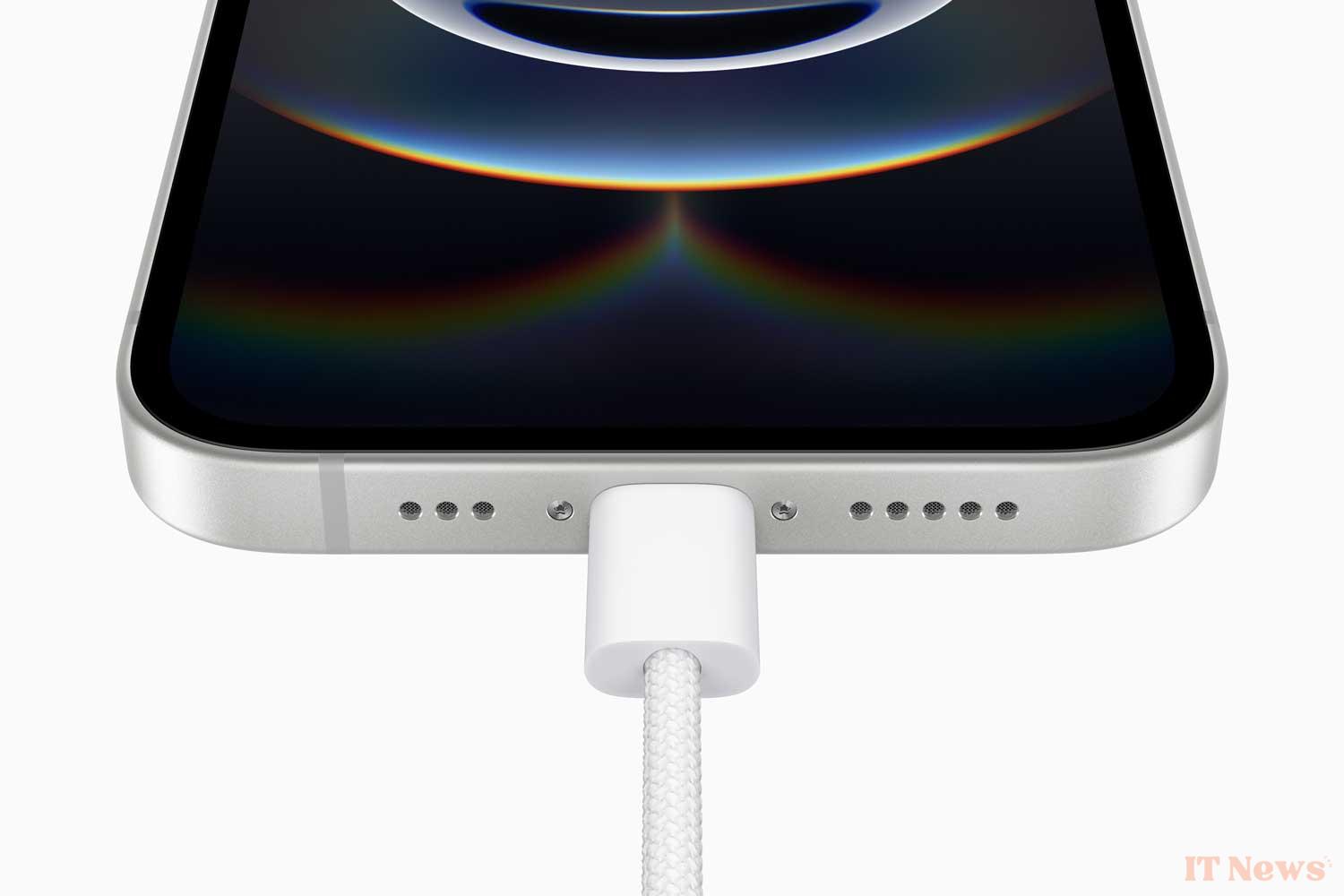
For users, this modem provides access to 5G, Wi-Fi 6, Bluetooth 5.3 and even satellite functions (Emergency SOS, Roadside Assistance, Messages and Satellite Locator). This generation of iPhone SE also stands out for the integration of a USB-C port. This is absent from older models that benefited from the Lightning connector. The latter hastened the end of the iPhone SE 3 in France and in a large part of Europe. Indeed, European regulations now require the USB-C port on smartphones.
Price and availability
Apple announces that its iPhone 16th is available from 719 euros. It is already available for pre-order and the first deliveries will take place on February 28.
- iPhone 16e (128 GB): 719 euros
- iPhone 16e (256 GB): 849 euros
- iPhone 16e (512 GB): 1099 euros


0 Comments