
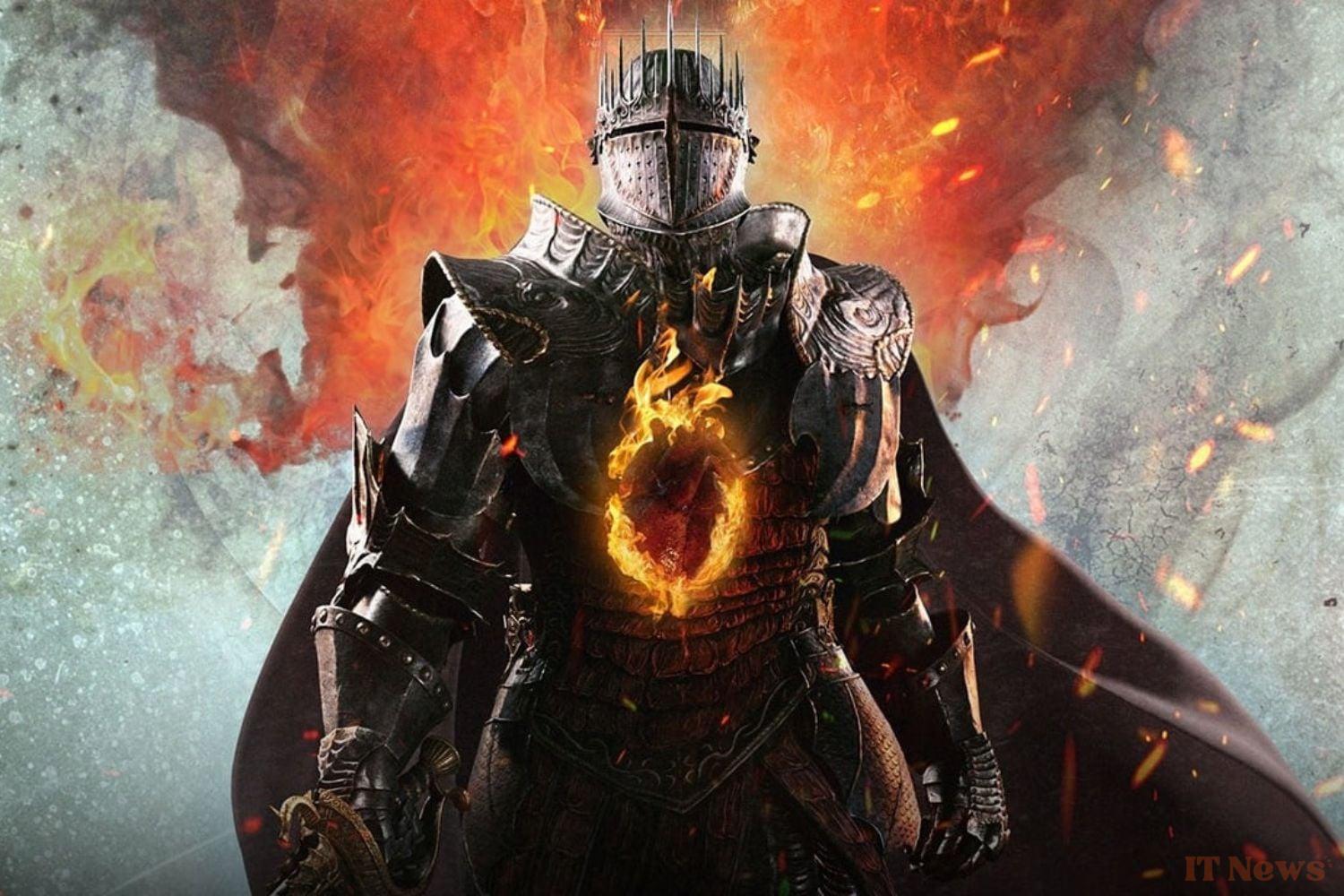
After giving a second wind to major franchises such as Resident Evil and Monster Hunter, the Japanese video game giant Capcom is now tackling one of its most niche titles. Published in 2012 on PlayStation 3 and Xbox 360, Dragon’s Dogma invited players to discover a dark fantasy world, with mechanics that were, to say the least, original by action RPG standards. The massive monster battles in the style of Monster Hunter, combined with physics reminiscent of Souls and classes with surprisingly varied abilities have made the first opus a niche classic among fans of the genre.
Despite a re-release on PlayStation 4, Xbox One and PC also including the Dark Arisen expansion, it must be admitted that Dragon’s Dogma has remained rather discreet among the general public. Never mind: Capcom intends to make its new next-gen episode a global success. The many trailers released during video game conferences in recent years seemed to promise us a real epic blockbuster. While these surprising visuals have managed to capture the attention of a wider audience of players, our second hands-on experience was rather disconcerting. After a fairly promising fifteen-minute session last October, this three-hour dive into the world of Dragon’s Dogma II left us more doubtful.
Gameplay that requires adaptation
The build proposed during our preview session projected us into an advanced part of the adventure. We were then able to get to know two expert classes: the mage knight and the mage archer. These atypical roles resulting from a fusion between physical and magical classes have everything it takes to make role-players in search of epic fights dream. Between devastating attacks and awakened magical skills, we had all the cards in hand to go and defeat some goblins. However, in a title as demanding as Dragon’s Dogma first of the name, starting with the most complicated classes is not the best idea. Especially since this new opus has a lot to offer, resulting in even more things to understand for the beginner player.
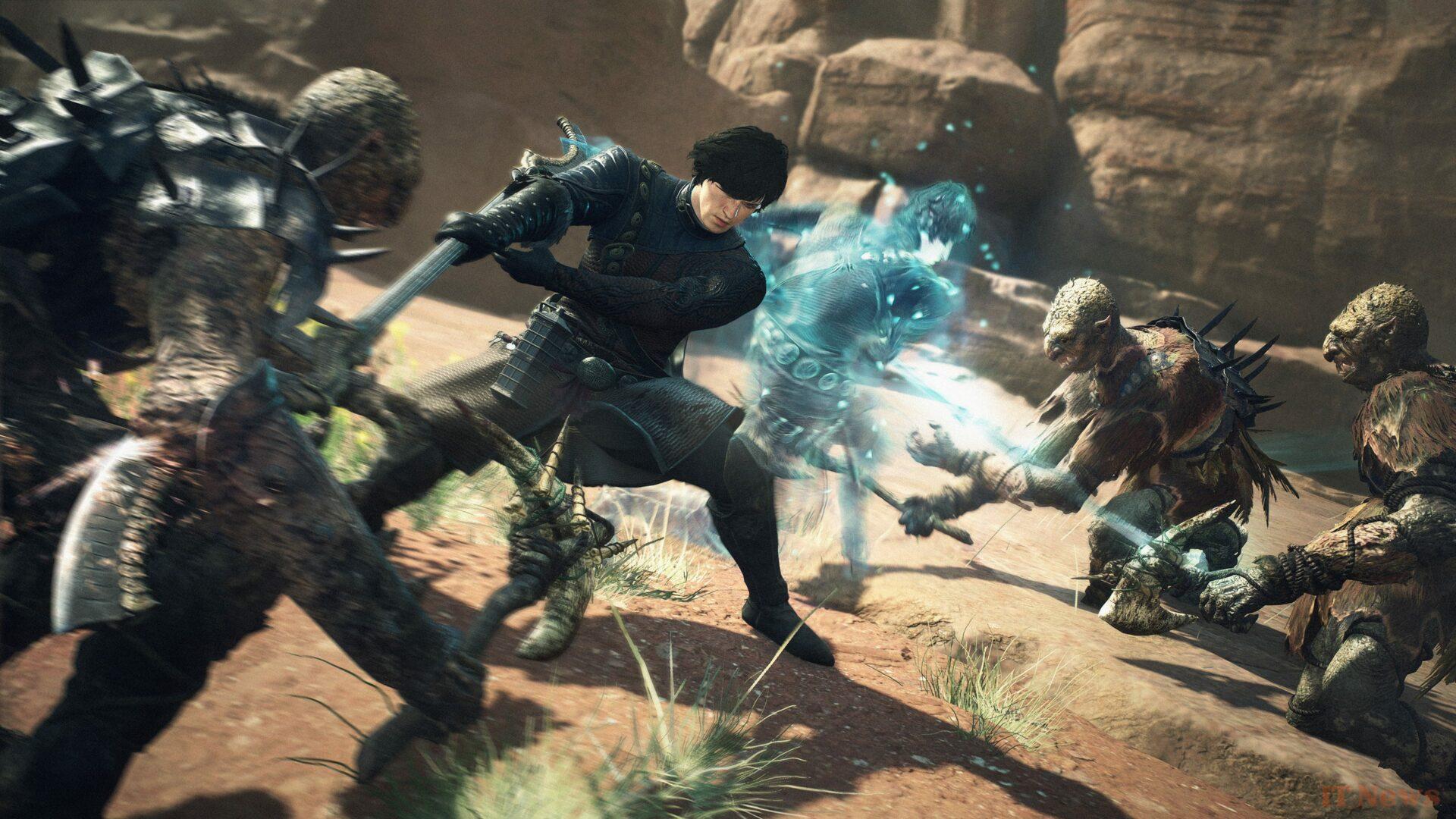
Once we got to grips with the heroes, we couldn't just jump headlong into battle either. The quest system in Dragon's Dogma II requires time and thought. Unlike current RPG standards, the game does not give any gratuitous hints. Understanding the objectives is entirely up to the adventurer, who is tasked with questioning non-player characters in order to obtain bits of clues. Just completing a side quest was not easy: enough to set the tone for this adventure. Capcom is betting entirely on immersion in a merciless fantasy world whose complexity is reflected in the game mechanics. While this will certainly please hardcore players, the extreme realism could put off more than one newcomer.
Too much realism kills realism?
In the absence of a proper introduction, the adventure Dragon’s Dogma II is certainly not the most enjoyable. Much like an anime character thrown into a fantasy world against their will, understanding the intricacies of this world proved to be a real ordeal. Forgetting to place our reminder stone in a safe place before setting off on an adventure guaranteed us a hell of a trek on foot to validate the quest objective. This RPG is not conventional, so the usual fast travel is out of the question. Players will therefore have to be proactive, or count on their luck to come across a cart that can transport them in the right direction. This revision of our habits is not a flaw, but the game still has to take the time to explain how it works.

Since we were not given any insight into the first few hours of gameplay and any tutorials offered by the title, we only felt like we were left to our own devices. It was difficult to appreciate the heightened realism of the title, which was nevertheless designed as a way to enhance immersion. The structure of the first game sequences will therefore prove to be crucial in the full version of the title. It would be a shame if players felt abandoned when the universe and most of the gameplay look promising. Judging the pleasure provided by Dragon’s Dogma II based on our preview is not easy. We will therefore have to rely on the final build in a few weeks. This hands-on was nevertheless an opportunity to note that the famous “pawn” system presented by Capcom as a small revolution still needs to be refined.
Pawns: a false good idea?
In Dragon’s Dogma II, the hero will be able to recruit “pawns”, non-player characters designed as multifunctional companions. Each with their own classes and skills, these adventurers will complete the team according to needs. There will be an infinite number of them, which players will be able to recruit as they wish and even exchange with other users via online services. This system was put in place to offer more versatility to the player, regardless of the class they decide to embody. But this mechanic also wants to be more than just a feature. The Japanese studio promised cutting-edge artificial intelligence to make these characters more alive and forge a real sense of camaraderie. Almost like a tabletop role-playing group in short. If the first interactions with the pawns were rather convincing, the cold shower quickly fell. These characters had a knack for repeating the same sentences incessantly, breaking any illusion of free will. Some conversations didn't even make sense:
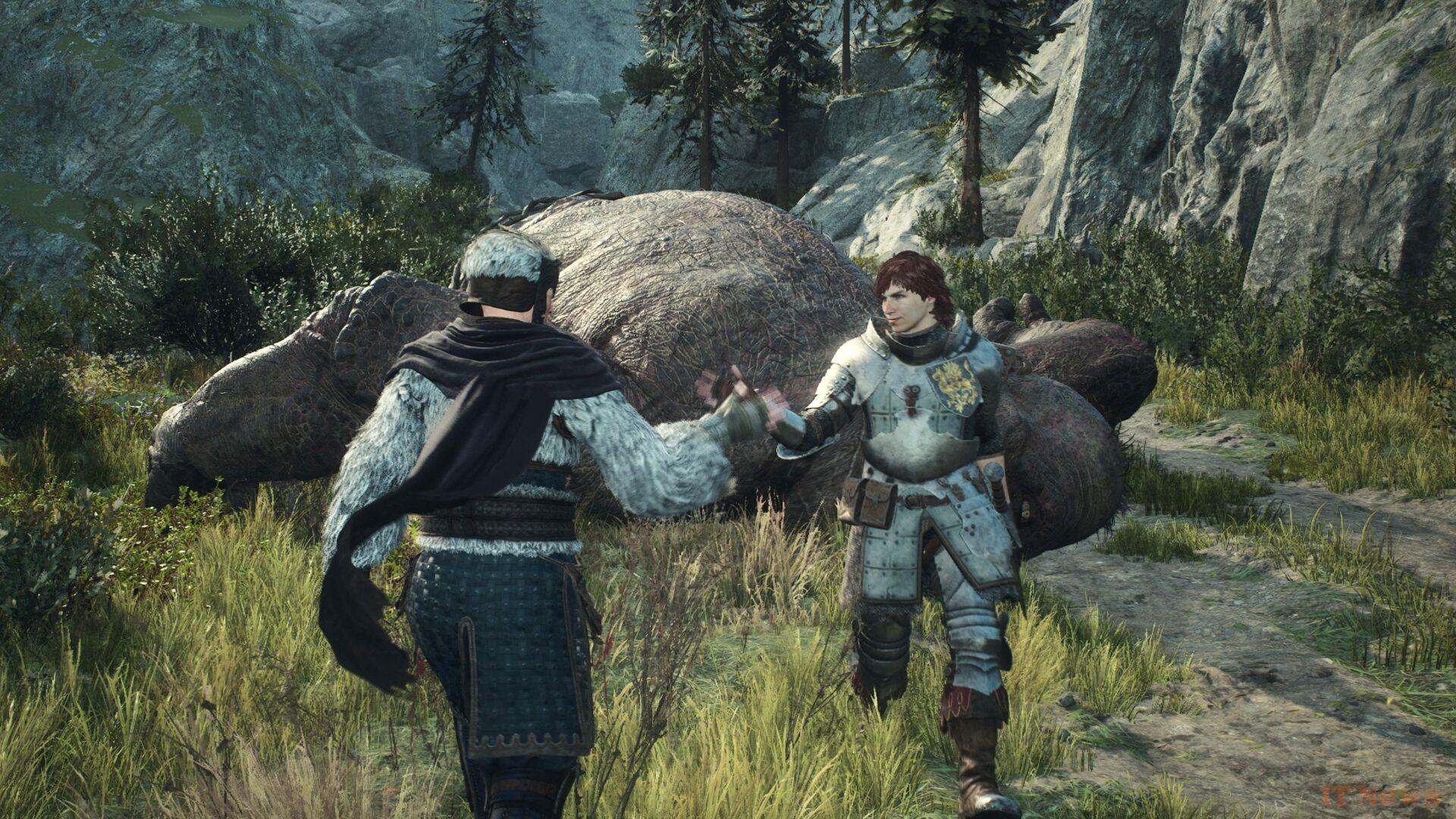
As for their presence during combat, the pawns are at least formidable. Even a little too much. Even during small clashes, it was as if only the pawns were capable of inflicting major damage on hostile creatures. Was it due to the conditions of our test and our lack of knowledge of the classes, or is it a flaw in the system? Only time will tell. But one thing is for sure: the pawns will need some corrections to succeed in convincing us. To be continued.


0 Comments