
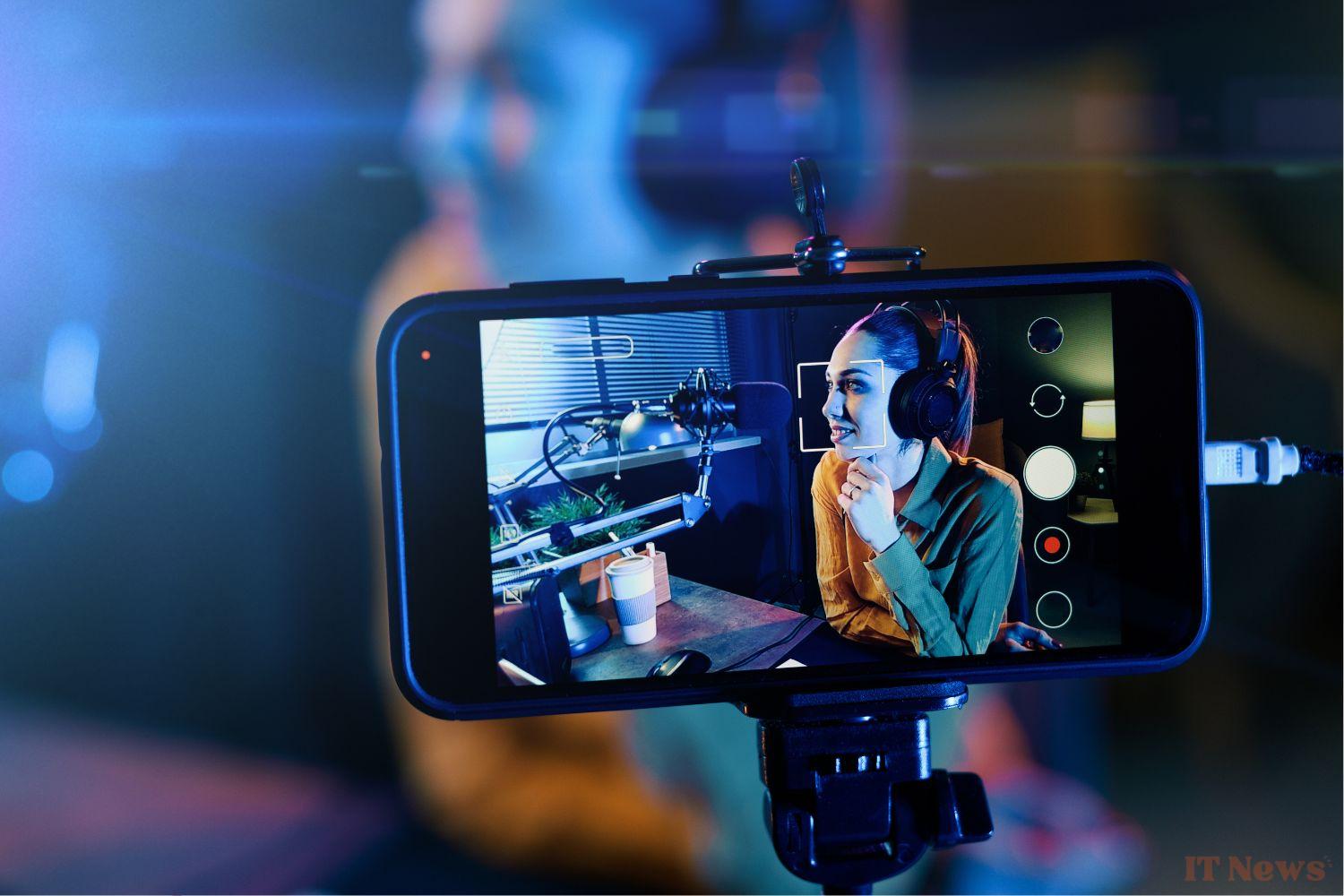
If you're thinking about getting into streaming, there's a term you've probably already come across: encoding. Whether it's to recommend dedicated hardware or to adjust the settings of your streaming software, encoding is a concept that proves to be essential for any live streaming activity on Twitch and the like. In the livestream dictionary, we decipher this concept with you.
What is encoding?
Encoding is a crucial process in live streaming on platforms like Twitch. Basically, it involves converting video and audio data into a digital format that can be understood by computers and internet-connected devices. This allows viewers to watch your content live on their devices, regardless of their nature (mobile, consoles, computers, etc.).
To understand why encoding is so important for Twitch, it is necessary to grasp a few basic concepts. For example, it is indissociable from your streaming software, whether it is OBS Studio, Streamlabs or XSplit. When you are broadcasting a video game live on your computer, your game generates images and sounds in real time.
This is where That’s where encoding comes in. Your live streaming software will take your game’s video and audio stream, compress it, and convert it to a suitable format. This process reduces file sizes while preserving visual and audio quality, allowing for smooth transmission across viewers’ various devices.
Why understand encoding?
Encoding is also extremely important when it comes to hardware. If you’re streaming on console, encoding will be handled out of the box, but on PC, the story is a little different. You can set up a setup entirely dedicated to to livestream, which means prioritizing a powerful, multitasking processor, even if it means having a specific machine for encoding, and another for playing (whether it's a PC or a console).
Without good encoding, live streaming could be choppy, pixelated, or even cut out completely for viewers with slower internet connections. Additionally, Twitch has specific encoding requirements to ensure an optimal viewing experience for all viewers, whether they're on a desktop or mobile device. By following these encoding guidelines, you ensure that your live stream is accessible to a wider audience and that it is delivered smoothly and in high quality.
To summarize, encoding is a very important concept, because it is what will allow you to transmit what you hear and see to your viewers. The entire process is done internally, but you have to think about optimizing your setup.


0 Comments