
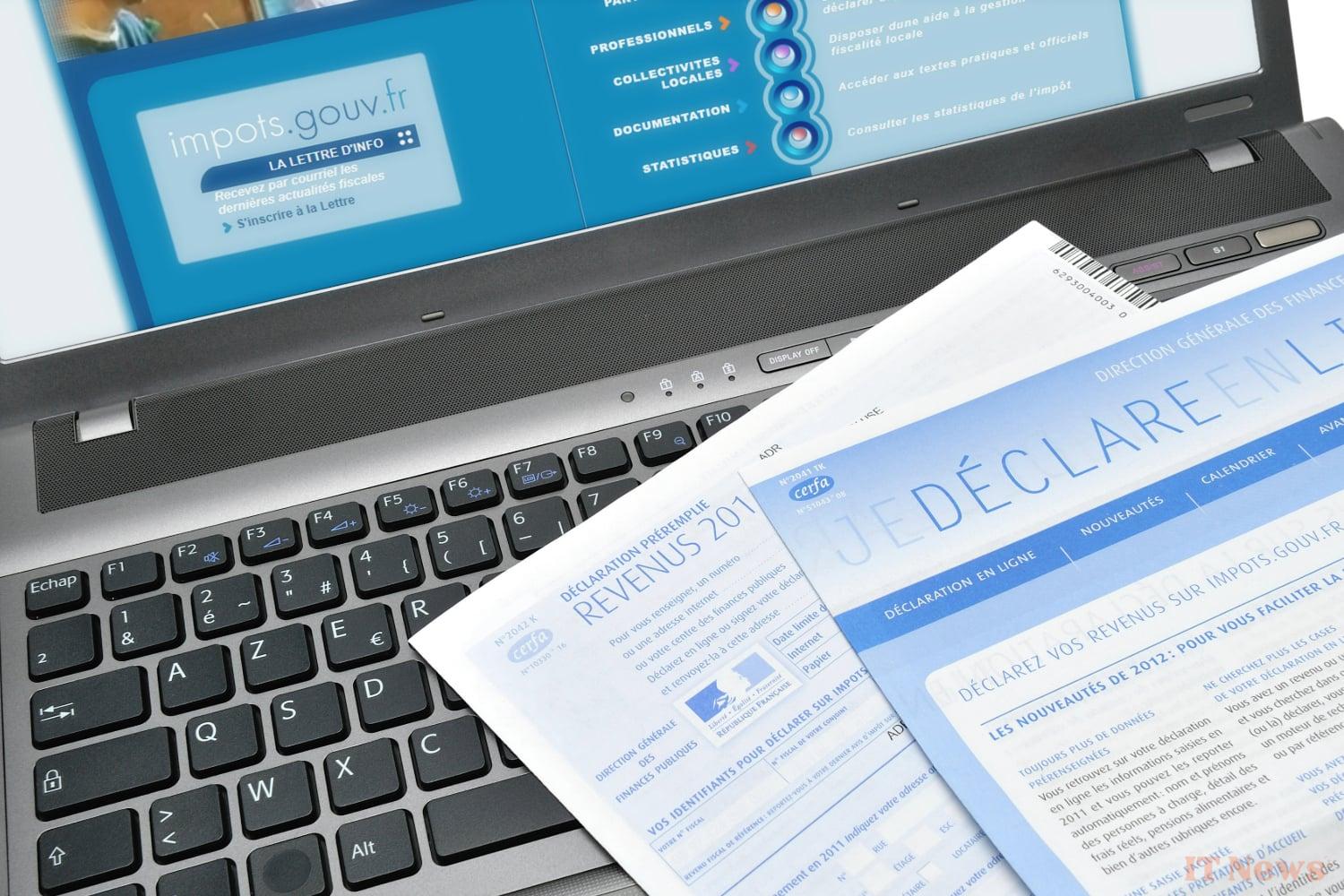
The deadline to declare your 2024 income is fast approaching. To avoid disappointments, here's what you need to know about this new tax year, which comes with some notable changes.
When should you file your taxes?
Every year, it's the same. You only have a few weeks to file your taxes. The 2025 tax return campaign begins on April 13, so you still have some time to prepare. Be careful in case of delay, since a surcharge of 10% may be applied from the first day of delay. Don't panic, however, since depending on the declaration method chosen and your department of residence, you will have until June 5, 2025 at the latest, depending on your place of residence, to send your documents to the tax authorities.
- Thursday, May 22, 2025 for departments 1 to 19 and for non-residents in France
- Wednesday, May 28, 2025 for departments 20 to 54
- Thursday, June 5, 2025 for departments 55 to 974 and 976
Changes to tax credits
The 2025 finance bill aimed to strengthen controls and reduce the costs of fraud in France. This year, it is the tax credit that is changing. This tax benefit allows you to deduct 50% of expenses incurred for certain types of home services from your income, up to a limit of €20,000 per year depending on your situation. Many activities are eligible, ranging from childcare to tutoring, including household help, assistance for the elderly, and small DIY or gardening jobs.
New in 2025, it will no longer be enough to declare a personal service to benefit from the tax credit: it will be necessary to specify whether it is a private employer, a personal service organization or an agent, the amendment specifies. This will provide better visibility on the effective use of this tax system, the text hopes, while offering more rigorous control and increased transparency of public finances. Remember that this tax loophole is one of the most costly for the state in terms of income tax.
[ad}
Watch out for errors
The most important thing when you declare your taxes is to pay attention to possible declaration errors that could cost you dearly. In 2023, the General Directorate of Public Finances corrected Nearly 15.2 million euros from erroneous or falsified tax returns. This is due to increasingly complex declarations, but also to the increase in checks, particularly via social networks and second-hand online sales sites. Fortunately, since 2018, it has been possible to exercise one's right to error, which allows erroneous declarations to be corrected after the fact, provided one can attest to one's good faith.


0 Comments