
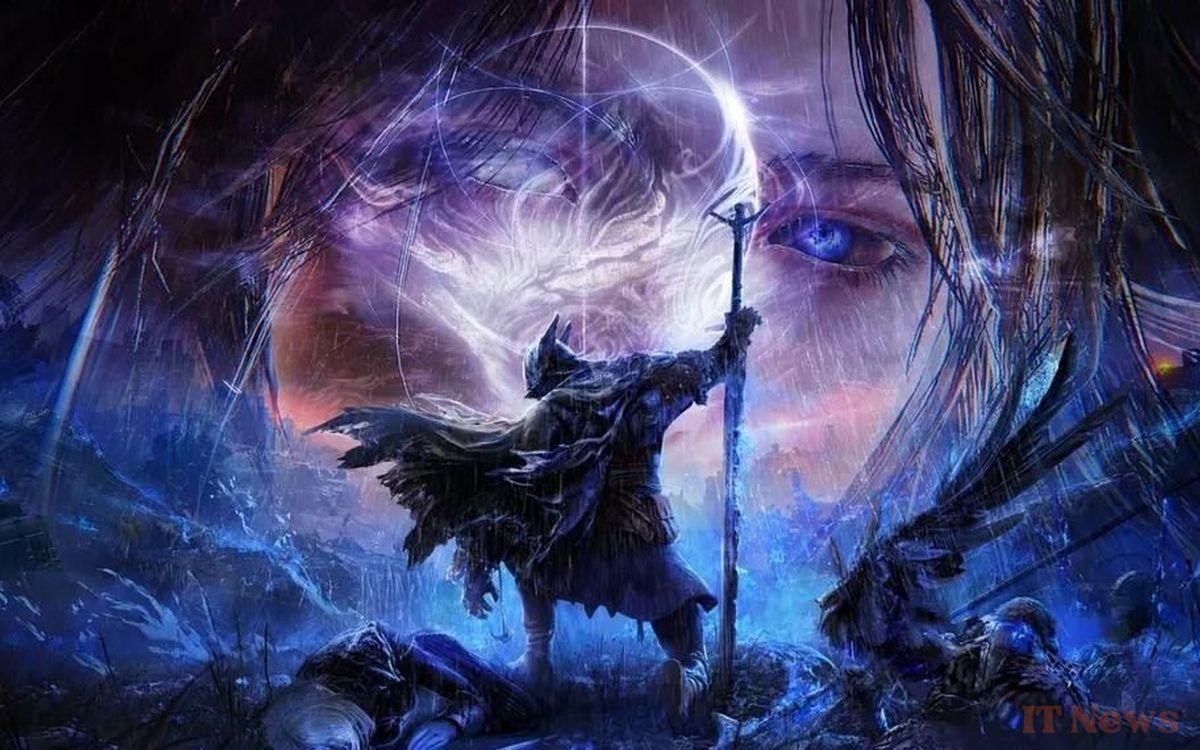
A true revelation in From Software's catalog, Elden Ring has won over players with its gigantic open world, its highly successful artistic direction, and its approach that balances accessibility and swift punishment. As the highly anticipated Nightreign, a parallel episode focused on multiplayer cooperation, looms, we decided to retrace the mind-blowing history of this publisher that has left its mark on the world of video games in its own way. Fasten your seatbelts, the revelations may surprise us.

When we mention the name From Software, we immediately imagine action/adventure games that forgive no mistakes. Expeditious and merciless, the works of the Japanese studio have never been half-hearted, and this has been the case since the company's inception in the mid-1990s. Because yes, long before Elden Ring, Bloodborne, or even Dark Souls, From Software specialized in... office automation. It was precisely on November 1, 1986, that the small entity set up shop in the heart of the Japanese capital, more precisely in the Shibuya district. The group, made up of only four people, began working on professional software intended for administrations and accounting departments in the corporate world. From Software's initial idea was to allow companies to save time - and therefore money - by using programs to facilitate management, organization, or even logistics. Suffice it to say that at that time, unless you were in the HR department of a company or an accountant, there was little interest in taking an interest in this company that had come out of nowhere.
Paperwork is good, games are better
For a few years, From Software prospered and benefited from the emergence of increasingly powerful IT products. But while all the signs were green, the company encountered some turbulence, due to increasingly fierce competition (not just Japanese). Management then decided to conduct tests to broaden its scope. Their approach consisted of investing in the first software programs allowing the development of 3D elements. This is how prototypes were created internally, some of which could be used in architectural firms, for example. It was then that a major geopolitical event occurred. The breakup of the Soviet bloc led companies specializing in defense and advanced military equipment, particularly radars, to reorient themselves towards other markets. Companies working in the field of virtual simulators – notably for NASA – turned to the world of video games. The early 1990s were marked by the arrival of 3D video games, particularly on PC (with flight simulators), but also in arcades. This emergence of 3D, and a myriad of events that would take a very long time to recount, pushed Sony to develop and market its own console: the PlayStation.
Also read – This legendary video game was released over 30 years ago and its launch was not easy, we tell you the incredible story of Doom
From Software's crusade
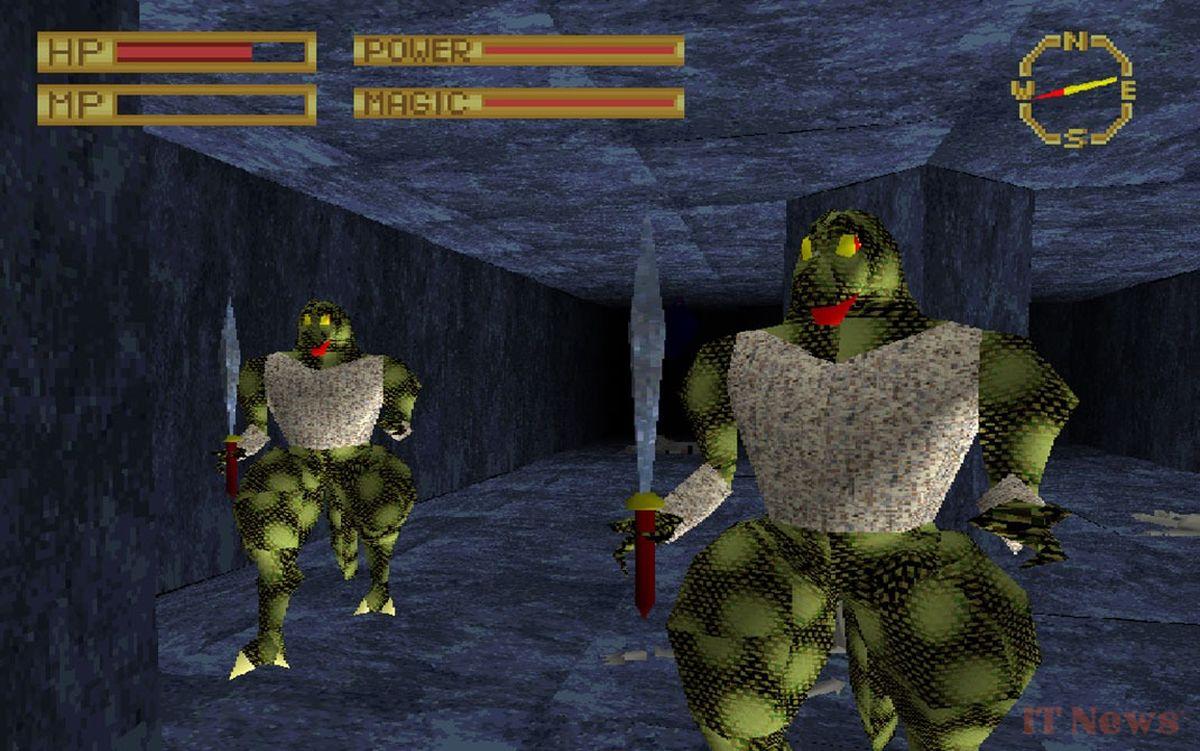
Alongside the development of its console, Sony is knocking on the doors of numerous studios to develop games for its machine. It manages to convince big names like Namco (SEGA's direct competitor in the arcade world), Electronic Arts, and Psygnosis. One of its key selling points is the low-cost provision of high-performance development kits. Thanks to this substantial financial proposition, smaller studios can create games for the PlayStation. Convinced that it could in turn develop video games for this machine, From Software hired a few people, including students barely out of university, and began working on its first game. Released in 1994 in the wake of the launch of the PlayStation (thirteen days later), King’s Field is a first-person role-playing game set in a medieval-fantasy world plagued by creatures and other monsters from beyond the grave. Disconcerting at first glance, the game distils a surprising atmosphere and provides excellent sensations despite a ultimately classic progression and a sometimes annoying slowness. Receiving an honorable reception, the title bears the mark of future From Software games: its difficulty. To complete this project, the studio relied on the 3D prototypes and refined the tests until they produced a first King’s Field game, then a second and even a third which will be released on PlayStation 2.
From mechas to card games
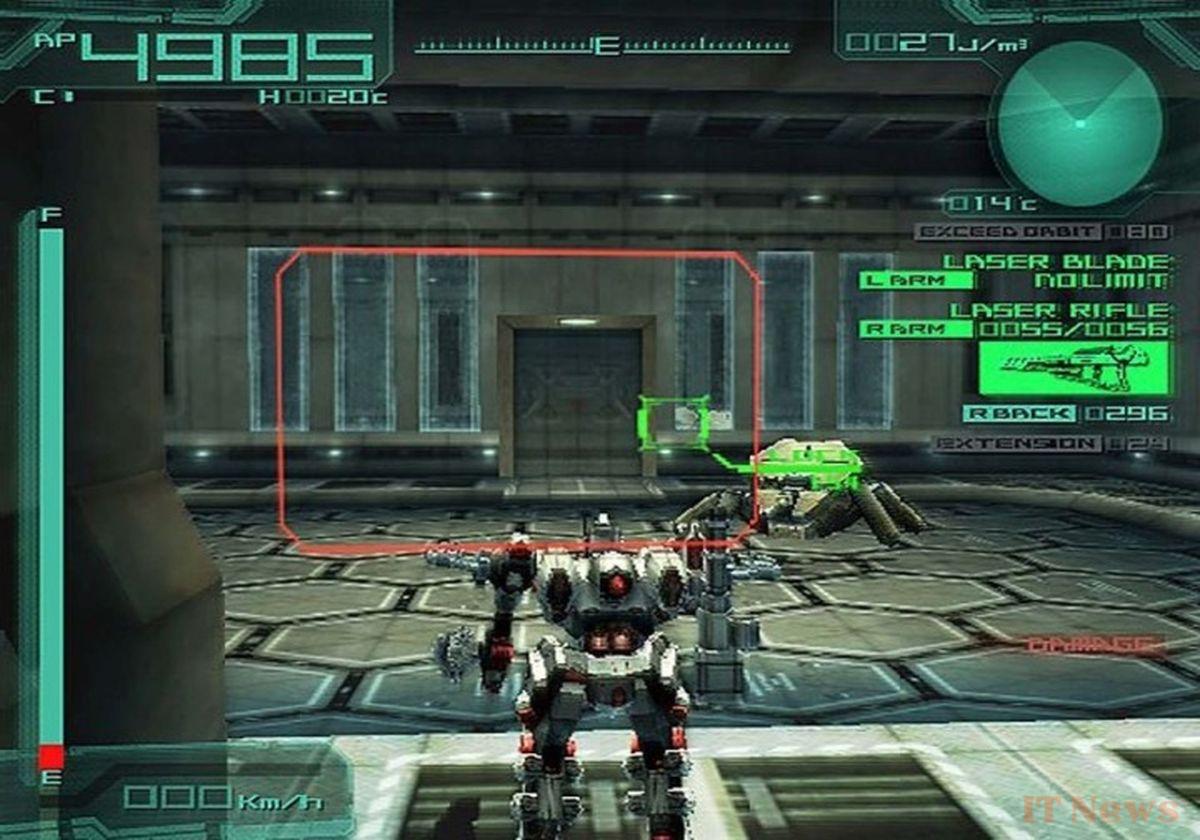
Having their foot in the door, The developers managed to tame the PlayStation and decided to tackle a series that would make even more noise: Armored Core. This robot simulation, very popular in Japan, would also meet with some success in Europe and the United States. The particularity of this saga, unlike a more accessible series like SEGA's Virtual On, lies in its very realistic and therefore complex gameplay. In addition to the demands of the missions, the title highlights a very advanced customization aspect, with parts to buy and resell. For several years, and until the advent of the PlayStation 2, From Software would focus on its two in-house licenses, while bringing in some lesser-known works like Echo Night and its sequel Echo Night Beyond, adventure games with a fantasy and horror tendency. It was all these combinations that would give rise to the beginnings of what would become Dark Souls. Things would accelerate during the 2000s with the creation, internally, of several human-sized teams working on different games. It's sometimes forgotten, but From Software was behind productions like Frame Gride (Dreamcast), Eternal Ring (PS2), Evergrace (PS2), Otogi (Xbox) and even Lost Kingdoms (Gamecube), an unlikely card-based RPG known to us as Lost Kingdoms. From Software will even take over the Tenchu franchise, action/infiltration games in a ninja universe, and develop a few episodes.
The hardcore fiber
In its philosophy, From Software has always wanted to maintain this principle of small or medium-sized teams. For management, it was a question of not spreading itself too thin while remaining a competitive studio. The difficulty of the company's games has never been a secret, and the company has repeatedly been criticized for this high standard demanded of players. Some games were even considered kusoge (shit games) in Japan. And then, there was a turning point with the arrival of new designers – including the current president, Hidetaka Miyazaki – who managed to capture the essence of the company's old games and modernize them. They thus maintained the pure standards of From Software productions, but by imagining a real margin for improvement so as not to frustrate the public. Combined with a shift in mentality in the video game world, From Software has become a highly regarded studio, now capable of producing exceptional games on a very large scale. There is no doubt that the new Elden Ring Nightreign and the upcoming The Duskbloods on Nintendo Switch 2 will once again dazzle us. We will leave the final word to one of the studio's designers, Masanori Takeuchi, who joined From Software in 1997.
“There is no doubt that Dark Souls demands a lot of effort from players, but perhaps that is why our games were described as “shit-ass.” in the past and that they are more respected today.”
That says it all.


0 Comments