
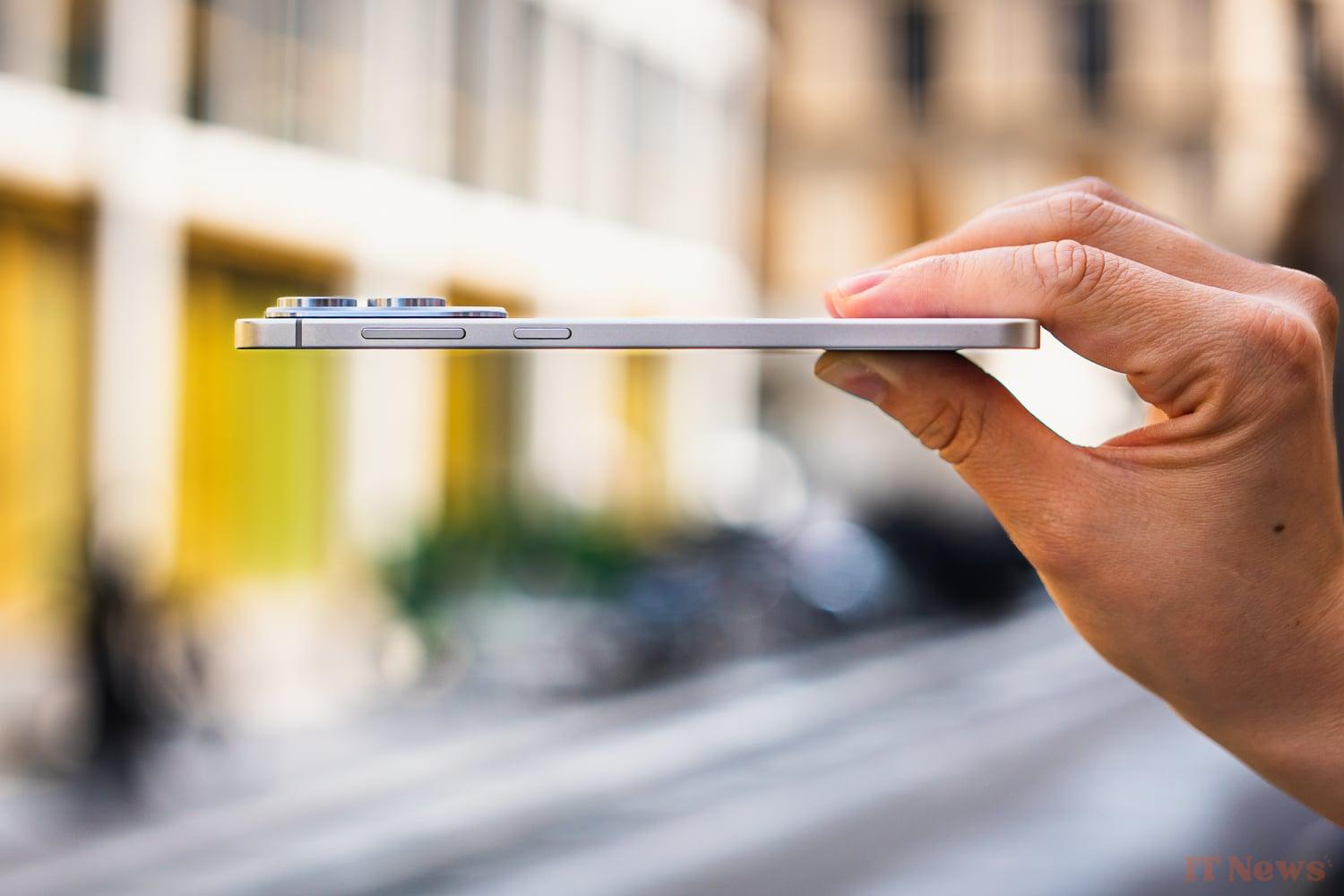
The Galaxy S25 Edge is the thinnest smartphone Samsung has ever produced. At 5.8mm thick, it focuses almost entirely on its design and ergonomics, even if it means taking a few risks on battery life, performance, and even photography by removing a telephoto lens compared to other Galaxy S phones. Is this a worthwhile option? Answer in this full review.
Price and release date
Samsung is selling its Galaxy S25 Edge at a price of 1249 euros in its base configuration (12GB of RAM + 256GB of storage) and 1369 euros in 512GB.
It is available in three colors: gray, blue, and black.
Design: it's going to be hard to go back
“But what's the point of such a thin smartphone?”, “Who asked for this?”, “Isn't it a bit pointless?” These are the thoughts that come and go about the Galaxy S25 Edge, but also about any ultrathin smartphone project. So, let's take the time in this design section to focus on what makes this Edge so special, that is to say, its rather unique design (at least until the release of the very likely iPhone 17 Air).
The gain in ergonomics is real
During our hands-on, we emphasized the fact that more than the 5.8mm thinness, it was the weight that shocked us. And it must be said: the smartphones we usually test and use all seem like behemoths now.
But after holding it a little more in our hands, our opinion on the subject has evolved somewhat. Or even changed completely. We are perhaps looking at the most pleasant smartphone to hold in the hand that we have seen in a long time.

Indeed, in a world where smartphones are increasingly similar, where they are all based on the same model, flat edges, and that's it, the surplus The ergonomics offered by the S25 Edge are very refreshing. The gain in ergonomics is real. We can easily see ourselves using this smartphone on a daily basis, just for the comfort it provides. Anyone who is used to watching videos in bed at night will immediately see the benefit as their arms tire less. The same goes for games or a long call.
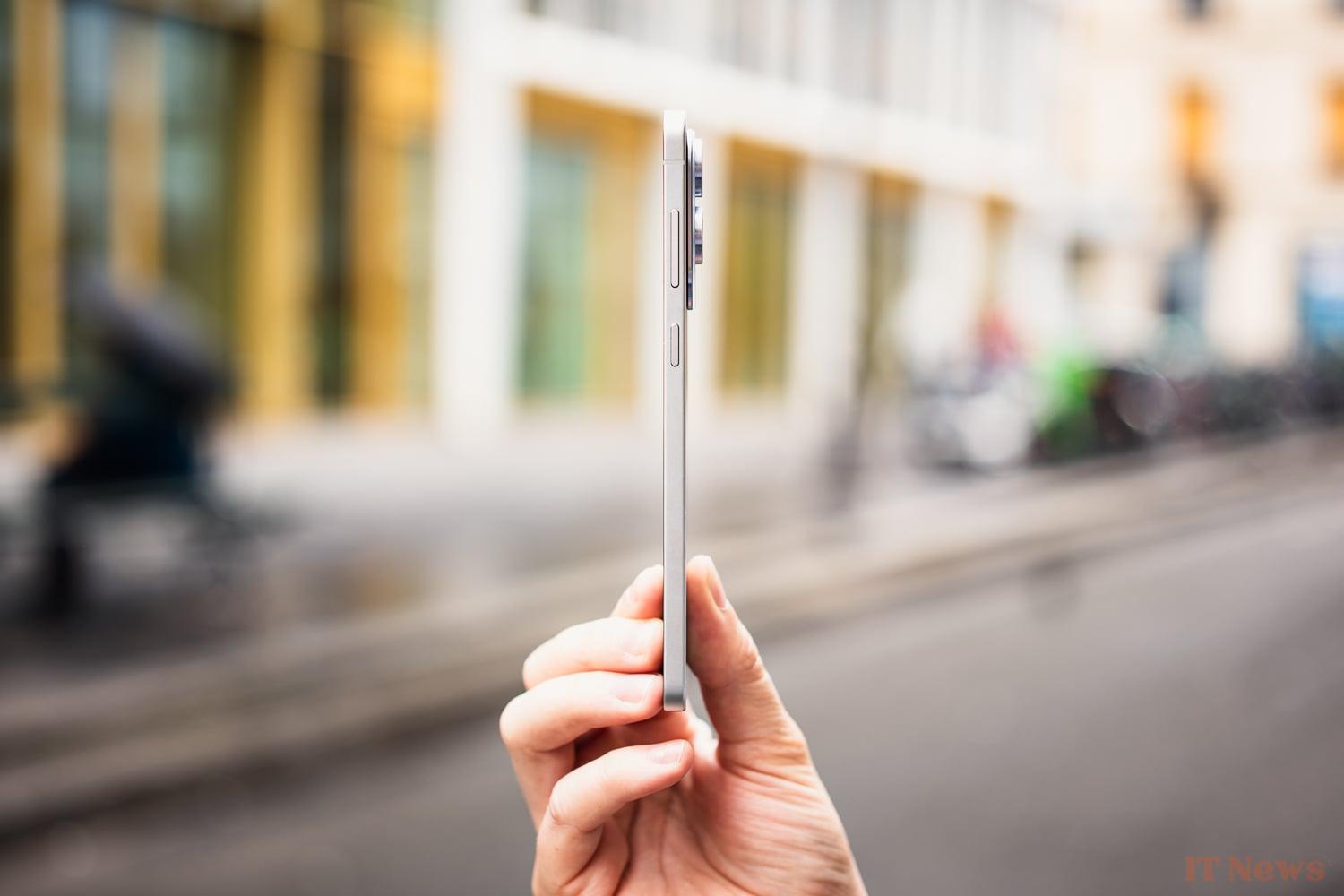
Ultimately, the Galaxy S25 Edge is an extremely pleasant smartphone to take out of your pocket, to use for viewing content, replying to messages. In short, pleasant to use. That's already an excellent point.
Careful finishing
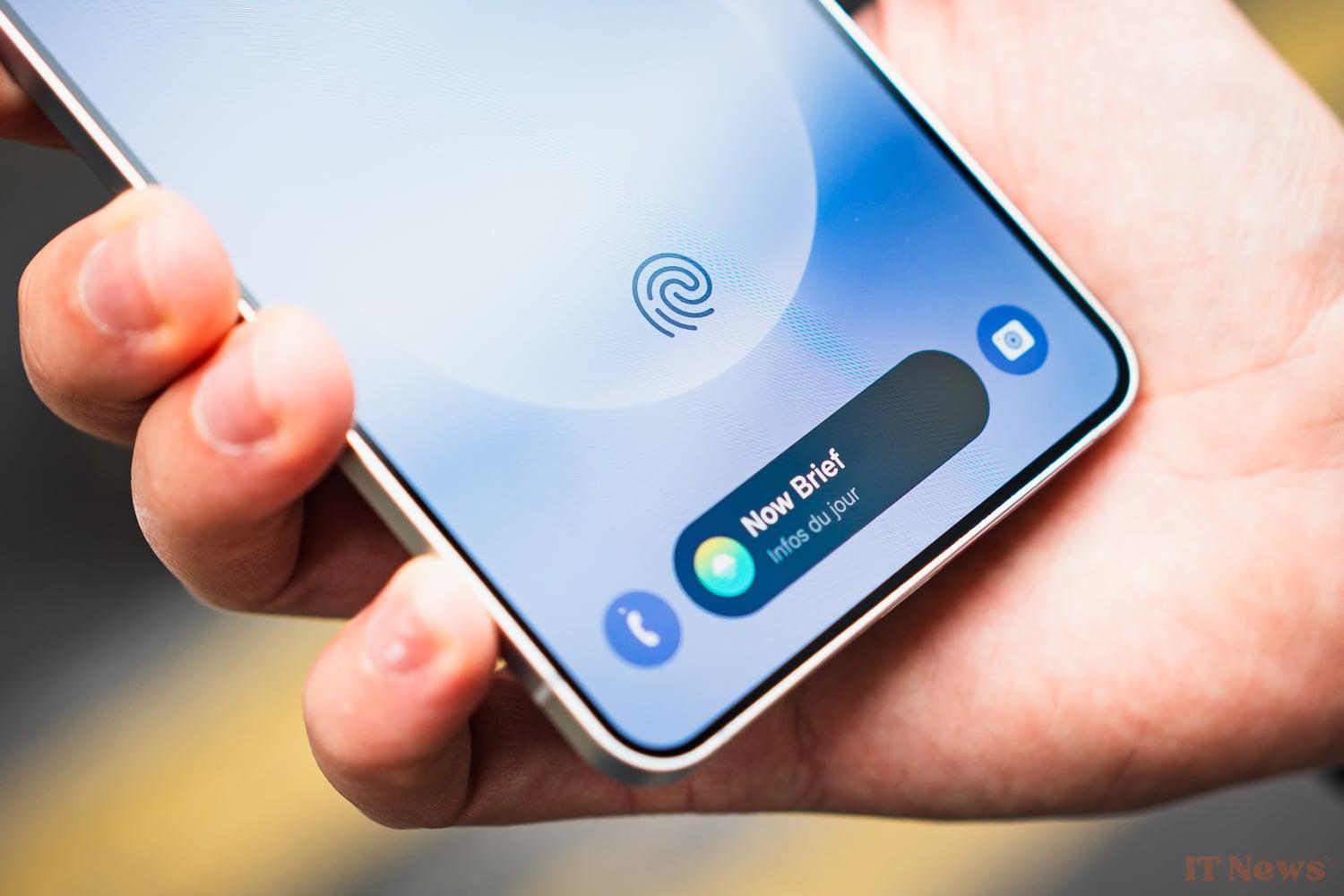
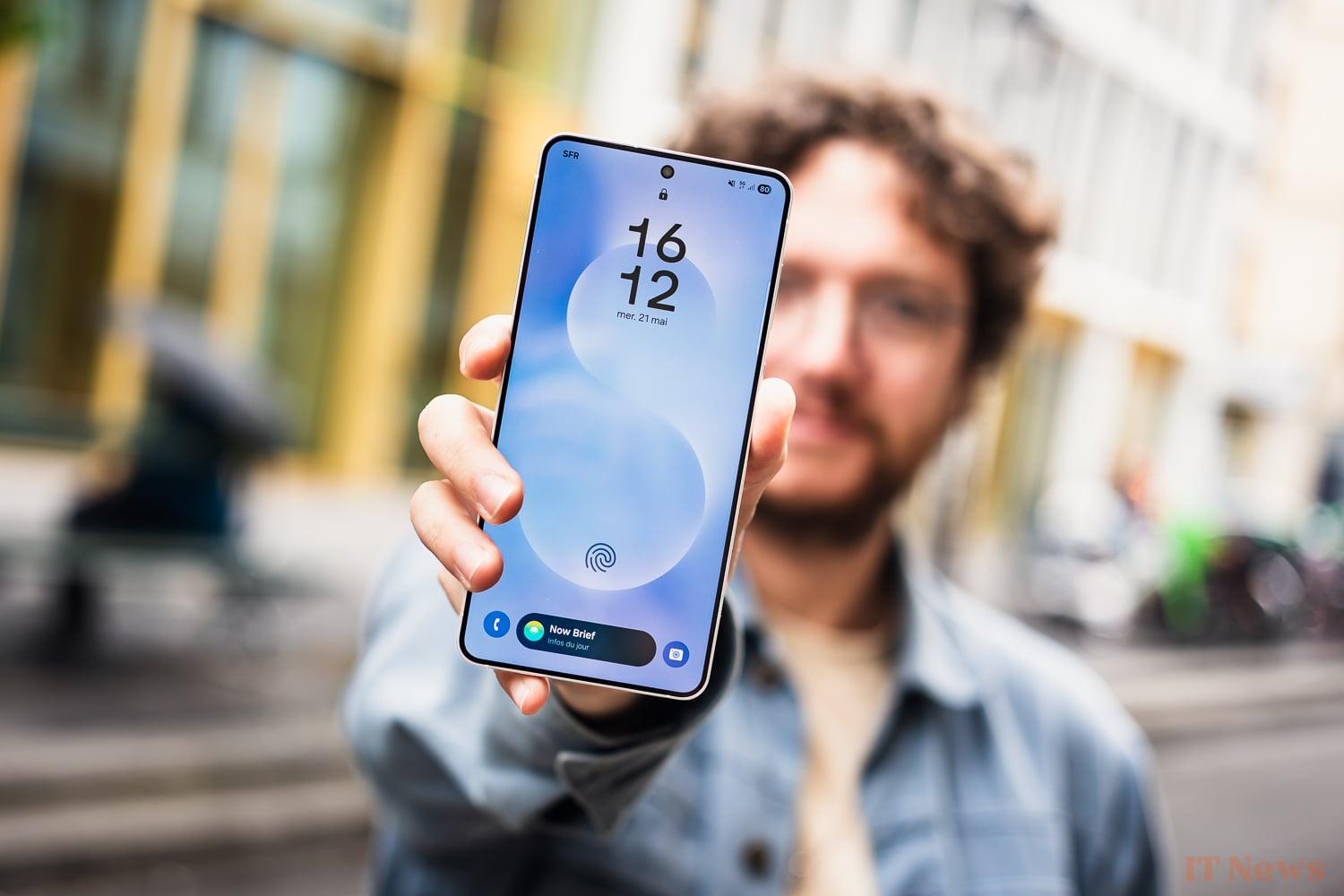
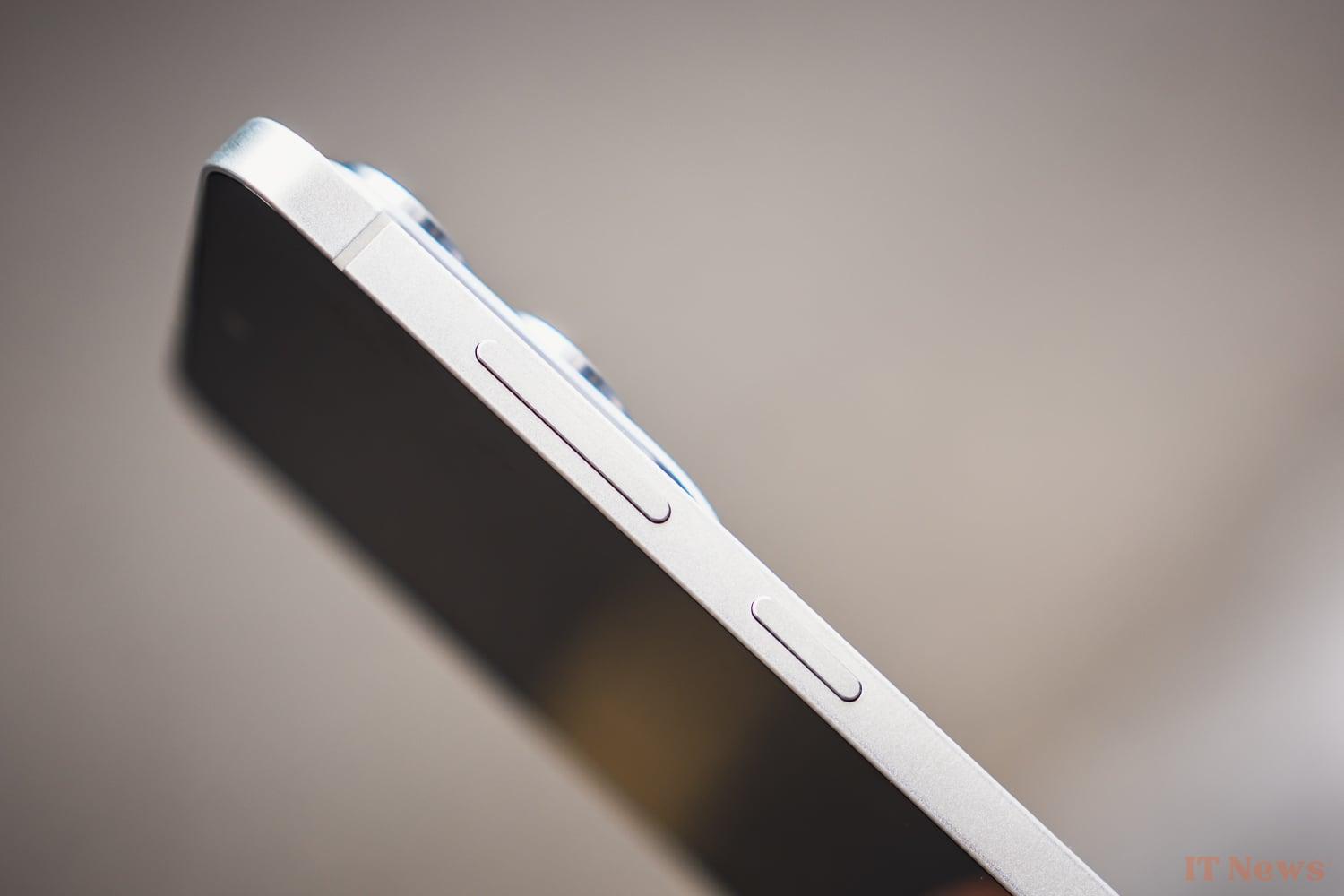
Samsung doesn't achieve this by chance. Its smartphone has fairly impeccable finishing. We have the right to a very classy photo block, although a little thick (8.40mm, without counting the modules) in the shape of a pill, a slightly shiny back, but which does not take too many fingerprints, flat aluminum edges with beveled edges and thin borders around the screen. The latter benefits from a body / screen ratio of 90.6% and hides the fingerprint sensor placed sufficiently high and rather responsive. It is also protected by a new type of Corning glass, Gorilla Glass Ceramic 2. Its particularity is to integrate a part of crystals into the glass, in order to make it thinner. Perfect for the S25 Edge, which thus resists according to Corning a fall from a height of 1m.
Despite their thinness, the edges manage to accommodate all the classics. On the right side, the volume and lock buttons have been slightly slimmed down for the occasion. The bottom edge is rather loaded with the SIM drawer (dual SIM), a microphone, the USB-C port and a speaker.
Screen: at the expected level
The Galaxy S25 Edge has more or less the same screen as the Galaxy S25 Plus, namely a large 6.7-inch panel equipped with Samsung's LTPO Amoled 2X technology. It has the same technical characteristics: a refresh rate of up to 120Hz, a definition of 3120 x 1440 pixels, or a pixel density of 513ppi (all of which is excellent of course).
Passed under the 01lab probe, the screen is therefore unsurprisingly close to its little cousin.
We find an average brightness of 1483cd/m², slightly below the 1524cd/m². Samsung is undoubtedly among the best in the genre, although there is still a significant gap with the Pixel 9 Pro XL, which reaches 2232cd/m². The minimum brightness is low enough to avoid flashing in the middle of the night.
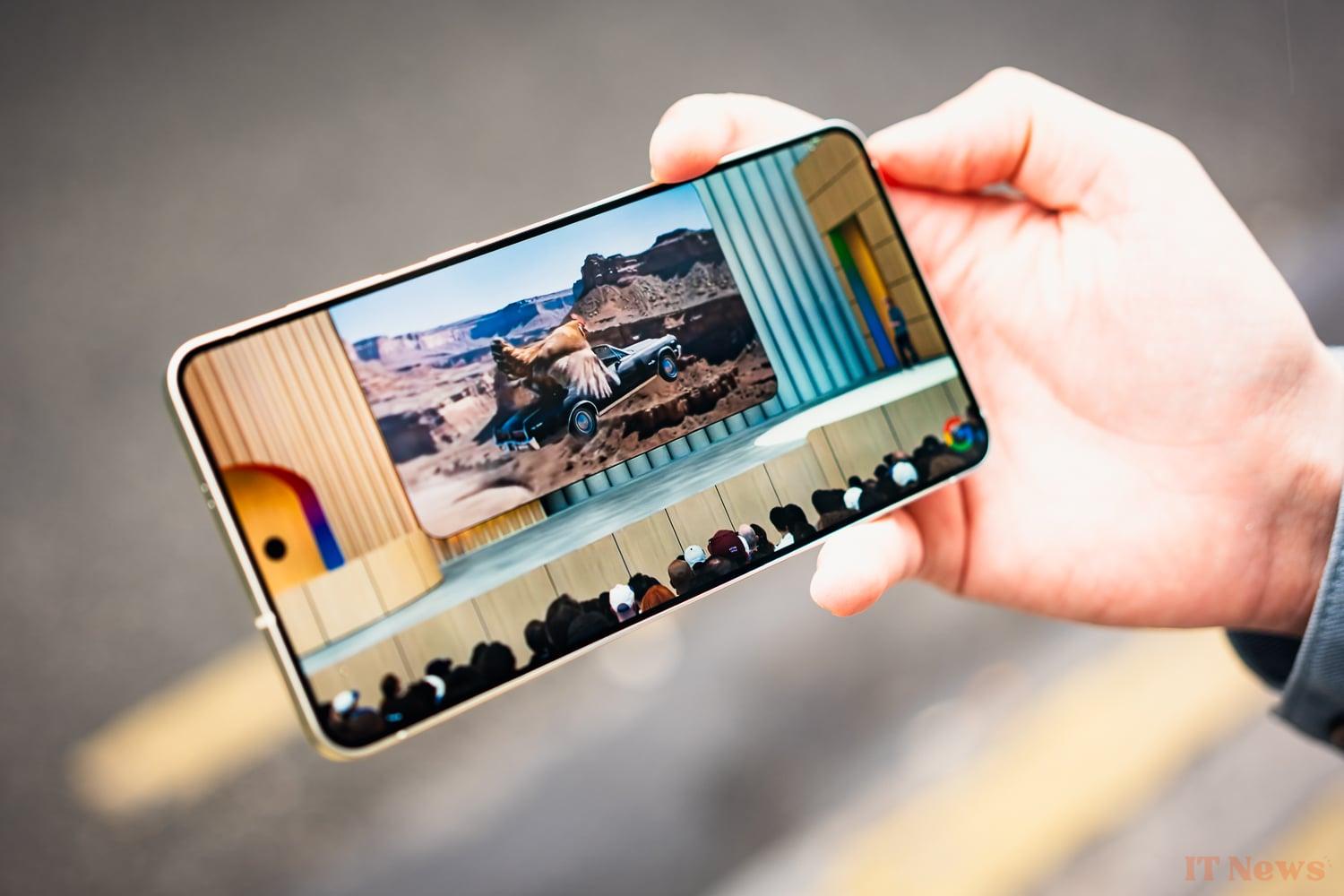
As for color fidelity, Samsung is, as always, a little too imprecise. On DCI-P3 content, you can expect a fairly high average delta E 2000 of 5.23. As a reminder, the lower the number, the more well-calibrated the screen is. On less demanding content, in sRGB, we measure a not-so-fantastic number, 3.56.
So we have a generous screen in every sense of the word: very bright, but a little too crazy on the colors. Unfortunately, Samsung does not offer an advanced calibration tool.
Software: One UI 7 in all its splendor
The Galaxy S25 Edge runs on Android 15 with Samsung's coating, One UI 7. This new version presented at the beginning of 2025 is still a resounding success. It modernizes the look of the Samsung interface by bringing a touch of transparency, and some exclusive features like the Now Bar or the Now Brief.
One UI 7 is without a doubt one of the most accomplished interfaces on the market. It's ergonomic, fluid (at least on the high-end models), and comprehensive. We obviously find Galaxy AI, named after the suite of AI features integrated directly into the interface. It includes all the classics of the genre: Circle to search, Gemini, but also Add me, or even the magic eraser.
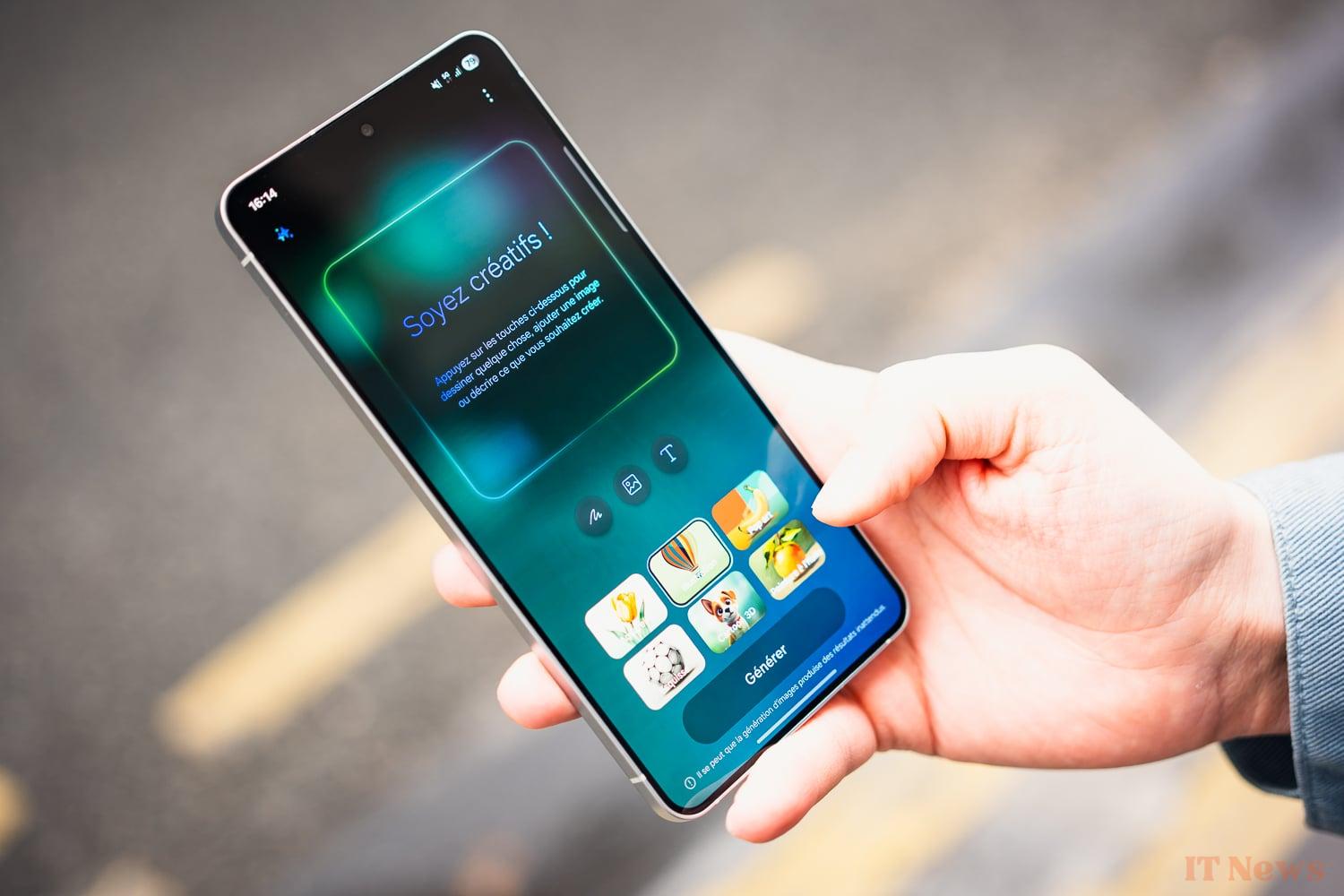
If you want to learn more, we invite you to read the software section of our Galaxy S25 Ultra test which developed this in detail. The Galaxy S25 Edge also includes the exact same experience as the Galaxy S25. It will also benefit from 7 years of updates.
One UI 7 alone weighs around twenty GB, not counting the applications pre-installed by the manufacturer.
Photo: two modules, is that enough?
Here is the photo configuration of the Galaxy S25 Edge:
- Wide-angle module with 200Mpx sensor, f/1.7 aperture, OIS;
- Ultra-wide-angle module with 12Mpx sensor, f/2.2 aperture;
- Selfie module with 12Mpx sensor, f/2.2 aperture.
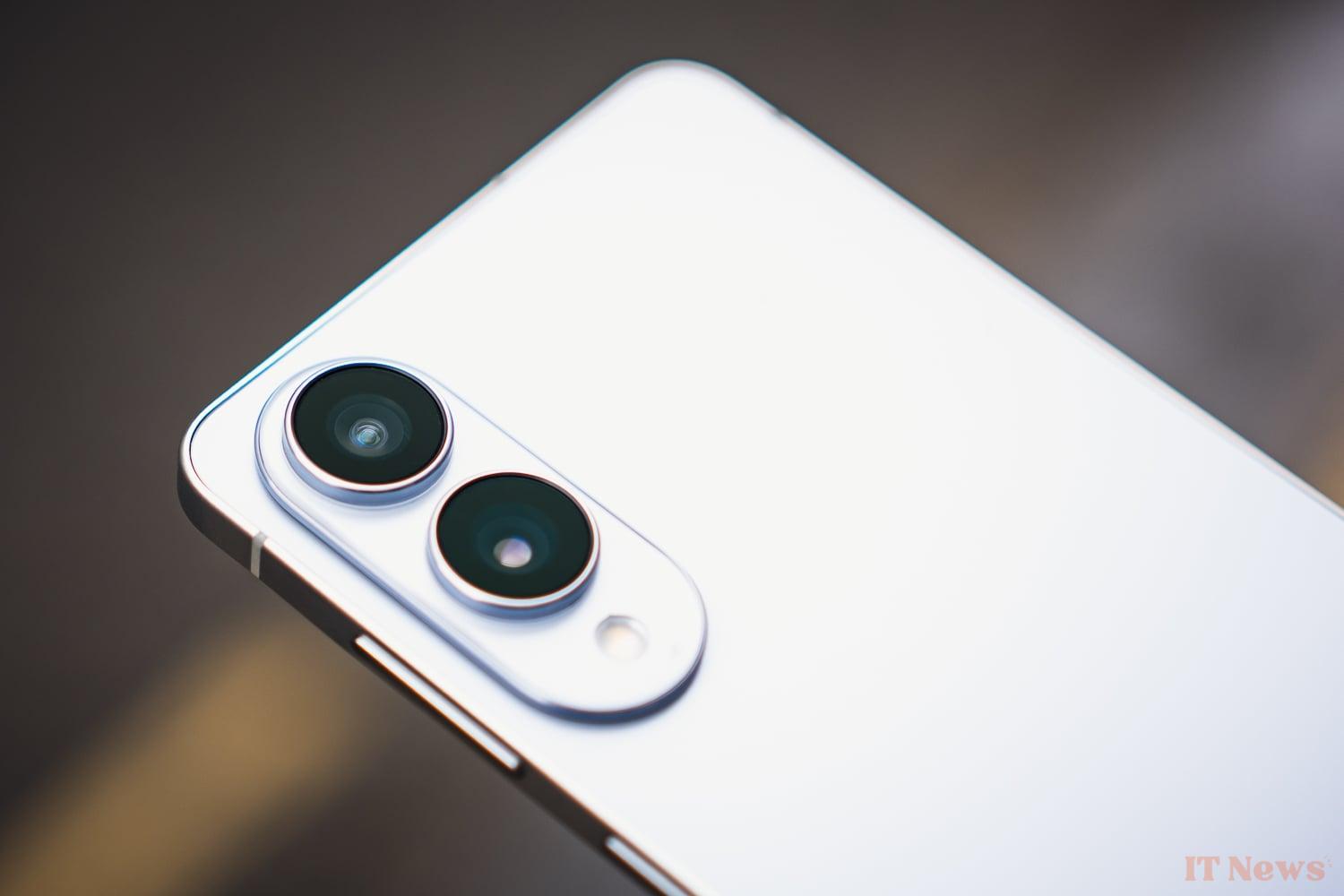
Photo scene
At 01net.com, in order to offer more comprehensive comparisons, we use a photo scene that we photograph under controlled conditions with each smartphone we test. Here is the comparison with the S25 Ultra and then the iPhone 16 Pro on their wide angle and ultra wide angle.
On our test model, we noticed a fairly significant flaw when compared to its big brother. If you focus on the banknote or the round crosshairs at the top and bottom right, you'll notice a much greater blurring effect.
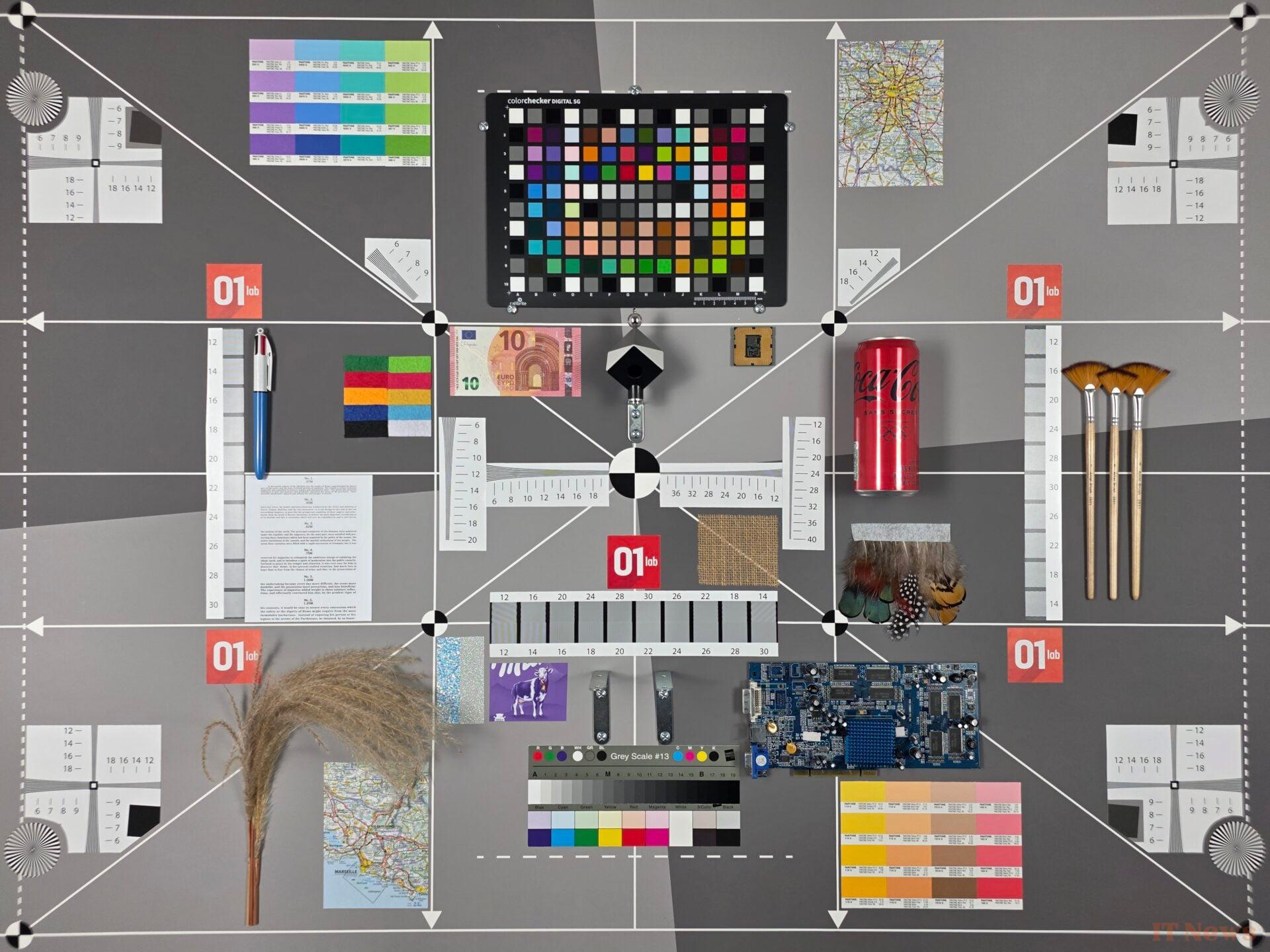
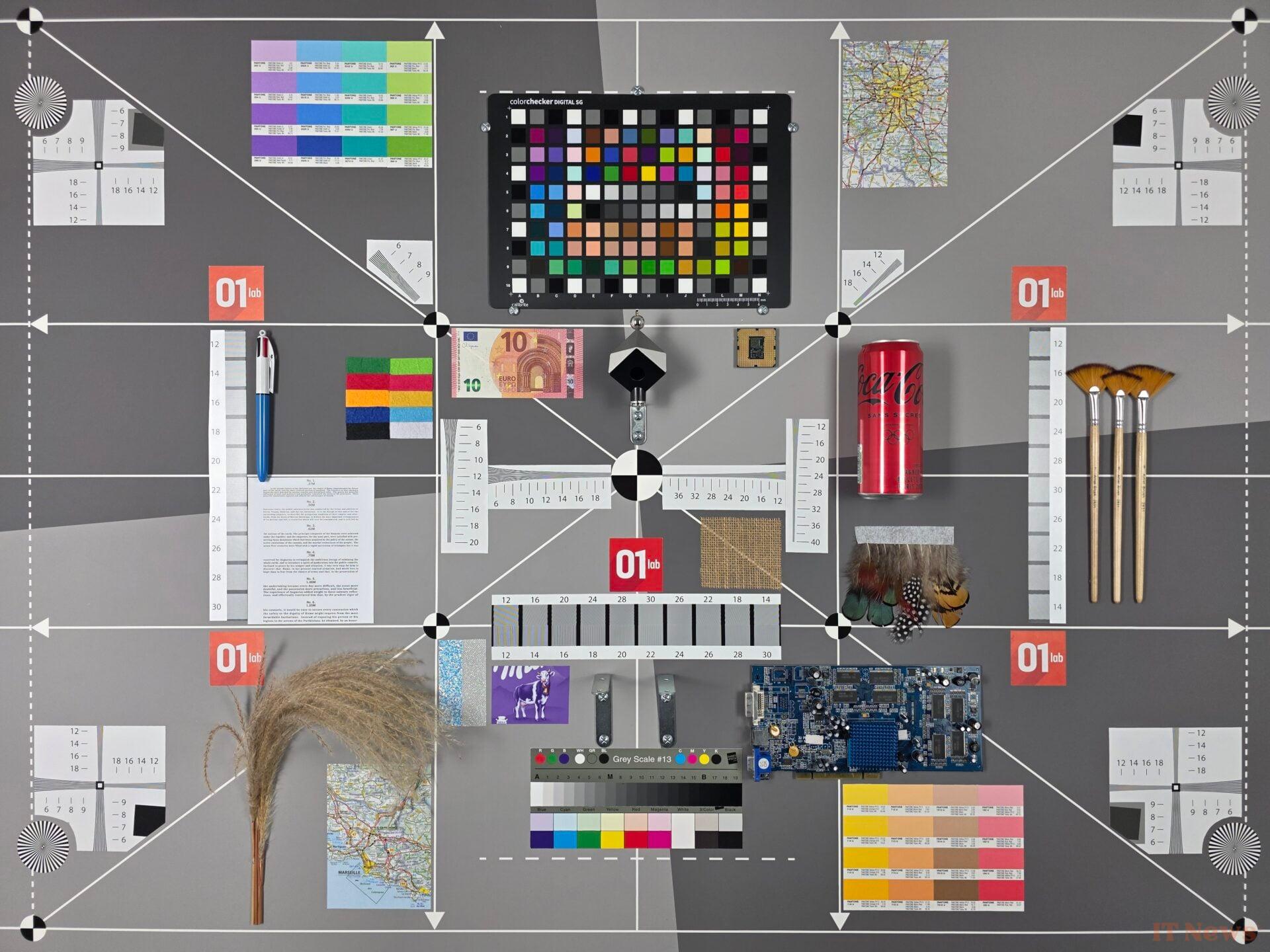
Left: S25 Edge, right: S25 Ultra.
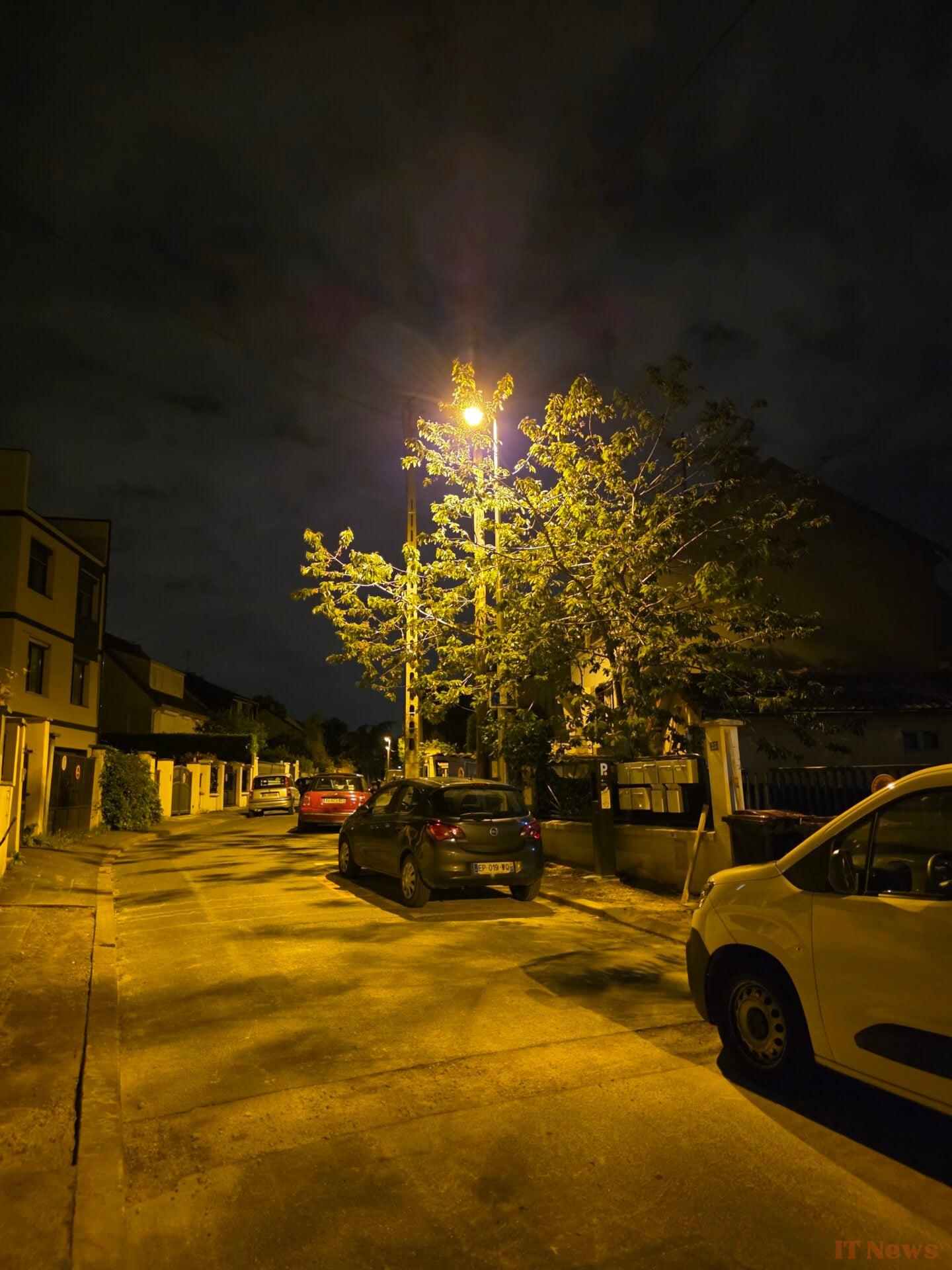
This one is found in the night scene. So it's a safe bet that this isn't just a software or algorithmic problem, but an optical one.
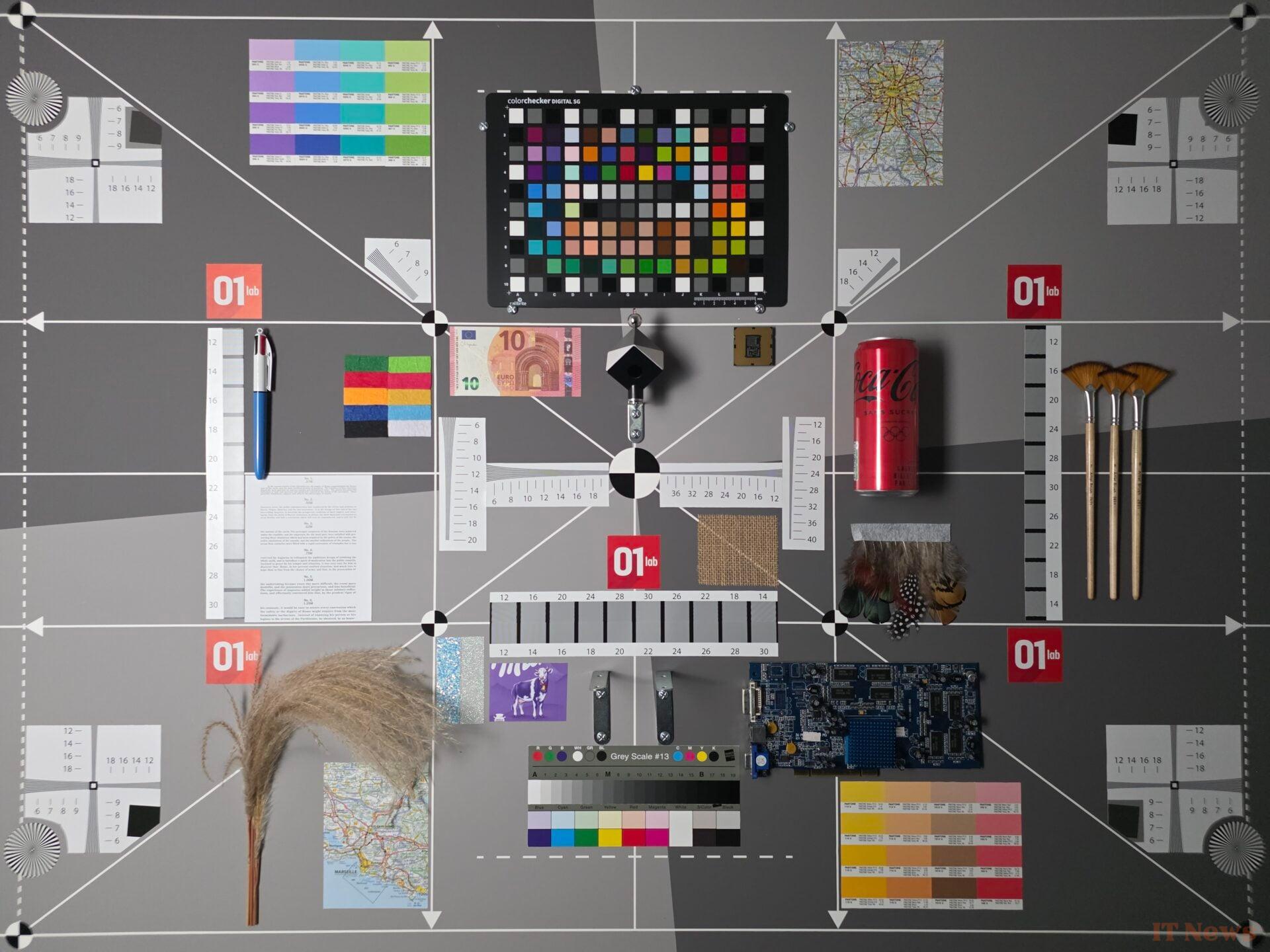
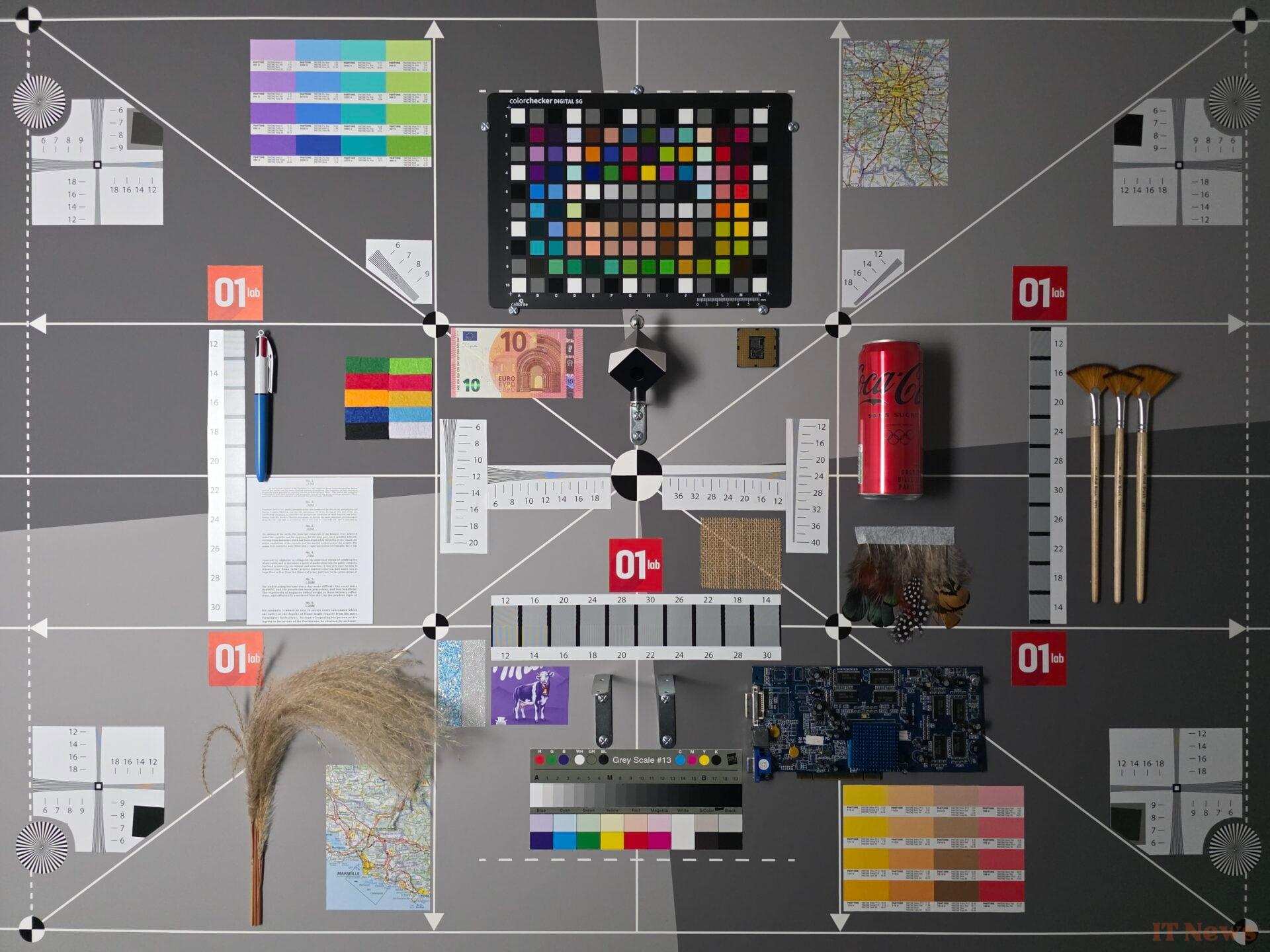
On the left, the S25 Edge, on the right, the S25 Ultra.
Let's be clear, this issue, although present, is not obvious in real-life conditions. On the other hand, if it turns out to be the expected performance of the S25 Edge (let's not completely rule out the theory of a defect), two conclusions are necessary. Its sharpness is in fact less good than that of the Galaxy S25 Ultra, despite the same sensor. And it is therefore not recommended for image professionals.7
Let's move on to the ultra-wide angle. The performance is quite close to that of the Galaxy S25 Ultra, despite a sensor theoretically with fewer megapixels. We only notice a slight drop in the fineness of details on the 10-euro note. Other than that, performance and colorimetry are similar.
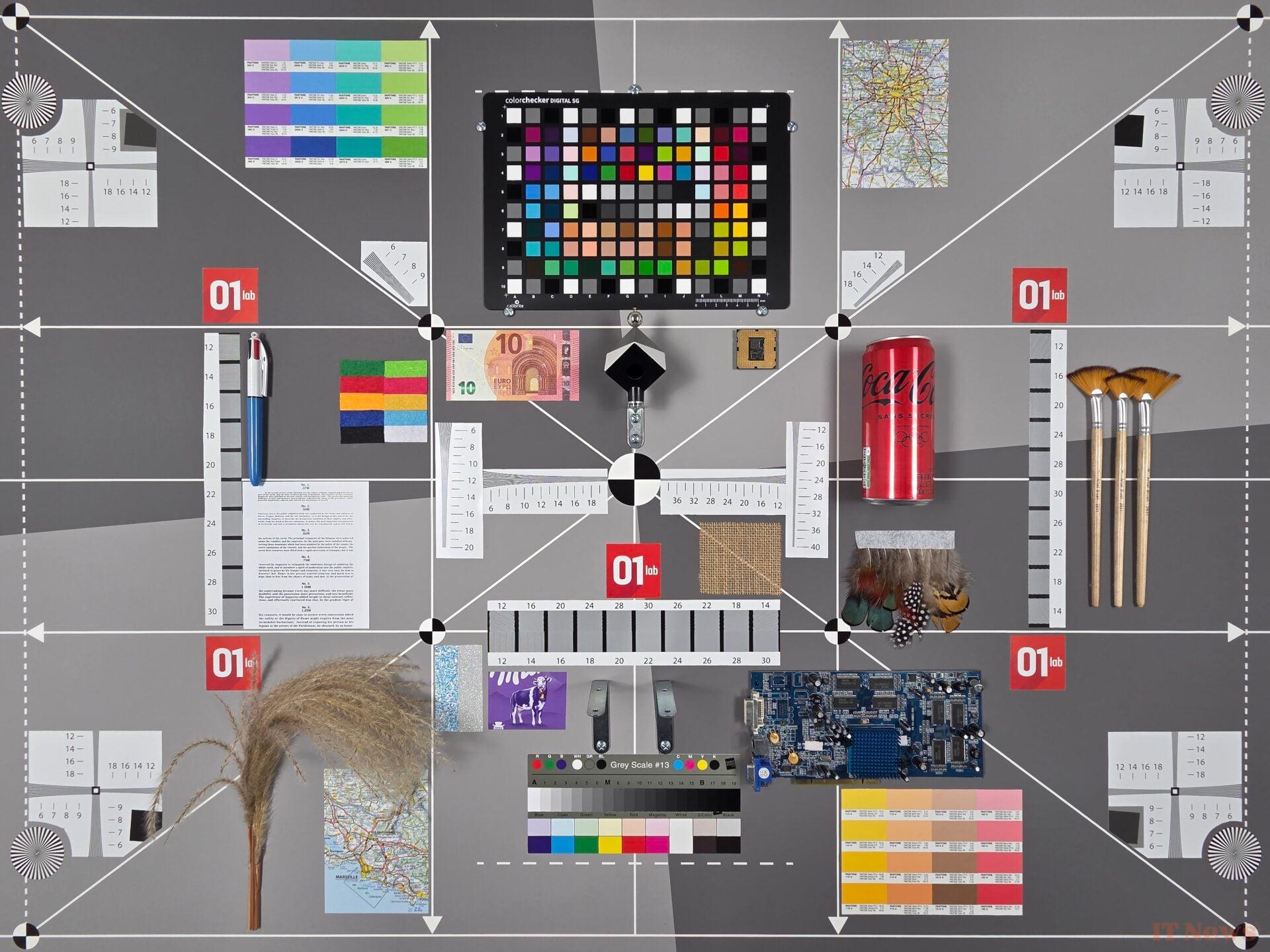
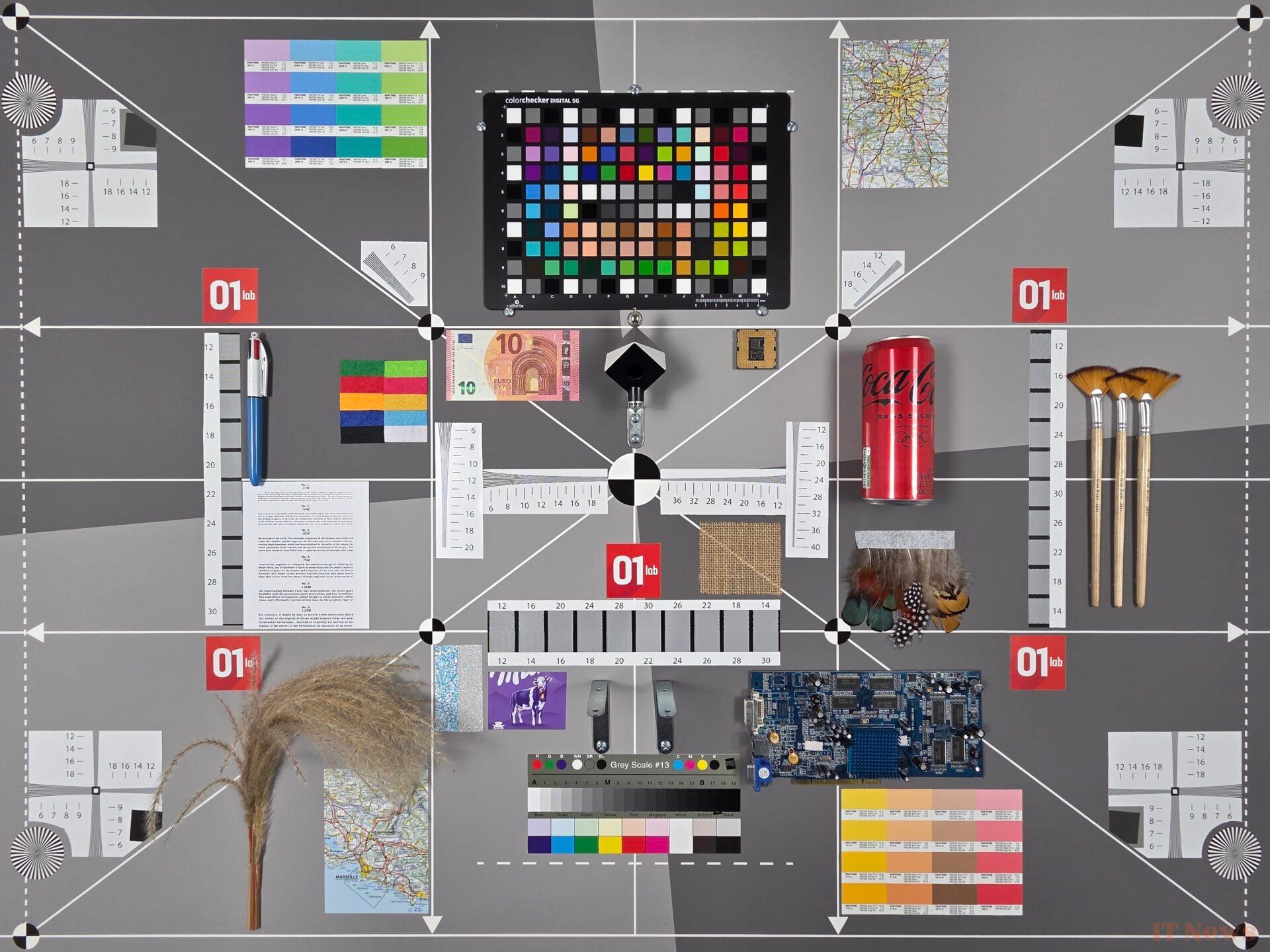
Left S25 Edge, right S25 Ultra.
Now let's move on to a comparison with another brand with the iPhone 16 Pro.
On the main module, the Galaxy S25 Edge seems clearly inferior to us. In addition to much more aggressive processing, the sharpness is much less controlled and the image immediately appears sharper on the iPhone side.
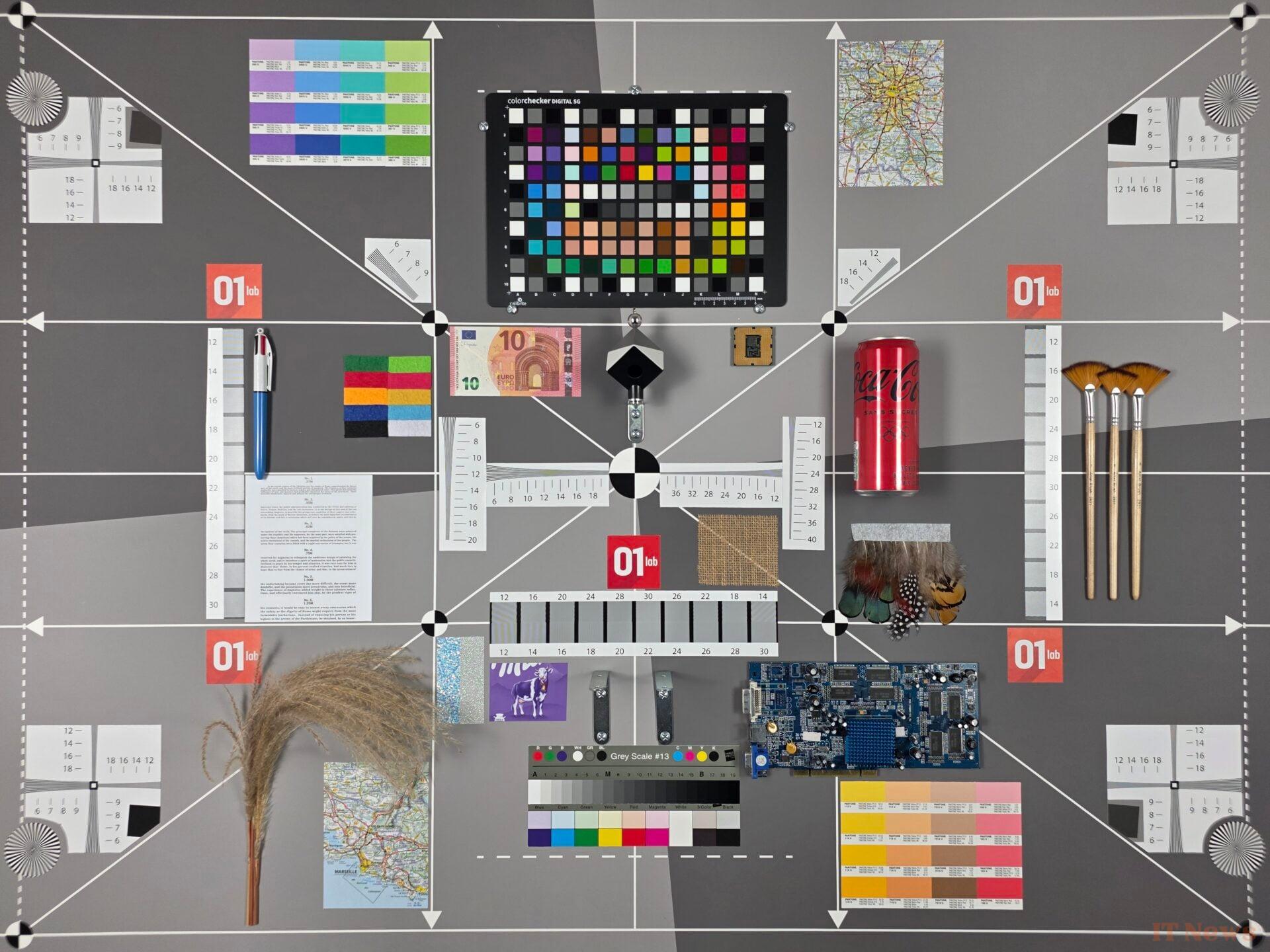
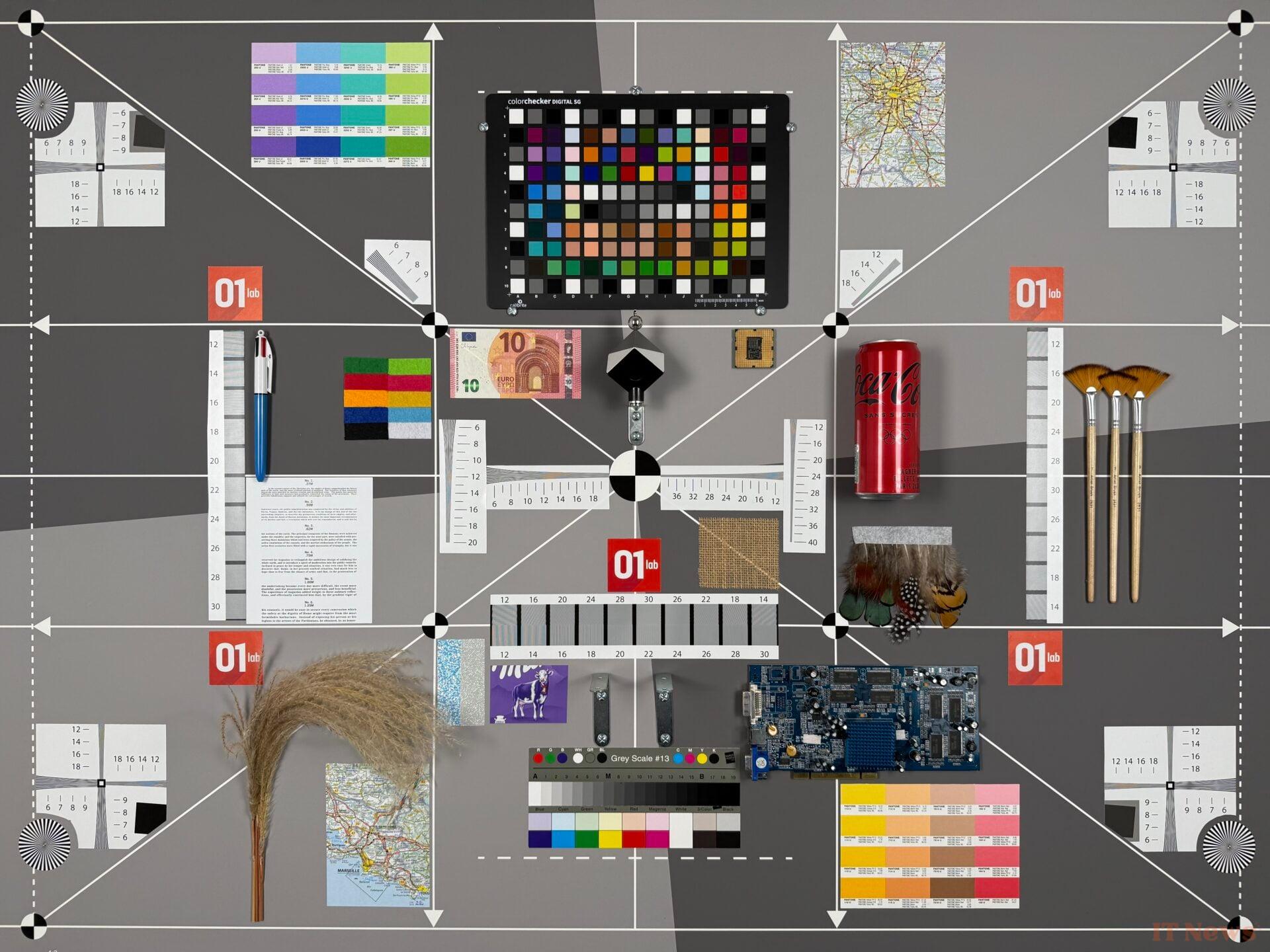
On the left S25 Edge, on the right iPhone 16 Pro.
On the other hand, on the ultra wide angle, the Galaxy S25 Edge somewhat regains points with a less noisy shot, which gives really white and not gray flat areas. Algorithmic processing is always more aggressive on the Samsung side.
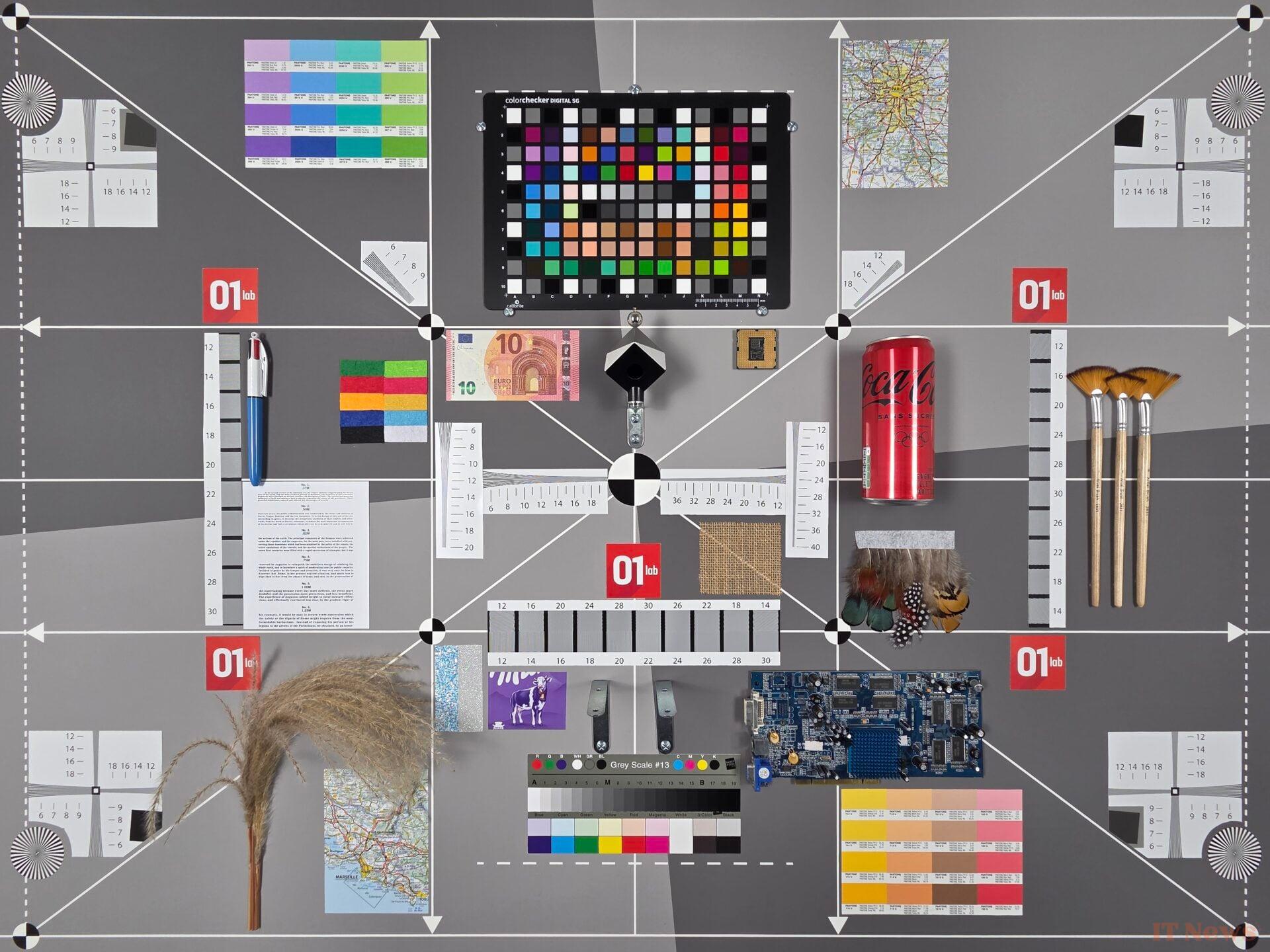
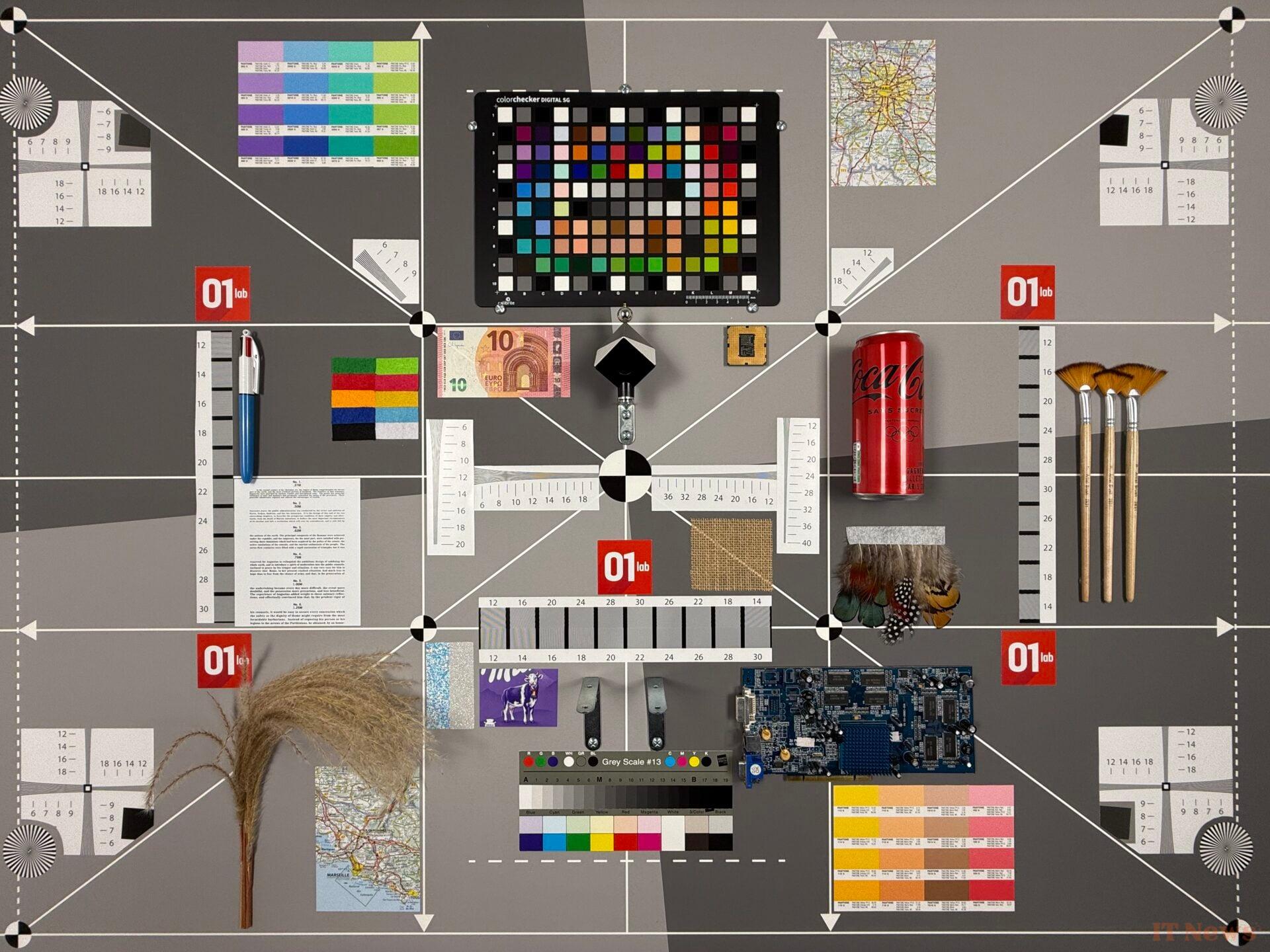
On the left S25 Edge, on the right iPhone 16 Pro.
Shots in real life
With the Galaxy With the S25 Edge, you'll find the classic Galaxy S25 experience with its wide and ultra-wide angles. Namely, fairly cool colors, good sharpness, and good dynamic range management. Without any retouching, the shots are immediately pleasing to the eye and easy to publish.

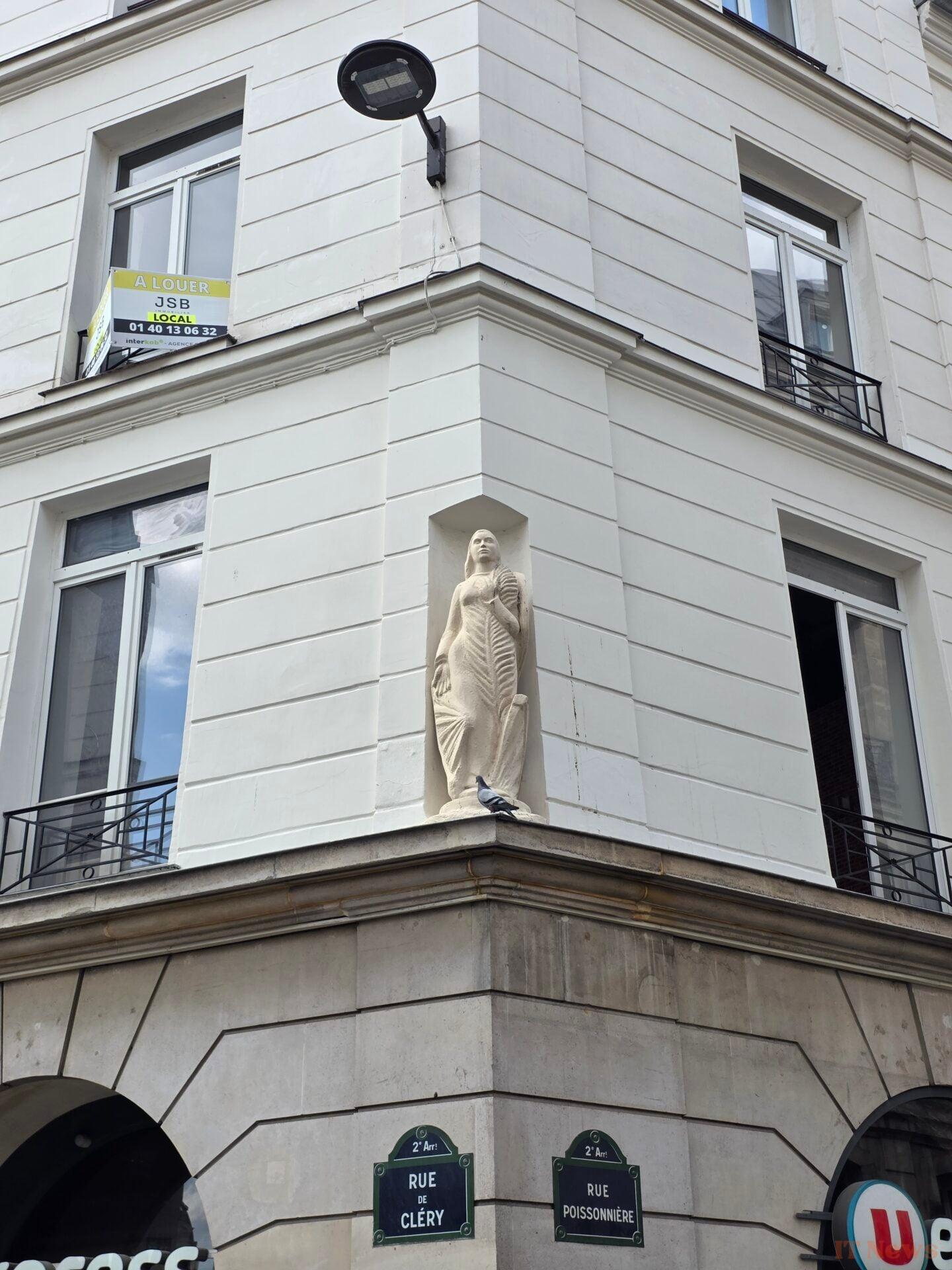





The telephoto lens is a bit lacking. If you want to get an idea of the X10, here it is compared to the S25 Ultra in the gallery below. You can see in particular on the statue that the features are much more accentuated, to try to make up for the lack of information. The sky also looks less natural.


Performance: Marcel's heating up
The Galaxy S25 Edge runs on one of the most powerful chips on the market, the Snapdragon 8 Elite. But to harness all that power, you need an efficient cooling system, a system that can take up a bit of space. This is therefore an even more pressing question on an ultra-thin phone.
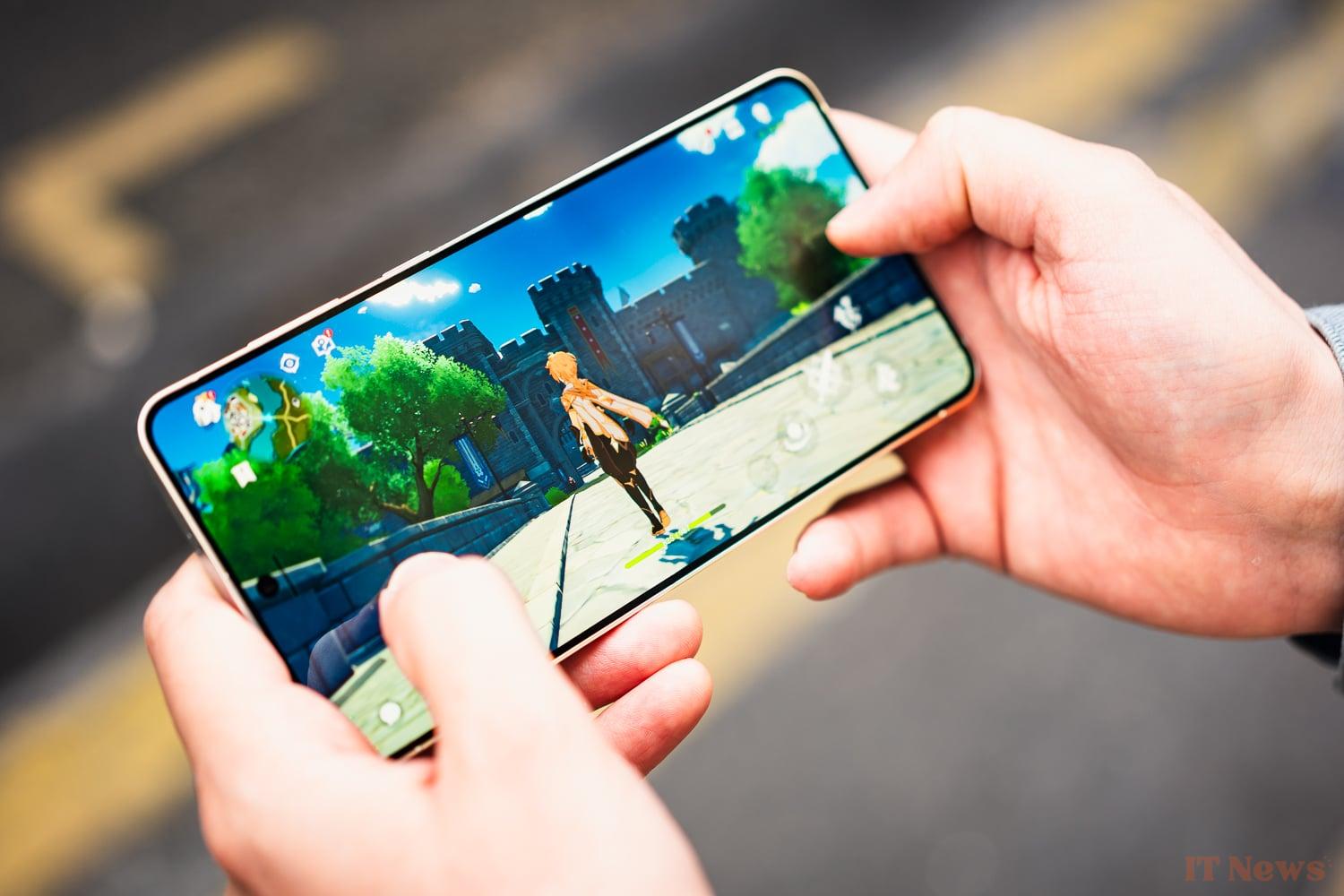
Before jumping into our performance tests, let's say this: on a daily basis, for mundane tasks, the S25 Edge offers the experience expected of a high-end phone. Fluidity is there and it doesn't heat up too much.
However, when we ask it to perform more demanding tasks, that's where things get a bit more complicated. Let's start with images of the back of the smartphone filmed by a thermal camera during the 3DMark stress test.
As you can see, the S25 Edge reaches a temperature of over 45°C. While smartphones have already exceeded 50°C in our tests, this is still a relatively high value.
Furthermore, this increase in temperature is accompanied by a significant drop in performance. As you can see in the screenshot below, maximum performance is maintained for less than a minute. Furthermore, after 15 minutes of testing, the smartphone is only deploying 60% of its maximum capacity. This is what is called throttling, which is a performance limitation to avoid damaging components.

It should be noted, however, that this is not particularly noticeable in a demanding game like Genshin Impact, even though it is set to its maximum graphics settings. The game runs flawlessly at 60 FPS without any visible drop in framerate. The smartphone heats up somewhat, especially on the screen, which isn't the most pleasant, but it's still manageable. In addition, the manufacturer has integrated the option to pause charging when the smartphone is plugged in, so that the USB-C cable directly powers the system. This helps limit heating.
We also notice on Geekbench 6 that the performance is not far from a Galaxy S25 Plus. In single-core, according to our test, the phone is slightly behind its big brother. However, it makes up for it on the GPU part where it even beats a OnePlus 13.
On GFX Bench, which measures graphics performance, it lags slightly behind its competitors. However, it's not far behind the high-end Oppo Find X8 Pro smartphone.
On GFX Bench, we find the famous throttling we mentioned above. As you can see, the stability score is very poor, even though we have a thermal amplitude above what competitors offer, with lower maximum performance.
Battery: the equivalent of smallest of the Galaxy S25
The other concern surrounding ultra-thin smartphones is their battery life. With its small 3900mAh battery, the Galaxy S25 Edge is actually just above the Galaxy S25, a small and compact smartphone.
Tested by 01lab using its mixed battery life protocol, the smartphone is exactly 6 minutes behind the Galaxy S25. Given its battery capacity and the heating constraints mentioned above, this is a rather decent result. Based on our usage, you can easily count on this phone to last the day, provided you don't accumulate too much screen time (4 to 5 hours should be possible without breaking a sweat).

On the other hand, we are far from excellent battery life. The S25 Edge is far from the 19h3min of the S25 Plus, and let's not talk about a OnePlus 13 which totals 21h 10min of continuous use.
For its charging, it also copies the smaller S25 and supports 25W at maximum. It takes 1h27min to fully charge and reaches 18% battery life after 10 minutes of charging. A fairly mediocre result, far from what the 100W charger of a OnePlus 13 can offer, for example, which takes 39 minutes to fill up.
Audio: Honorable Mention
We may be in the era of wireless earphones, but sometimes listening to music or watching a video without anything on your ears can be pleasant. But then, how does such a thin smartphone manage to produce decent sound?
The Galaxy S25 Edge has two speakers. In a fairly traditional way, the one located on the bottom edge is the main speaker, while the second, wedged between the screen and the top edge, is more of a backup speaker. Nevertheless, the manufacturer does a good job of balancing the two.
Despite its slimness, the smartphone produces a fairly high volume, slightly above a conversation while speaking loudly. The mix manages to bring in some bass, even if it emphasizes the mids and higher tones more. In any case, it's very decent. The sound isn't too distorted and remains clear throughout the volume curve.


0 Comments