
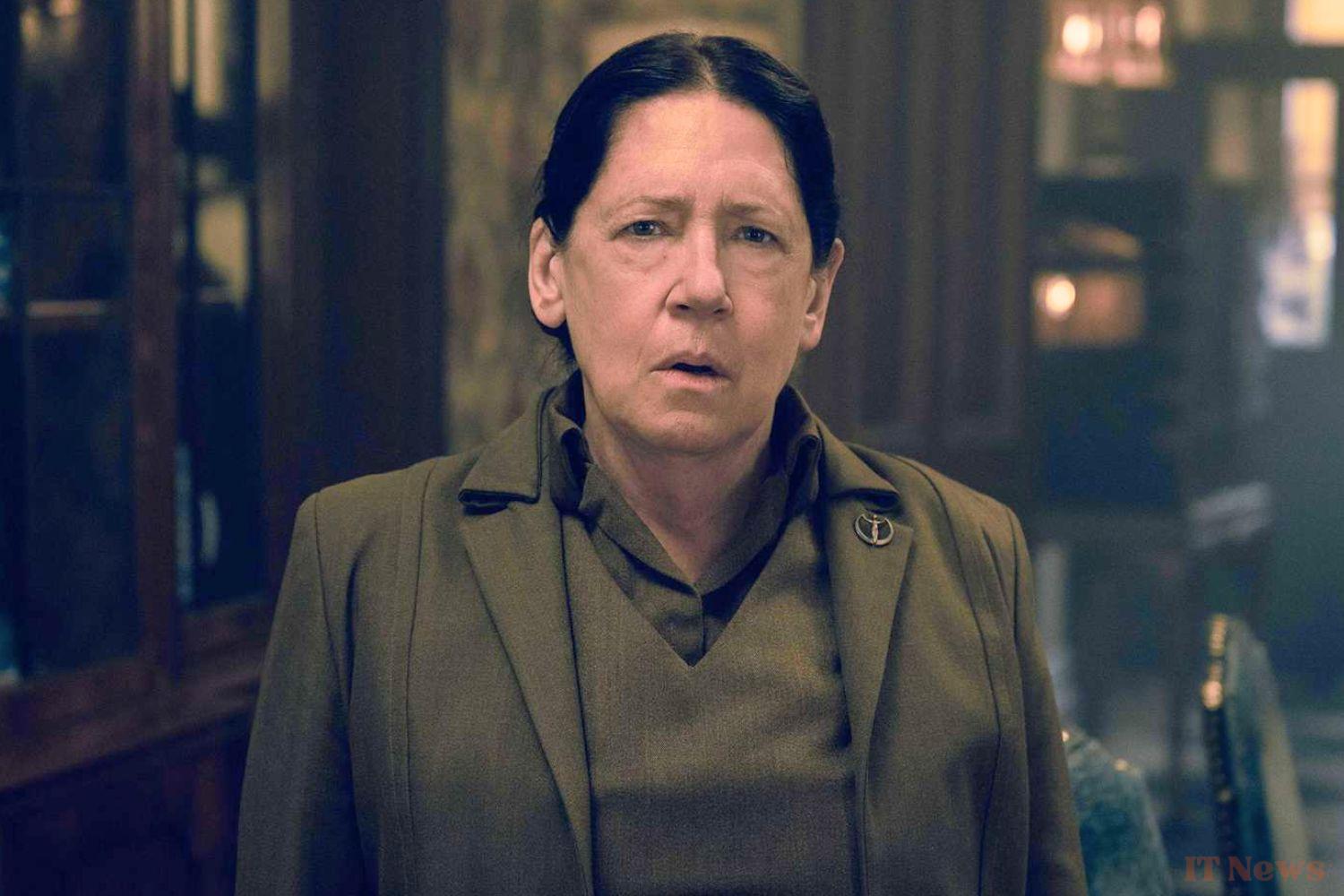
As The Handmaid’s Tale prepares to bow out on our screens, the adventures of June Osborne are still far from having said their last word. The original HBO production has largely moved away from the source material, but it is preparing to return to its roots, with the confirmed adaptation of The Testaments, the sequel to the original novel published in 2019. A breathtaking epilogue, which follows the intertwined destinies of three women in their fight against the dictatorship of Gilead. A novel that masterfully illuminates, deconstructs, and concludes the dystopian universe.
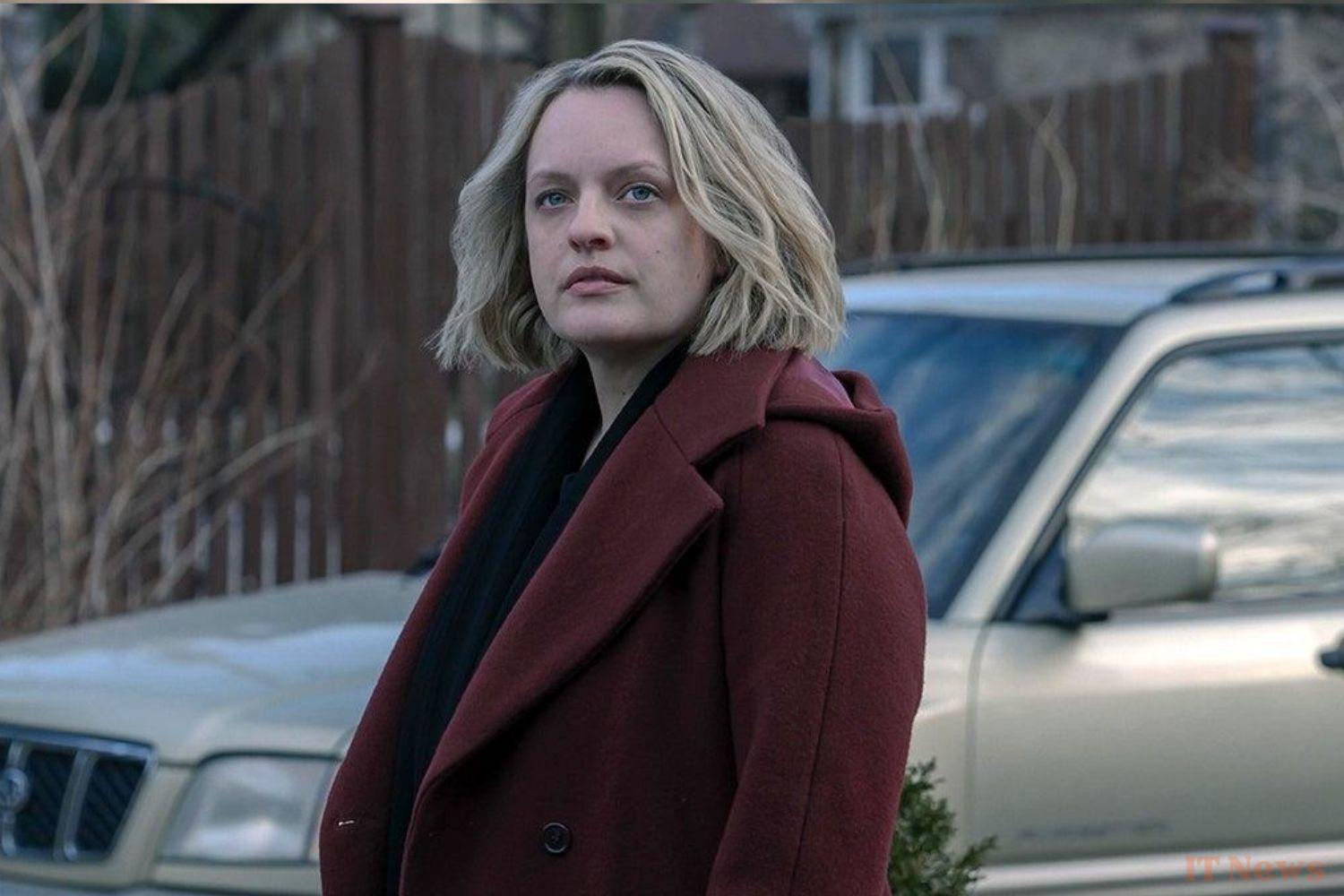
The Testaments, what's it about?
This is the direct sequel to The Handmaid’s Tale, which takes place fifteen years after the end of the first novel. Margaret Atwood explores the fall of Gilead through three female characters: the formidable Aunt Lydia, Agnes, a young girl raised in the pure Gileadan tradition, and Daisy, a Canadian teenager whose life is turned upside down when she discovers her true origins. Winner of the Booker Prize, the novel stands out as a feminist epic about inheritance and the quest for freedom. It's powerful, it's beautiful, and above all, it's surprisingly optimistic, in a world that has accustomed us to fatalism.

Three iconic characters
The main characters of The Testaments will be well known to readers and viewers alike. It will indeed be a question of finding Aunt Lydia, both executioner and victim of the system. By becoming one of the first aunts, guarantors of the patriarchal order during the establishment of Gilead, we realize that behind her displayed loyalty, Lydia harbors a deep hatred for the regime, becoming a mole in the service of the Mayday resistance. Her testimony, recorded in the mysterious “Ardua Hall Holograph”, reveals the behind-the-scenes power and the complexity of the collective guilt that drives the Aunts.
The book will also follow Agnes Jemima, Commander’s daughter, who grows up in the comfort of the elite, but gradually discovers the violence and hypocrisy of the system. Promised into an arranged marriage, her journey highlights the condition of young girls in Gilead, between indoctrination and a thirst for emancipation. As you might have guessed, the character will quickly understand her affiliation with June Osborne: her real name isn't Agnes but Hannah, and the young woman has revolution in her blood.
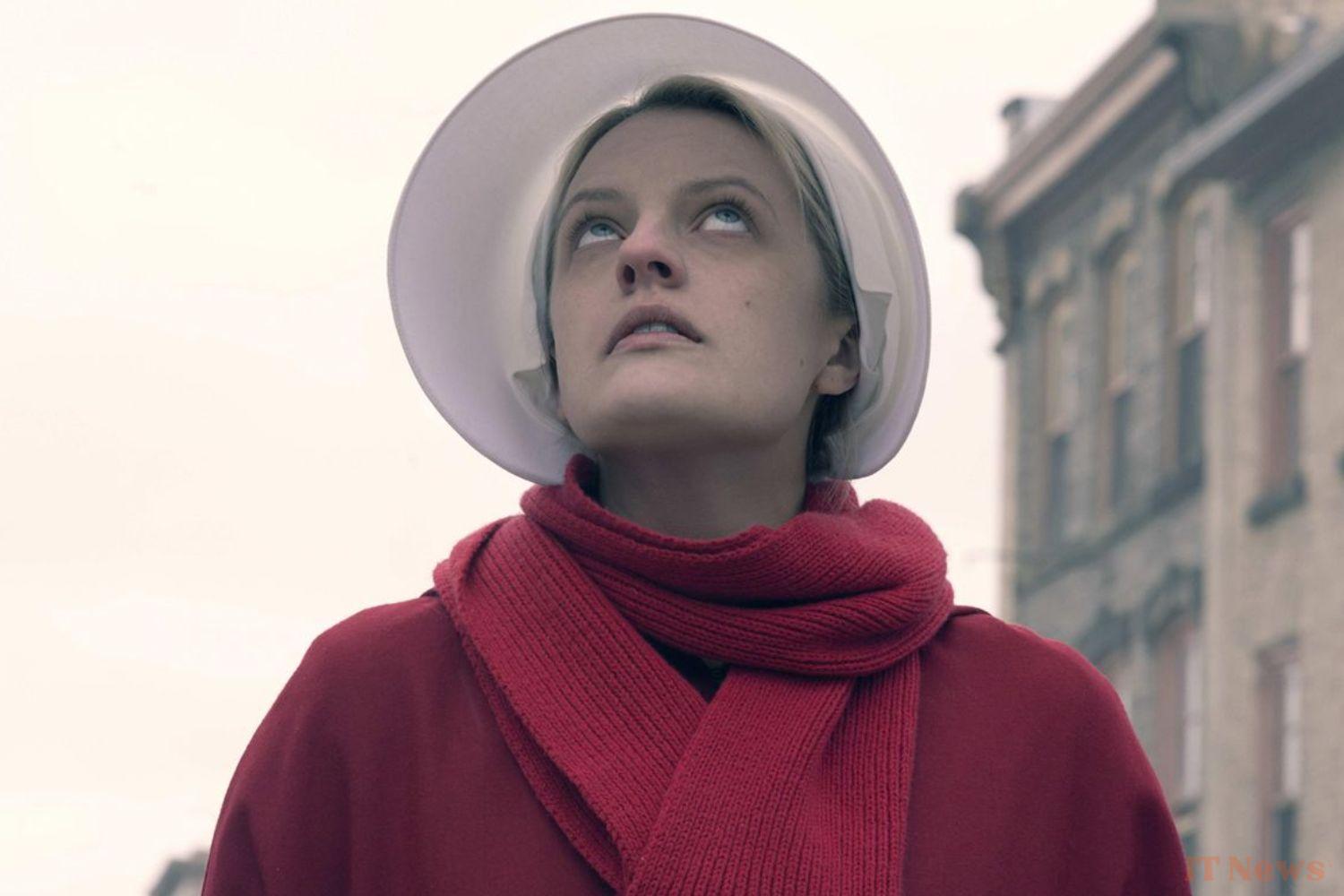
The last figure highlighted in The Testaments: Daisy. This Canadian teenager knows nothing about her origins, until the day her adoptive parents are murdered by agents of Gilead. She learns that her real name is Nichole, and that when she was just a baby, she became the child symbol of the resistance, smuggled out of Gilead. Recruited by Mayday, she infiltrates the regime via the Pearls, recruiters tasked with luring foreign women to Gilead with the promise of a better life.
Are there any changes coming?
The Testaments is not just the sequel to a cult novel: it is a reflection on transmission, memory, and the ability of women to unite to overthrow oppression. Atwood questions the notion of guilt: if men created Gilead, some women contributed to its survival, sometimes to survive, sometimes out of conviction. Driven by the same fight, with divergent motivations, the heroines' commitment ultimately leads to the fall of Gilead and the restoration of democracy. A masterful finale for the world of The Handmaid's Tale.
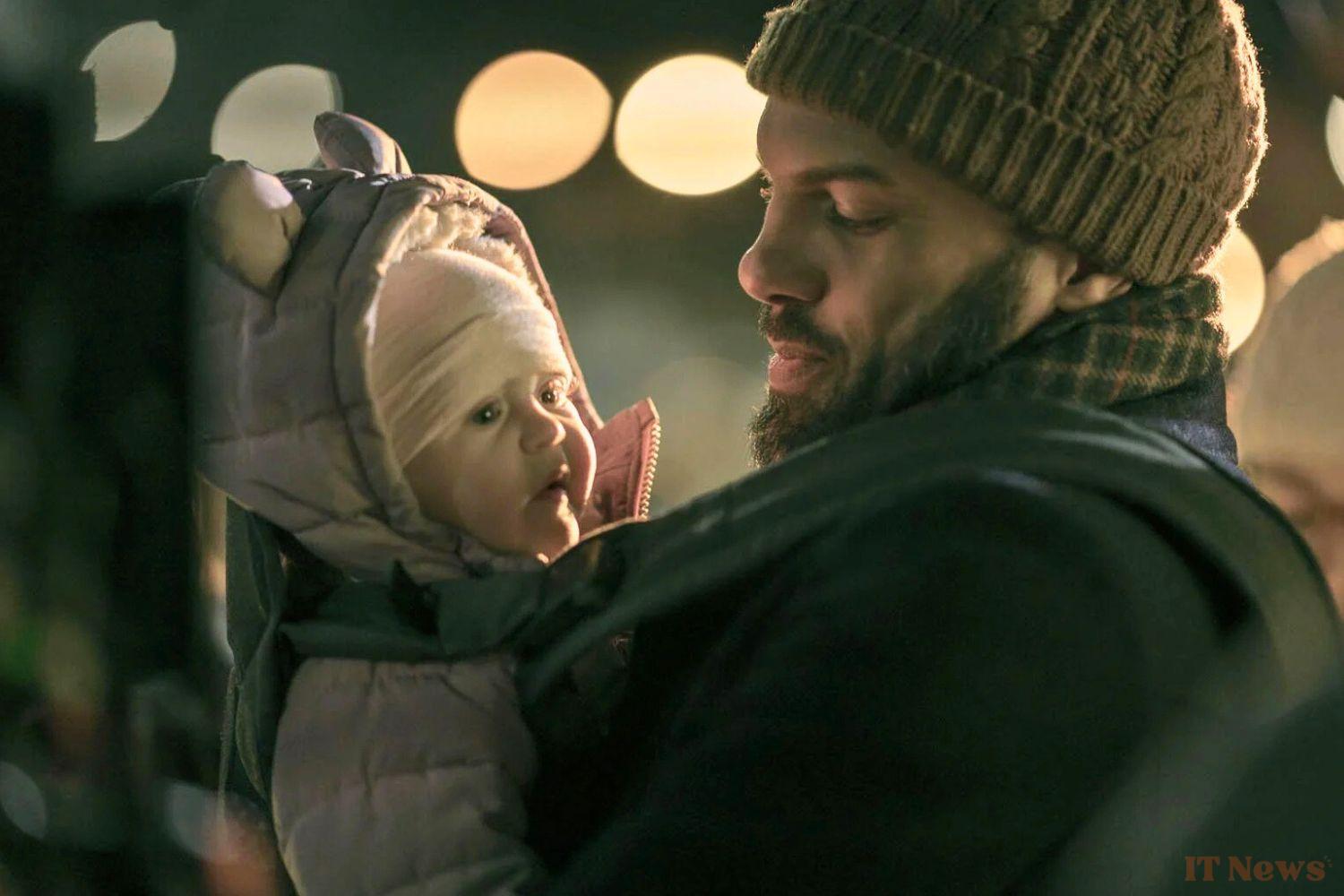
The fact remains that the HBO series has taken a number of liberties with its original material, and it will undoubtedly be difficult to faithfully adapt all the events described in the second book. However, we can expect the series to be lenient with the three characters in question, at least until the end of season 6. Regarding June, however, we must expect the series to end badly.


0 Comments