
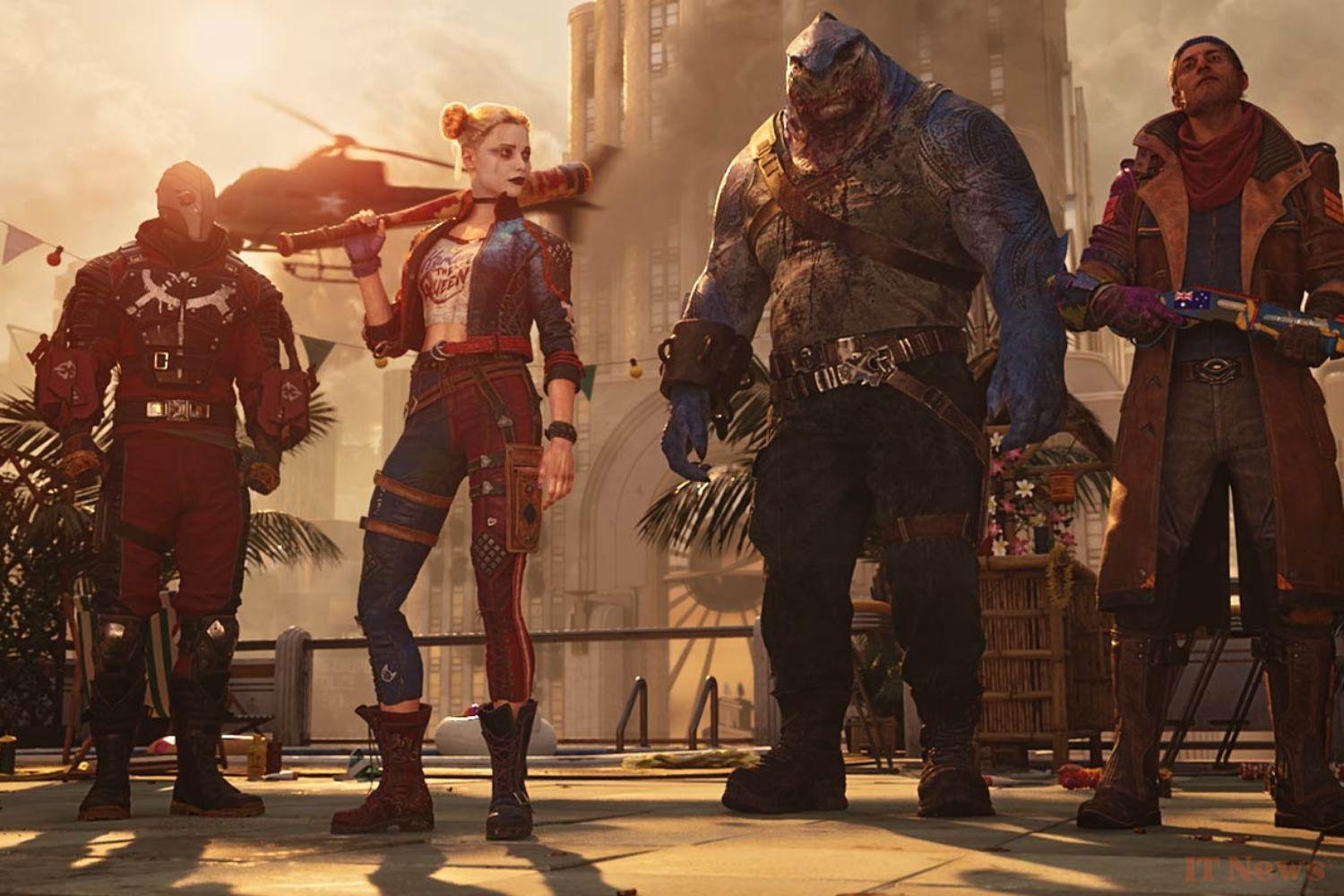
Released a few days ago, the adventure title that all fans were waiting for quickly turned into a Call of Duty-style service game, from which players did not automatically come away impressed. Critics agreed to condemn it, accusing it of charging full price for an experience focused on consumption and repetition, in addition to having a completely superficial narrative.
It is true that Suicide Squad is not without its flaws, although players have been more lenient than professionals about it. However, on paper, Suicide Squad: Kill the Justice League had everything going for it. Charismatic heroes, a concept that reverses the roles in the DC universe and an electric aesthetic. In the superhero game market, Rocksteady's new opus aims to be intrinsically original. No more smooth-talking heroes who save the lives of innocents and the world from extinction.
The suicide squad is made up of selfish criminals, kidnapped by ARGUS to challenge an even more terrible villain. The events take place a few years after those of the Batman: Arkham franchise, developed by the same studio. From then on, the confusion begins. If many players expected to find the same atmosphere, the same gameplay, transposed into the universe of the suicide squad, they were inevitably disappointed... but not by everything.
A double-speed experience
From our point of view, the studio has completely detached itself from this period, absolutely wonderful certainly, but very formatted as a superhero game. Batman: Arkham has been able to mark its genre and its time with exceptional titles in terms of narration, but also in terms of innovation in their mechanics. It's time to move on, though. Suicide Squad: Kill The Justice League updates everything, for better or for worse.
The search for originality has sometimes pushed the studio to reinvent things that didn't need to be. This is the case for certain combat mechanics that are too complex to be retained or even used in part. The game also suffers from a jerky pace, interrupted by funny, but long, slow, and sometimes action-free cutscenes. The same goes for gameplay with untimely loading screens every time you change view in the game. However, there are only a few purely technical errors, which is rare for a title that has been pushed back so many times by its studio.
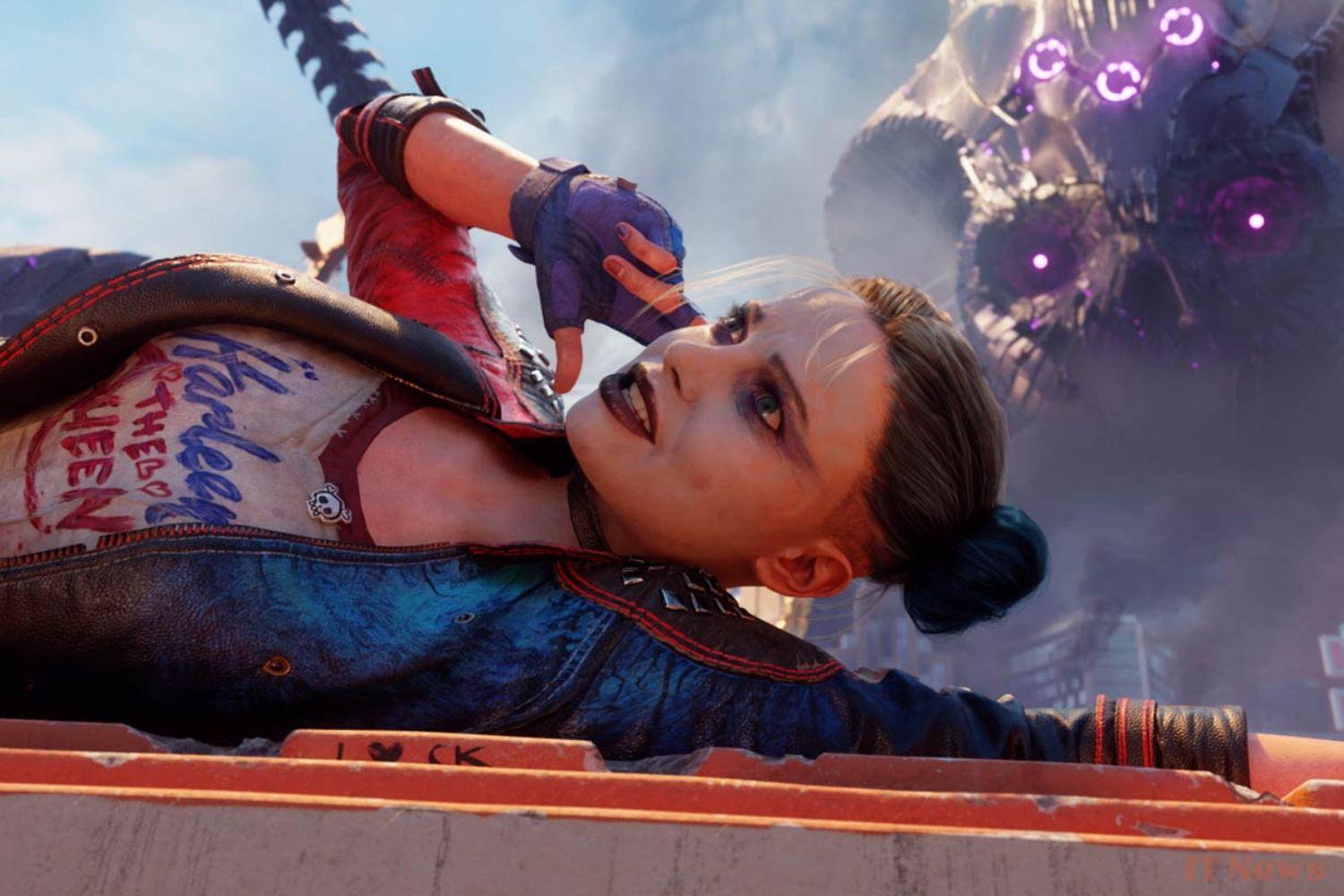
The playable characters are pleasantly diverse, but one stands out from the crowd for its lack of interest. The only protagonist who is left out of the group dynamic is Harley Quinn. The criminal pales in comparison to the character of her colleagues, and her character is the most complicated to handle, in addition to not being very interesting in terms of innovation. Even in terms of sensations, she is not really pleasant to handle. It's a shame when you see her aura in the movies or in comics. But it is precisely a great opportunity to be able to test the other characters who are very satisfying.
Missions and points
A good portion of players criticize the title for having an aspect that is too focused on live service. It is true that Suicide Squad: Kill The Justice League will not be played like the predecessors of the Batman: Arkham series. The background story supports a much more dynamic gameplay, which highlights the players' scores for each successful mission, with loot classified by rarity and a lot of customizable cosmetic items. The title obviously has an in-game store that allows you to buy DLC using credits, and therefore, by extension, real money.
While others see it as a cold shower, we see it as an opportunity to free ourselves from certain codes related to superheroes. In itself, there is nothing serious about offering mechanics that are close to service games and charging full price if the fun is there. On this side, the contract seems to be fulfilled despite some flaws. The division into missions can indeed be repetitive in the long term, but the game manages to alternate well between mandatory quests and those that are there to make us gain experience. In terms of sensation, the game largely makes up for its poor rating.

What we remember from this multiplayer adventure are ultimately the good laughs, the super fun gameplay to get to grips with, and the visual culmination that allows immersion in a universe that we don't necessarily adhere to at first. The one that can really change everything is cooperation. Is it enough to forgive disappointment?
What if cooperation could save everything?
The basic premise of Suicide Squad: Kill The Justice League is based on the plurality of playable characters. Deadshot, King Shark, Harley Quinn and Boomerang have very different personalities and abilities. In solo, the player can switch from one character to another in order to experience four distinct gameplays while following the same story. Controller in hand, the feelings are explosive and we love its complete compatibility with the PS5 controller.
Thanks to its cooperation mode, Suicide Squad: Kill The Justice League manages to rise to the rank of a fun game, to be played with friends especially if you like dark and offbeat humor. Anecdotal in solo configuration, the change of character takes on its full meaning in this mode. You can invite up to 3 of your friends to play as each member of the team.
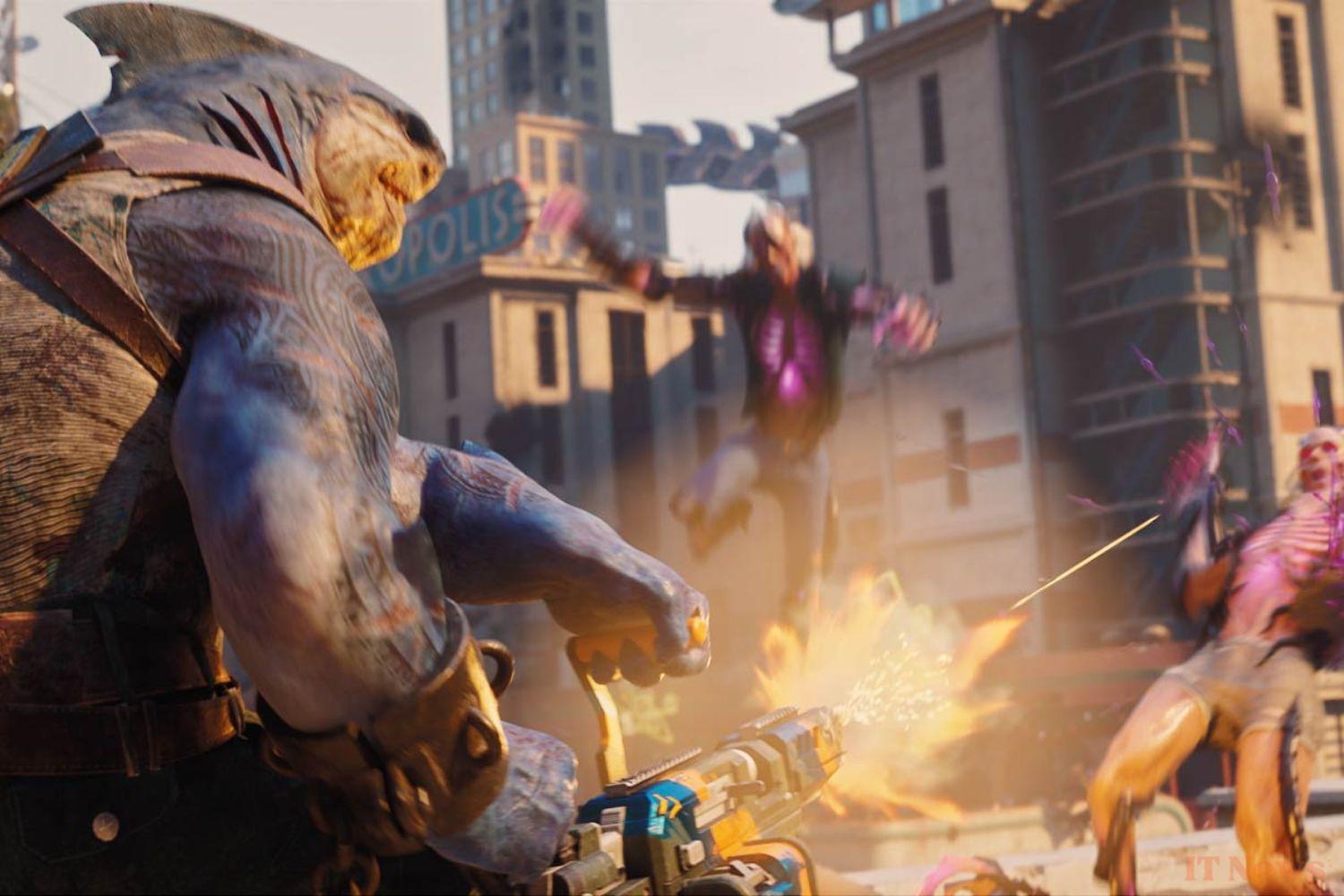
Everyone is then free to move around in the open world. Mission suggestions from all members are taken into account and players even have personal objectives. The interaction between characters in cutscenes or in games is really worth the time spent on the game and the bad scores you get. Once again, not everything is perfect, but the experience is worth living with good friends who will know how to take advantage of the universe.
Over the life of the game, we hope that the type of mission will vary, that new characters just as fun as the others will be offered to us and that Metropolis will continue to expand. In any case, we see a lot of potential in Suicide Squad: Kill The Justice League once we get over the disappointment created by our own projections on what the game could have been. It is not intended to dethrone a Batman: Arkham but is part of a new category of hybrid games, between adventure and service, already initiated by others before it and in which it really does not do badly.


0 Comments