
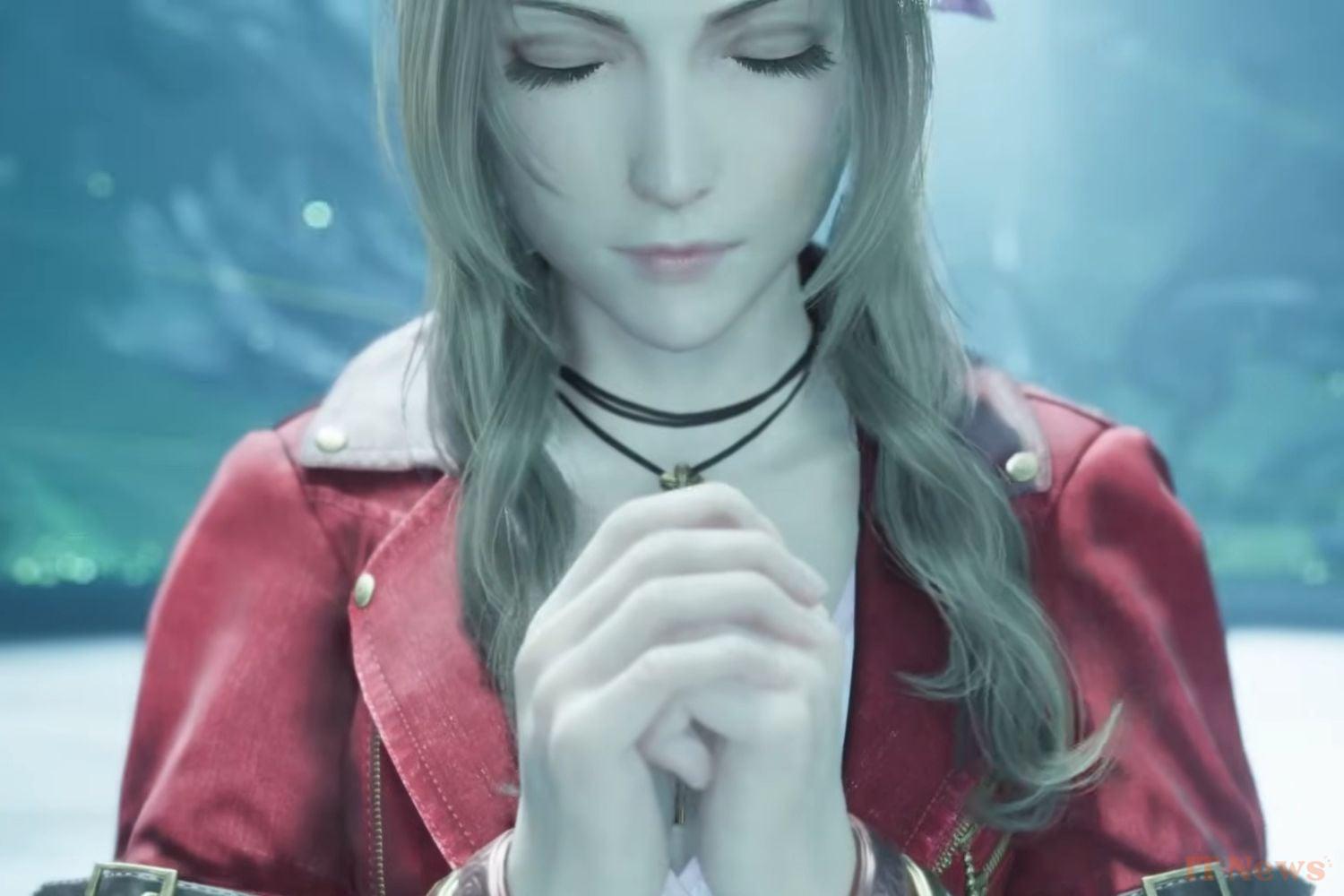
February is about to see one of the biggest video game releases of 2024, if not of the last few years. After starting an ambitious remake of its most cult RPG in 2020, Square Enix is finally getting ready to release the sequel to this adventure. Originally released on PlayStation in 1997, the epic tale of Cloud, Tifa, Aerith, Barrett and the whole gang is now taking a new turn with a modern and updated version. Cut into a trilogy, this reinvention of Final Fantasy VII applies the definition of a remake to the letter.
Graphics, gameplay and even the story have been reworked in their smallest aspects and result in an experience that is, to say the least, unique. Between fidelity and novelty, the first part of this video game triptych did not fail to surprise fans. By placing the fate of the heroes at the heart of the storyline, who now knows what will happen next. Freed from the chains of Midgar and the original game, Final Fantasy VII Rebirth promises an even more immersive and memorable experience than its predecessor. Ahead of the launch scheduled for February 29, we were able to take part in the first two chapters of the adventure in an exclusive demo version.
Right after the State of Play broadcast tonight, players will be able to download a public demo to discover part of Chapter 1, retracing the events of Nibelheim from a new angle. While it's still too early to judge the attention paid to the new narrative with this simple preview, the different gameplay sequences have proven to be particularly satisfying, in line with Remake.
The importance of familiarity
Four years after the first opus, a few minutes of play are enough to get back into good habits as FFVII Rebirth strives to repeat the formula established previously. With almost identical controls and physics that are similar in every way, the game's sensations are instantly familiar, both in movement and in combat. The return of this identity specific to the Remake episode promotes continuity between the two opuses. Square Enix demonstrates a particular mastery in making us forget the notion of a sequel for this new episode. Final Fantasy VII Rebirth is not a new game in the strict sense: it is a single title divided into several parts.
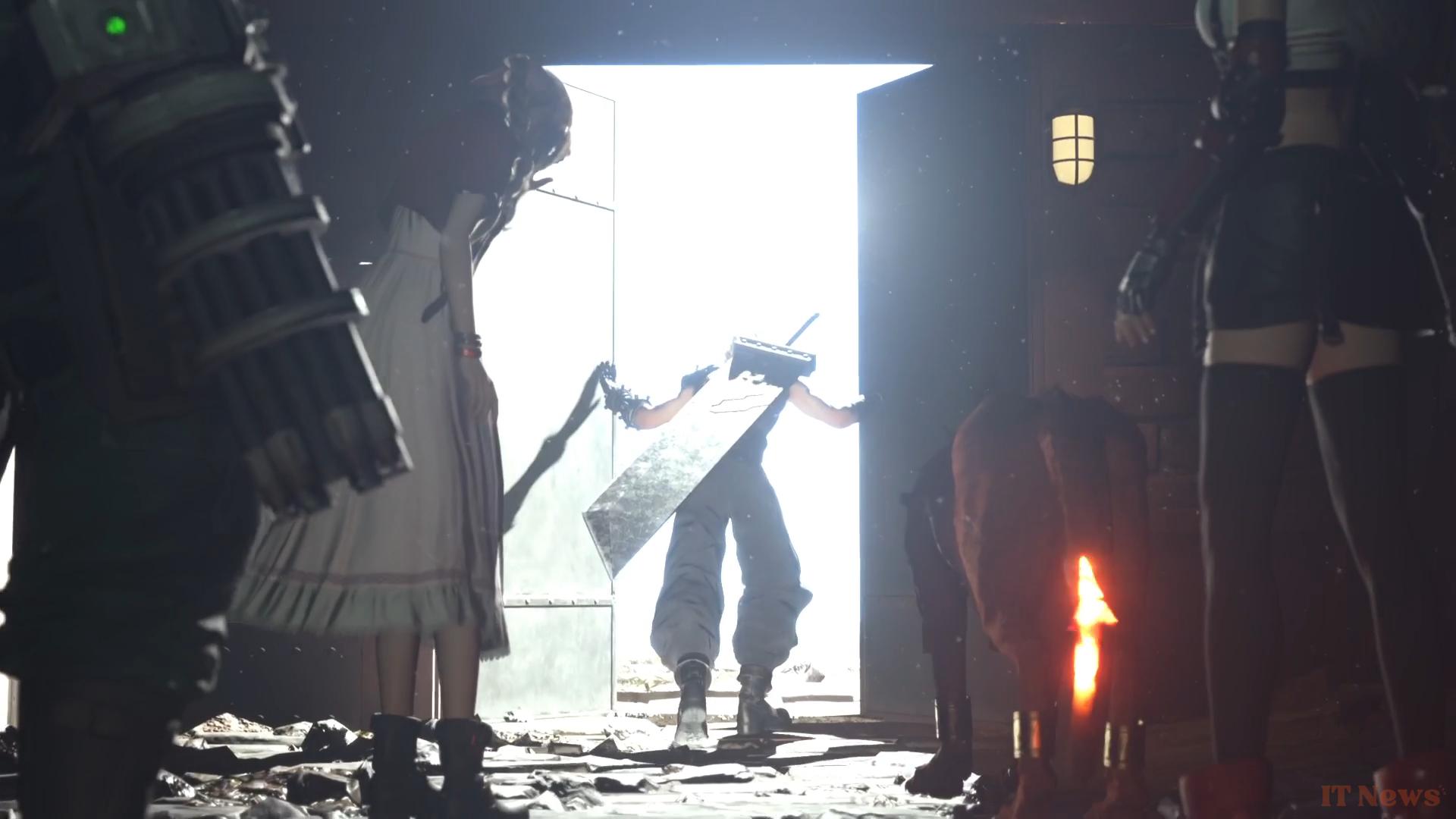
During a flashback to Nibelheim – which players of the spin-off Crisis Core will undoubtedly recognize – the game uses Cloud and Tifa's memories to restore control of the gameplay. This is when we take pleasure in rediscovering the refined combat system of FFVII Remake, this time accompanied by a few welcome adjustments. The characters' special skills – activated with the triangle button – have been updated to adapt to the larger spaces. The world outside of Midgar is vast, offering an ever-wider playing field during clashes. Thus, Cloud's improved attacks via Soldier's Valor are now capable of cutting through large groups of enemies. These simple gameplay revisions are also accompanied by more obvious additions, to be discovered in more detail as soon as the adventure opens in Chapter 2.
The few flaws fixed
While you'll have to wait until February 29 to enjoy the biggest new features of Rebirth with us, this preview has allowed to grasp the scale of this new part of the adventure. After launching its scenario in a rather linear format due to the limitations of the city of Midgar, the remake of Final Fantasy VII can now spread its wings. The first opus allowed the developers to establish excellent foundations while offering enough room to meet the expectations of the players, formulated between the release of the two parts. Now that the heroes' journey is entering its most open section, Square Enix has taken care to correct as many details as possible so as not to leave anything to chance.
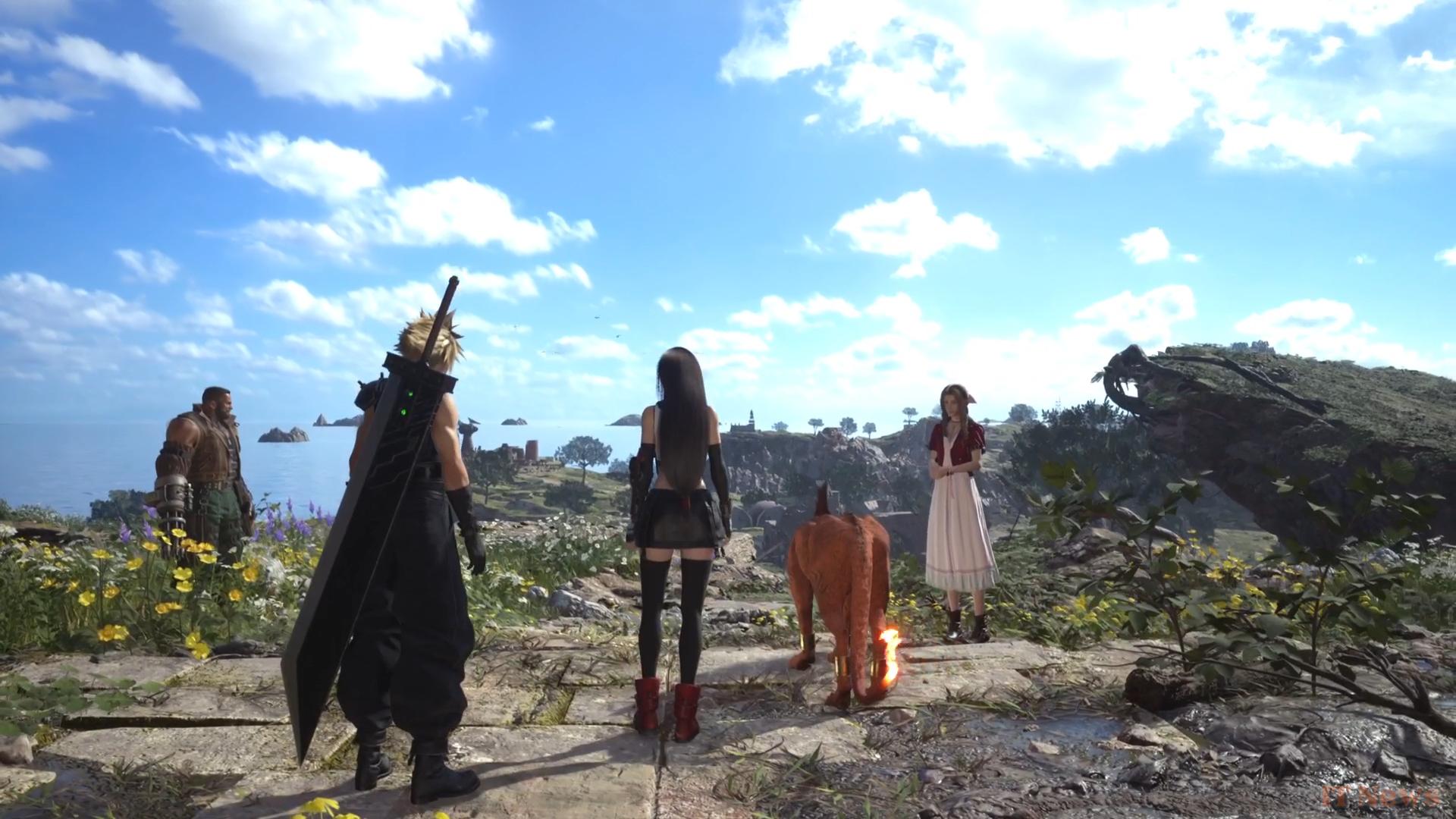
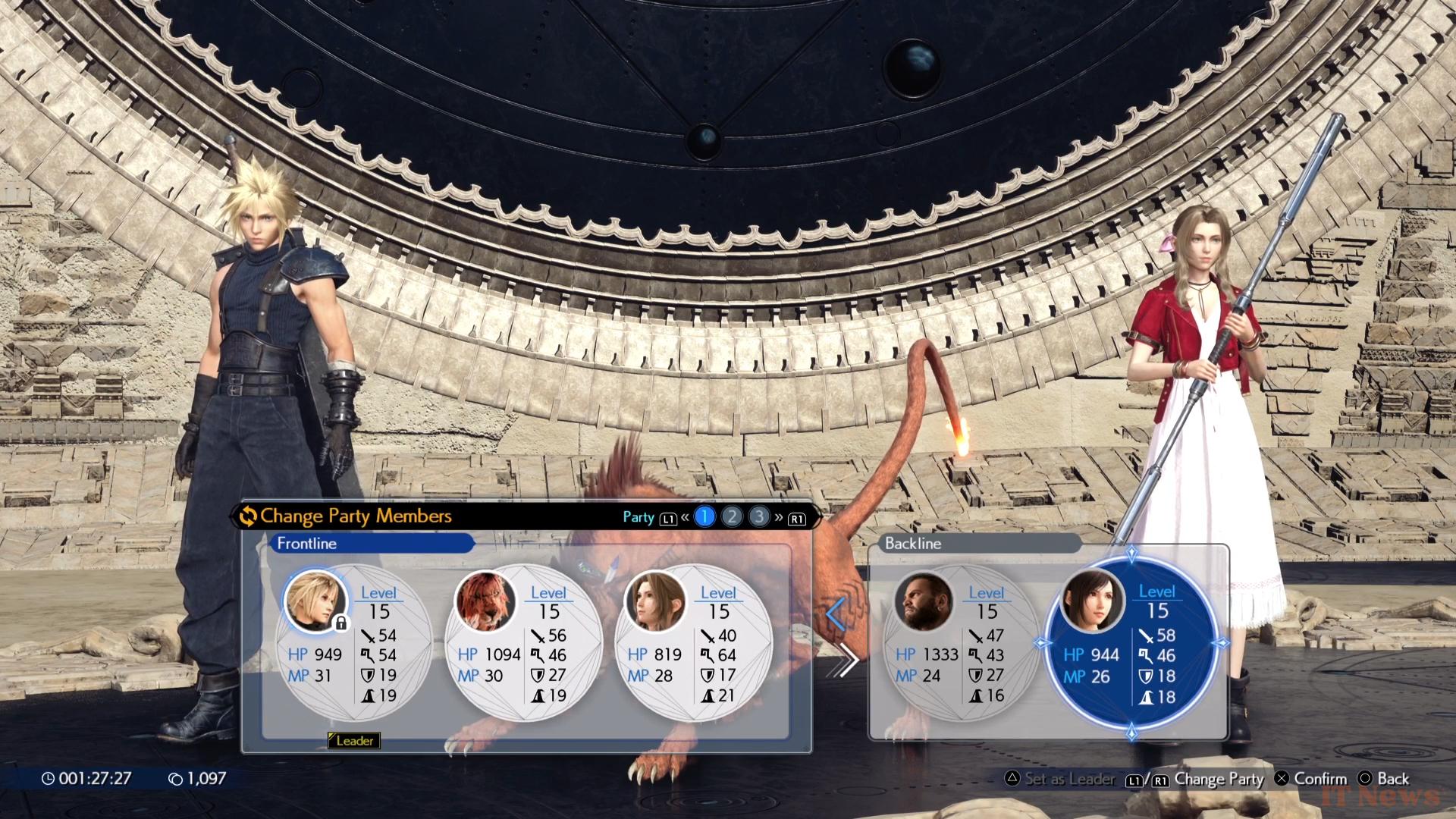
Regulars will quickly notice the many efforts to make movements and animations of certain actions more fluid. These improvements are so meticulous that they even go so far as to concern the character's hitting animation outside of combat, in order to avoid the ridiculous input lag when destroying boxes. The biggest innovation, however, remains the “parkour” feature, allowing you to explore environments without being held back by any invisible walls upstream or downstream of slopes and other reliefs. The emphasis is placed on exploration, the gameplay element that will certainly bring the most substance to this second part. The implementation of new freedoms is also felt in the composition of the team, formerly influenced by the goodwill of the linear scenario. However, this massive evolution of the experience is not immune to possible flaws that will need to be monitored in the final version of the title.
A risky evolution
While Final Fantasy VII Rebirth looks very promising, the title will still have to make sure it ticks all the right boxes to avoid to attract the wrath of players. Following the near-perfect experience provided in the Remake episode, aficionados are entitled to expect an adventure just as grandiose, if not even more so. Given the height of these hopes, the fall could be all the more painful. As a direct evolution of the previous opus, the upcoming installment is enhanced with a slew of new mechanics. In addition to the improvements to combat and exploration mentioned earlier, the adventure will also benefit from new ways to progress.
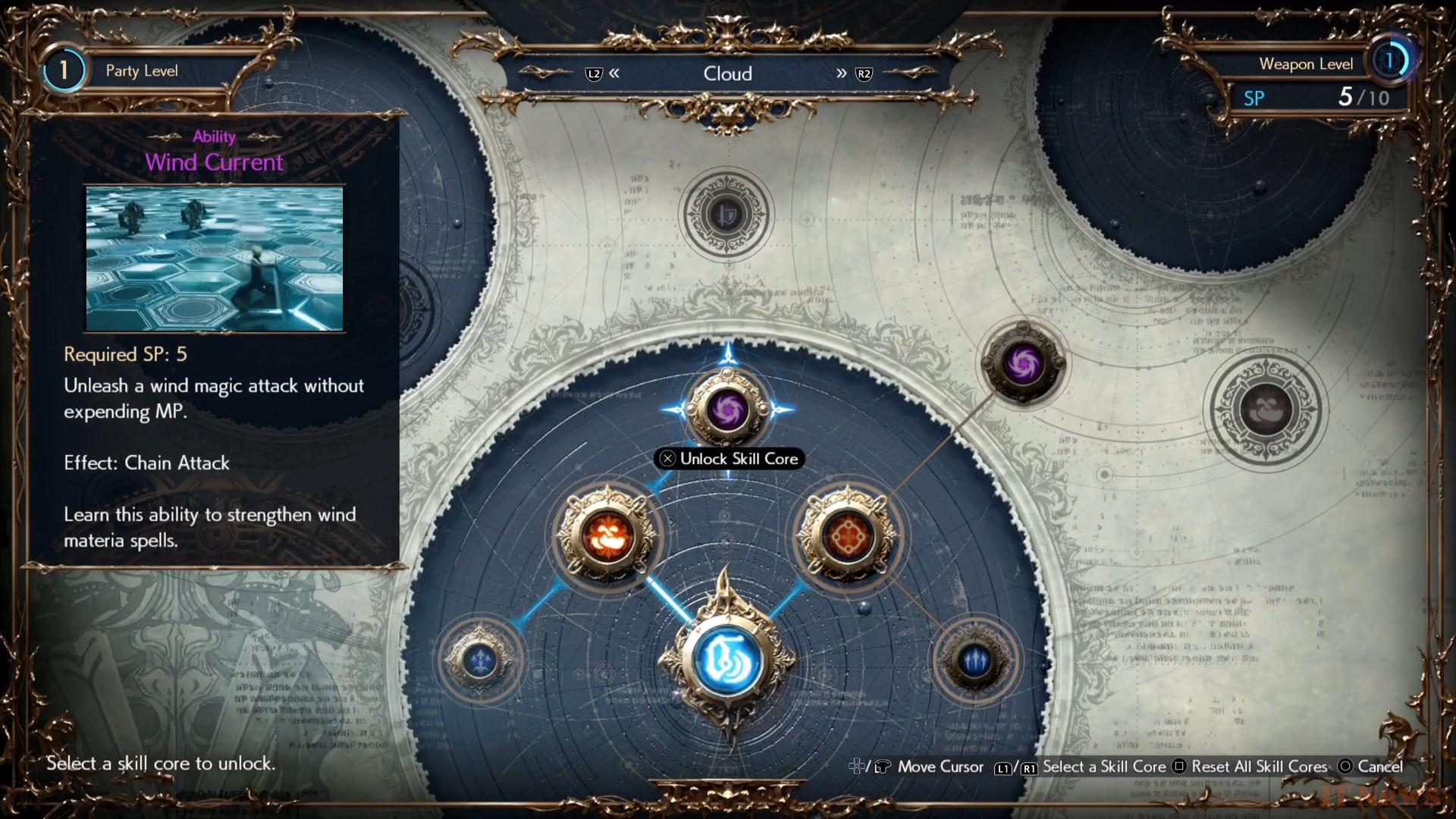
In Rebirth, players will have a lot of new concepts to assimilate. On the skills side, the usual materials will this time be accompanied by the Codex system, allowing you to improve other aspects of the protagonists, such as the new synergy attacks. This new skill tree will only be accessible in certain places, such as bookstores or terminals present on rest points.
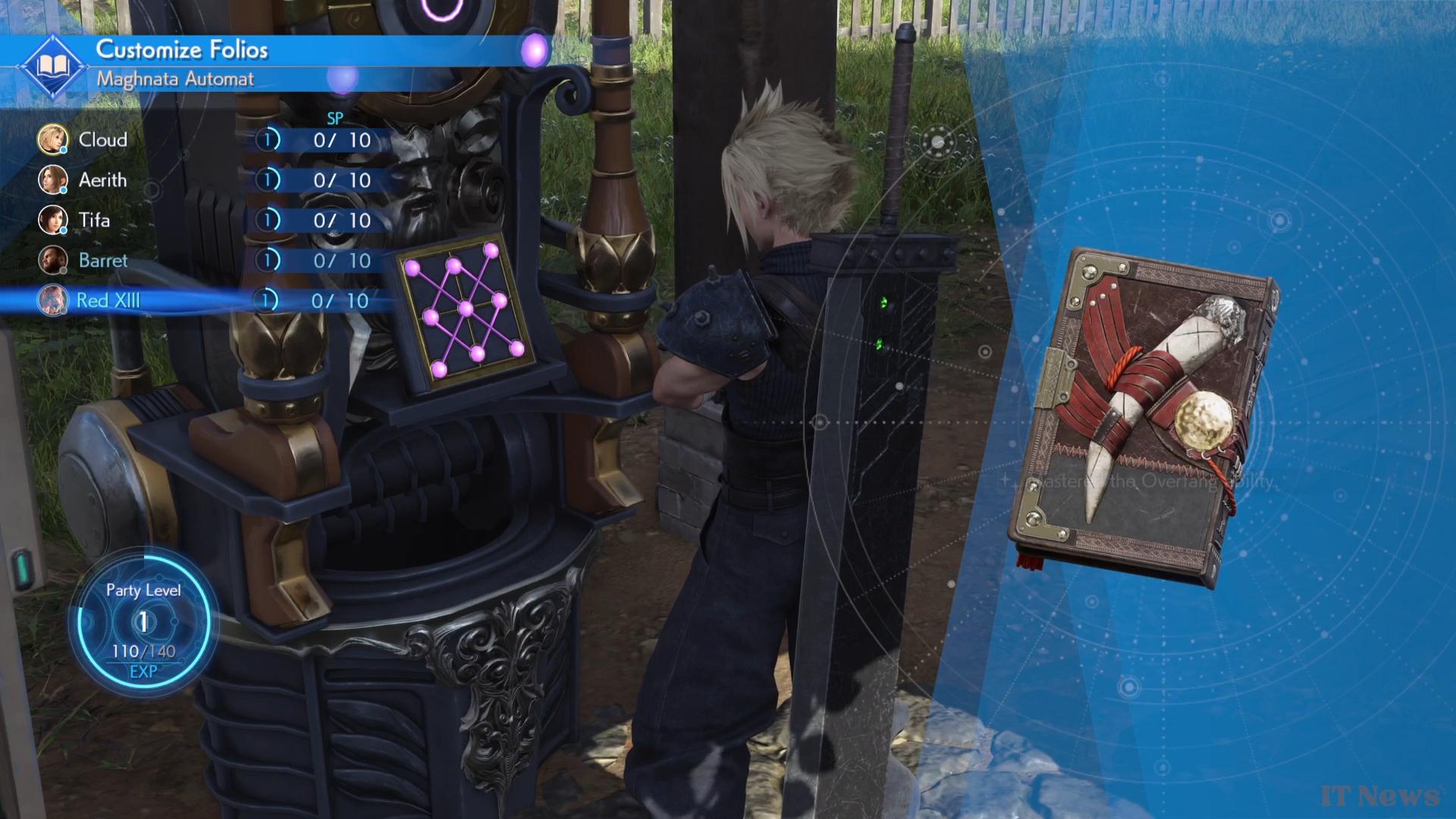
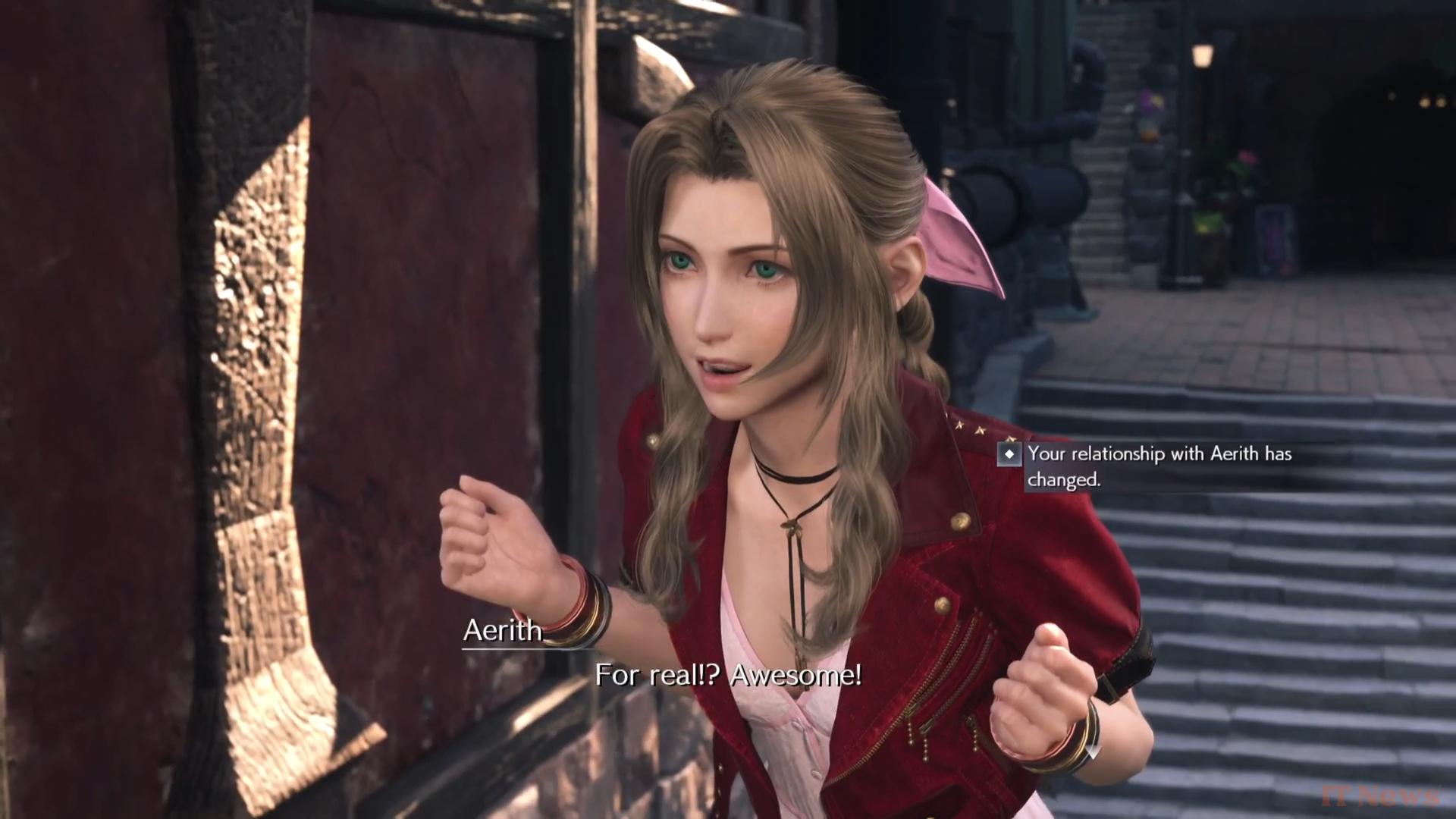
It will also be possible to get closer to the characters in different ways, in order to improve statistics or unlock new optional scenes. Team Level will affect the experience of a squad of characters, while an Affinity Level will affect the interactions of the protagonists throughout the story.
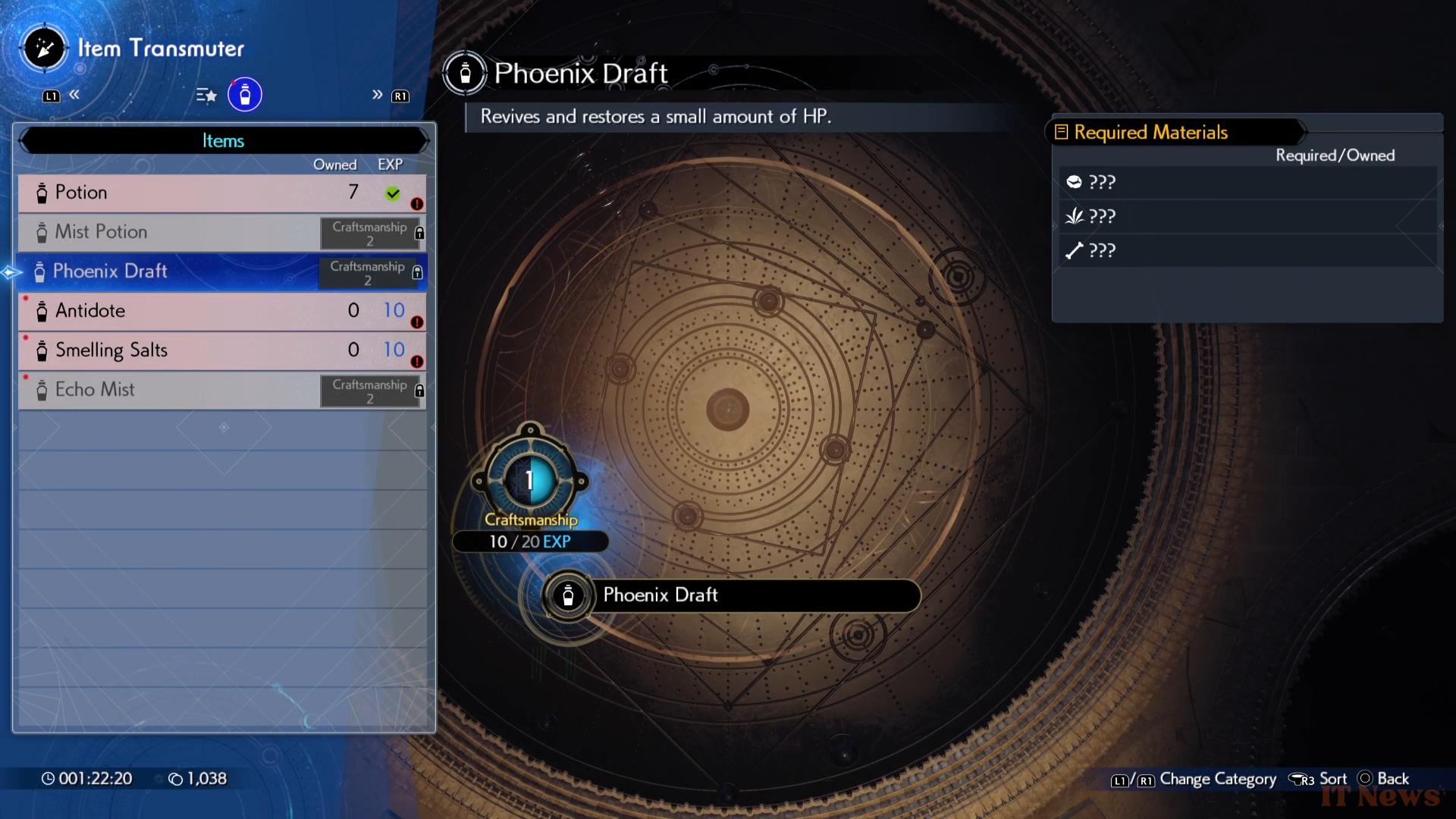
The many exploration phases will also be an opportunity to collect resources, which can be used in a new object crafting system. No need to spend tons of Gil to buy potions and other consumables. In addition, this opus develops its RPG dimension in many aspects. These mechanics are intriguing, but will have to prove themselves in the long term. Estimated by the developers at around forty hours of play for the fastest players, the adventure must avoid the risk of redundancies at all costs.
With its semi-open world, Final Fantasy XVI was sometimes overwhelming, both in the abundance of repetitive side quests and in the lack of interest in exploring every nook and cranny. Square Enix has the right ideas for its franchise, but they still need to be implemented correctly. By opening up its gameplay to all its flourishes, the remake will have to be vigilant so as not to suffer. Final Fantasy VII Remake was a summary of the story and action that, despite its certain linearity, made us forget its corridor aspect thanks to a catchy plot and a square structure. So we can only hope that this section of the FFVII story will benefit from the same level of perfection: verdict in a few weeks.


0 Comments