
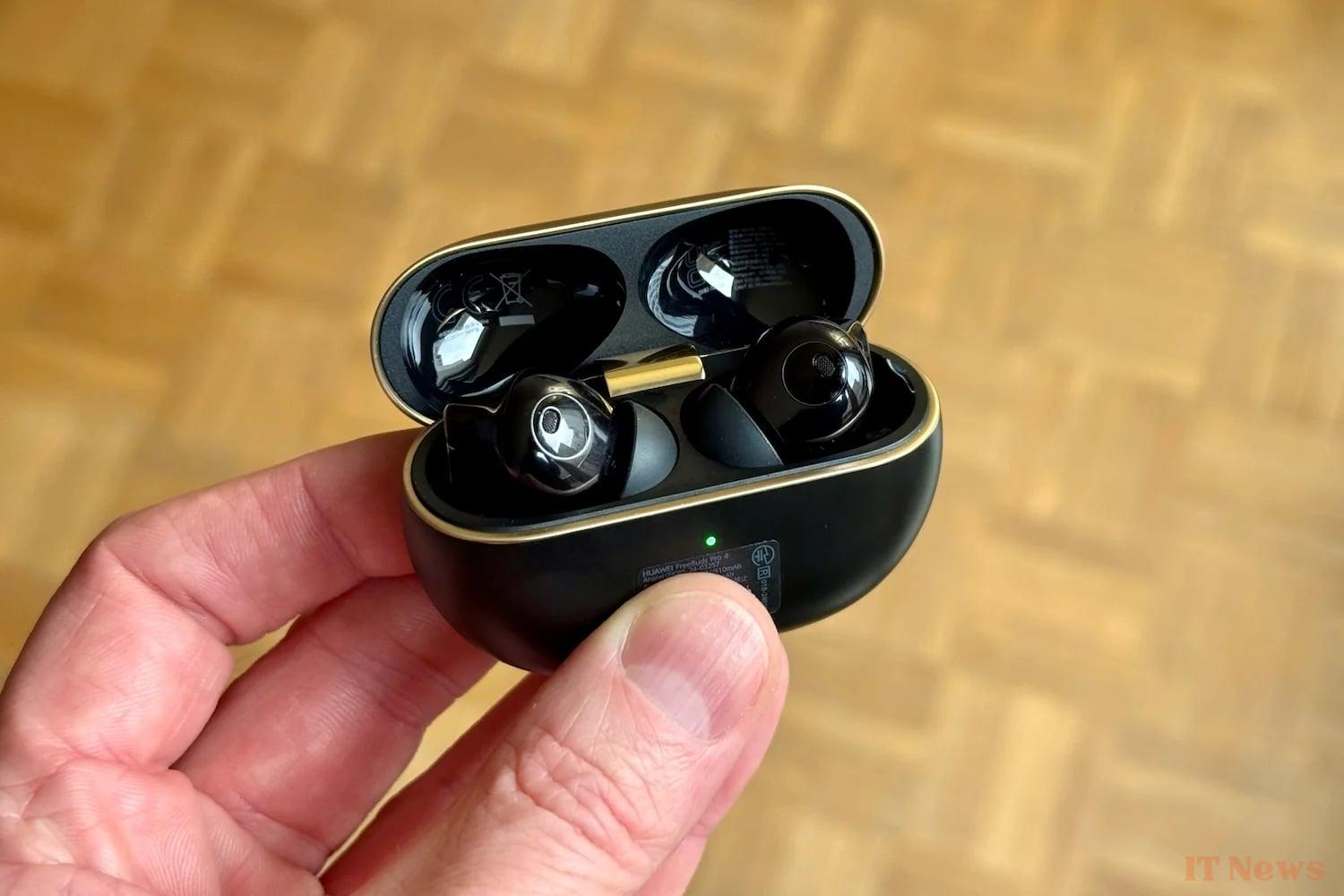
With its Huawei Freebuds Pro 4, the Chinese brand is continuing to update its high-end true wireless headphones. Barely a year after the third generation of FreeBuds Pro was released, the fourth has already appeared. It's not easy at first glance to see any real differences, as the form factor remains relatively identical. According to the Chinese manufacturer, it's mainly on the performance side that we should focus: improved noise reduction and voice quality in hands-free kits. Here is our opinion on Huawei's new premium earphones.
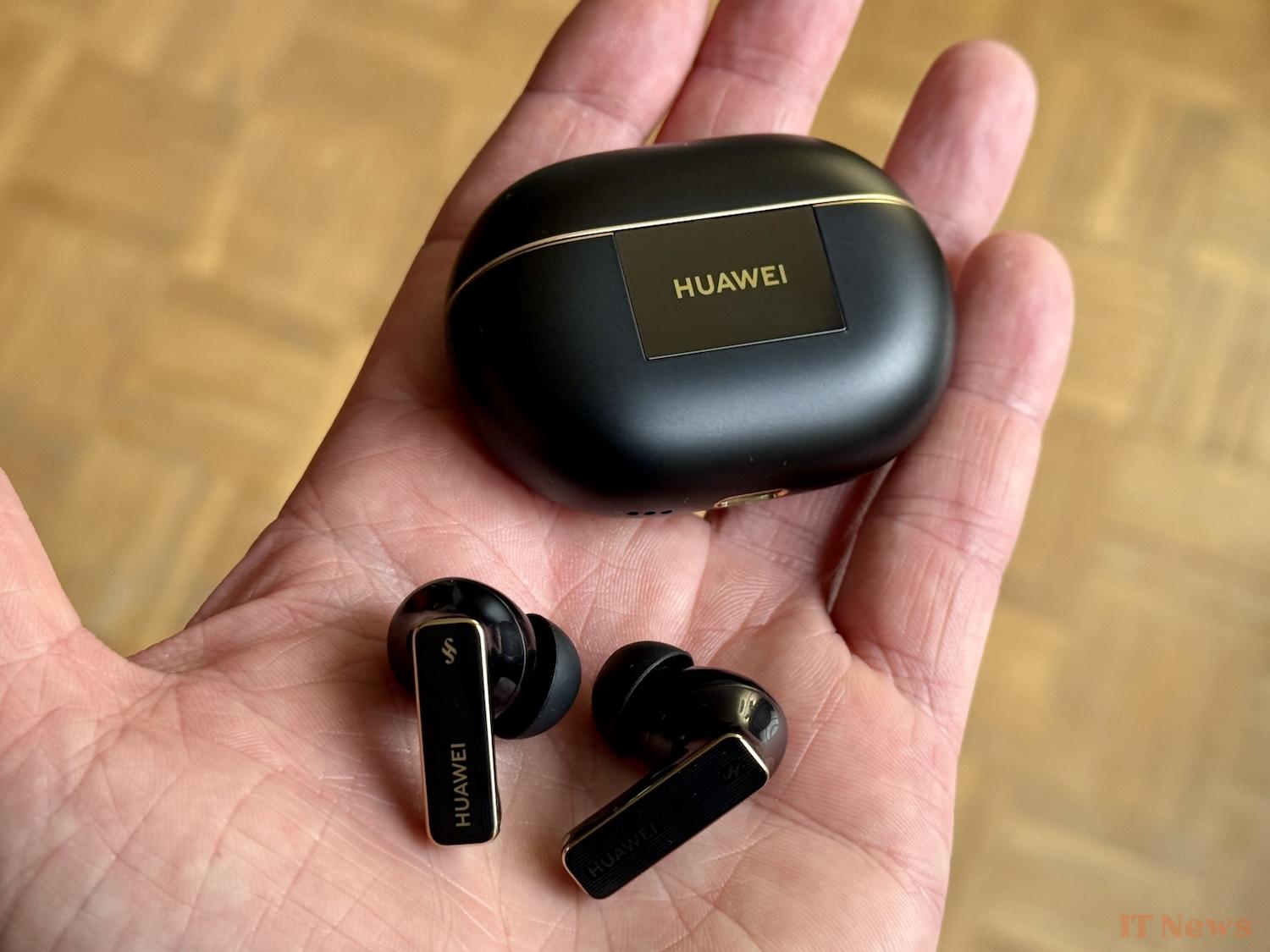
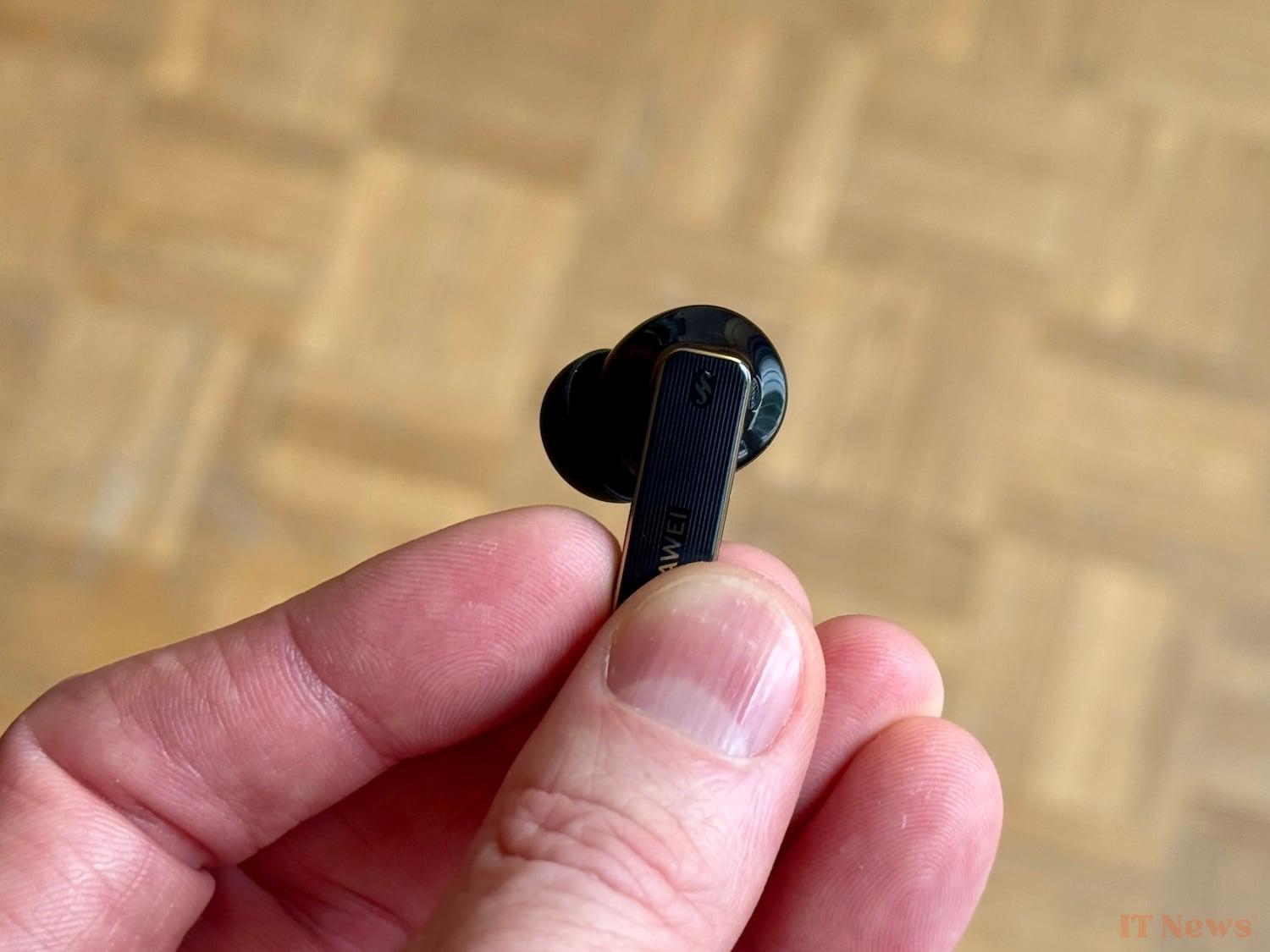
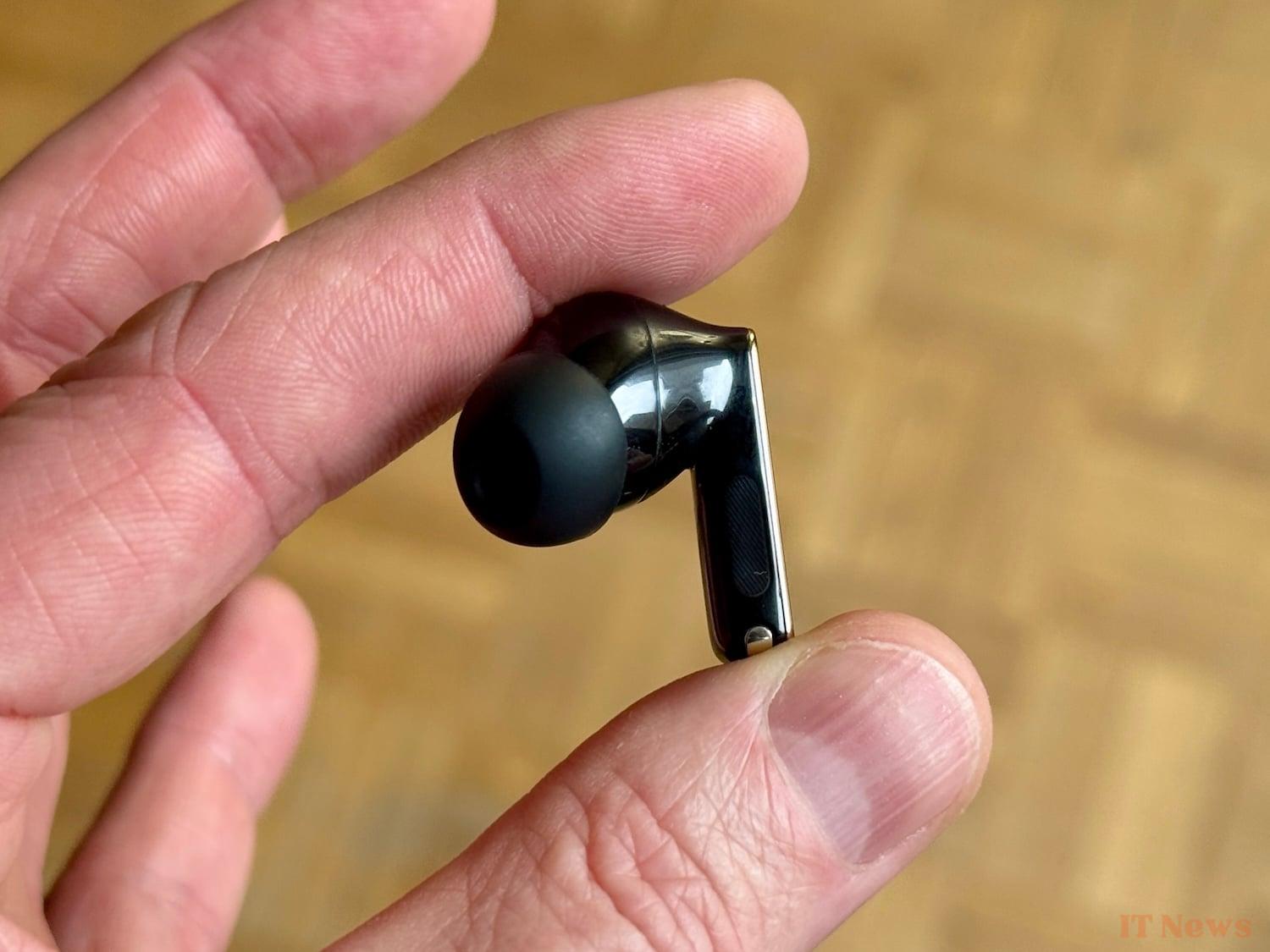
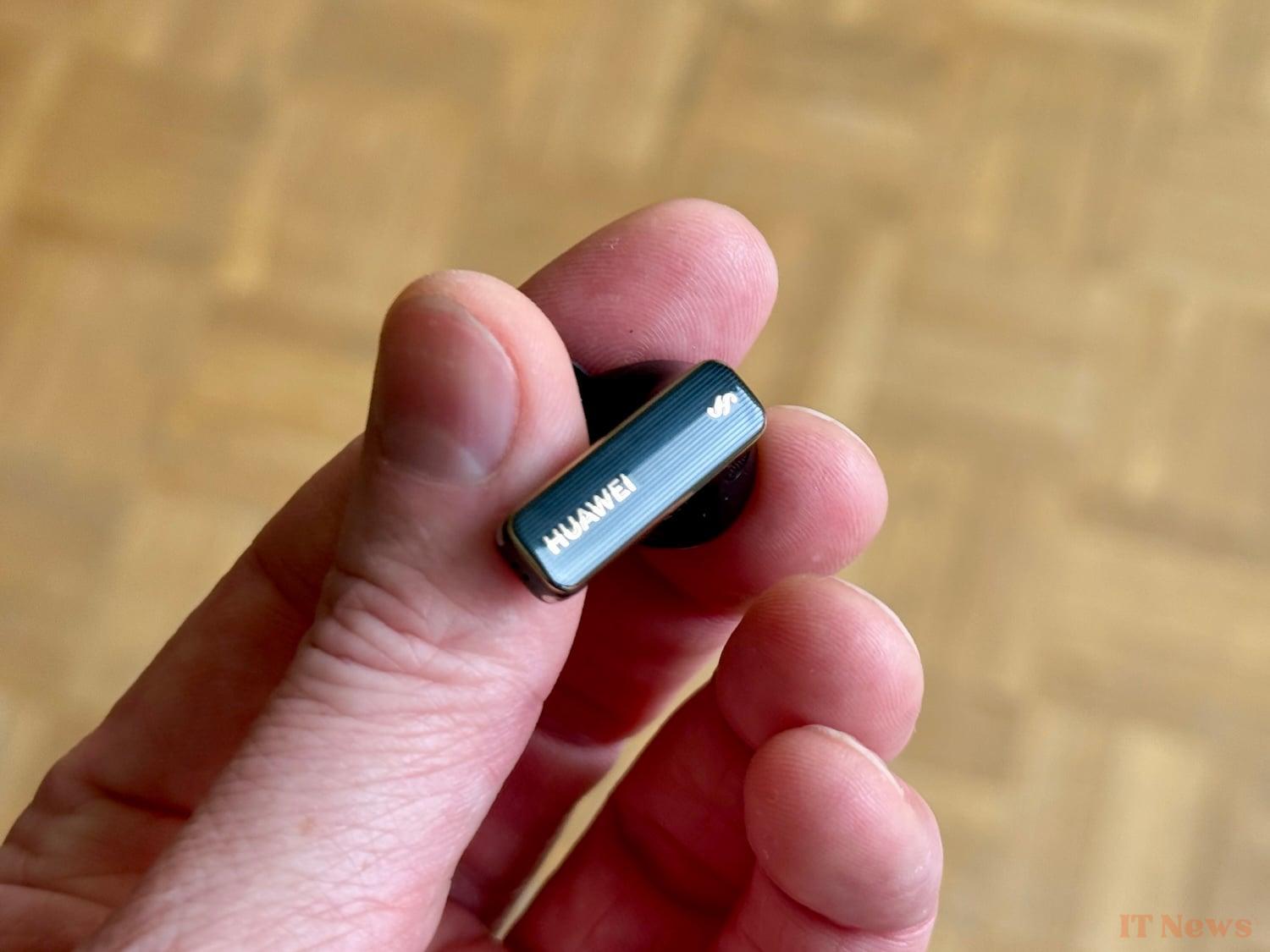
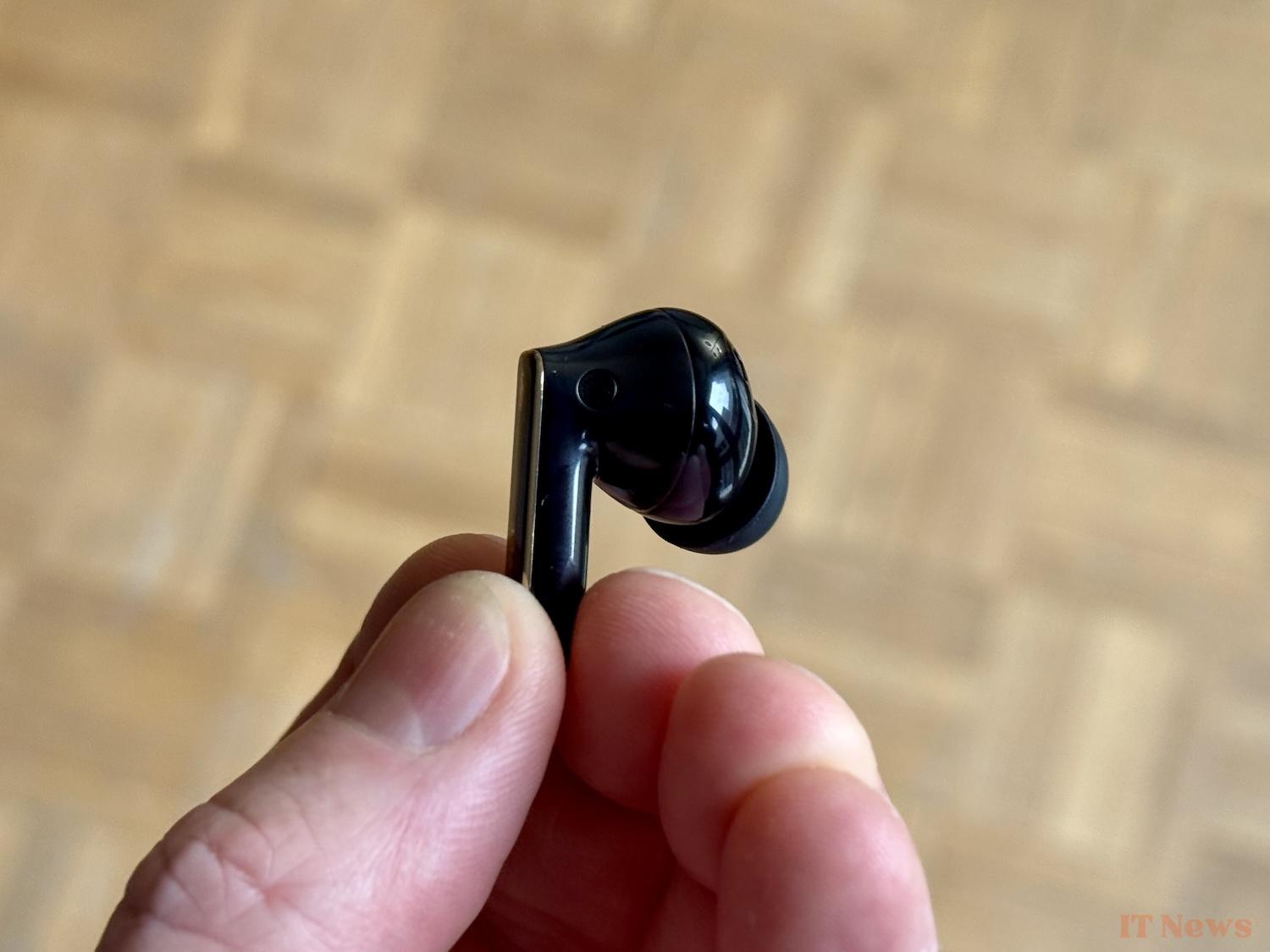
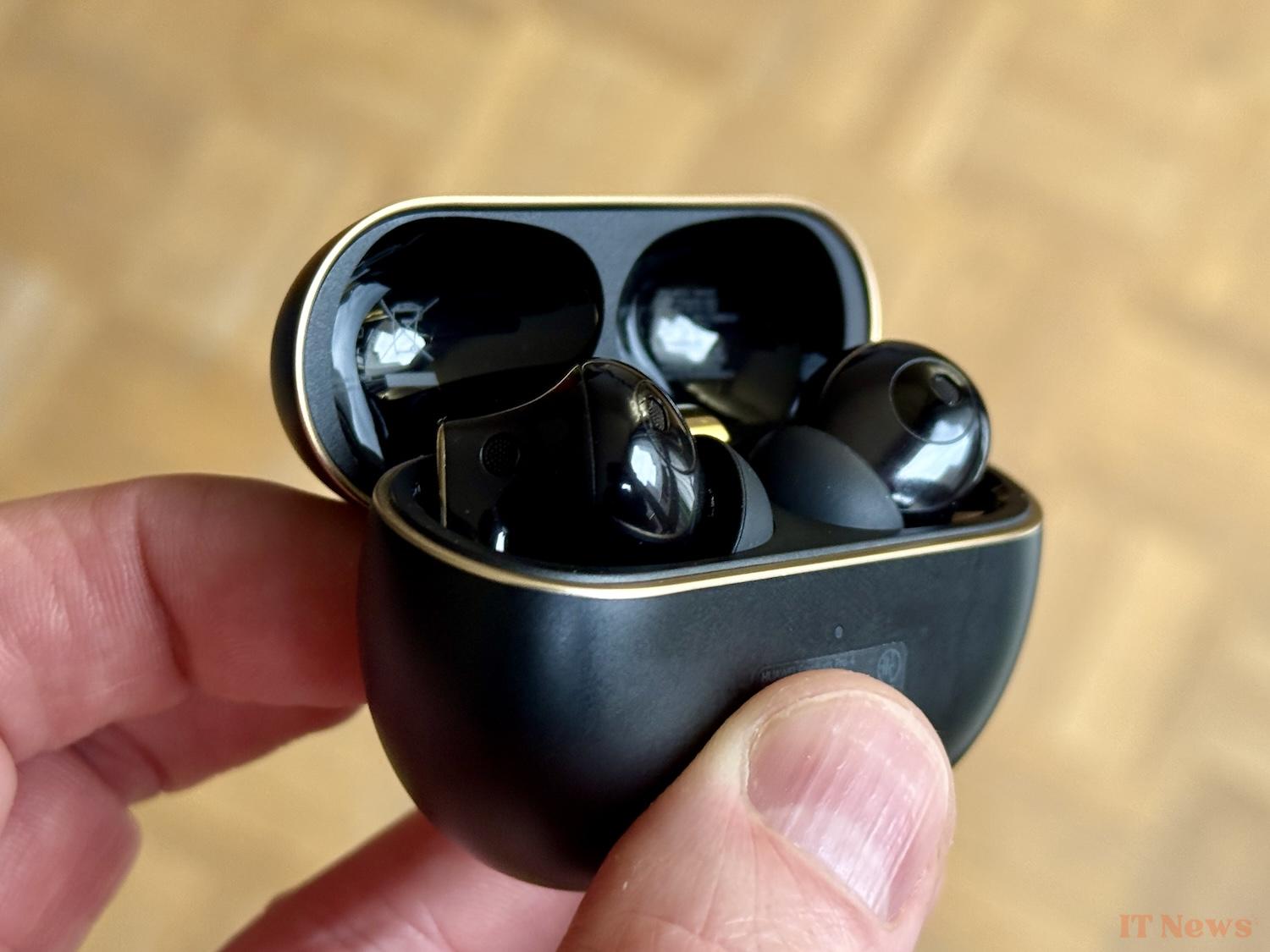
In terms of finish, there's nothing to say: the FreeBuds Pro 4 offers more than what you need for a 200 euro model. The matte black plastic of the case is thick and enhanced with elegant, if slightly bling-bling, gold trim. Same thing for the earphones (5.8 grams) which also have these gildings and fine grooves to dress the flat surface of the stems. The shape of the earphones is similar to previous generations and we like it.
Proven comfort
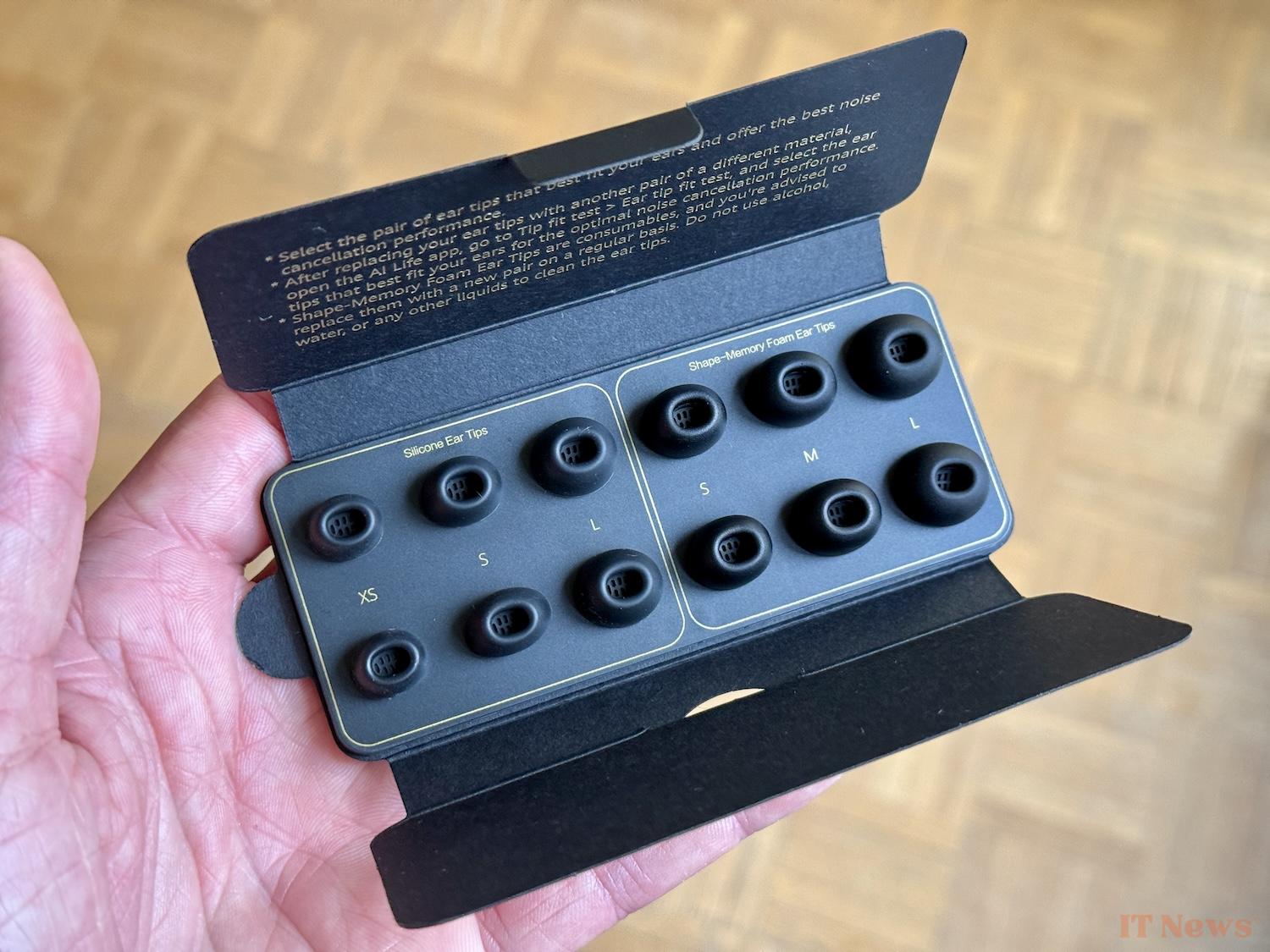
Comfort is there, as is the support proven during our traditional running (IP54 certified). They come with four sizes of silicone tips (semi-in-ear) and three sizes of memory foam tips that are very comfortable and provide good passive isolation. Under the case, a USB-C port (USBC to USB-A cables provided) allows you to recharge it. On the other hand, no Qi compatibility is offered.
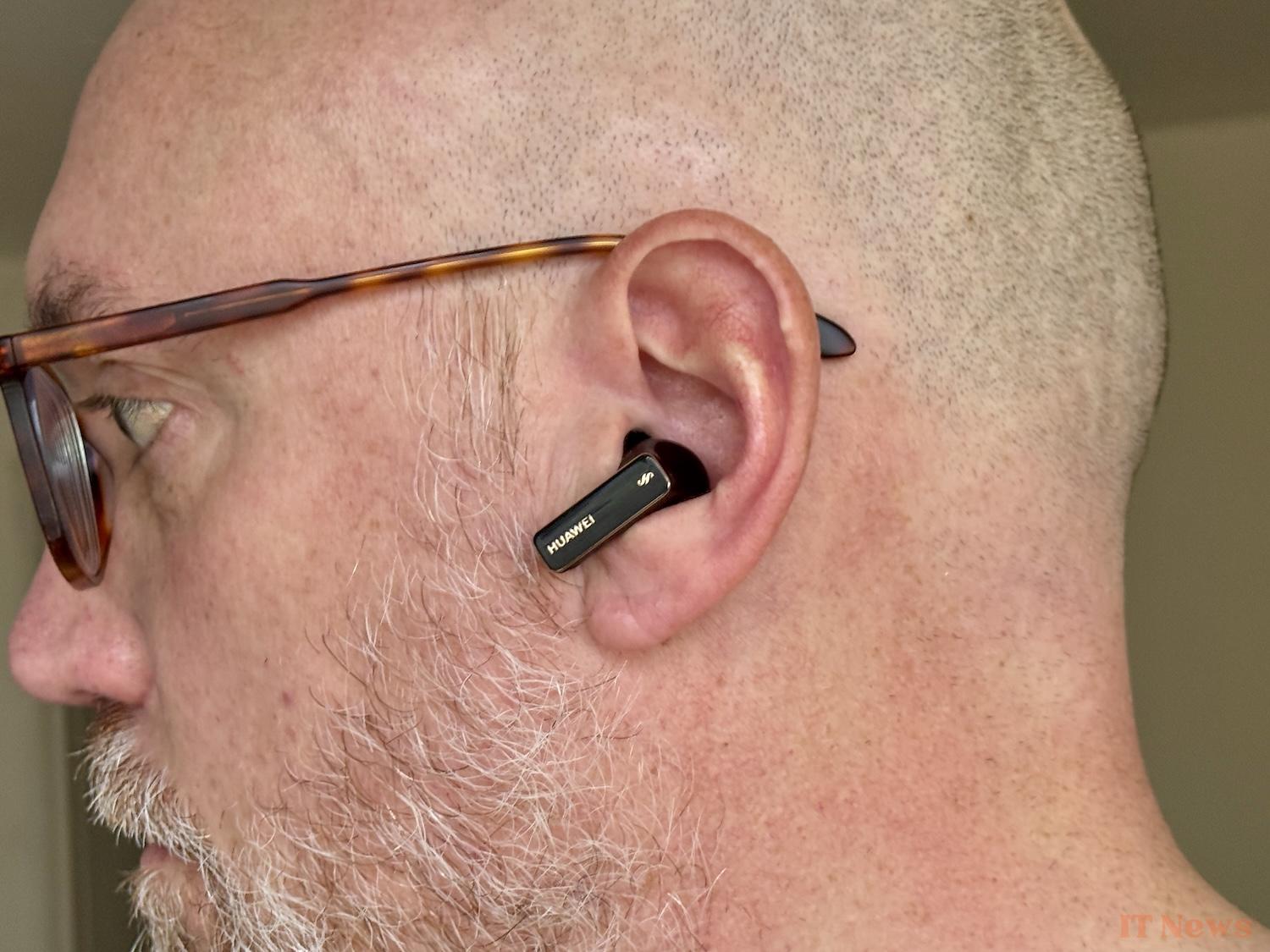
Be careful, however, the surfaces of the three elements are very sensitive to fingerprints. With their shiny appearance, the earphones also tend to slip out of your hands when handling them. Even though their construction seems very robust, they should therefore be handled with caution!
Touch and pinch control
The controls of the FreeBuds Pro 4 are extremely comprehensive, as they combine pressure on the stems and a touch surface on the rest of the earphones. Play/pause, track change, answer calls, switch between ANC and transparency, but also volume (by sliding your finger on the stems) are thus supported. The clicks emitted when pinching are pleasant and allow you to confirm the command well. The touch surfaces also respond very well, without being too sensitive to avoid unwanted triggers. The only regret is that the voice feedback is only in English and cannot be changed to another language. 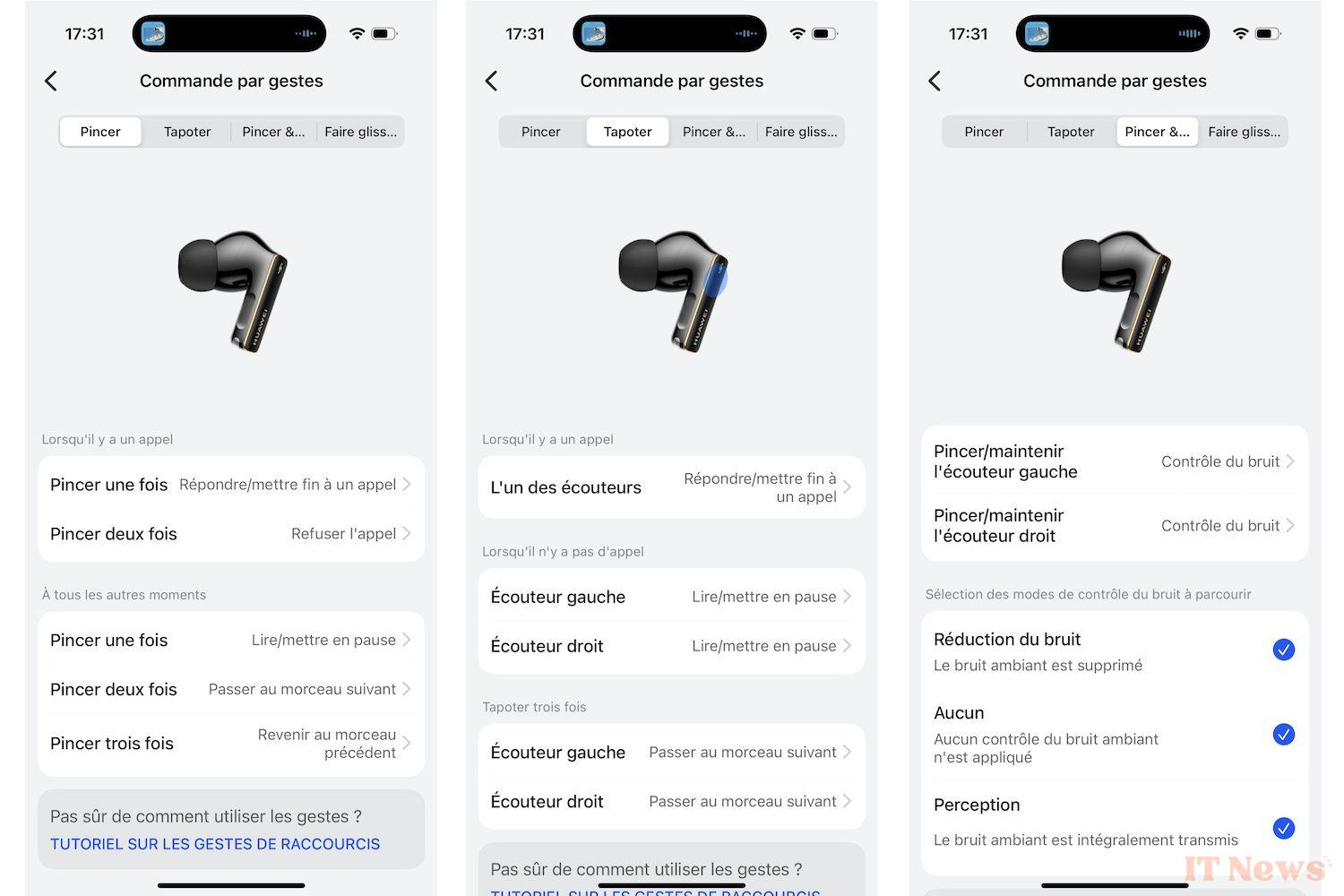
All of this is of course customizable within the Huawei AI Life companion application (IOS and Android, via Huawei AppGallery). By the way, quick pairing is only available with a smartphone from the brand. For those using the other two operating systems, it will be necessary to trigger it using the discreet button located on one side of the case. The rest of the application is relatively complete and easy to use via a clear interface. 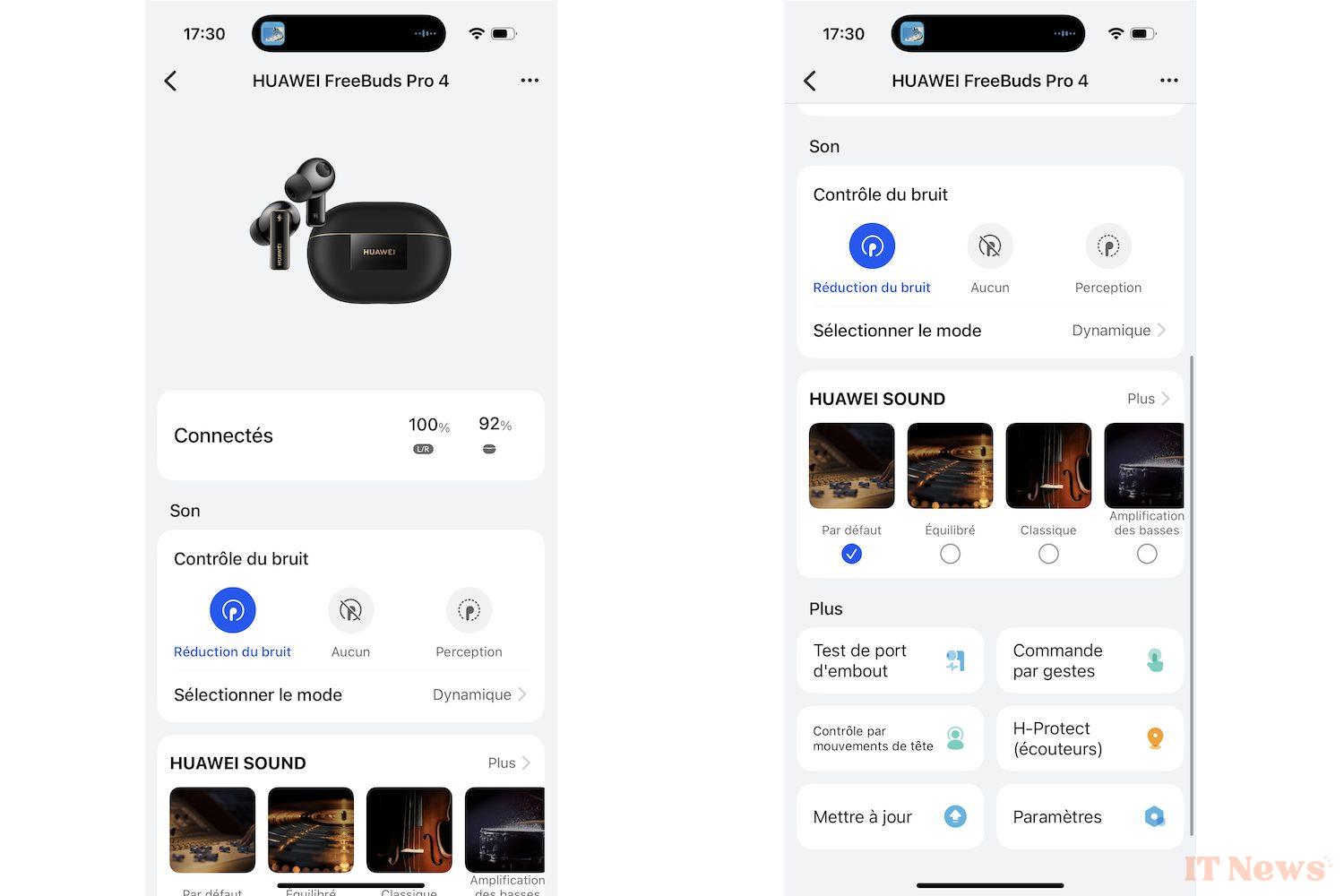
The customization of the controls is exhaustive; the rest is not at the level of the best on the market like that of Sony, but nevertheless offers what to do: noise control, control by head movements, test of wearing the eartips, updates or emission of a sound to find them. The equalization settings are also complete with six “basic” presets, two “professional” ones and a ten-band manual equalizer that is a little hidden (discreet + button at the top right of the interface). 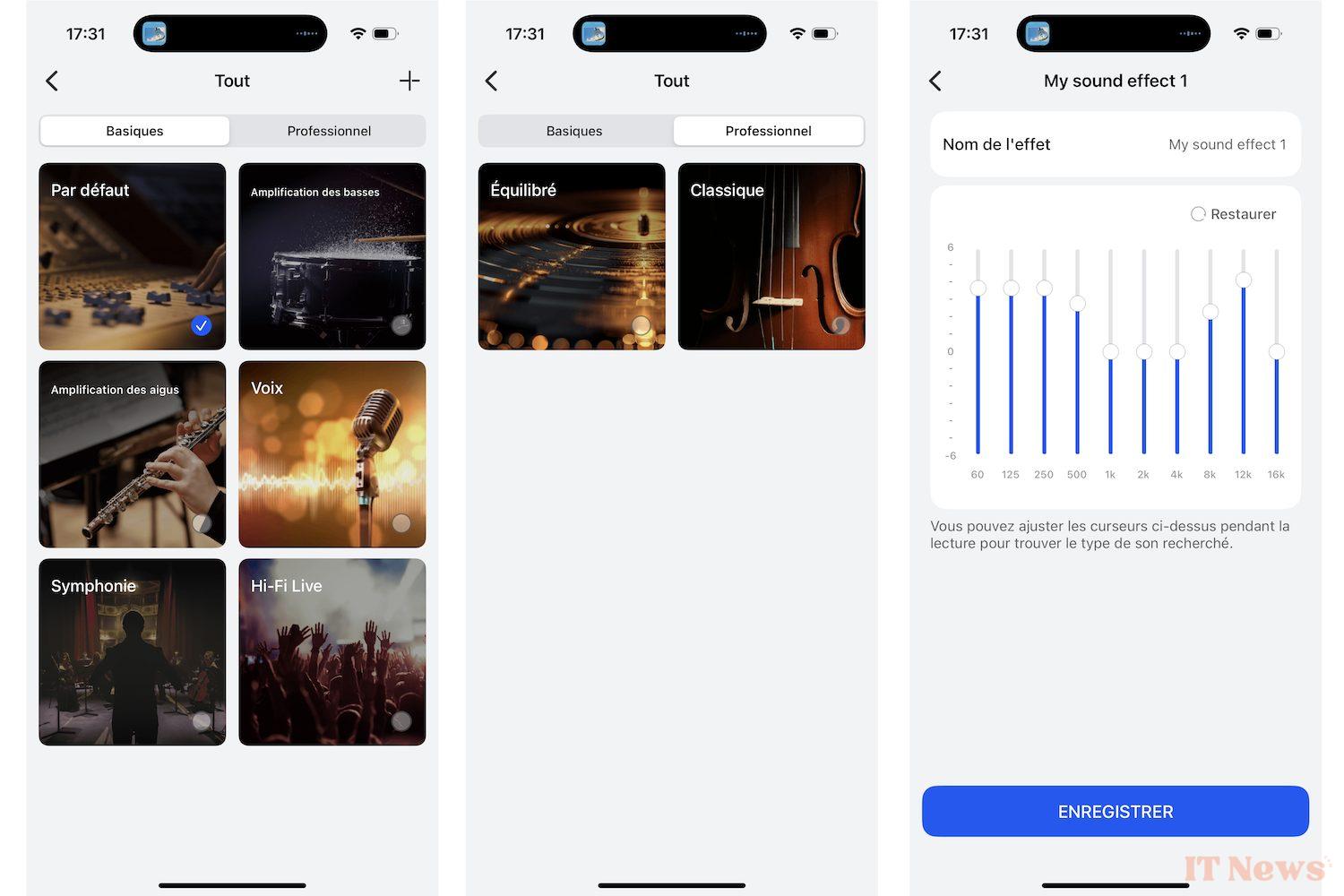
A very beautiful spatialization
These equalizations will refine the sound signature of the FreeBuds Pro 4. Let's talk a little technical first: the earphones each integrate a transducer 11 mm midrange/bass, but also a 14 mm planetary tweeter responsible for reproducing the treble. This results in a fairly wide spectrum, particularly in the bass which can go down to fairly low frequencies. This does not really harm the rest of the frequencies which remain well rendered, except in the low midrange. A phenomenon which tends to significantly emaciate the voices which then lack slightly in warmth. The very present treble offers a pleasant edge allowing to clearly distinguish and detach each instrument from the others. The downside is that some percussion sounds that navigate high frequencies (snare drums, cymbals, hi-hats) can be aggressive and tiring in the long run.
However, we managed to mitigate the phenomenon by choosing the "Balanced" equalization, which is much gentler on our eardrums. We also note an excellent spatialization of the sound signal. Even without Dolby Atmos compatibility, the instruments take their place well on the right and left channels, but also benefit from an appreciable depth. Good mastery on the part of Huawei engineers on this point. In terms of codecs, in addition to the classic SBC and AAC, the FreeBuds Pro 4 offer LDAC and the L2HC 4.0 format, proprietary to the Chinese brand.
Our opinion on active noise reduction
Active noise reduction suffers from a few flaws. While the lowest frequencies are very well attenuated, this is less the case the higher up the spectrum you go. On the street, the engine noises of large engines are therefore barely perceptible, but those of some small scooters seem much less managed. This is also the case for conversations that are heard far too easily when you are nearby. This can be mitigated more effectively by choosing foam tips that provide better passive isolation.
The counterpart of these defects is found in the transparency mode. Here too, the highs are poorly reproduced, preventing a natural restitution of the soundscape surrounding us. For example, conversations are barely intelligible and it's easy to remove the headphones rather than use transparency. On the other hand, we appreciate the very good management of wind noise in the microphones, which are almost non-existent.
Incredible hands-free kit
This is certainly not unrelated to the excellent performance of the FreeBuds Pro 4 as a hands-free kit. It must be said that Huawei has gone all out here with four microphones per earpiece, including one with bone conduction. They are supported by an ultra-efficient algorithm, going so far as to announce the elimination of background noise by up to 100 dB. It’s hard to measure this, but in practice, we were amazed. During a conversation held from a subway car, it was difficult for our interlocutor to realize that we were in an extremely noisy environment. Of course, some artifacts appear on the voice, but nothing too annoying, especially since it remains perfectly intelligible. Huawei's headphones are clearly among the best models on the market for this use.
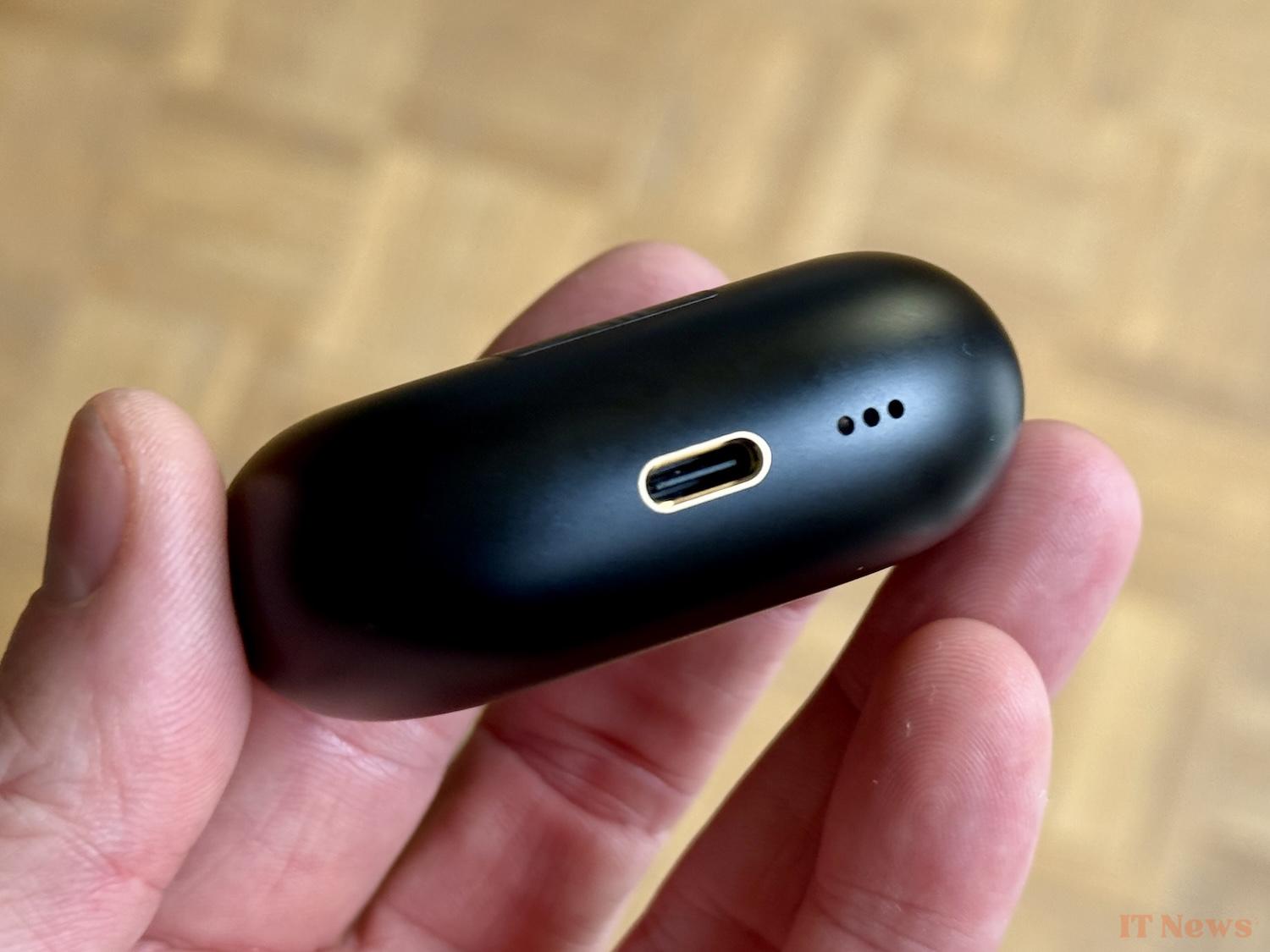
Unfortunately, the same cannot be said for battery life. During our Huawei Freebuds Pro 4 test in real conditions, we barely lasted 4 hours 45 minutes with noise reduction activated. A performance that is really at the bottom of the current range. Without ANC, we are painfully approaching 7 hours of use. Too bad Huawei did not take advantage of this new generation to drastically improve its performance on this point.


0 Comments