

This is a discreet but important measure that has just come into effect in the French healthcare system. Medicines containing tramadol, codeine, dihydrocodeine, or any other narcotic substance (morphine, for example) can now only be dispensed in pharmacies upon presentation of a very specific, secure prescription. This regulatory change, initially planned for December 2024 and then postponed until the beginning of this year, aims to combat the abuse of this type of highly addictive medication. For the millions of French people affected, vigilance will be required.
New regulations for opioid painkillers
The medicines affected by this new text, usually used to treat moderate to severe pain, can no longer be dispensed in pharmacies without presentation of a secure prescription. This change affects all forms of these substances, whether prescribed alone or in combination with other active ingredients such as paracetamol or ibuprofen. The regulations also apply to veterinary medicines.
This is a significant development for patients undergoing chronic treatment, but also for prescribers who will have to adapt their practices. On these new secure prescriptions, the doctor must write in words (and not in numbers) the dosage of the medication, the exact dosage, and the precise duration of treatment. This obligation aims to limit the risks of falsification of the highest-risk prescriptions.
At the same time, the maximum validity period of a prescription for codeine and dihydrocodeine is now aligned with that of tramadol, i.e., 12 weeks. Beyond this period, a new medical consultation and a new prescription will be necessary to continue treatment, even for patients undergoing long-term treatment.
The French National Agency for the Safety of Medicines and Health Products (ANSM), however, intends to grant a transitional period to both patients and caregivers. Prescriptions issued until March 31, as well as their renewals, may be accepted by pharmacies, even without meeting the required security criteria.
What is a secure prescription and how can I recognize it?
A secure prescription, also called a “protected prescription,” can come in two forms: paper or digital. To be valid, it must meet strict criteria defined by the French Association for Standardization (AFNOR), which theoretically make it tamper-proof.
In its paper version, a secure prescription has several distinctive characteristics: mandatory information pre-printed in blue to identify the prescribing healthcare professional, a watermark representing a caduceus visible through transparency, the absence of optical brightener in the paper, and a minimum weight of 77 g/m². Produced by AFNOR-certified printers, who must comply with strict specifications, these prescriptions will be sold to doctors in blocks of 50 or 100 copies and delivered directly to the doctor's office by secure transport. To order them, the healthcare professional must have an RPPS (Shared Directory of Healthcare Professionals) number and an AM (Health Insurance) number.
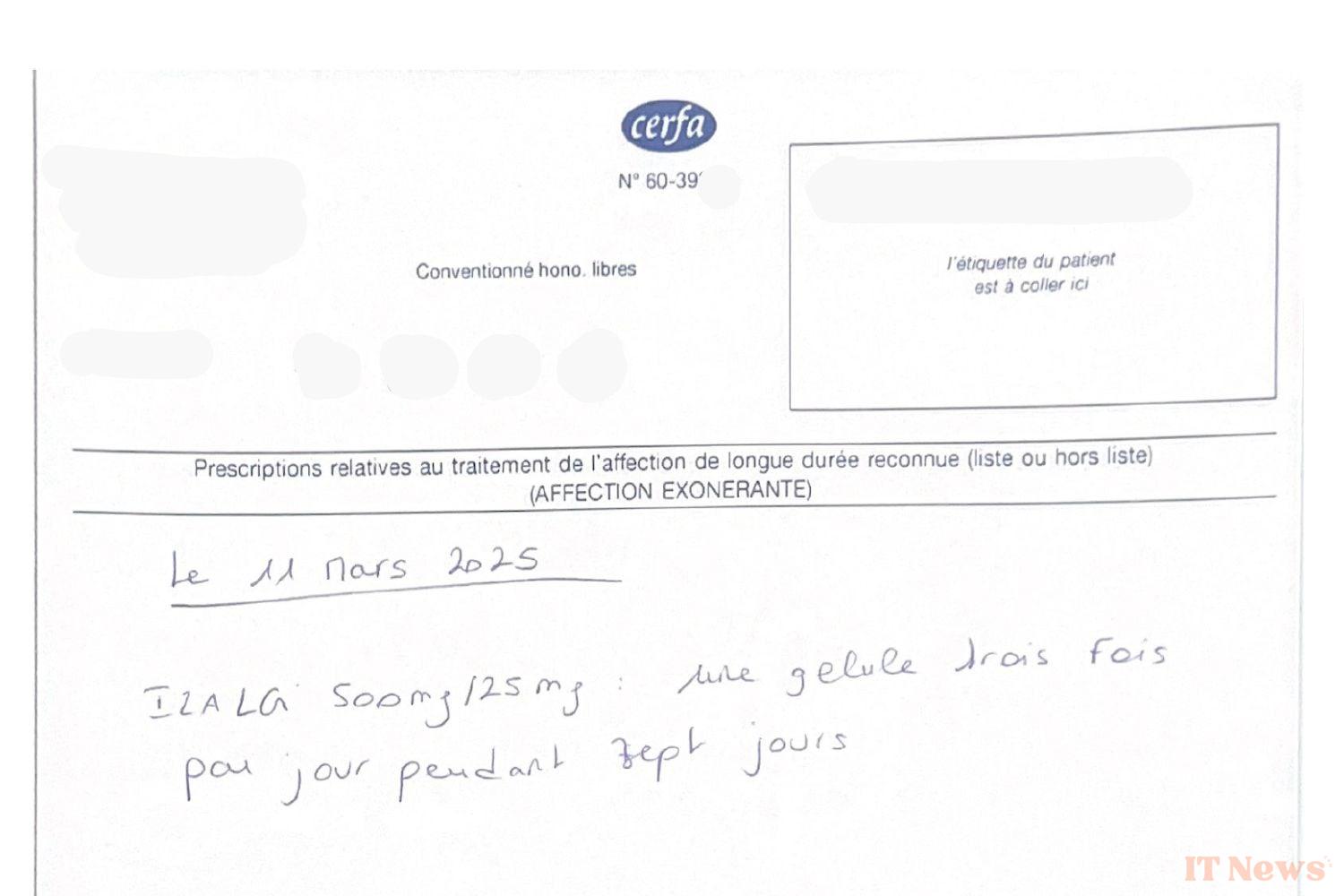
Regarding digital prescriptions, the doctor writes the prescription in their professional software, which generates a unique identifier associated with a QR code. The pharmacist can then scan this QR code to access prescription data stored in a secure database hosted in France.
What's changing for patients?
Patients treated with tramadol, codeine, or dihydrocodeine will need to ensure that their doctor provides them with a secure prescription (paper or digital) for these medications. Without this type of prescription, dispensing in a pharmacy will not be possible. Don't expect to get away with scanning the paper version either.
Another notable change for patients is that they will now have to be monitored more regularly for a long-term condition, at least every 12 weeks to renew their prescription. As mentioned, prescriptions issued between March 1 and 31, 2025, however, remain valid (in theory). The same goes for those issued before March 1, 2025. This is a way to ensure a smooth transition, avoiding treatment interruptions. However, the transition period is not being respected by all pharmacies. From the beginning of the month, some were refusing to dispense medications on the list.


0 Comments