
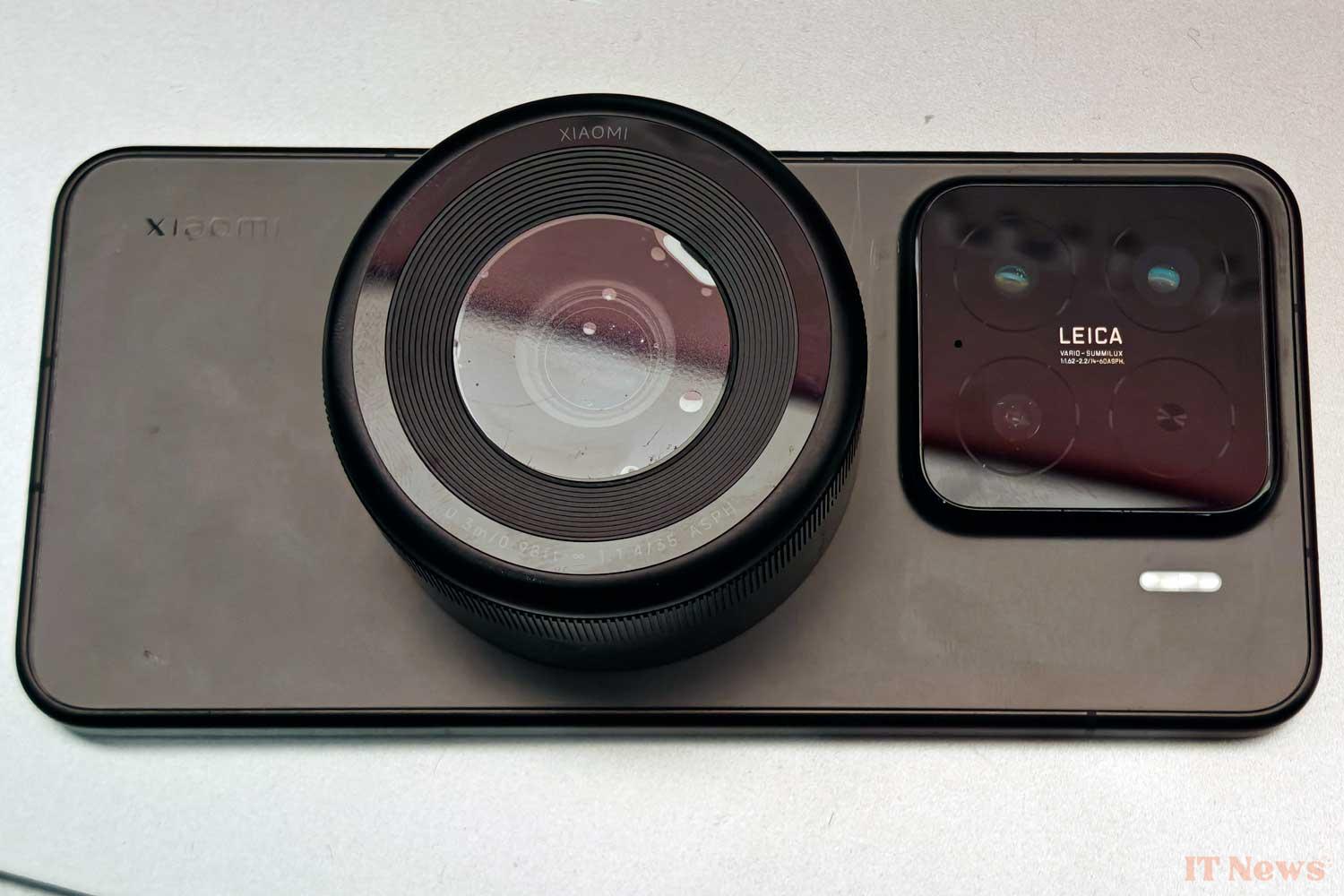
Xiaomi is one of the headliners of the Mobile World Congress 2025. The Chinese giant is multiplying new products, such as its new series of high-end smartphones: the Xiaomi 15 and the Xiaomi 15 Ultra. It also brought its impressive SU7 Ultra electric car, as well as a funny photo lens. Photography plays a central role on the brand's latest smartphones and Xiaomi's concept confirms its desire to shake up this segment. On its stand, Xiaomi is showing a concept called “Modular Optical System”.

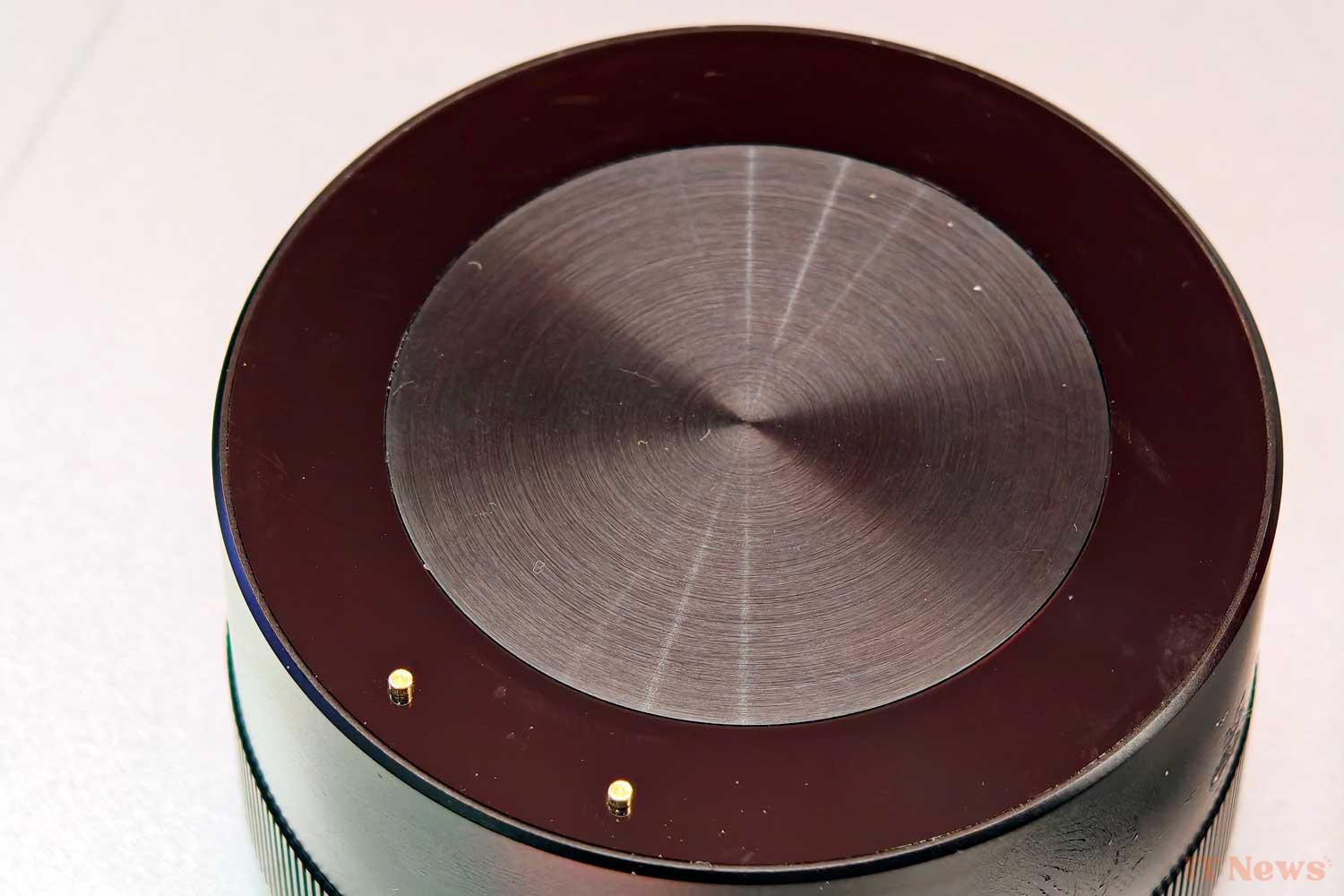
This is not a simple accessory to attach to the smartphone camera, but a standalone module. The Modular Optical System is positioned on the back of the device using a magnetic system, comparable to Qi2 or MagSafe at Apple, and two pins to “lock” the lens. The brand uses a modified Xiaomi 15 for its prototype, but it is technically possible to integrate the lens on other models.
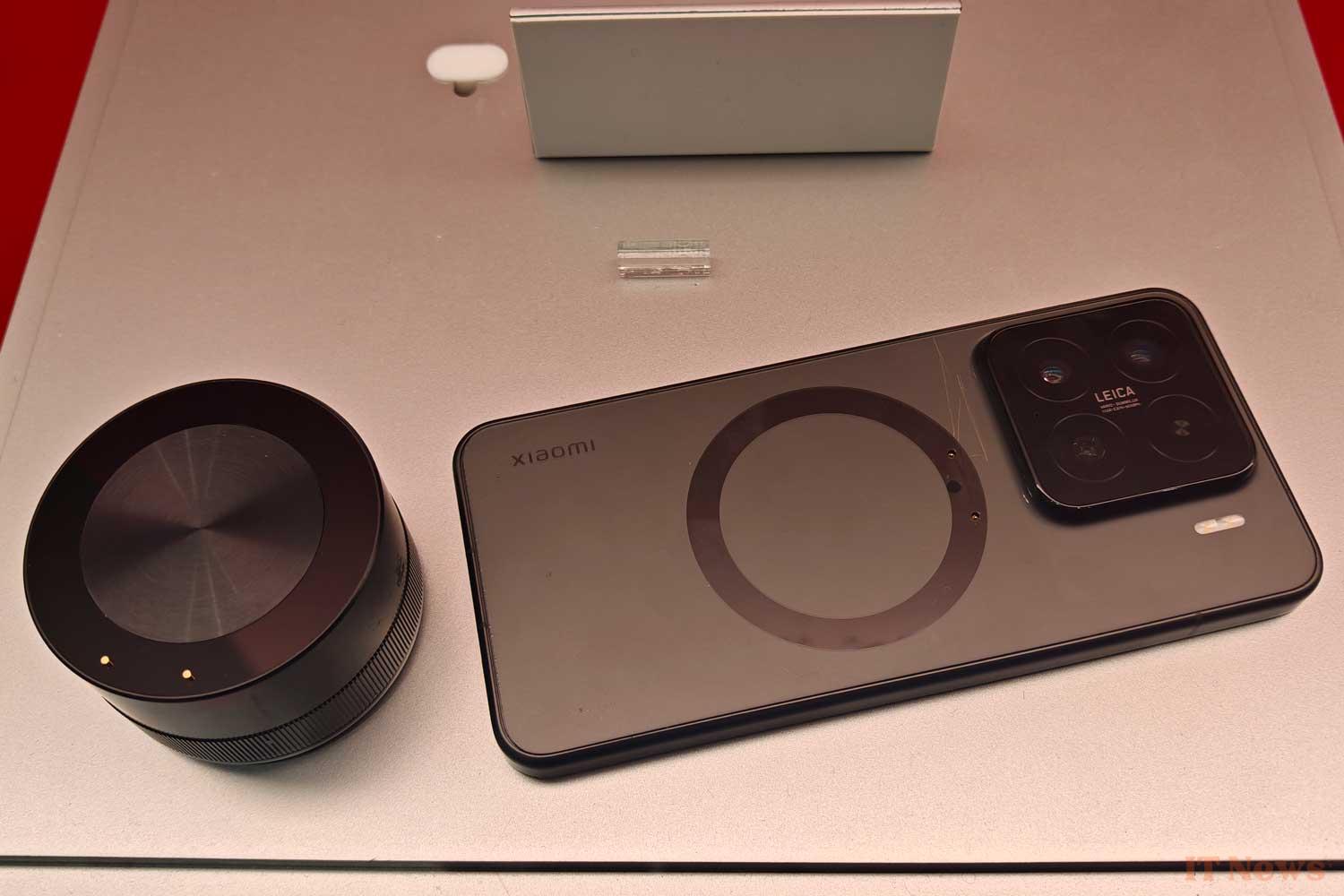
Once attached, it uses the battery's energy to operate and communicate with the smartphone. A home-made technology, called LaserLink, is responsible for managing exchanges between the devices and integrating the accessory into the Photo application. In use, it becomes possible to access all modes and benefit from Leica's improvements.
What does this sensor offer?
Even if it is only a prototype, Xiaomi's accessory is already complete. This is not the first time that a manufacturer has tried to transform a smartphone into a real camera and the idea is making a strong comeback this year at Xiaomi. Some will also remember Samsung's attempts with the Galaxy S4 Zoom or the DxO One on the iPhone. Sony had also tried the experiment with the QX10 and QX100, lenses capable of connecting via WiFi to the back of the iPhone or an Android smartphone.
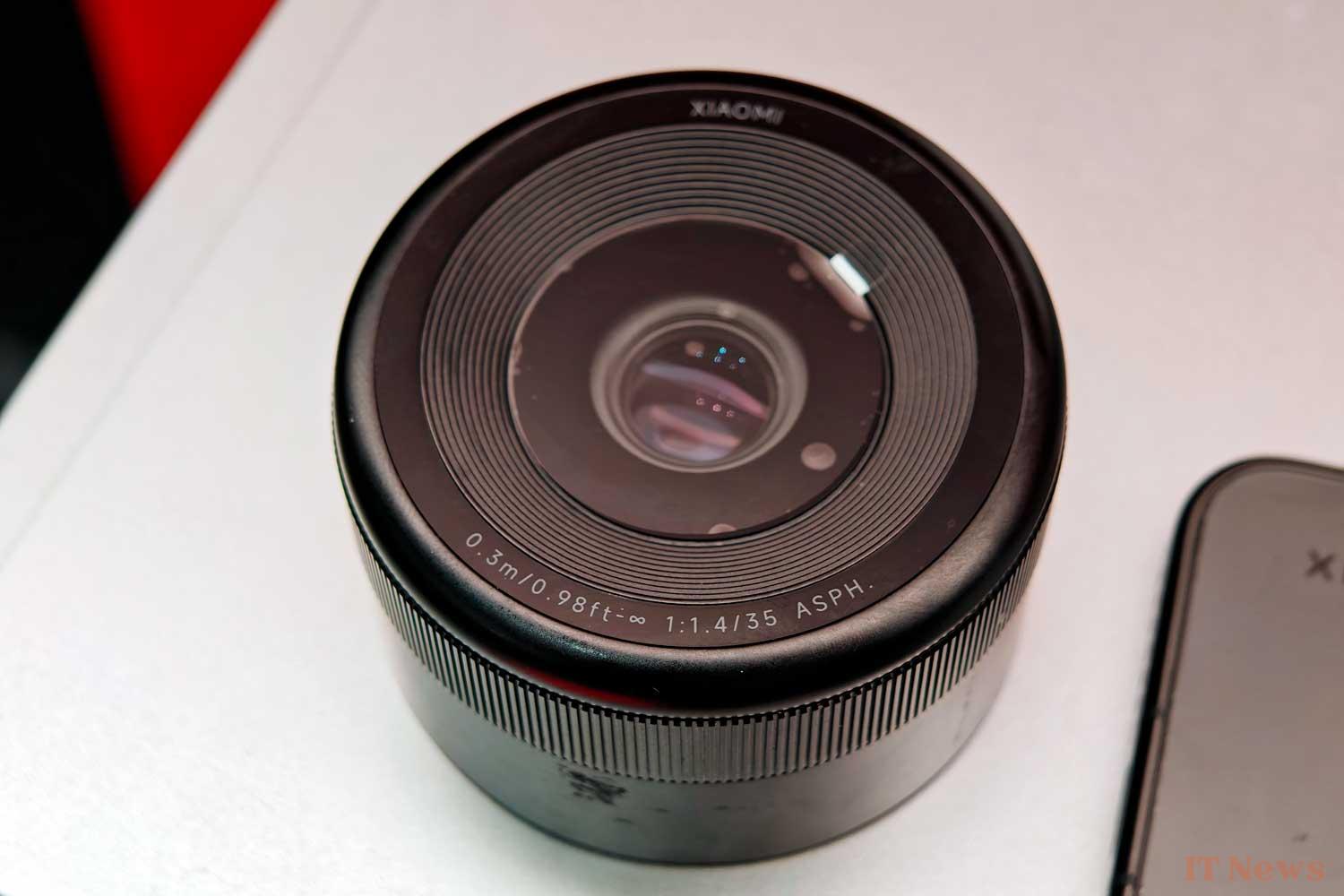

Xiaomi uses a Light Fusion 100 megapixels, larger than the sensors on the brand's smartphones. The lens is a 35 mm with a variable aperture of f / 1.4 up to f / 11, with a manual focus ring.
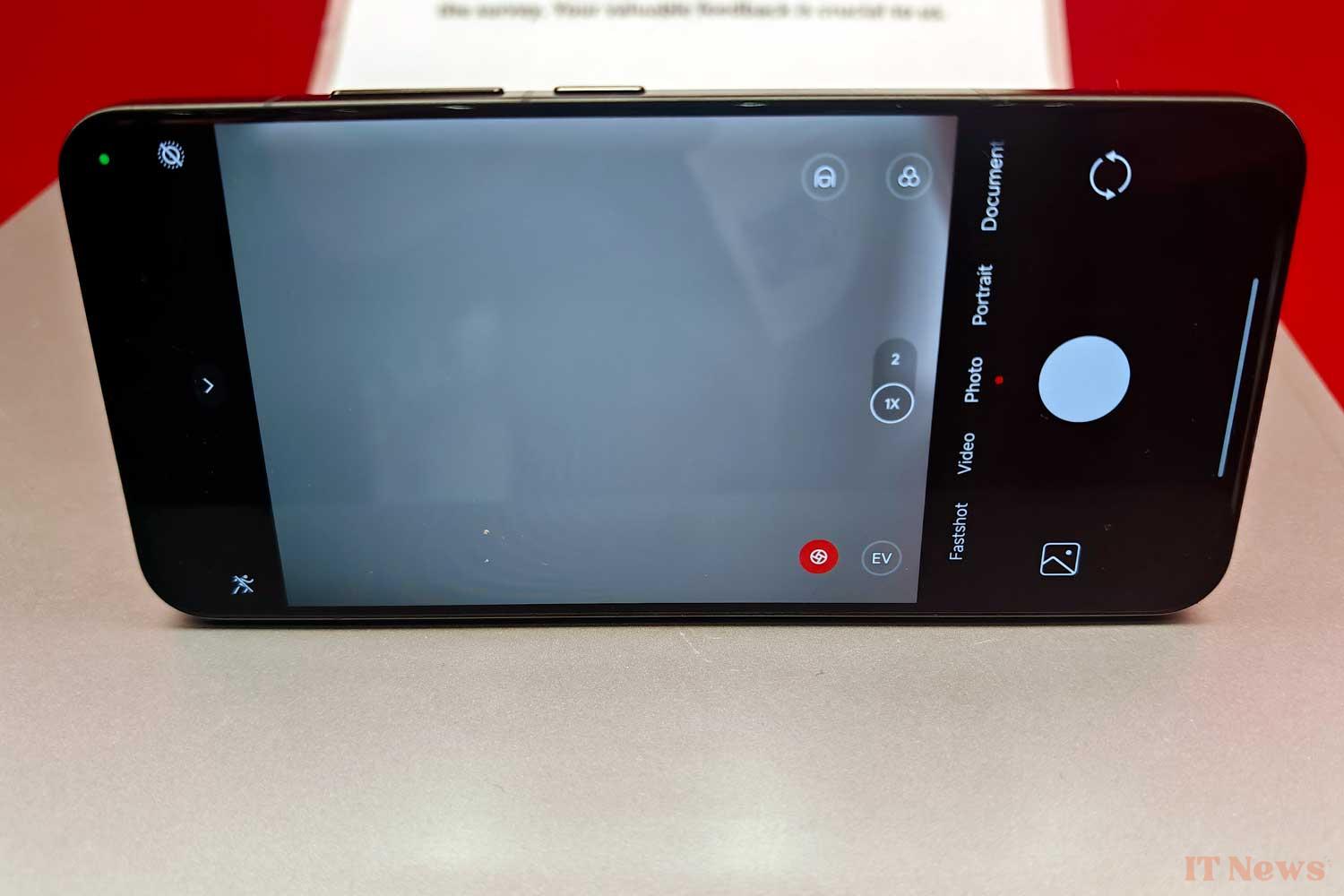
During our handling, we appreciated the ease of installation of the sensor and its integration into the interface of the photo application. With a simple click, we switch from the camera's photo block to the autonomous lens. We also have the absence of lag latency, so we do not feel any difference in processing time between a photo taken with the internal module and the lens.

Xiaomi aims for a system, not just a lens
For the manufacturer Xiaomi, this lens allows the foundations to be laid for a true modular ecosystem. Note that this is an internal initiative of the manufacturer and that Leica, the photo partner of Xiaomi smartphones, has not worked on this project at all.

Promising, Xiaomi's idea still faces certain limitations. The current lens does not offer macro and cannot focus closer than 30 centimeters. In addition, the device needs a case and Xiaomi will have to find a solution to offer this functionality without a case. However, we can imagine that the Chinese manufacturer will try to improve its concept. Finally, the concept does not really seem able to replace a camera since it will be very difficult to integrate a telephoto lens on a smartphone.


0 Comments