
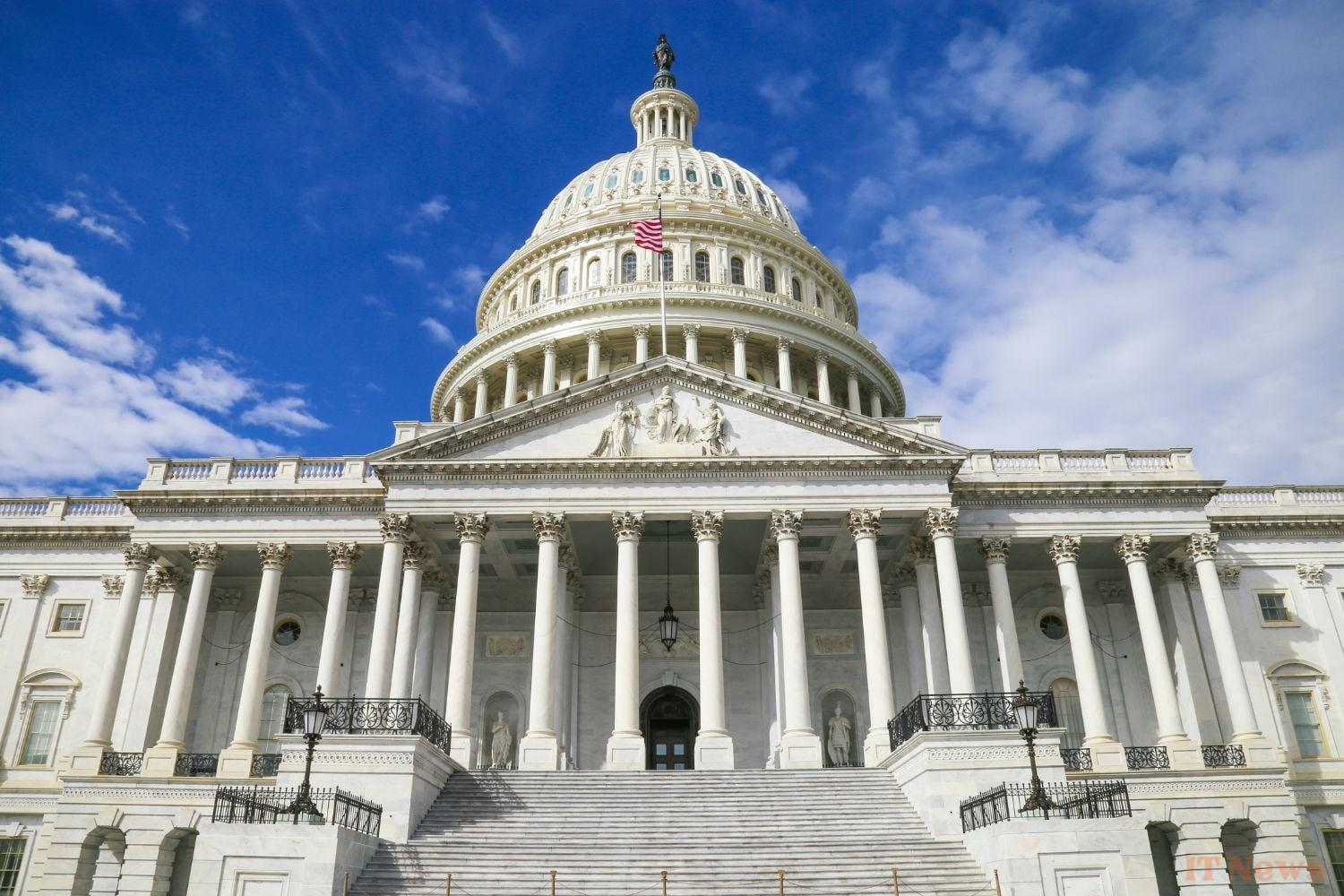
No oversight, no safeguards, and an automatic "blocking" of any law already adopted or in the making that would regulate the artificial intelligence (AI) sector for ten years? This is the whole point of an article in what the White House calls, in the United States, "Donald Trump's big and beautiful law."
The mega budget bill, which incorporates some of the American president's campaign promises, was just narrowly approved by the House of Representatives on Thursday, May 22. To become law, the text still needs to be examined by the US Senate in the coming weeks. And it could have significant consequences for the entire artificial intelligence sector.
A more than broad scope of the future ban
If adopted as is, it would effectively prevent American states from creating safeguards or control systems for artificial intelligence or automated decision-making systems for ten years. In other words, it would freeze any attempt to regulate conversational agents like ChatGPT or Le Chat, but not only that. The measure would apply as much to the fight against algorithmic discrimination as to the regulation of the use of artificial intelligence.
Not only would federal assemblies no longer be able to adopt any law or regulation governing "artificial intelligence models, artificial intelligence systems or automated decision-making systems", unless the objective of the texts was to "remove legal obstacles to these systems or facilitate their deployment or operation".
AI, automated systems, deepfakes... How far would this moratorium apply?
But texts already adopted would be automatically "frozen". According to the National Conference of State Legislatures (NCSL), an association of U.S. state legislators, more than 60 AI-related bills have already been passed, and many of them could be affected by the bill's moratorium. In other words, federal states would no longer be able to enforce their laws governing AI for the next ten years. In California, where many AI companies are headquartered, the local law on AI transparency and the use of deepfakes could be frozen.
The U.S. president's desire to review all the AI rules adopted during his predecessor's term is far from surprising. Upon his return to the White House, Donald Trump issued two executive orders: the first canceled Joe Biden's "AI Act," while the second aimed to revoke all previous government policies that constituted "obstacles to American innovation in artificial intelligence."
The objective of these measures and the bill, a new step in the deregulation of the sector, is to allow American companies to be unhindered by any rules, for the purposes of innovation, explain the bill's supporters. This would constitute a means of not being left behind by their Chinese competitors. But opponents say the ban in the One, Big, Beautiful Bill is far too far-reaching: it could hamper the enforcement of laws covering all automated systems or those using machine learning—which could include regulations governing social media, their algorithms, or laws aimed at combating deepfakes.
The Democratic US lawmakers and human rights and digital rights organizations like the Electronic Frontier Foundation are denouncing a "dangerous giveaway to Big Tech that would harm consumers." In a blog post from May 14, the NGO believes that such a moratorium would represent "a grave danger to Americans, as it would leave citizens unprotected against any risks associated with" AI. It would also "prevent states, which have been more reactive in regulating AI (than Congress, at the federal level, Editor's note), from responding to emerging issues."
In the wake of this, more than 140 civil rights and consumer advocacy groups called, in a letter sent to Congress, to reject this ten-year moratorium, believing that Americans would not be protected against the growing risks linked to artificial intelligence.
"Let's not kid ourselves, the families who came to us begging us to act will not be the winners of this proposal law," lamented Democratic US Congresswoman Lori Trahan during a hearing on the subject, reported by Engadget. "But you know who will benefit? The big tech CEOs who sat behind Donald Trump at his inauguration."


0 Comments