
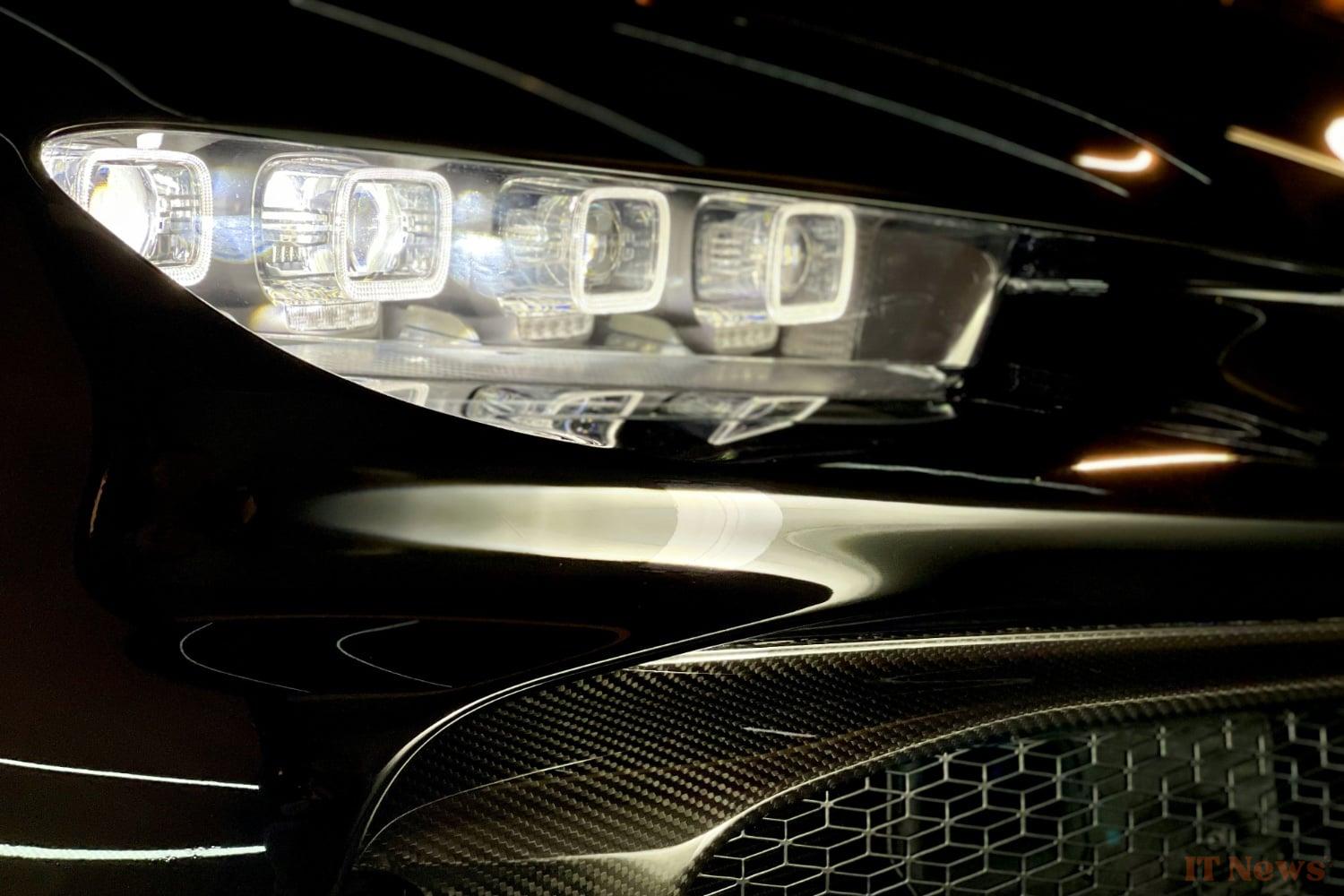
It's a relief for the automotive industry: carbon fiber will not be included in the European Union's list of hazardous materials after all. Initially, a proposed amendment to the End-of-Life Vehicle Directive considered classifying this material alongside substances such as lead, mercury, and cadmium. This text, drafted in January, aimed to better regulate the recycling and disposal of cars, in order to limit risks to the environment and human health.
Carbon fiber saved at the last minute
The European Parliament was particularly concerned that, when vehicles were dismantled, carbon fiber filaments could become airborne and cause skin irritation, while also damaging recycling machines. But after revision, the mention of carbon fiber was removed from the final version of the document, as parliamentary services confirmed to Motor1 Italia.
The decision to set aside this ban is strategic. Today, the automobile industry represents around 20% of global carbon fiber consumption. Brands such as Ferrari, Lamborghini, McLaren, and Koenigsegg use this material extensively to build monocoque chassis or lightweight body panels, a guarantee of performance. The very first vehicle to use it was the McLaren MP4/1 in Formula 1 in 1981. It then made its way to the road via the Jaguar XJR-15, the first road-legal car with a full carbon chassis.
But the issue isn't just for luxury cars. Carbon fiber is also essential for electric vehicles, which must remain lightweight to maximize their range. Tesla, BMW, Lucid, and Hyundai make intensive use of it.
A European ban would therefore have had significant consequences, especially since some of the world's largest producers—Teijin, Toray Industries, and Mitsubishi Chemical—are based in Asia. After the proposal was announced in January, their shares fell significantly.
Behind this about-face, we can see a form of economic pragmatism. Carbon fiber represented a market estimated at $5.5 billion in 2024. An industrial heavyweight that is difficult to dismiss without upsetting an entire value chain—from the aeronautics sector to car manufacturers.
Even if the ecological intention is not questioned, the Commission seems to have realized that the advantages of the material—lightness, strength, performance—outweigh, for the time being, the disadvantages related to its end of life. The issue remains sensitive, and it is likely that Europe will continue its efforts to improve recycling techniques rather than simply excluding this key component.


0 Comments