
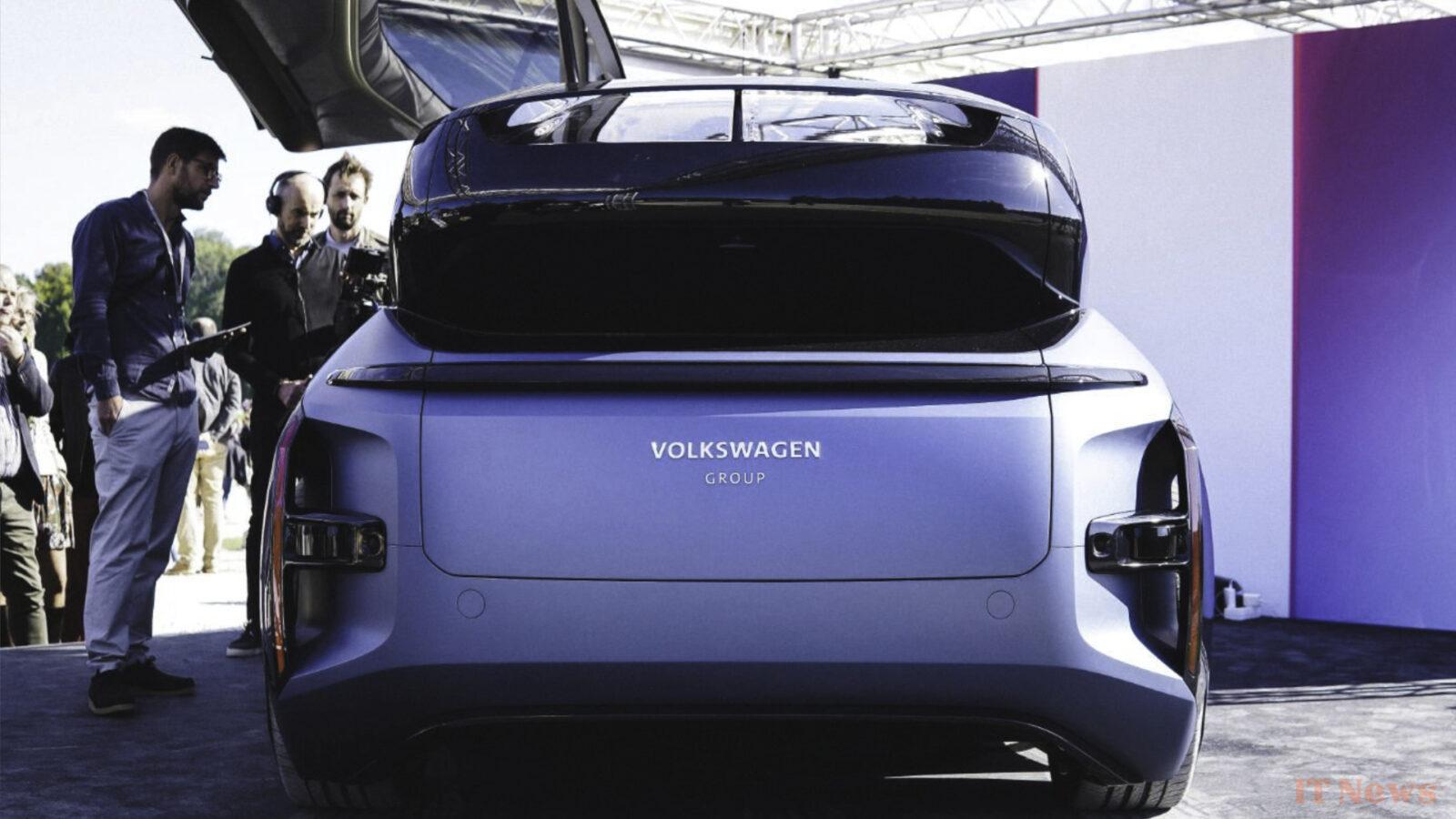
Volkswagen owners may not be familiar with the name Cariad, but they've already paid the price. On the ID.3 and ID.4, the German group's software division offered slow and unstable operating systems, which hampered the manufacturer's sales and drove drivers away from the all-electric range. Both central and problematic, the Cariad division was very costly: €6.5 billion in operating losses over the previous three years.
Cariad's woes also delayed production of the electric Porsche Macan and the Audi Q6 e-tron. As a result, Volkswagen had made major changes.
"Costs have been significantly reduced"
In 2025, Volkswagen division boss Peter Bosch, however, sees positive signs. In an interview with the German media Automobilwoche, he stated that the Cariad division had pulled itself together. Even going so far as to say that the group had kept its promises: "the cars are here, costs have been significantly reduced, and we have innovated technologically." Peter Bosch had been appointed to save the ship, after his departure from Bentley as CEO in 2023.
The return to a sustainable situation will lead to no fewer than 1,600 layoffs this year, and more specialized recruitment in today's professions. Cariad must continue to focus on the development of cloud infrastructure, advanced driver assistance systems (ADAS), and on-screen infotainment.
It is difficult to determine today how Cariad will evolve alongside Rivian, the young American electric car brand in which Volkswagen has invested $5.8 billion. Injected in successive tranches since last year, Volkswagen intends to make this investment a bet on the future with the possibility of using American know-how in software (via a joint venture).
For Volkswagen, the ambition is still to offer a level 4 autonomous driving system. The "2.0" software project is due to arrive at the end of the decade and there is now talk of working with Chinese companies as well, such as Xpeng and Horizon Robotics. Rivian in the United States will be supported by Bosch in Germany.


0 Comments