
The cultural industry is made up of many communicating vessels. Hollywood takes over the biggest hits in bookstores around the world, while certain cinematic universes give birth to successful literary sagas. This is particularly true in the first case, nearly one in five films offered in France is an adaptation according to figures shared by the National Book Center and the CNC in 2023. The same year, Pathé offered its new reinterpretation of Alexandre Dumas's illustrious tale: The Three Musketeers. A year later, it was The Count of Monte Cristo which exceeded expectations by recording more than 9 million admissions in France alone.
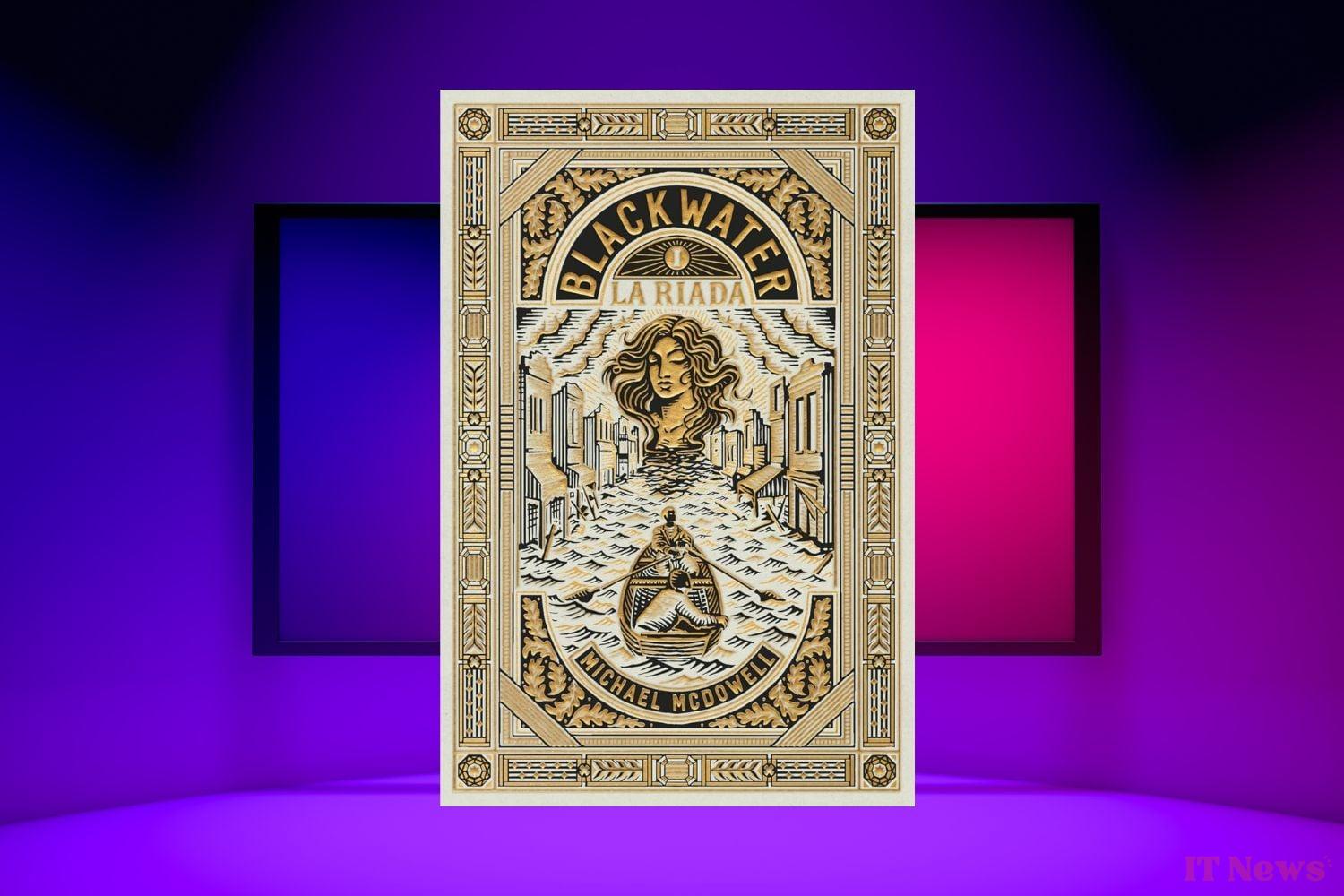
Globally, four of the ten biggest box-office successes in 2024 were devoted to heroes born on paper. Between comic book protagonist Deadpool, Paul Atreides, and Elphaba, reimagined by Gregory Maguire based on The Wizard of Oz, the book industry inspires Hollywood, and cinema returns the favor. At Journal du Geek, we like to imagine seeing some of our works hit our screens very soon. It was the literary phenomenon of summer 2022. The hitherto discreet publishing house Monsieur Toussaint Louverture made headlines with the launch of the series Blackwater, published in six volumes between April and June. It proudly sat at the top of the bestseller list and had sold over 300,000 copies by August. A commercial and critical success that makes it an obvious choice for the small screen.
What's it about?
Blackwater plunges readers into the early 20th century in the small town of Perdido. After a major flood, the inhabitants are forced to retreat to the hills. While cruising the city aboard his boat, Oscar Caskey makes a strange discovery. The heir to a wealthy family stumbles upon Elinor, a mysterious young woman with whom he falls in love. But their union is not viewed favorably by the matriarch, Mary-Love. Elinor hides dark secrets that the six books will endeavor to reveal.
Why would Blackwater be the perfect series?
A fantasy fresco that borders on horror, Blackwater is a fascinating literary object. Its plot spans several decades and is populated by fascinating characters. Through the adventures of Elinor, Mary-Love, and their descendants, McDowell addresses the major issues of the last century and scrutinizes human relationships. Addictive and definitively cinematic, the universe of Blackwater is fertile ground for adaptation. Tim Burton understood this when he entrusted the author, who has since passed away, with the writing of Beetlejuice. And then, dividing the saga into six volumes already gives the writers some initial ideas for developing this story into several seasons.
The Passage by Justin Cronin
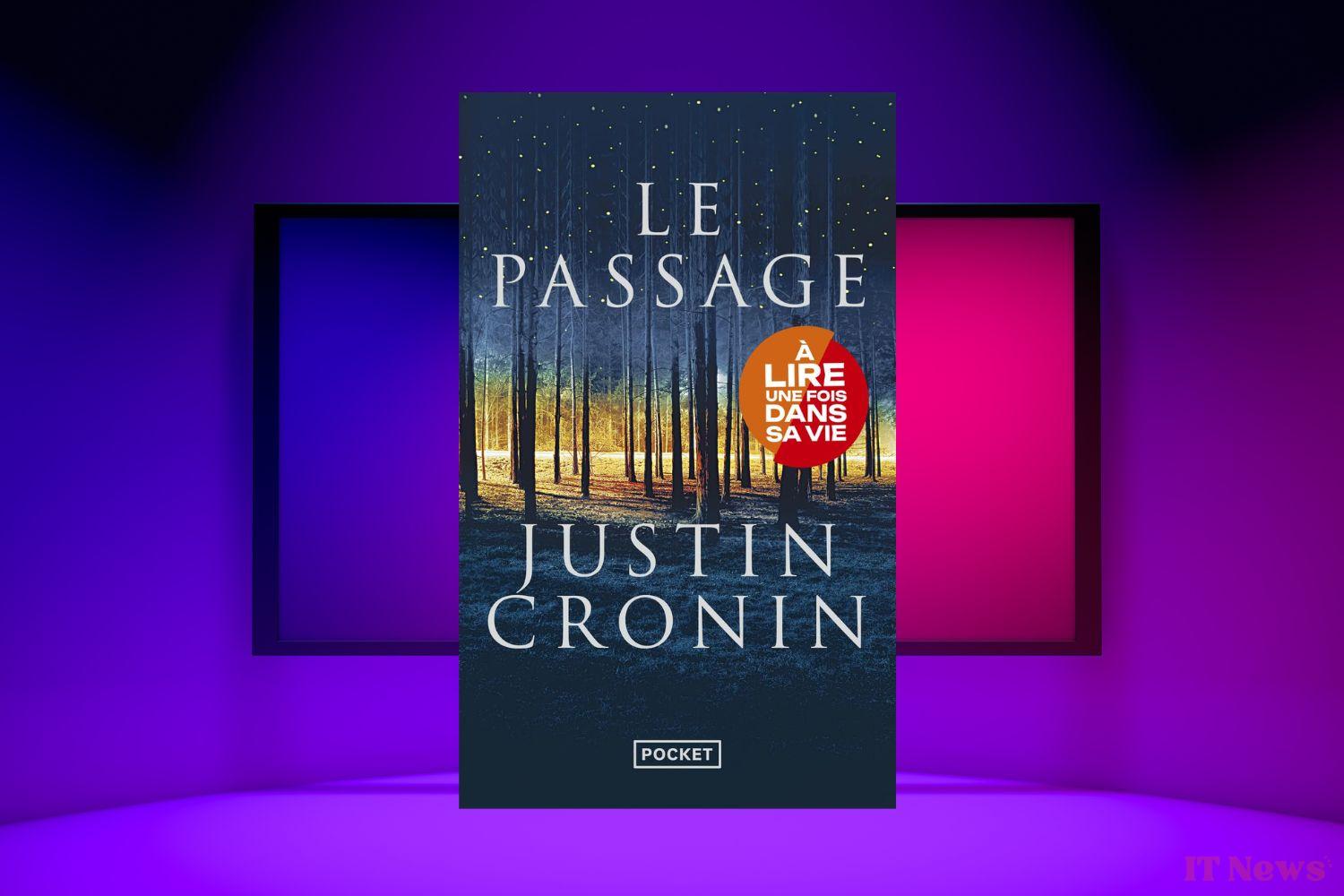
For those who love post-apocalyptic novels and zombies, The Passage is a must-read. Published in 2010 in the United States and in 2011 in France, Justin Cronin's work opens the doors to a saga in three volumes, each more addictive and moving than the last. But it is undoubtedly the first novel that stands out for its approach and tone.
What is it about?
A hundred years ago, humanity descended into chaos. An epidemic transformed humans into mutants and reduced civilization to nothing. Some survivors live hidden behind barricades, in organized communities. One day, a young girl appears at the gates of one of these villages. She looks 14 years old, but she is 100 years older and could well be the answer to everything.
Why does Le Passage make the perfect diptych?
Catastrophe stories are popular on both the small and big screens. The Last of Us, Fallout, and more recently L’Éternaute and 28 ans plus, there's no shortage of series and films in this genre. The Passage stands out for the novelist's meticulous writing, which focuses on exploring the psyche of the many characters who cross his pen. Conceived as a road movie spanning several eras, the first part of the novel is devoted to the discovery of the virus and its spread before a leap forward in time 100 years later. A diptych could be the perfect formula, to give all the characters the opportunity to flourish.
The Mirror Visitor by Christelle Dabos
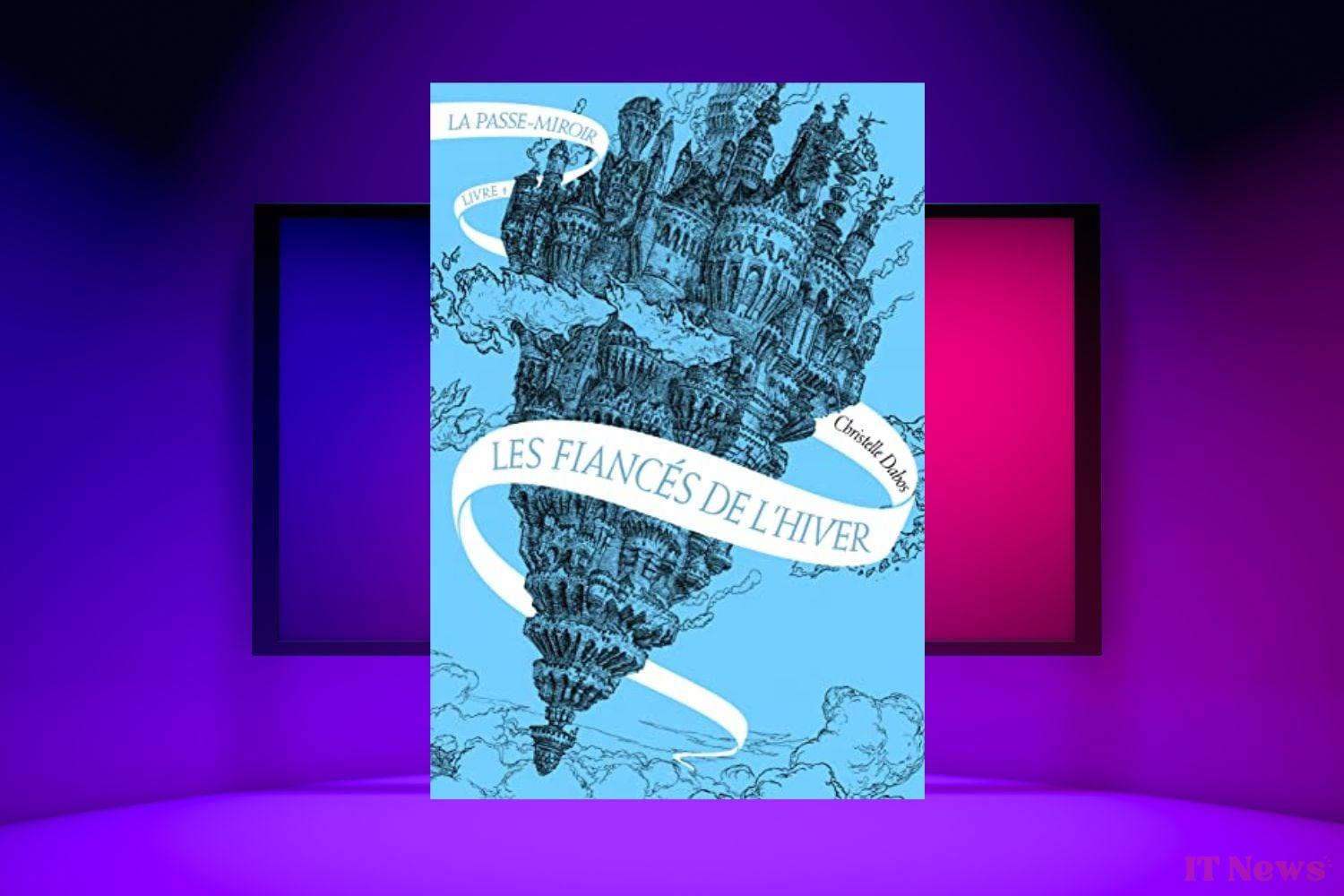
The children's section has no shortage of little gems to discover, especially when it comes to stories of the imagination. Christelle Dabos is one of those authors who captivates people in France and whom we would love to take the plunge into cinemas. Her saga of the Looking Through the Looking Glass has everything it takes to offer French audiences the fantasy that is sorely lacking in their audiovisual landscape.
What's it about?
Ophelia has unique powers. A resident of the Anima ark, she is able to read the past of objects by touching them, but also, and above all, to pass through mirrors. Shy, clumsy, and lonely, she will be engaged to Thorn. But the heir to the Pole Ark clan isn't the most welcoming, and Ophelia will discover that a secret lies behind this union.
Why would The Mirror Visitor make a great French fantasy saga?
Genre and fantasy films are all too rare in France. With Christelle Dabos's universe, this will be the perfect opportunity to bring a rich and captivating mythology to life. It would also be a perfect opportunity for a director to give free rein to their imagination and bring to life the settings that have captivated readers. Between fantasy and steampunk, we dream of seeing Ophelia's world on the big screen.
Vox, by Christina Dalcher
In the tradition of the great contemporary dystopias, Vox by Christina Dalcher stands out as a hard-hitting novel, chilling with its vision of a future where female speech is literally muzzled. Published in 2018 in the United States, the book has lost none of its power, resonating even more strongly in the era of debates on women's rights and the rise of religious extremism.

What is it about?
In the United States, a fundamentalist evangelical regime has taken power and imposed silence on women: each is equipped with a bracelet that limits strictly limit their speech to 100 words per day. Any additional words are punished by an electric shock, pushing the repression to the point of physical torture. Reading, writing, working, or even getting an education become male privileges, while women are reduced to the domestic sphere. The heroine, Jean McClellan, is a neuroscientist, and sees her life turned upside down when the President's brother suffers a stroke. An unexpected opportunity presents itself to her, with the possibility of working on a secret medical project, in exchange for freedom of speech for her and her daughter.
Why would Vox be a powerful adaptation?
In the tradition of The Handmaid's Tale, Vox has all the ingredients for a remarkable adaptation. Its dystopian universe, both close and terrifying, offers an original focus on language and the power of words. The novel is striking in its themes: censorship, indoctrination, institutional violence and the place of women in society. Scenes of family tension, psychological pressure and Jean's growing inner resistance offer a powerful dramatic reflection.
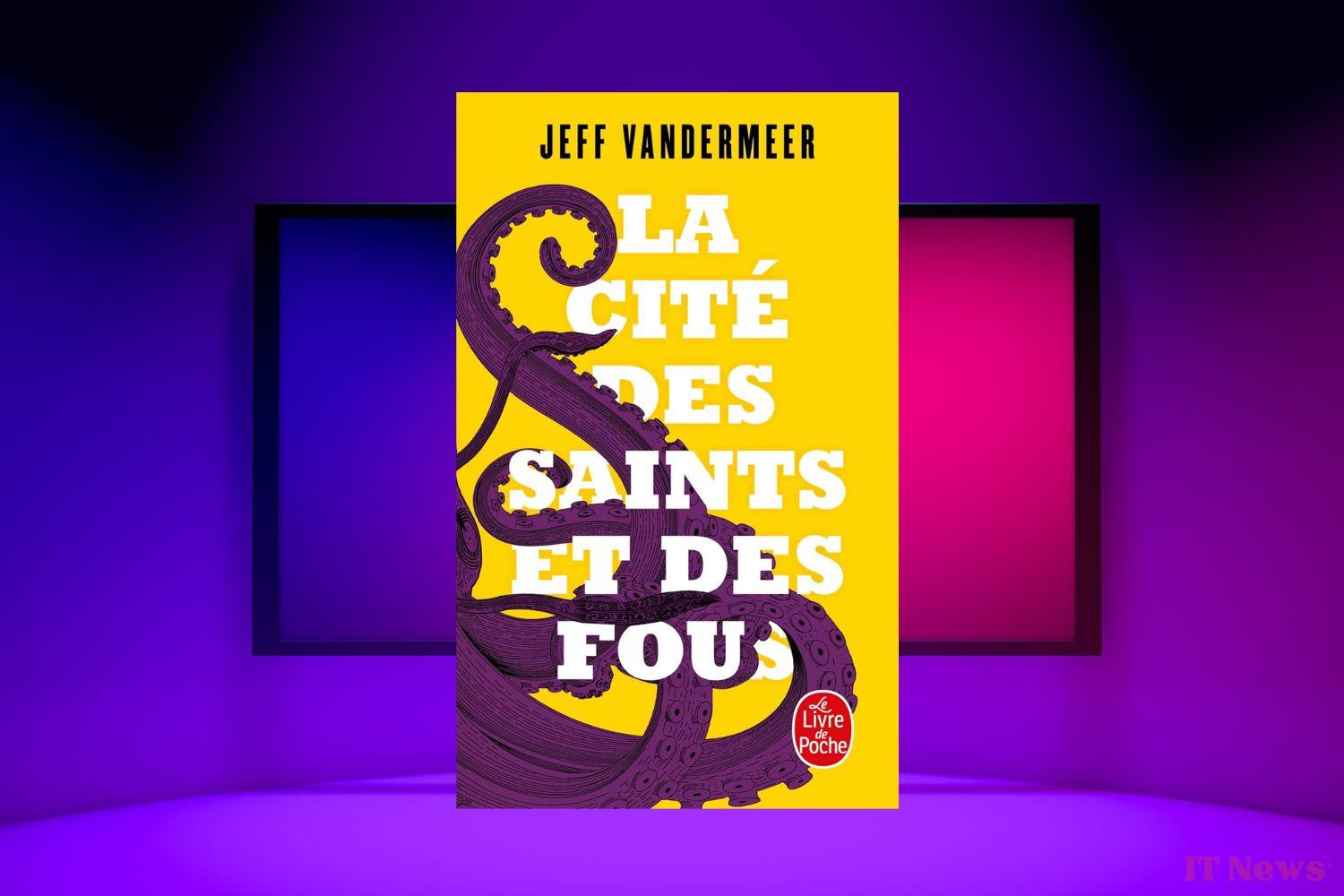
The City of Saints and Madmen by Jeff VanderMeer
It's difficult to talk about the most unique literary worlds without mentioning The City of Saints and Madmen, a seminal work of the New Weird movement by Jeff VanderMeer. A true literary UFO, this collection takes the reader into the twists and turns of Ambregris, a city as fascinating as it is disturbing, where the strange and the grotesque rub shoulders with poetry and horror.
What's it about?
It's difficult to describe the atmosphere of the novel without giving too much away. Ambregris, a sprawling and decadent city, is the setting for stories where madness, fantasy, and violence intertwine. We encounter explorers, tortured artists, political composers, and even the author himself, lost in his own creation. The stories play on narrative polyphony and dark humor, multiplying nods to literary criticism, history, and psychoanalysis.
Why would The City of Saints and Madmen be an exceptional adaptation?
What makes The City of Saints and Madmen so strong is its ability to blur the lines between genres and offer a unique sensory and intellectual experience. The world of Ambregris is full of baroque details, strange rituals, and moments of pure terror. The themes covered – colonization, collective memory, revenge of oppressed peoples, individual and collective madness – offer a vast playground for a visual adaptation as wild as the original novel.
With its fake footnotes, fictional essays and delirious appendices, the book's ability to break the fourth wall in the manner of Terry Pratchett would bring a meta dimension to the series, which would play with the codes of documentary, fantasy and satire.


0 Comments